



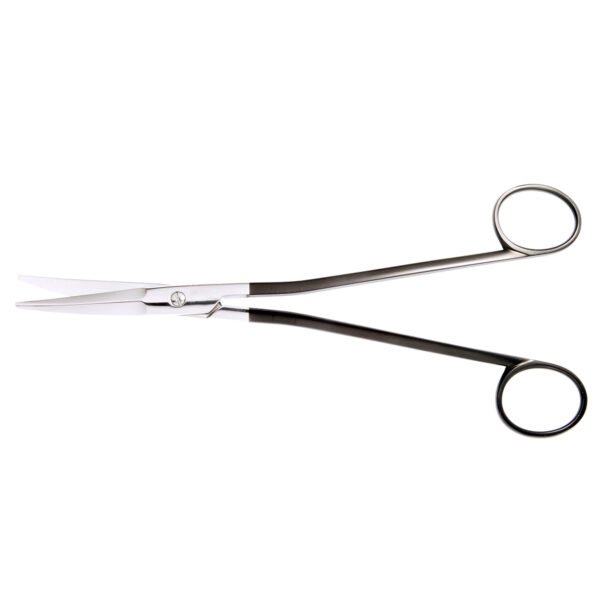
Matarasso Supercut Ergonomic Face-lift Scissors | NJ Medical Instruments
Original price was: $ 39.$ 31Current price is: $ 31.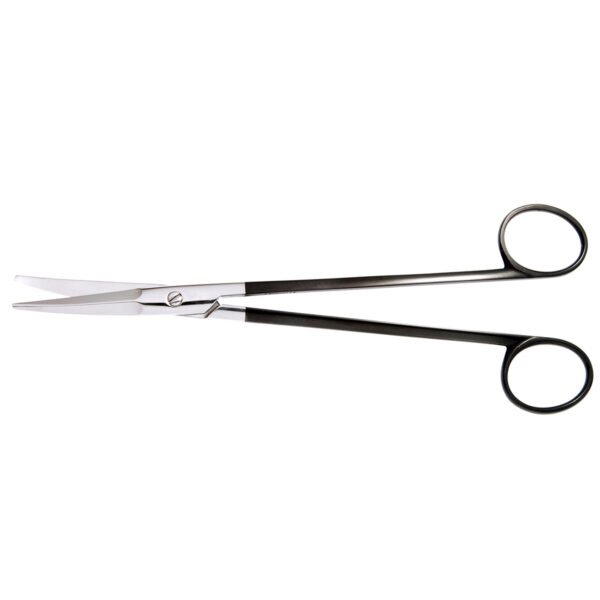
Matarasso Supercut Face-lift Scissors | NJ Medical Instruments
Original price was: $ 39.$ 31Current price is: $ 31.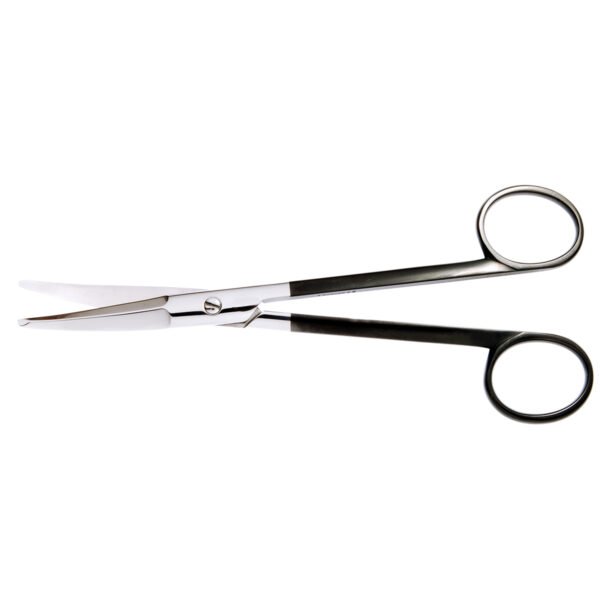
Rees Supercut Face-lift Scissors | NJ Medical Instruments
SKU:
NJM-26357
Original price was: $ 39.$ 31Current price is: $ 31.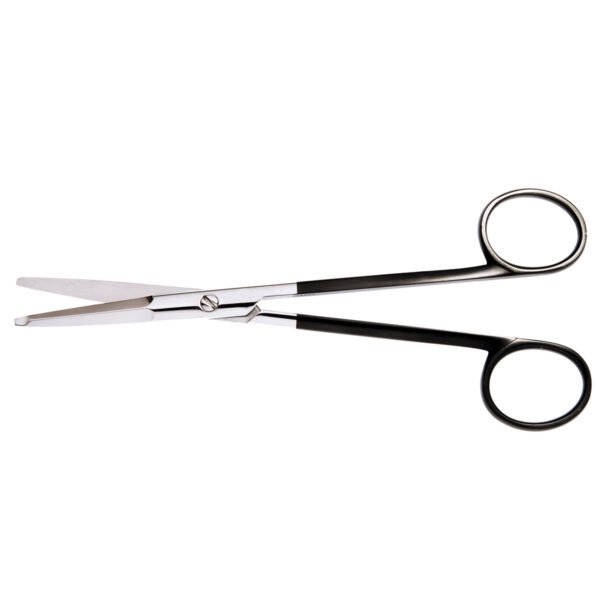
Gorney Supercut Face-lift Scissors | NJ Medical Instruments
Original price was: $ 39.$ 31Current price is: $ 31.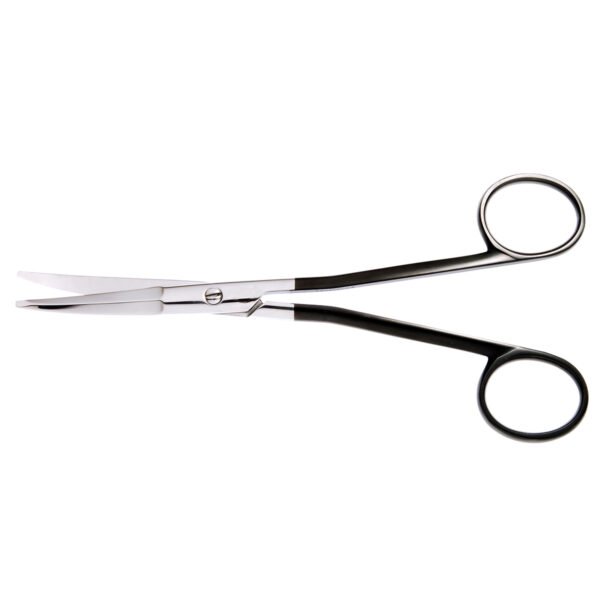
Gorney Supercut Ergonomic Face-lift Scissors | NJ Medical Instruments
Original price was: $ 39.$ 31Current price is: $ 31.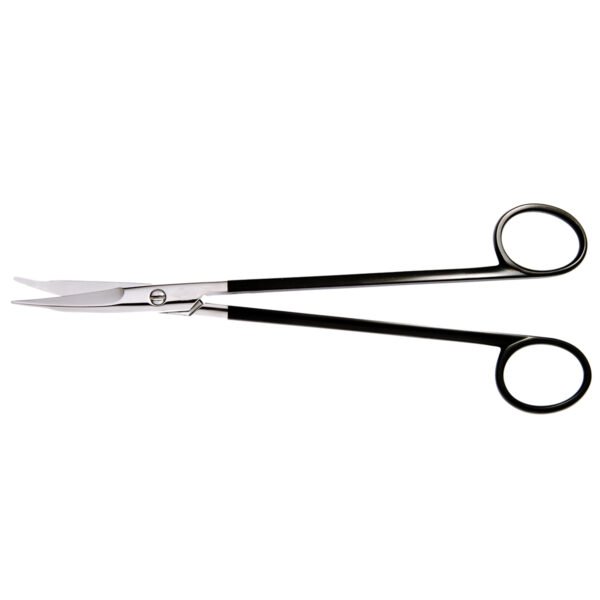
Davis Supercut Face-lift Scissors | NJ Medical Instruments
SKU:
NJM-26342
Original price was: $ 39.$ 31Current price is: $ 31.
Aston Supercut Face-lift Scissors | NJ Medical Instruments
SKU:
NJM-26010
Original price was: $ 39.$ 31Current price is: $ 31.Face Lift Scissors for Sale - SuperCut and Ergonomic Surgical Scissors for Facelift Dissection
Facelift surgery lives or dies in the dissection plane. The subcutaneous plane developed between the dermis and the SMAS needs to be precise and consistent across the entire operative field - from the preauricular area through the cheek and into the neck. Scissors that require repeated closures to complete a cut through the fibrous subcutaneous connective tissue create uneven planes, introduce bleeding from divided vessels that weren't caught cleanly, and extend operative time on a procedure that is already time-sensitive for tissue ischaemia reasons.
The scissors used for facelift dissection are not general tissue scissors with a different label. The blade geometry, the tip profile, the curvature, and whether a SuperCut mechanism is used all reflect the specific demands of subcutaneous and SMAS-level dissection in the face. And the choice between named surgeon pattern scissors - Aston, Gorney, Matarasso - reflects not just preference but technique: each surgeon who lent their name to an instrument developed their blade preferences in the context of their specific operative approach, and the instruments reflect those requirements.
All three face lift scissors in this subcategory at NJ Medical Instruments use the SuperCut mechanism, are manufactured from surgical-grade stainless steel at the company's Sialkot facility, CE-certified, and autoclavable.
Why Facelift Scissors Use the SuperCut Mechanism
Subcutaneous facial tissue presents a specific cutting challenge. The fibrous septa that run between the dermis and the SMAS are under tension from skin retraction, and they have a tendency to bow away from standard plain-blade scissors before the cutting edge engages them. This means the scissors closes without completing the cut, or completes it in the wrong plane because the tissue shifted.
The SuperCut mechanism - one micro-serrated blade catching tissue against one plain cutting blade - stops this. The serrated blade engages the fibrous septum on the first contact and holds it in position while the plain blade completes the cut. The result is single-closure cuts with less tissue displacement and cleaner edges than plain-blade scissors produce in this tissue type. For facelift surgeons performing high-volume cases, the difference in operative flow is directly felt.
Named Pattern Facelift Scissors - Technique-Specific Blade Geometry
Aston SuperCut Face-lift Scissors
Sherrell Aston's facelift technique places significant emphasis on subcutaneous dissection - developing the skin flap in the subcutaneous plane over a wide area before addressing the SMAS. The scissors geometry he uses for this work reflects the access angles and tissue characteristics of wide subcutaneous undermining: a blade curvature and tip profile suited to following the plane across the cheek and neck without the handle position requiring constant adjustment.
The Aston SuperCut Face-lift Scissors is the appropriate instrument for surgeons trained in or working from Aston-technique facelift approaches. CE-certified, autoclavable.
Matarasso SuperCut Face-lift Scissors
Alan Matarasso's contributions to facelift surgery include attention to neck rejuvenation and the specific dissection planes used to address platysma and subplatysmal anatomy. The Matarasso SuperCut Face-lift Scissors reflects the blade geometry preferences associated with his approach - suited to both the facial and cervical dissection planes of his operative technique. For surgeons working in the Matarasso tradition, this instrument provides the expected geometric characteristics. CE-certified, autoclavable.
Gorney SuperCut Ergonomic Face-lift Scissors
The Gorney scissors adds an ergonomic handle configuration to the facelift scissors specification - addressing the hand fatigue issue that becomes significant when performing bilateral facelift dissection. Developing the subcutaneous plane bilaterally involves numerous scissors closures over an extended operative period. A standard ring handle concentrates repeated closing force at the metacarpophalangeal joint; the ergonomic handle redistributes this load into a more natural hand position that reduces cumulative strain through the second side of the case.
The Gorney SuperCut Ergonomic Face-lift Scissors combines the SuperCut blade mechanism with this ergonomic handle - the option for surgeons who have found hand fatigue to be a factor in their bilateral facelift cases. CE-certified, autoclavable.
Ordering and Supply
NJ Medical Instruments ships facelift scissors worldwide with ISO and CE certification. Bulk pricing is available for plastic surgery units and distributors. Contact info@njmedicalinstruments.com or WhatsApp +92-333-8733922.