


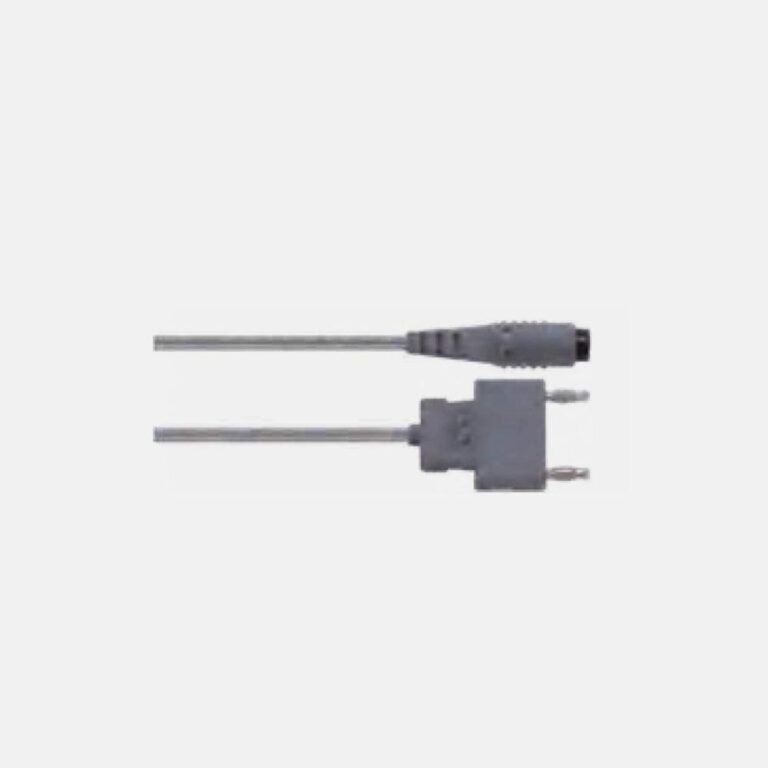
Silicone Bipolar Cable – 10 ft, European Flat/29 mm
In stock
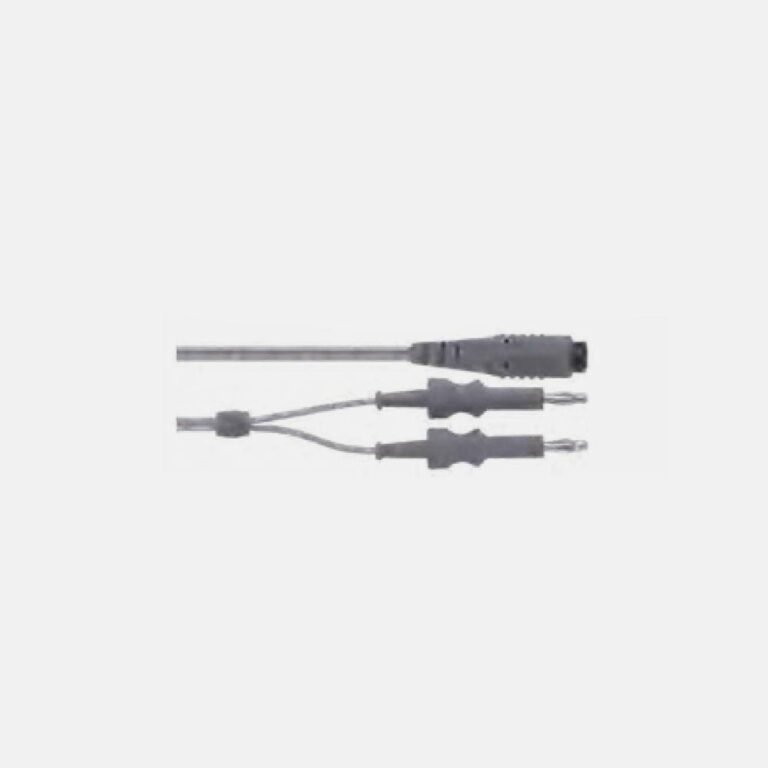
Silicone Bipolar Cable – 10 ft, European Flat/4 mm
In stock
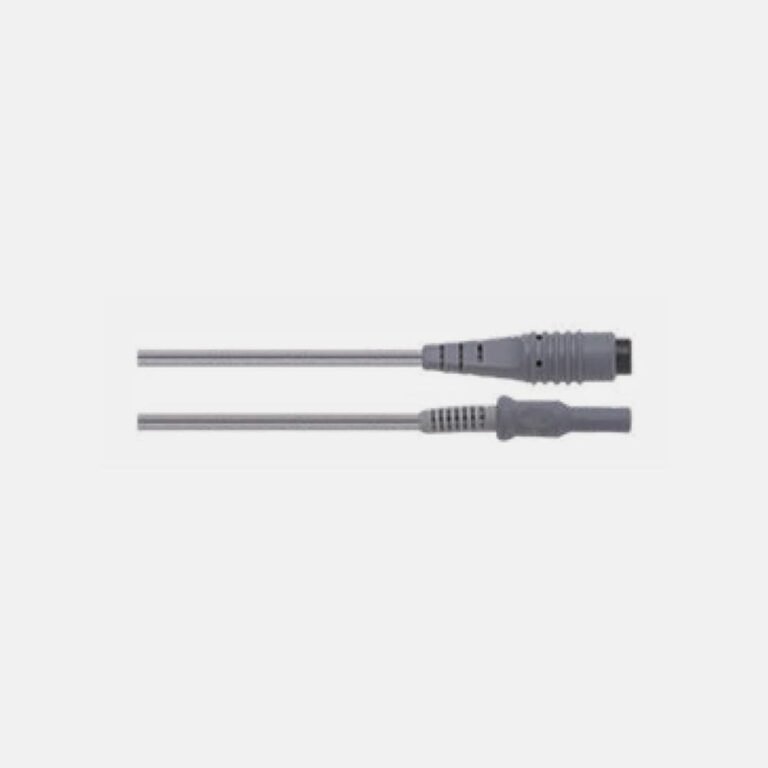
Silicone Bipolar Cable – 10 ft, European Flat/Martin
In stock
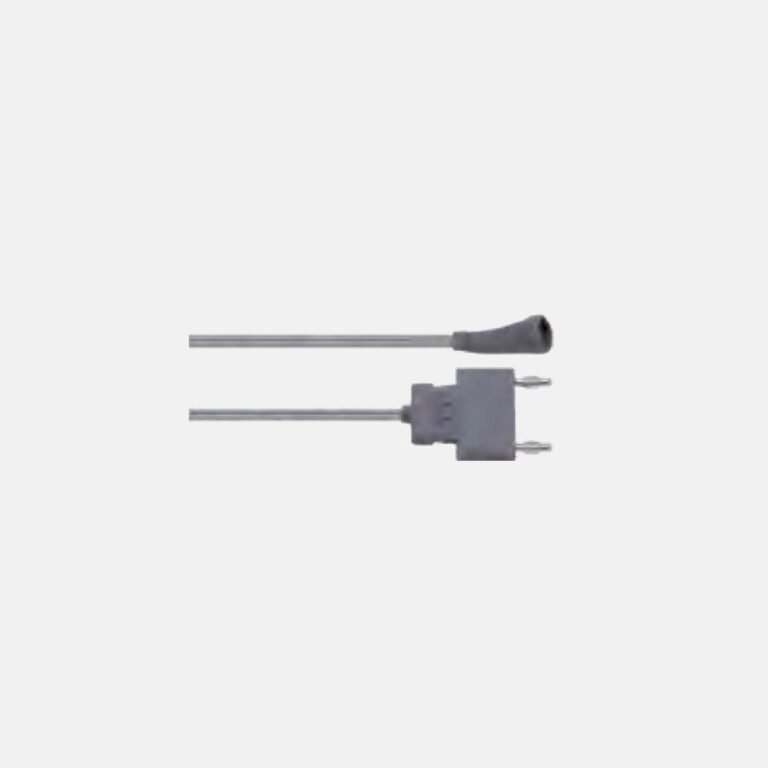
Silicone Bipolar Cable – 10 ft, USA 2-Pin/29 mm
In stock
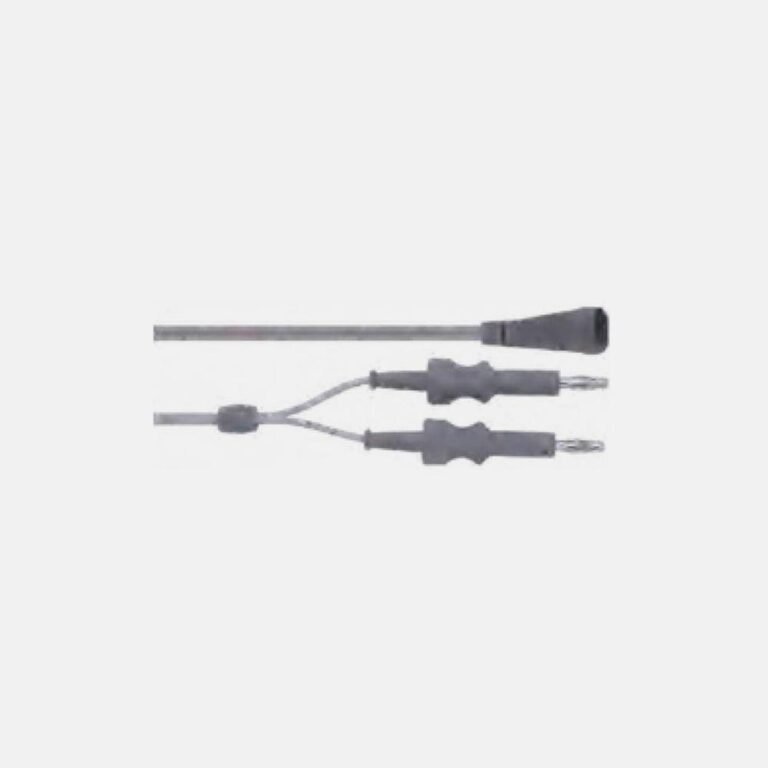
Silicone Bipolar Cable – 10 ft, USA 2-Pin/4 mm
In stock
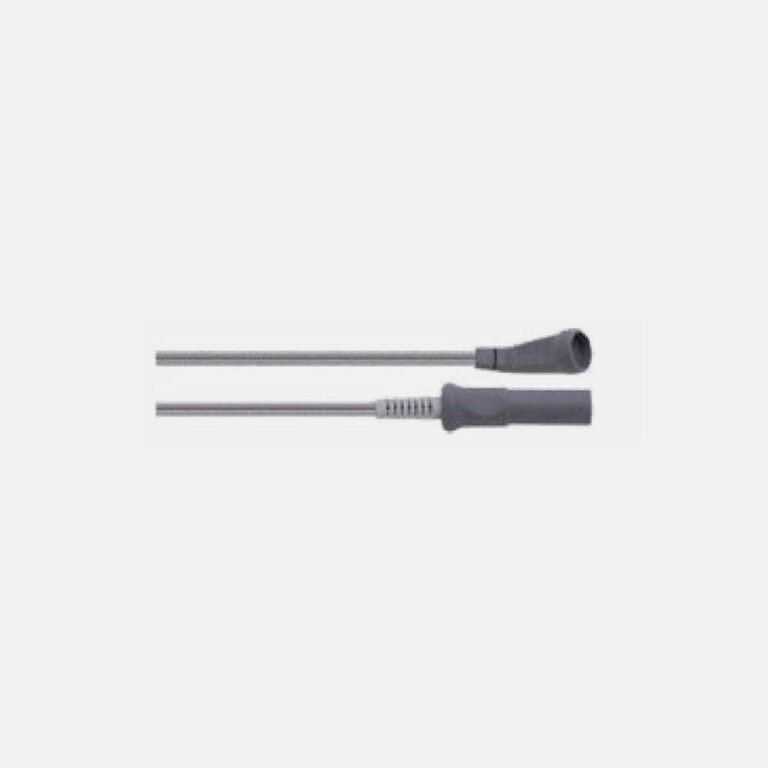
Silicone Bipolar Cable – 10 ft, USA 2-Pin/Erbe
In stock
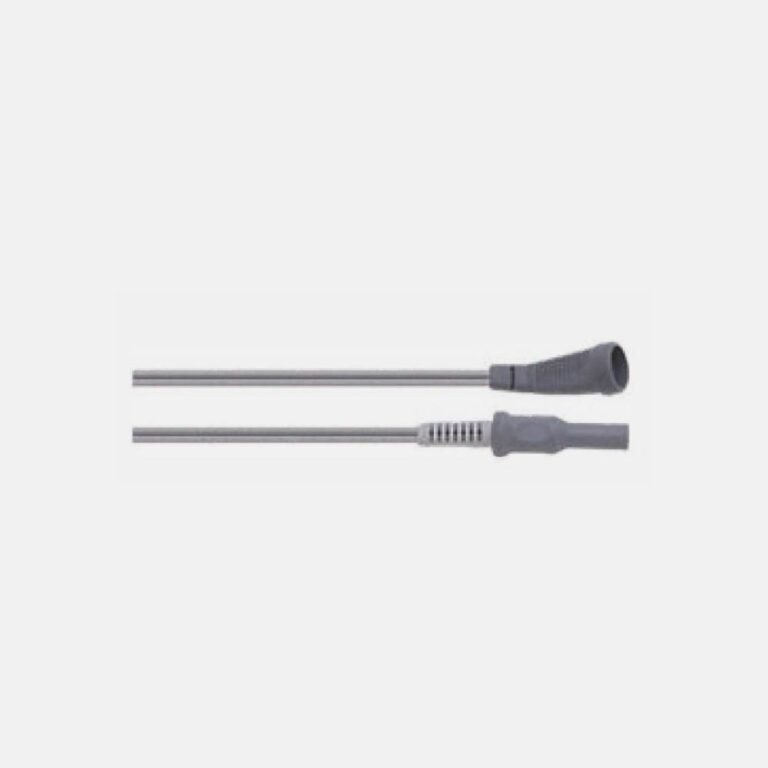
Silicone Bipolar Cable – 10 ft, USA 2-Pin/Martin
In stock
Bipolar Cables: Matching Forceps to Generator
A bipolar cable connects the forceps to the generator, and the single most common reason a bipolar system does not work in theatre is that the cable does not match one end or the other. Bipolar connections are not universal. The European standard uses a flat two-pin plug; the USA standard uses a different two-pin geometry; and generator sockets vary by manufacturer. All three components — forceps, cable, generator — have to belong to the same system. A cable that fits the forceps but not the socket is discovered at the start of a case, which is exactly when nobody wants to be hunting through storage. NJ Medical Instruments supplies bipolar cables in both connector standards and in a range of lengths, worldwide direct from the factory for individual purchase and for bulk, wholesale, and OEM/private-label supply.
Identifying what you need
Work backwards from the generator. Look at the bipolar socket on the unit, then at the plug on the forceps, and order the cable that bridges those two specific ends. If a cable already works reliably in that theatre, matching it is the safest specification. Where a department runs more than one generator brand, labelling cables to match their units saves the mid-case search — cables look almost identical and are easy to mix up in a shared drawer.
Why cables fail before forceps do
The cable is the component that gets flexed, trodden on, wrapped tightly, and pulled from the plug rather than the body. Damage concentrates at the strain relief where the cable meets each connector, and internal conductor breaks there are invisible from outside — the insulation looks perfect while the conductor inside has fractured. The symptom is intermittent coagulation that works in one cable position and not another, which is easily misread as a forceps problem or a generator fault.
Length and handling
Choose a length that reaches from generator to sterile field without tension and without excessive slack. A cable pulled taut stresses the strain relief every time the surgeon moves; a cable with metres of surplus becomes a trip and contamination hazard on the floor. During reprocessing, cables should be coiled loosely rather than wound tightly around a hand, since repeated tight coiling is a leading cause of internal conductor damage.
Which cable do you need?
| Specification | Option | Notes |
|---|---|---|
| Forceps connector | European flat two-pin | Matches European bipolar forceps |
| Forceps connector | USA two-pin | Matches USA-standard forceps |
| Generator connector | Manufacturer specific | Check the socket before ordering |
| Length, short | 3 m | Generator close to the field |
| Length, standard | 4–5 m | Typical theatre layout |
| Silicone jacket | Autoclavable | Repeated steam sterilisation |
Explore related electrosurgical instruments
- European Bipolar Forceps and USA 2 Pin Bipolar Forceps
- European Non-Stick Bipolar Forceps and SilverGlide Non-Stick
- Monopolar Cables and Patient Return Plates
- All Electrosurgical Instruments
All manufactured to international standards, autoclavable, with worldwide shipping.
Bulk, wholesale & OEM supply
As a direct manufacturer, NJ Medical Instruments supplies bipolar cables in both connector standards and multiple lengths, in bulk and wholesale quantities to hospitals, surgical centres, and distributors, and produces OEM / private-label cables to match specific generator systems. If you need cables for a particular unit, send us the specification and we will match it. Contact us by email at info@njmedicalinstruments.com or by WhatsApp for volume pricing — no minimum-order barriers, no middlemen.
Frequently asked questions
Are bipolar cables universal?
No. European forceps use a flat two-pin plug and USA forceps a different two-pin geometry, while generator sockets vary by manufacturer. Forceps, cable, and generator must all belong to the same system.
How do I identify which bipolar cable I need?
Work backwards from the generator. Check the bipolar socket on the unit and the plug on the forceps, then order the cable that bridges those two specific ends. Matching a cable already working reliably in that theatre is the safest approach.
Why does my bipolar coagulation work intermittently?
Often a broken conductor inside the cable, usually at the strain relief where it meets a connector. The insulation looks intact while the conductor inside has fractured, so coagulation works in one cable position and not another.
What length bipolar cable should I choose?
Long enough to reach from generator to sterile field without tension, short enough to avoid surplus on the floor. A taut cable stresses the strain relief with every movement; excess length is a trip and contamination hazard.
How should bipolar cables be handled and stored?
Coil them loosely rather than winding them tightly, and unplug by the connector rather than pulling the cable. Repeated tight coiling is a leading cause of internal conductor damage.
Do you supply bipolar cables in bulk or for OEM / private label?
Yes. We supply cables in both connector standards and multiple lengths in bulk and wholesale quantities, and can produce OEM / private-label cables matched to specific generator systems. Contact us by email or WhatsApp for volume pricing.