


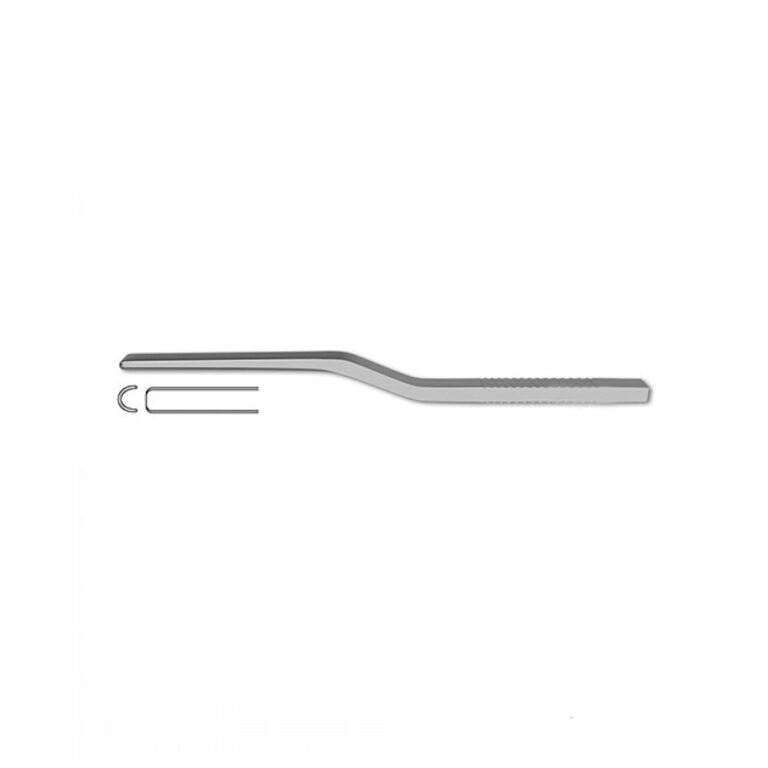
Killian Septum Nasal Gouge
In stock
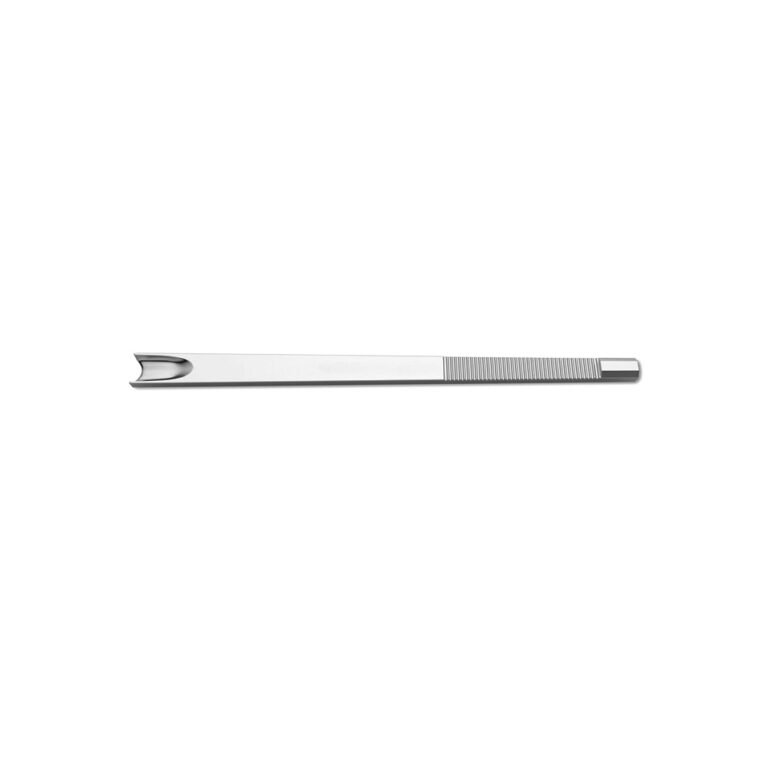
Parkes Hump Gouge Double Guarded | NJ Medical Instruments
In stock
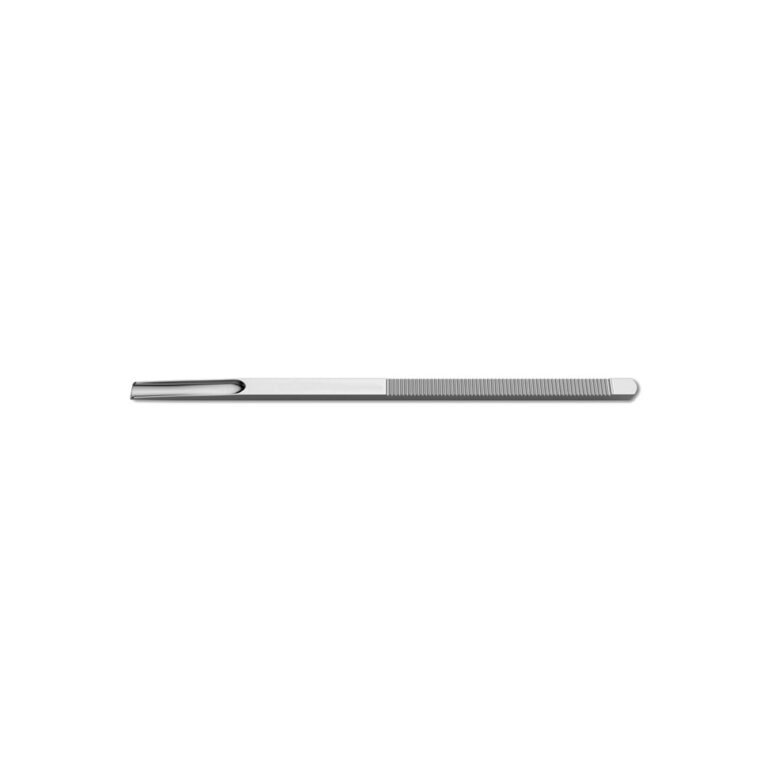
Sheehan Nasal Gouge | NJ Medical Instruments
In stock
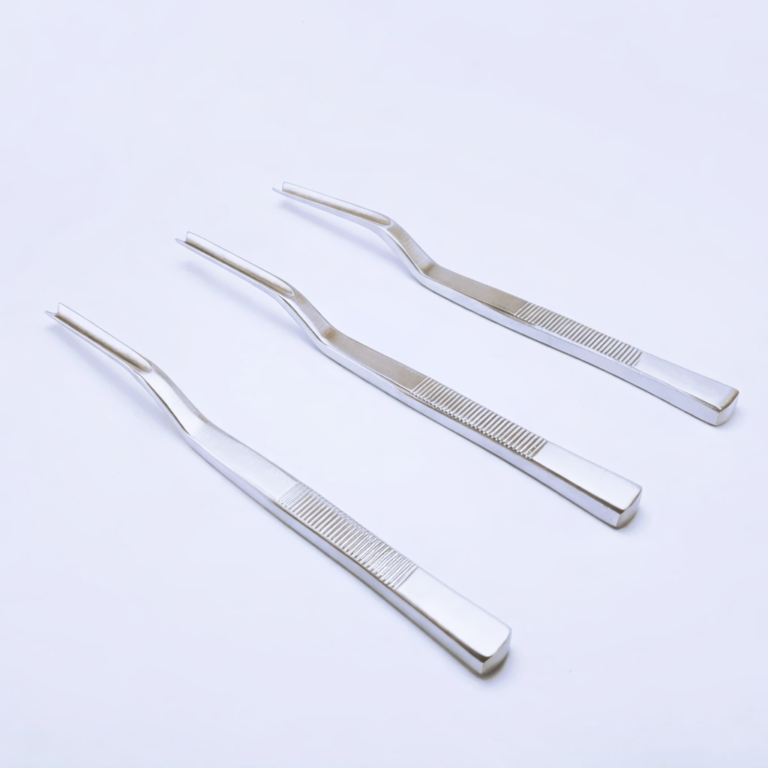
Tilley Nasal Gouge V-Shaped Bayonet Style | NJ Medical Instruments
In stock
Gouges: A Curved Edge That Controls How Deep It Goes
A gouge is defined by the curve across its cutting edge, and that curve does something a flat chisel cannot: it governs the depth of the cut as well as its width. Because the edge is arced, the tool naturally lifts out of the material as the cut progresses rather than continuing straight ahead. A chisel driven into bone keeps going in the direction it is pointed; a gouge of the same width tends to rise, taking a shallow trough and stopping itself. That self-limiting behaviour is the reason gouges exist alongside chisels rather than instead of them.
Sweep: the number that actually describes a gouge
The curvature of the edge is the defining specification, sometimes called the sweep. A shallow sweep is close to flat and removes a wide, thin shaving with less self-limiting effect. A deep sweep cuts a narrow, deeper channel and lifts out of the material more readily. Choosing a gouge is primarily choosing a sweep — width matters, but two gouges of identical width and different curvature behave like different instruments.
Why a gouge is safer than a chisel in some places and not others
The tendency to rise out of the cut makes a gouge more forgiving where a straight tool could run on further than intended. That is a genuine advantage when working near a surface that must be preserved. The same property is a disadvantage when a straight, controlled division is what is needed — the gouge will not hold a flat line, and forcing it to do so removes the very behaviour it was chosen for.
Bevel position and how the tool sits in the cut
A gouge ground on the outside of the curve tends to lift more readily and is easier to steer out of a cut. One ground on the inside of the curve digs in more willingly and holds its line further. This changes how the tool behaves as much as sweep does, and it is the specification most often overlooked when patterns are ordered by width alone.
Struck instruments and what that demands of the build
Gouges used on bone are typically driven by mallet blows rather than hand pressure, which puts the whole tool under repeated impact. The head must tolerate being struck without deforming, the shaft must transmit the blow along its axis without flexing, and the junction between blade and handle must not loosen over time. A gouge with a slight looseness at that junction absorbs energy that should have gone into the cut, and the difference is felt immediately.
Which gouge do you need?
| Cut required | Sweep | Bevel | Behaviour |
|---|---|---|---|
| Wide shallow removal | Shallow curve | Outside | Broad thin shaving, mild self-limiting |
| Narrow defined channel | Deep curve | Outside | Cuts deeper, lifts out readily |
| Holding a line further | Medium curve | Inside | Digs in more willingly, less self-limiting |
| Working near a surface to preserve | Deep curve | Outside | Most forgiving; rises rather than running on |
| Fine or confined work | Narrow width, any sweep | Either | Control where a broad blade is unusable |
Related instruments in this range
- Plastic Surgery Instruments — the full range this category sits within
- Rongeurs — piecemeal bone removal
- Bone Cutting Forceps — dividing with a closing edge
- Bone Curettes — scraping with tactile feedback
- Surgical Instruments — the wider instrument catalogue
Wholesale, OEM and private-label supply
NJ Medical Instruments manufactures surgical gouges in Sialkot, Pakistan, supplying single instruments through this shop and graded sets in bulk to hospitals, orthopedic, plastic surgery and maxillofacial units, and distributors. As the manufacturer we produce to specification — blade width, sweep, bevel position, shaft length, handle form and strike-head construction, marking and private-label packaging. Because gouges are used as a graded family, we can quote for a complete set of widths and sweeps. Email info@njmedicalinstruments.com or message +92-333-8733922.
Frequently asked questions
What is the difference between a gouge and a chisel?
The curve of the edge. A chisel has a straight edge and continues in the direction it is driven; a gouge has an arced edge that causes the tool to rise out of the material as the cut progresses, taking a trough and limiting its own depth. That self-limiting behaviour is the reason to choose one.
What does sweep mean?
The amount of curvature across the cutting edge. A shallow sweep removes a wide thin shaving with only mild self-limiting; a deep sweep cuts a narrower, deeper channel and lifts out more readily. Two gouges of the same width but different sweeps behave like different instruments.
Does bevel position matter?
Yes, and it is the specification most often overlooked. A bevel on the outside of the curve lifts out of the cut more easily and steers out readily; one on the inside digs in more willingly and holds its line further. It affects handling as much as sweep does.
When should I use a chisel instead?
When a straight, controlled division is required. A gouge will not hold a flat line, and forcing it to do so removes exactly the property it was chosen for. Use the gouge where self-limiting depth is an advantage and the chisel where a straight cut is the objective.
What are your gouges made from?
They are manufactured from surgical-grade stainless steel, with edges ground and blade-to-handle junctions fitted and inspected before dispatch — important on struck instruments, since a loose junction absorbs energy that should reach the cut. Both reusable and single-use options exist across our range; specify which you need, or request the material specification for a pattern.
Can I order a graded set or custom specification?
Yes. As an OEM manufacturer we supply retail quantities through this shop and bulk orders direct from the factory, including graded sets spanning widths and sweeps. Custom sweeps, bevels, widths, shaft lengths, handle forms, laser marking and private-label packaging are available. Send your specification and quantity for a quotation.