


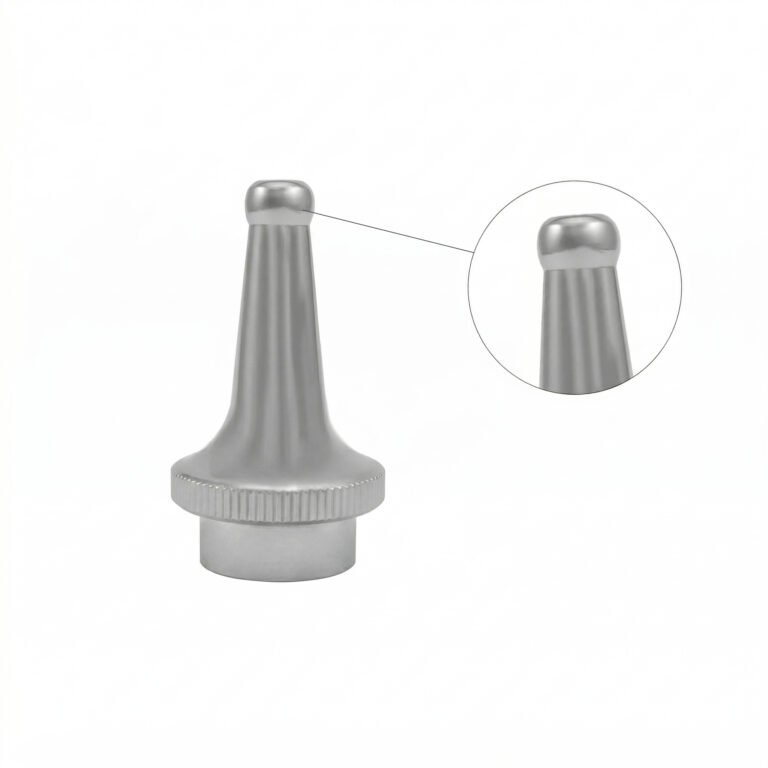
Bruenings Ear Specula | NJ Medical Instruments
In stock
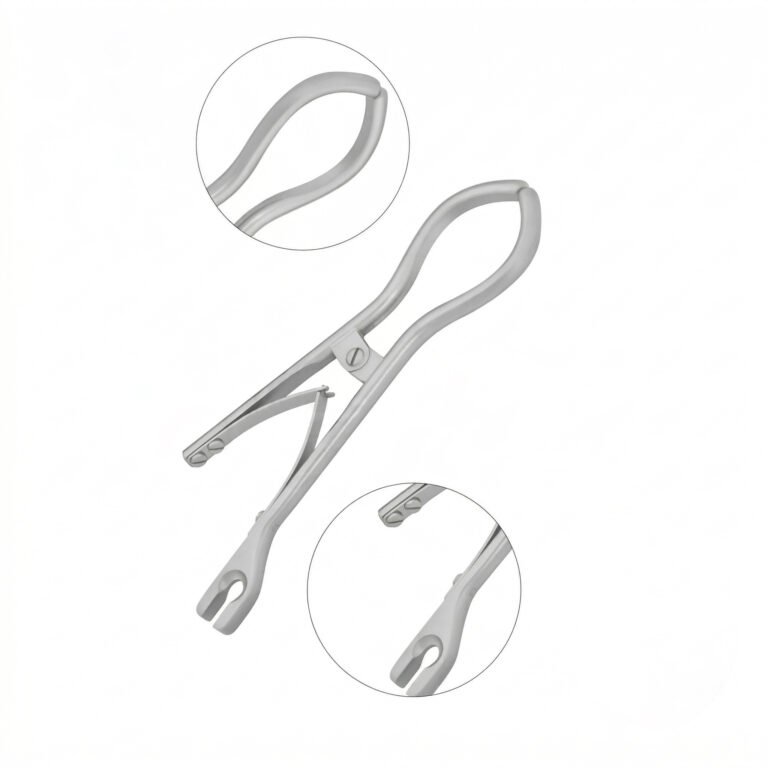
Ear Speculum Clamp for Flexible Holding Arm | NJ Medical Instruments
In stock
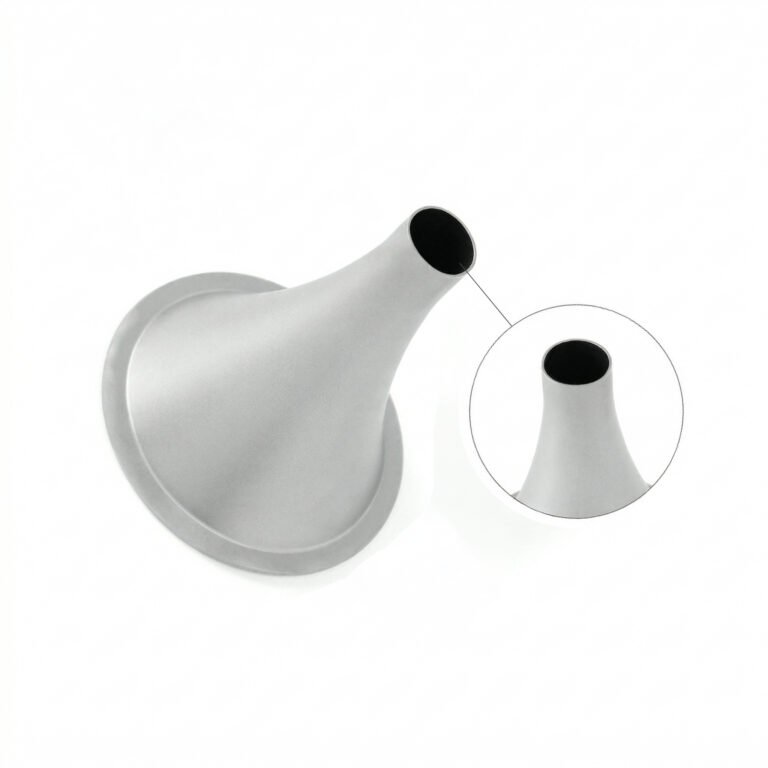
Farrior Ear Speculum | NJ Medical Instruments
In stock
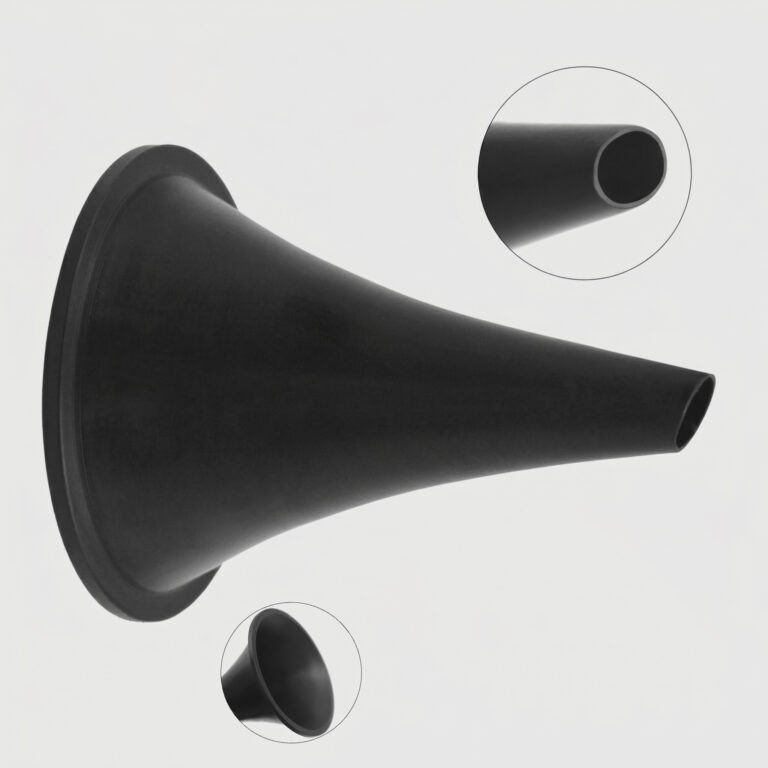
Farrior Ear Speculum Oval Black | NJ Medical Instruments
In stock
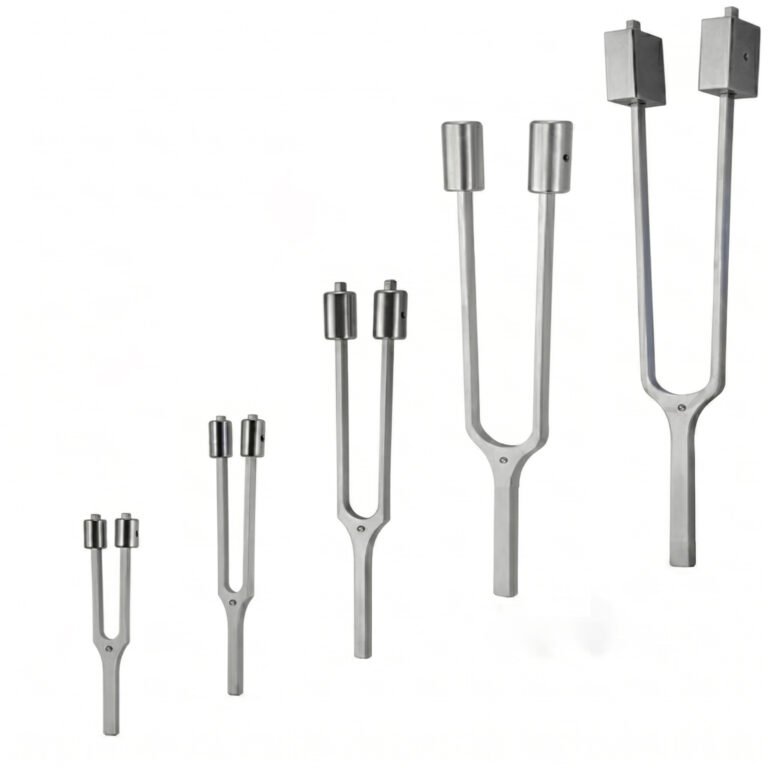
Hartmann (French) Tuning Fork, Stainless Steel | NJ Medical Instruments
In stock
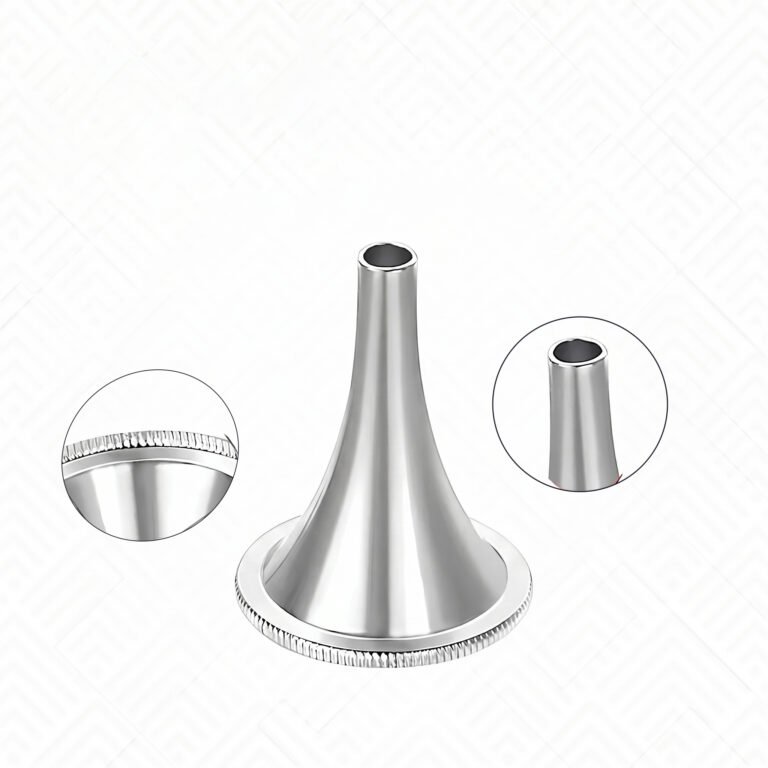
Hartmann Ear Specula | NJ Medical Instruments
In stock
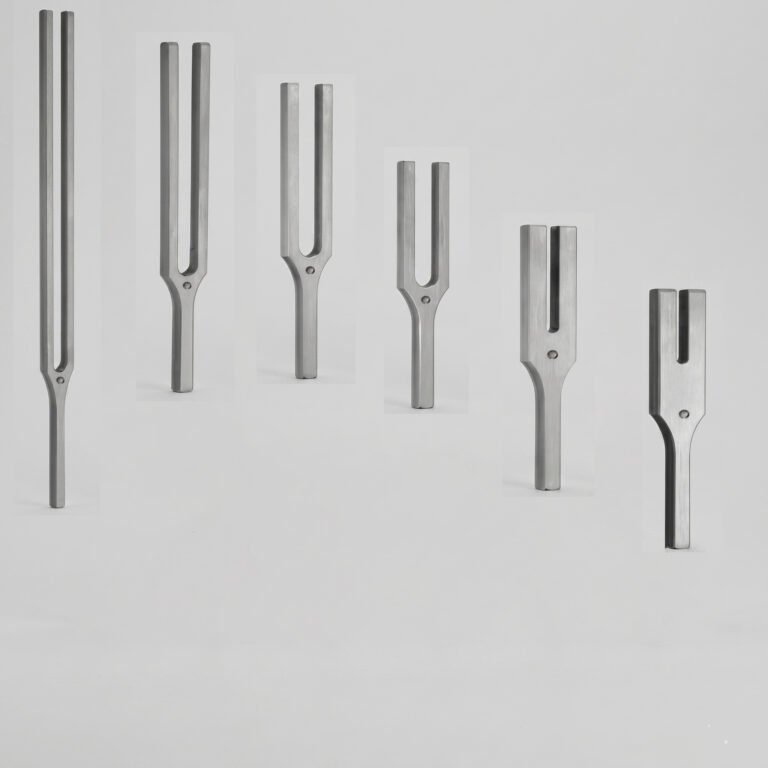
Hartmann Tuning Fork | NJ Medical Instruments
In stock
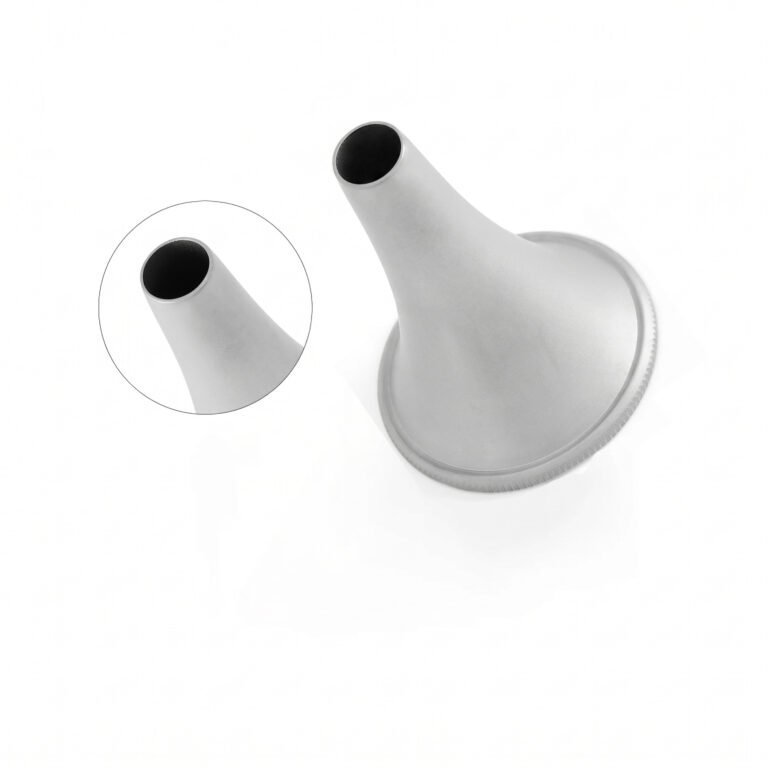
Politzer Ear Specula for Infants | NJ Medical Instruments
In stock
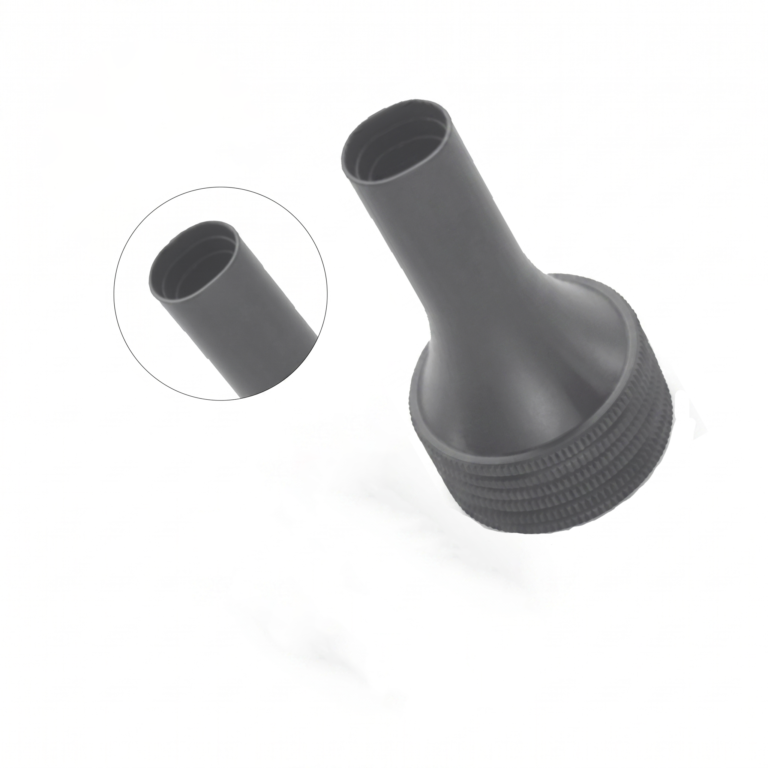
Zoellner Ear Speculum Light Metal Black Anodized | NJ Medical Instruments
In stock
Ear Specula & Tuning Forks: The Two Halves of an Ear Examination
Ear specula and tuning forks answer two different questions about the same ear: what does it look like, and how well does it hear. A speculum opens and straightens the canal so the eardrum can be seen; a tuning fork tests whether sound is reaching the inner ear normally and, if not, where the problem lies. Neither substitutes for the other — a drum can look entirely normal on otoscopy while hearing is reduced, and hearing can be intact while the canal is occluded. They are grouped together because a complete ear examination uses both, usually within the same minute. NJ Medical Instruments manufactures both in surgical-grade stainless steel, supplied worldwide direct from the factory for individual purchase and for bulk, wholesale, and OEM/private-label supply.
Ear specula: size is the whole decision
An aural speculum is a simple funnel, and almost everything about using one comes down to choosing the right size. The ear canal is not straight, so the speculum both widens it and helps align the view toward the drum. Too small and the view is restricted to a keyhole, with the canal wall obscuring the periphery of the drum. Too large and it will not seat comfortably, pressing on the bony canal wall which is sensitive and thinly covered. Specula are therefore supplied in graded sets rather than singly — the correct size varies between adult and child, and between one ear and the other in the same patient.
Reusable stainless steel specula have a practical advantage over disposables beyond cost: the polished internal surface reflects light down the canal rather than absorbing it, so the field is brighter for the same illumination.
Tuning forks: why 512 Hz is the standard
Tuning forks are specified by frequency, and the choice is not arbitrary. 512 Hz is the accepted standard for hearing assessment because it sits at the balance point between two competing problems: lower frequencies such as 128 Hz and 256 Hz produce a strong tactile vibration that the patient can feel rather than hear, which confuses the result, while higher frequencies decay too quickly to complete the test. 128 Hz forks remain in use, but for testing vibration sense in neurological examination rather than for hearing.
Forks are used for the Rinne and Weber tests, which compare air conduction against bone conduction and assess whether any loss is lateralising to one side. The results guide whether a hearing problem is conductive or sensorineural, which determines what is investigated next.
Which instrument do you need?
| Item | Specification | Used for |
|---|---|---|
| Aural speculum, small | Narrow funnel | Children and narrow canals |
| Aural speculum, medium | Standard funnel | Routine adult examination |
| Aural speculum, large | Wide funnel | Wider canals, instrument access |
| Speculum set (graded) | Range of sizes | Matching size to each patient |
| Tuning fork 512 Hz | Standard pitch | Rinne and Weber hearing tests |
| Tuning fork 256 Hz | Lower pitch | Alternative hearing assessment |
| Tuning fork 128 Hz | Low pitch, strong vibration | Testing vibration sense |
| Fork with weighted ends | Longer sustain | Extended tone during testing |
Explore related ENT instruments
- Otoscopes — used together with specula
- All ENT Diagnostic Instruments and ENT Complete Sets
- Ear Forceps and Ear Instruments
- ENT Instrument Sets
All manufactured in surgical-grade stainless steel to international standards, reusable and autoclavable, with worldwide shipping.
Bulk, wholesale & OEM supply
As a direct manufacturer, NJ Medical Instruments supplies aural specula and tuning forks in bulk and wholesale quantities to hospitals, ENT clinics, medical schools, and distributors. Because specula are used at every consultation and are supplied in graded sets, they are commonly ordered in volume, and tuning forks are a standard teaching-institution purchase. OEM and private-label production with custom laser marking is available. Contact us by email at info@njmedicalinstruments.com or by WhatsApp for volume pricing — no minimum-order barriers, no middlemen.
Frequently asked questions
What is an ear speculum used for?
An aural speculum widens and helps align the ear canal so the eardrum can be seen clearly, and provides a working channel for instruments. It is used with an otoscope or under microscopic view.
What size ear speculum should be used?
The largest size that seats comfortably. Too small restricts the view to a keyhole with the canal wall obscuring the periphery of the drum; too large presses on the sensitive bony canal wall. Sizes vary between adults and children and even between a patient's two ears, which is why specula are supplied in graded sets.
Why are metal ear specula preferred over disposable ones?
Beyond being reusable and autoclavable, a polished stainless steel interior reflects light down the canal rather than absorbing it, so the field is brighter for the same illumination.
What frequency tuning fork is used for hearing tests?
512 Hz is the accepted standard. Lower frequencies such as 128 Hz produce a tactile vibration the patient feels rather than hears, which confuses the result, while higher frequencies decay too quickly to complete the test.
What is a 128 Hz tuning fork used for?
A 128 Hz fork is used mainly to test vibration sense in neurological examination, not for hearing assessment, because its strong tactile vibration is exactly what makes it unsuitable for the Rinne and Weber tests.
Do you supply specula and tuning forks in bulk or for OEM / private label?
Yes. We supply aural specula in graded sets and tuning forks in bulk and wholesale quantities to hospitals, clinics, and medical schools, and offer OEM or private-label production with custom laser marking. Contact us by email or WhatsApp for volume pricing.