


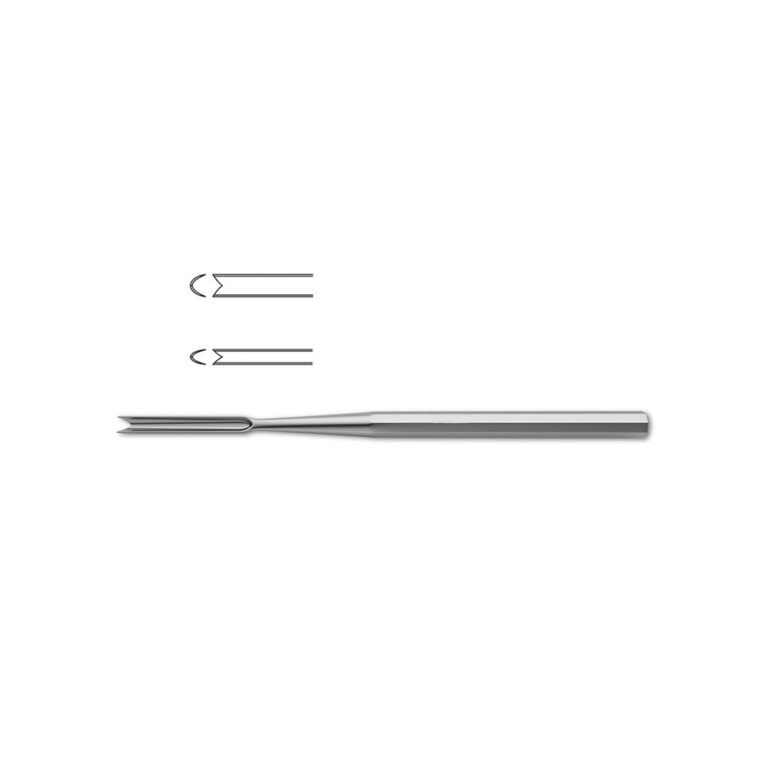
Ballenger Septum Chisel v-Shaped Edge | NJ Medical Instruments
In stock
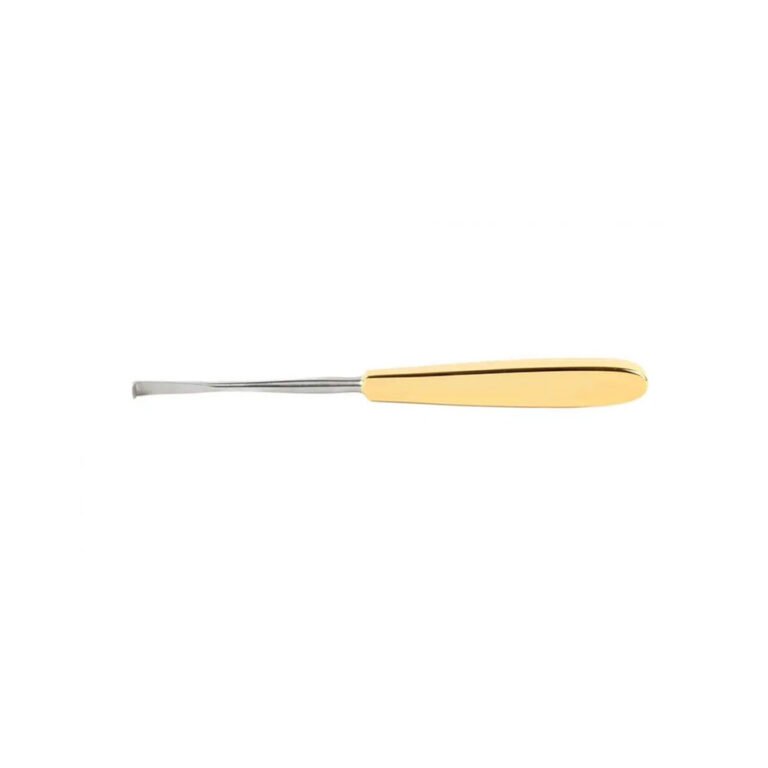
Cakir Nasal Chisel 90 Degree | NJ Medical Instruments
In stock
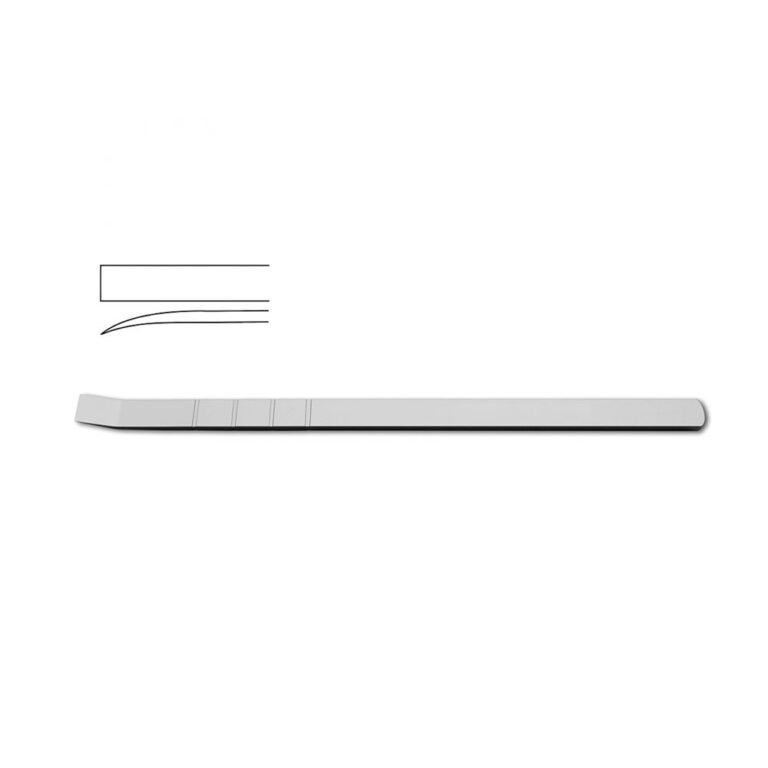
Cottle Chisel – Curved w/ depth markings | NJ Medical Instruments
In stock
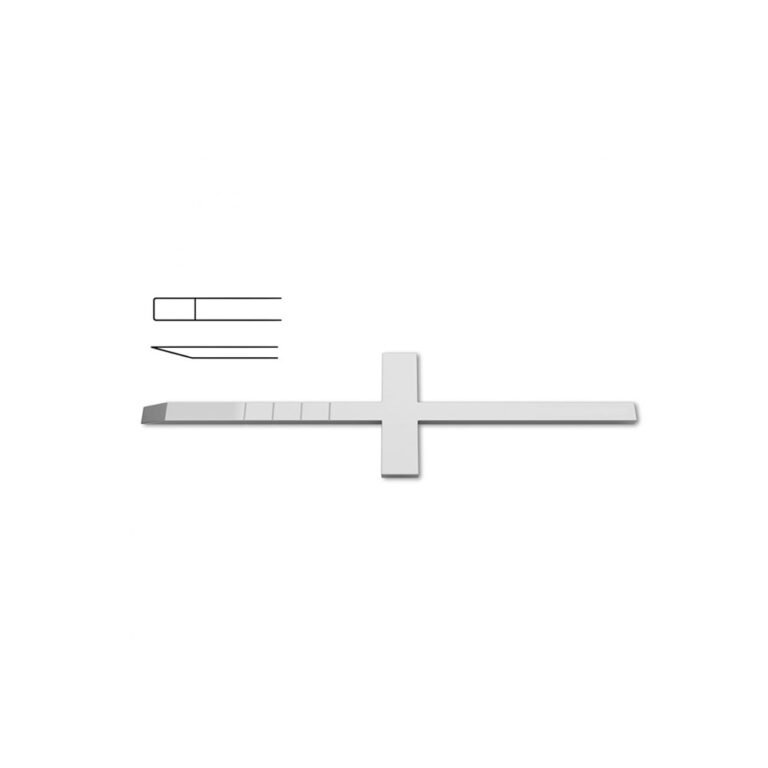
Cottle T-Shaped Chisel – Cross Bar Graduated | NJ Medical Instruments
In stock
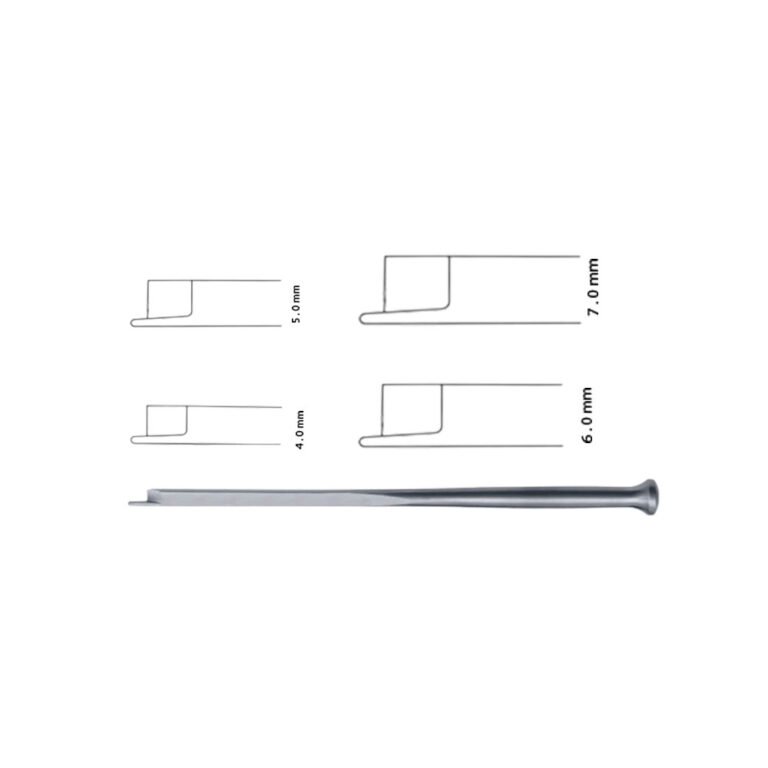
Fomon Bone Chisel Guarded point | NJ Medical Instruments
In stock
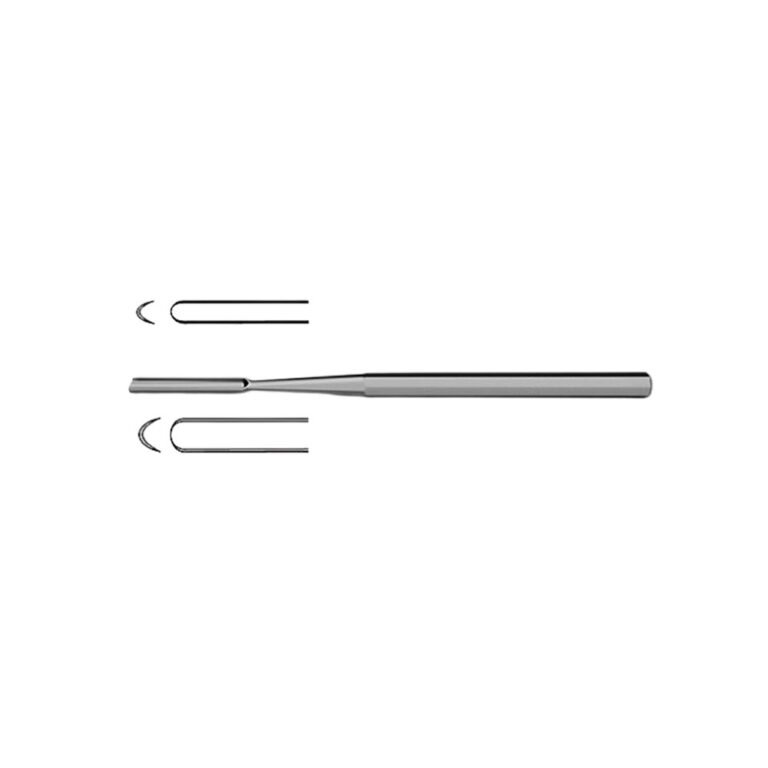
Freer Septum Chisel & Gouge – Straight | NJ Medical Instruments
In stock
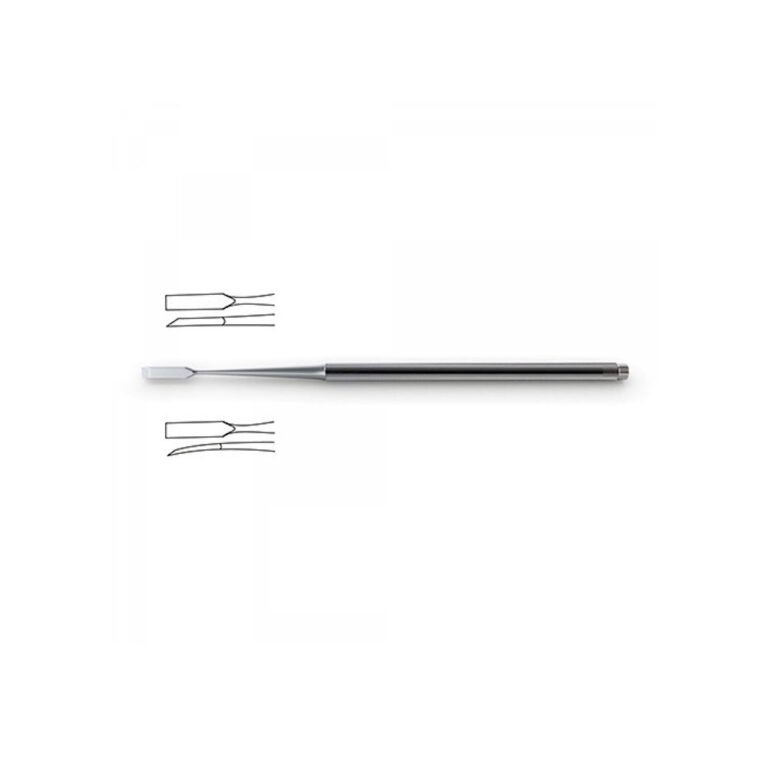
Freer Septum Chisel | NJ Medical Instruments
In stock
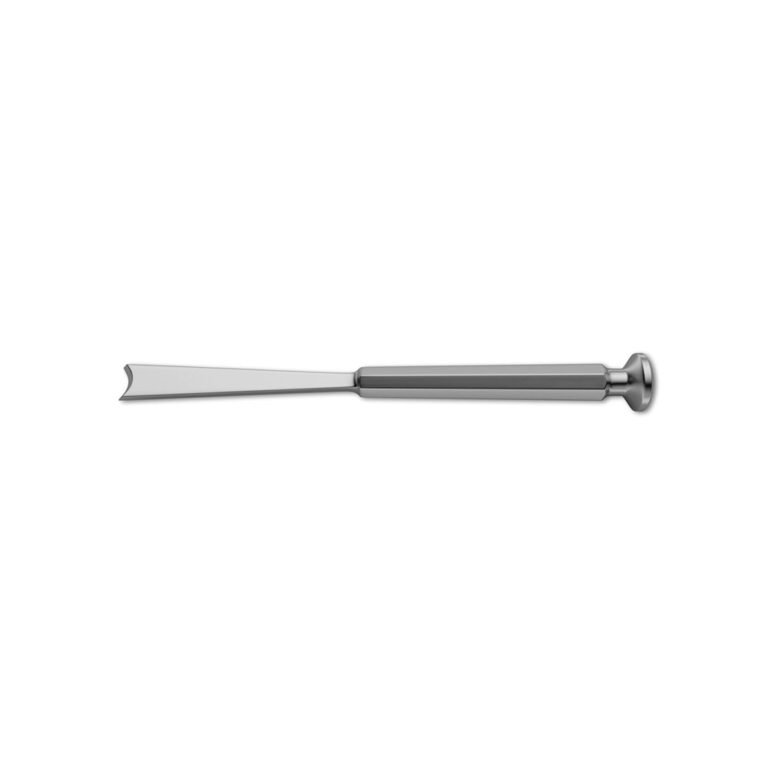
McIndoe Chisel – Mushroom Head
In stock
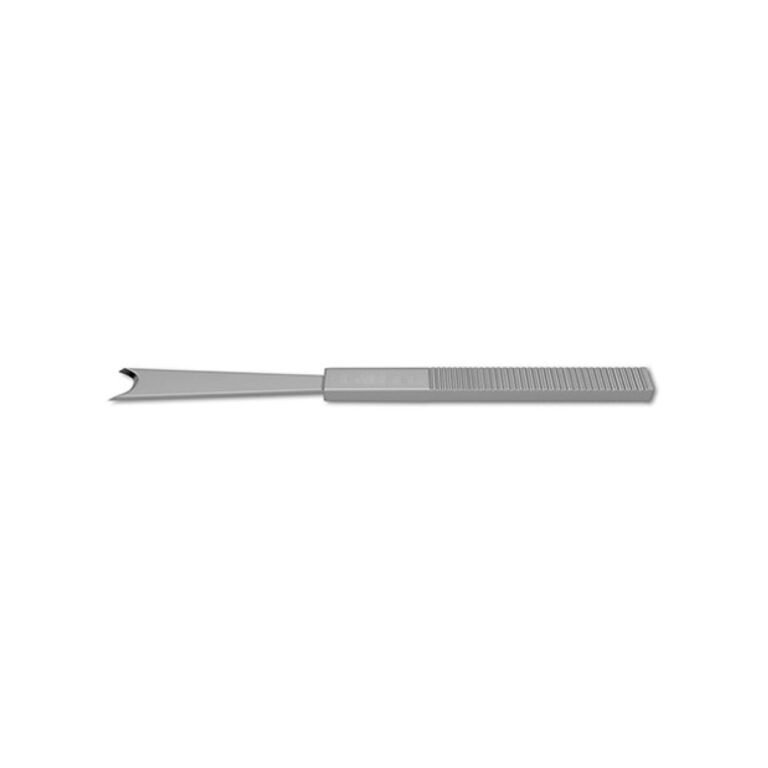
McIndoe Nasal Chisel | NJ Medical Instruments
In stock
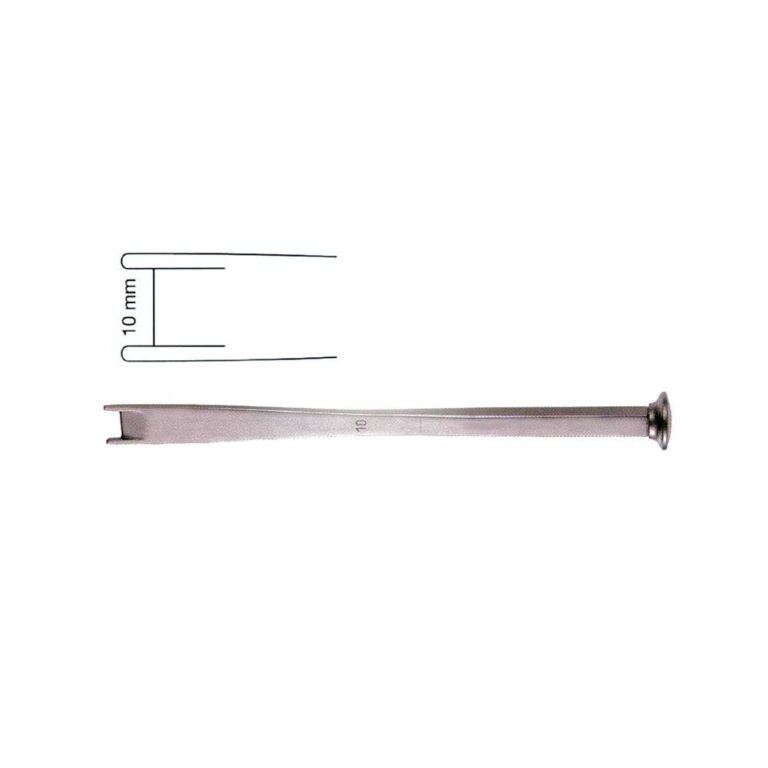
Moberg chisel – Stainless Steel | NJ Medical Instruments
In stock
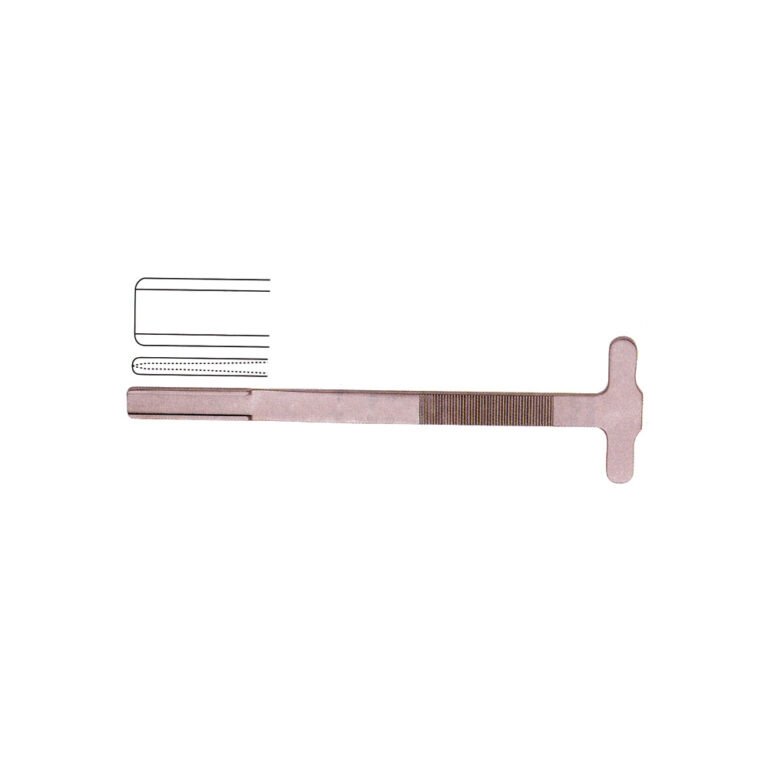
Rubin Edged Bone Chisel T-Shaped | NJ Medical Instruments
In stock
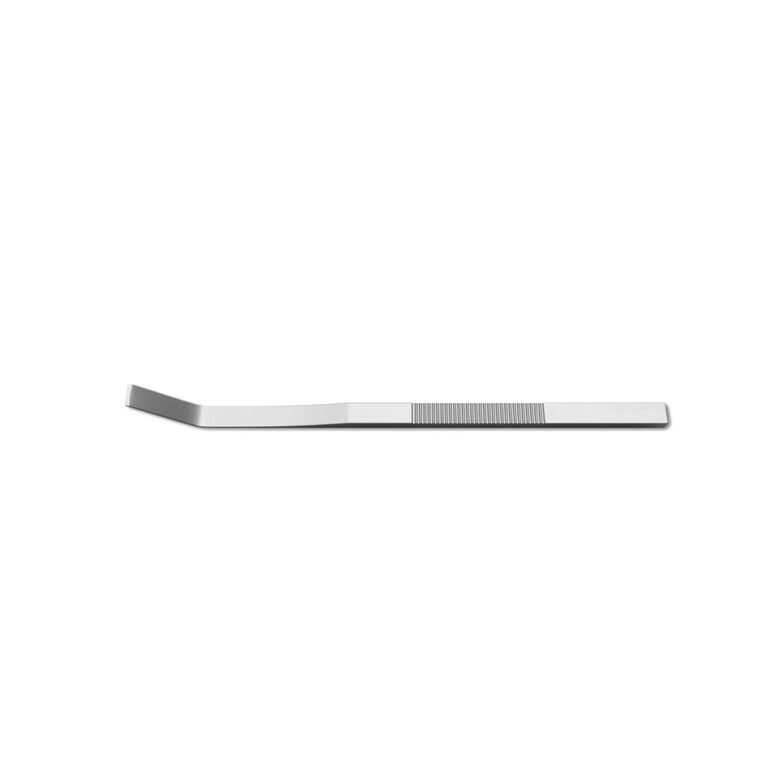
Sheen Acute Angle Radix Chisel | NJ Medical Instruments
In stock
Surgical Chisels: Single-Bevel Cutting for Shaping Bone
A chisel is bevelled on one side only, and that single detail governs everything about how it behaves in bone. Because one face is flat and the other angled, the instrument is deflected away from the flat side as it advances — so a chisel does not drive straight through bone the way a double-bevelled osteotome does. It pares, shaves, and lifts material off a surface instead. That is exactly what you want when taking down a nasal hump layer by layer or smoothing a bony prominence, and exactly what you do not want when making a controlled through-cut. NJ Medical Instruments manufactures the full range in surgical-grade stainless steel, including guarded and mushroom-head patterns, supplied worldwide direct from the factory for individual purchase and for bulk, wholesale, and OEM/private-label supply.
Reading the bevel
Orientation is the practical skill. With the flat face against the bone, the chisel skims the surface and removes a thin layer. With the bevel against the bone, the instrument bites downward into it. Surgeons use both deliberately — the first for finishing a surface, the second for starting a cut — and a chisel used in the wrong orientation either skates uselessly or digs deeper than intended.
Guarded and mushroom-head patterns
Guarded chisels carry a protective flange beside the cutting edge, shielding overlying soft tissue and mucosa during nasal and maxillofacial work while helping keep the instrument on its intended line.
Mushroom-head chisels have a broad domed striking head rather than a flat one. The wider surface takes the mallet blow over a larger area, spreading the force more evenly, reducing glancing strikes, and giving better control of how far the edge advances with each tap.
Which chisel do you need?
| Pattern | Feature | Best for |
|---|---|---|
| Straight chisel | Flat single bevel | Paring flat bone surfaces |
| Curved chisel | Curved cutting edge | Following contoured surfaces |
| Guarded chisel | Protective flange | Protecting soft tissue and mucosa |
| Mushroom-head chisel | Broad domed striking head | Even force transfer, better control |
| Septum chisel (Ballenger type) | Fine straight blade | Septal cartilage and bone |
| Bone gouge | Curved trough blade | Scooping bone and harvesting graft |
Explore related plastic surgery instruments
- Osteotomes — double-bevelled, for through-cuts
- Mallets & Cartilage Instruments — used with every chisel
- Rasps and Files for refining after cutting
- All Plastic Surgery Instruments
All manufactured in surgical-grade stainless steel to international standards, reusable and autoclavable, with worldwide shipping.
Bulk, wholesale & OEM supply
As a direct manufacturer, NJ Medical Instruments supplies surgical chisels in bulk and wholesale quantities to hospitals, aesthetic and maxillofacial clinics, and distributors, and produces OEM / private-label instruments to custom specifications and laser marking. Contact us by email at info@njmedicalinstruments.com or by WhatsApp for volume pricing — no minimum-order barriers, no middlemen.
Frequently asked questions
What is the difference between a chisel and an osteotome?
A chisel is bevelled on one side only, so it is deflected by its flat face and pares or shaves bone from a surface. An osteotome is bevelled on both sides, so force splits evenly and it travels in the direction it is aimed, making it the instrument for controlled through-cuts.
Which way should a chisel face against the bone?
Flat face against the bone skims the surface and removes a thin layer, used for finishing. Bevel against the bone bites downward into it, used to start a cut. Both are deliberate, and orientation determines the result.
What is a mushroom head chisel?
A mushroom head chisel has a broad, domed striking head instead of a flat one. The wider head spreads the mallet blow over a larger area, transmitting force more evenly, reducing glancing strikes, and giving better control of each tap.
What is a guarded chisel used for?
A guarded chisel has a protective flange next to the cutting edge that shields overlying soft tissue and mucosa during nasal and maxillofacial work, and helps keep the instrument on its intended cutting line.
Are surgical chisels reusable?
Yes. Our chisels are made from surgical-grade stainless steel, are fully reusable, and withstand repeated autoclave sterilisation. Cutting edges should be inspected regularly, as a blunt chisel crushes bone rather than cutting it.
Do you supply chisels in bulk or for OEM / private label?
Yes. As a direct manufacturer we supply surgical chisels in bulk and wholesale quantities and offer OEM / private-label production to custom specifications. Contact us by email or WhatsApp for volume pricing.