


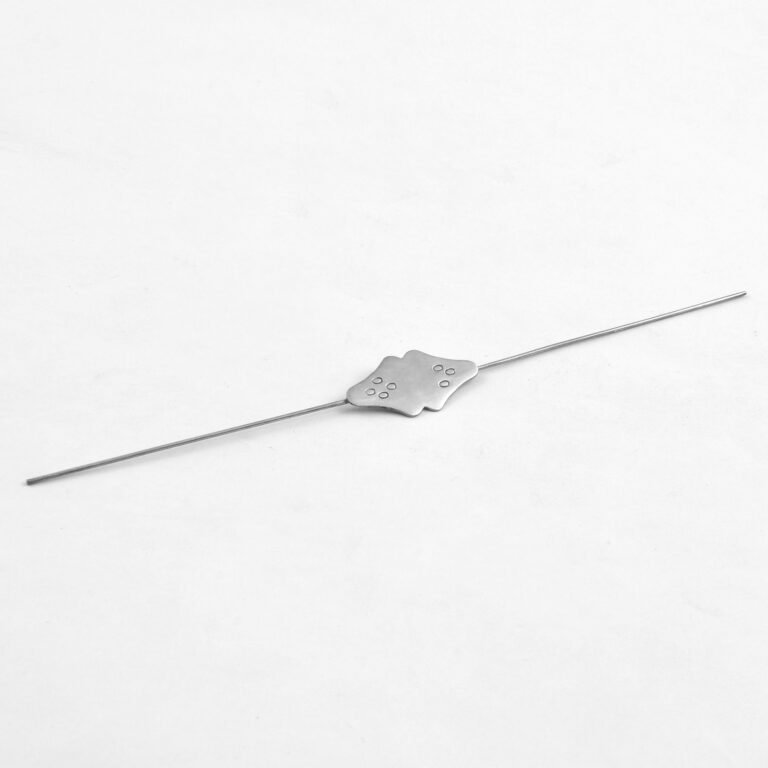
Bowman lacrimal Probe Fig 0000/000 | NJ Medical Instruments
In stock
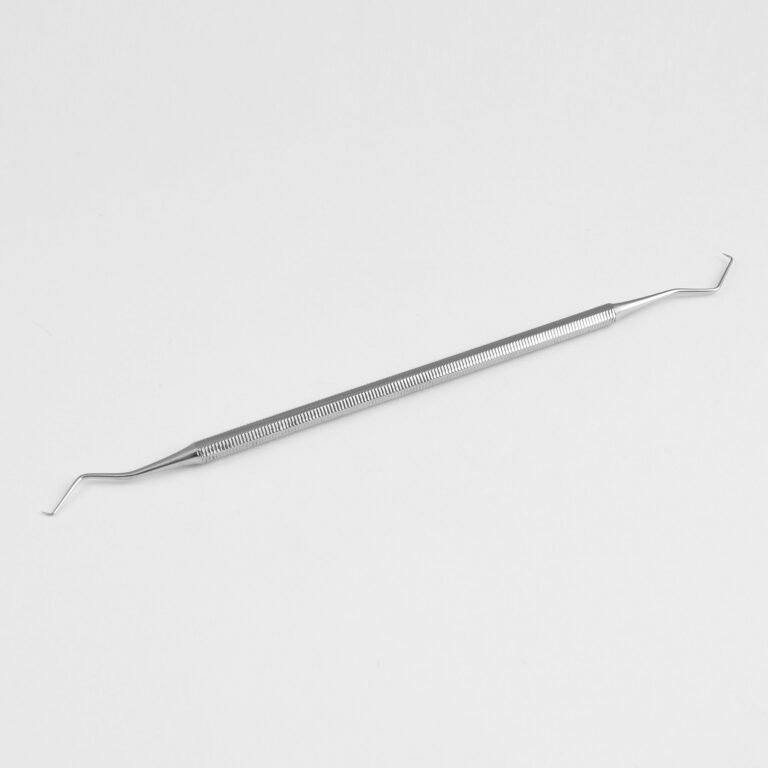
Fig. 11, Probes And Explorers | NJ Medical Instruments
In stock
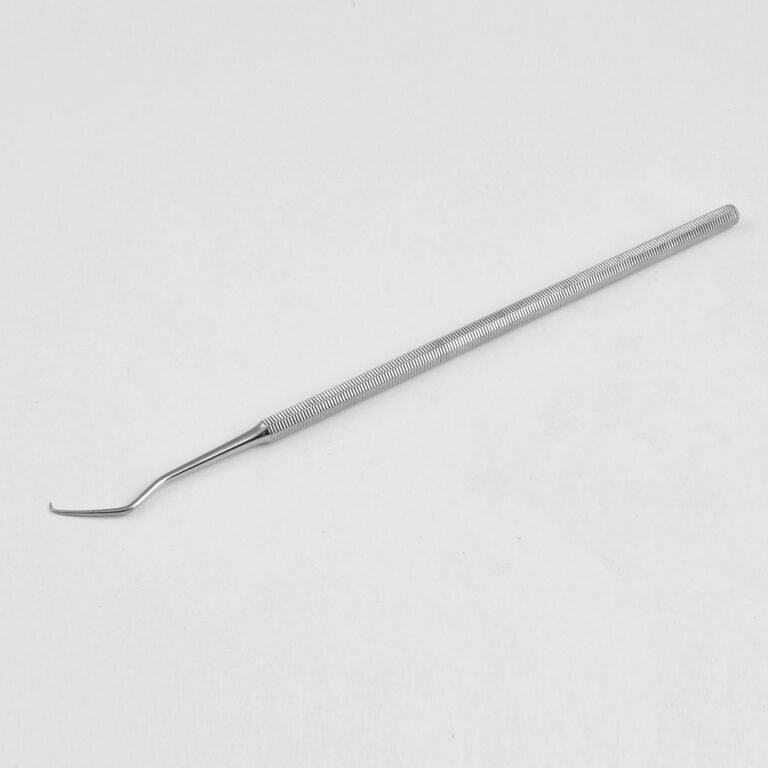
Fig. 17 White, Probes and Explorers | NJ Medical Instruments
In stock
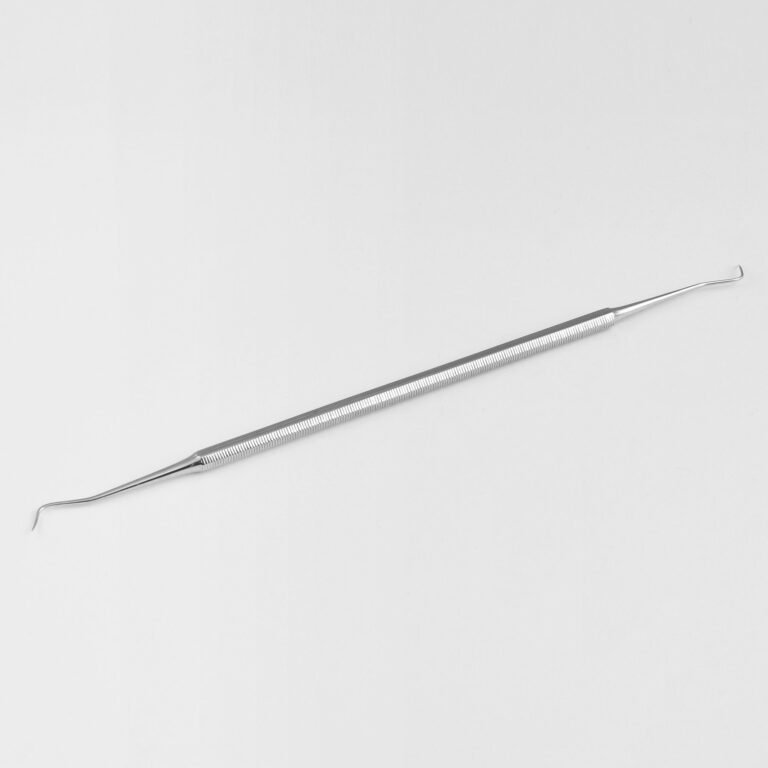
Fig. 2, Probes And Explorers | NJ Medical Instruments
In stock
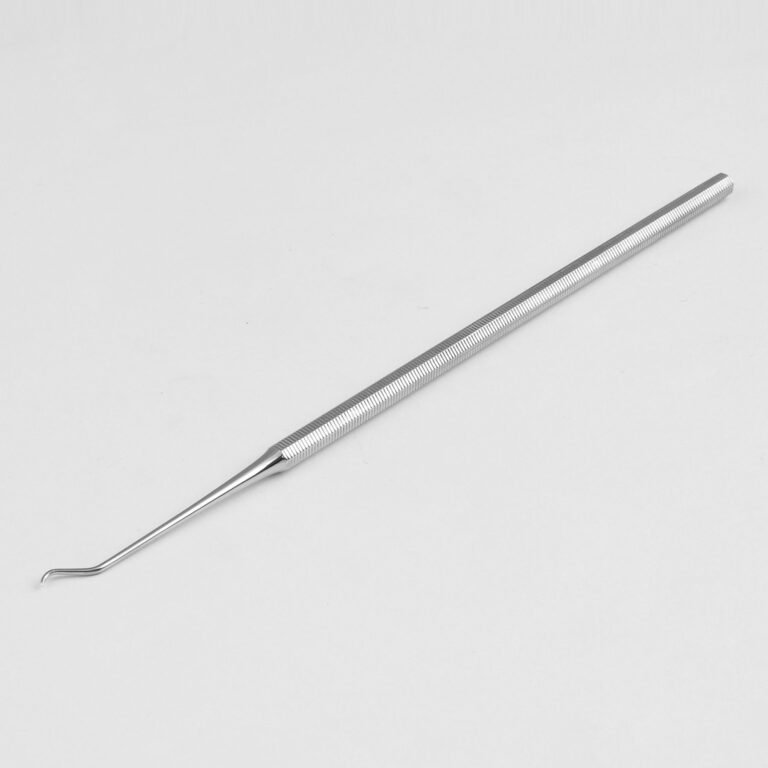
Fig. 22 White, Probes And Explorers | NJ Medical Instruments
In stock
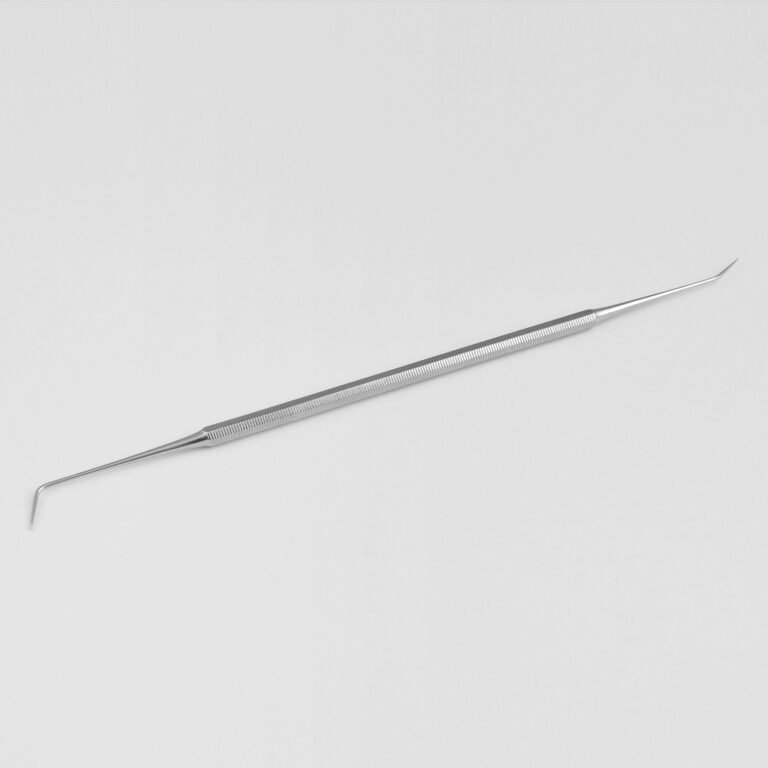
Fig. 39 Whit, Probes And Explorers | NJ Medical Instruments
In stock
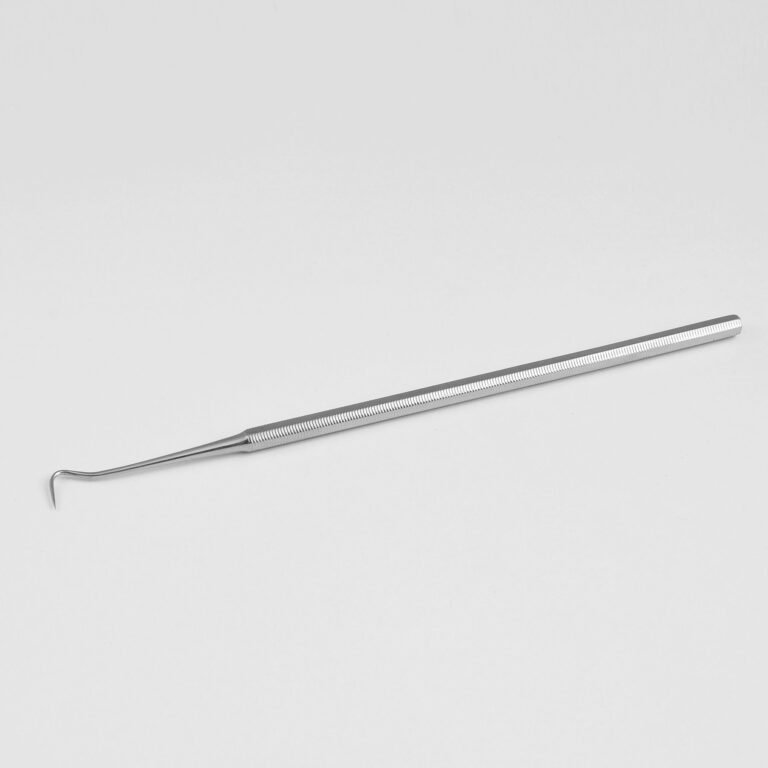
Fig. 40 White, Probes And Explorers | NJ Medical Instruments
In stock
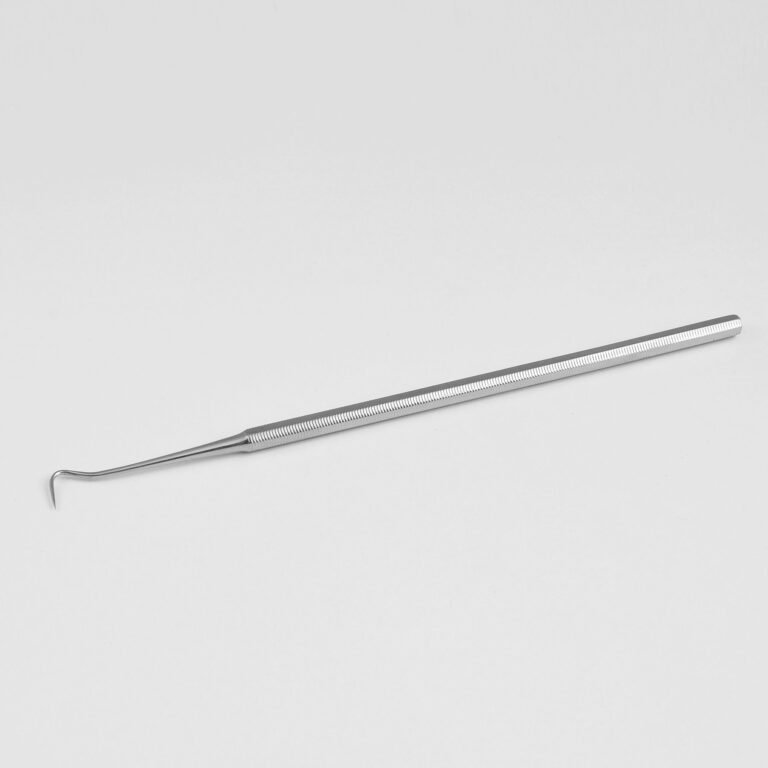
Fig. 42 White, Probes And Explorers | NJ Medical Instruments
In stock
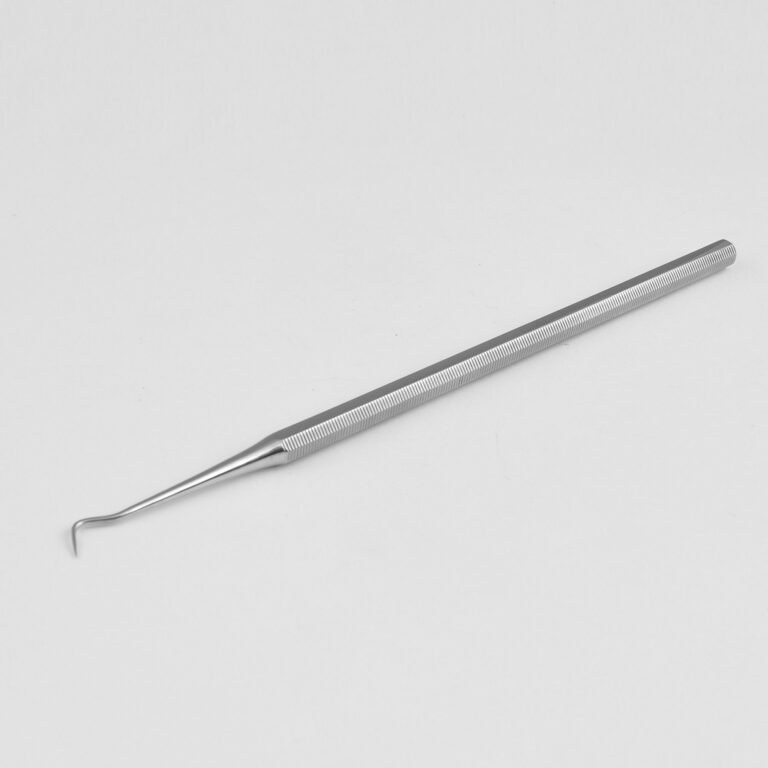
Fig. 43 White, Probes And Explorers | NJ Medical Instruments
In stock
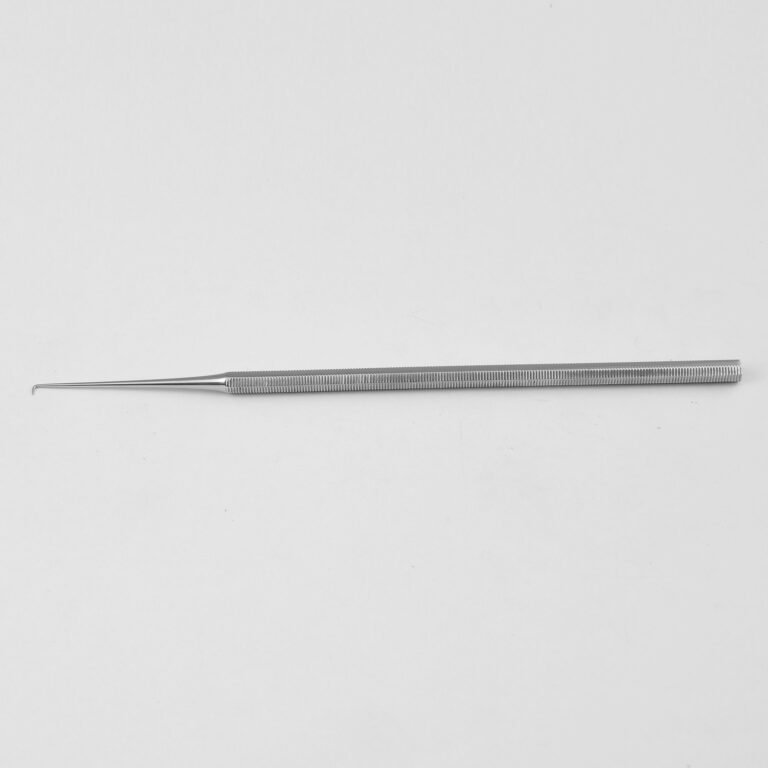
Fig. 7 White, Probes And Explorers | NJ Medical Instruments
In stock
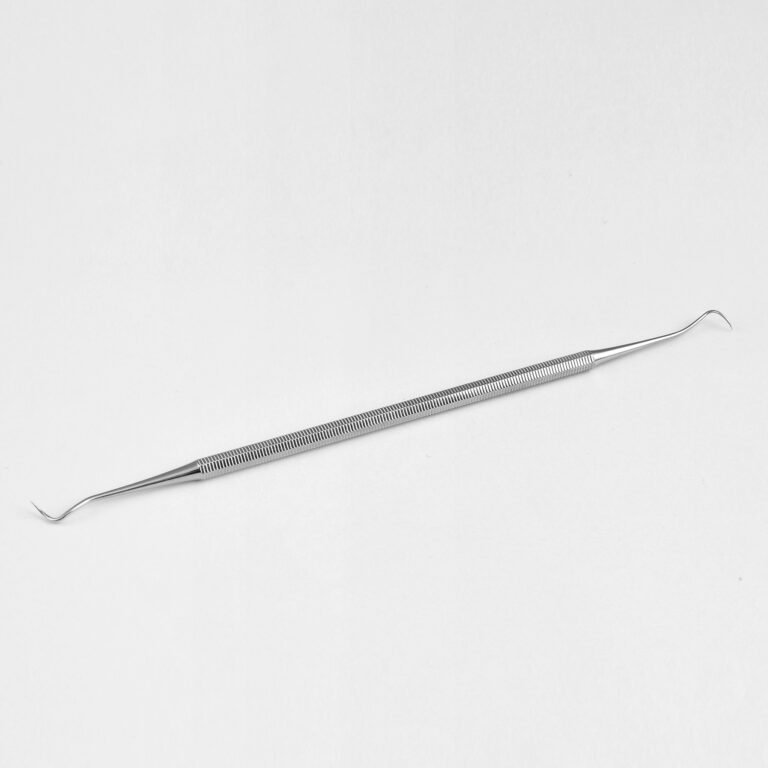
Fig. 9, Probes And Explorers | NJ Medical Instruments
In stock
Surgical Probes & Explorers: Finding the Track Before Cutting
A probe is a blunt-ended instrument used to explore a wound, sinus, fistula, or duct — following where a track leads without creating a false passage of its own. That blunt tip is the defining feature and the reason the instrument exists in this form: a sharp instrument pushed into an unknown track will simply make its own path through healthy tissue, which is the exact outcome the surgeon is trying to avoid. A probe follows the anatomy instead of overruling it, so the surgeon learns the direction, depth, and branching of a track before committing to an incision. NJ Medical Instruments manufactures the full range in surgical-grade stainless steel, supplied worldwide direct from the factory for individual purchase and for bulk, wholesale, and OEM/private-label supply.
Why probes are malleable
Many surgical probes are made from a softer, bendable stainless steel so the surgeon can shape the instrument to the curve of the track rather than forcing the track to accept a straight instrument. A fistula rarely runs in a straight line, and the ability to introduce a gentle curve is often what allows the probe to pass at all. That same malleability means probes should be re-straightened carefully rather than bent repeatedly at the same point, since repeated flexing at one spot eventually weakens the shaft.
Eyed probes and grooved directors
An eyed probe carries a small hole at one end so a seton, ligature, or thread can be threaded through and drawn along the track — used where the track needs to be marked or held rather than simply examined.
Grooved directors serve a different purpose again: the channel along the shaft guides a scalpel blade, so a track can be laid open along a controlled line with the instrument protecting the tissue beneath.
Explorers in dental use
The word explorer usually refers to the fine, sharp-tipped dental instrument used to detect caries, check restoration margins, and locate calculus by tactile feedback. This is the one exception to the blunt-tip principle, because in dentistry the clinician is examining a hard surface rather than following a soft-tissue track — the fine point is needed to feel a catch in enamel that the eye cannot see.
Which probe do you need?
| Instrument | Tip / feature | Used for |
|---|---|---|
| Blunt probe | Rounded, malleable | Exploring wounds and sinus tracks |
| Eyed probe | Hole at one end | Drawing a seton or ligature through |
| Double-ended probe | Two working ends | Two functions in one instrument |
| Grooved director | Channel along the shaft | Guiding a blade along a track |
| Lacrimal probe | Very fine, graded sizes | Exploring the lacrimal duct |
| Dental explorer | Fine sharp point | Detecting caries and margins by feel |
Explore related instruments
- All Surgical Instruments
- Dissectors and Elevators
- Mouth Mirrors, Scalers, Explorers & Probes
- Curettes, Raspatories & Elevators
All manufactured in surgical-grade stainless steel to international standards, reusable and autoclavable, with worldwide shipping.
Bulk, wholesale & OEM supply
As a direct manufacturer, NJ Medical Instruments supplies surgical probes, directors, and explorers in bulk and wholesale quantities to hospitals, clinics, dental practices, and distributors, and produces OEM / private-label instruments to custom specifications and laser marking. Contact us by email at info@njmedicalinstruments.com or by WhatsApp for volume pricing — no minimum-order barriers, no middlemen.
Frequently asked questions
What is a surgical probe used for?
A surgical probe is used to explore a wound, sinus, fistula, or duct in order to establish its direction, depth, and any branching before an incision is made. It maps the track rather than treating it.
Why do probes have blunt ends?
A blunt tip follows an existing track instead of creating a new one. A sharp instrument pushed into an unknown passage will make its own path through healthy tissue, producing a false passage — precisely the outcome probing is meant to avoid.
Why are surgical probes malleable?
Tracks rarely run in a straight line, so a malleable probe can be shaped to the curve of the passage. This is often what allows the probe to pass at all. The shaft should be re-straightened carefully rather than flexed repeatedly at the same point.
What is an eyed probe used for?
An eyed probe has a small hole at one end so a seton, ligature, or thread can be threaded through and drawn along the track, used where the track needs to be marked or held open rather than only examined.
What is a grooved director?
A grooved director has a channel running along its shaft that guides a scalpel blade, allowing a track to be laid open along a controlled line while the instrument protects the tissue beneath.
Do you supply probes and explorers in bulk or for OEM / private label?
Yes. As a direct manufacturer we supply probes, directors, and explorers in bulk and wholesale quantities and offer OEM or private-label production to custom specifications. Contact us by email or WhatsApp for volume pricing.