


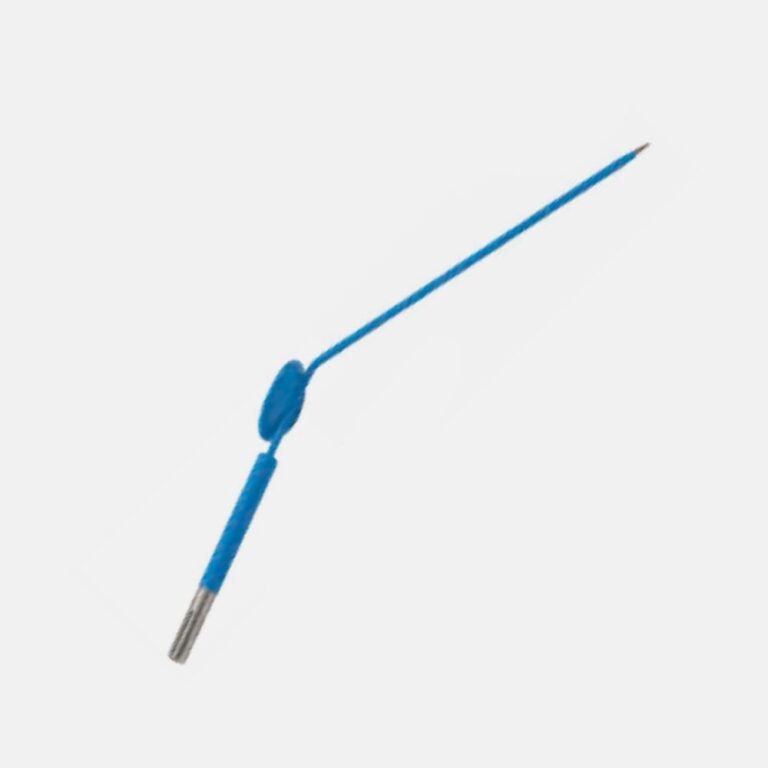
Abbey Sub Needle, 17.5 cm
In stock
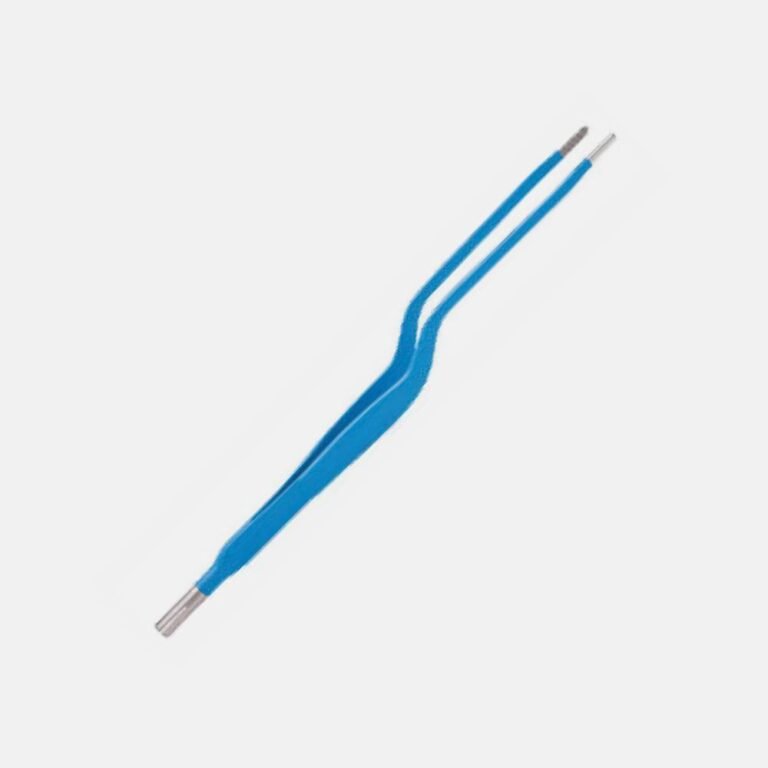
Adson Bayonet | NJ Medical Instruments
In stock
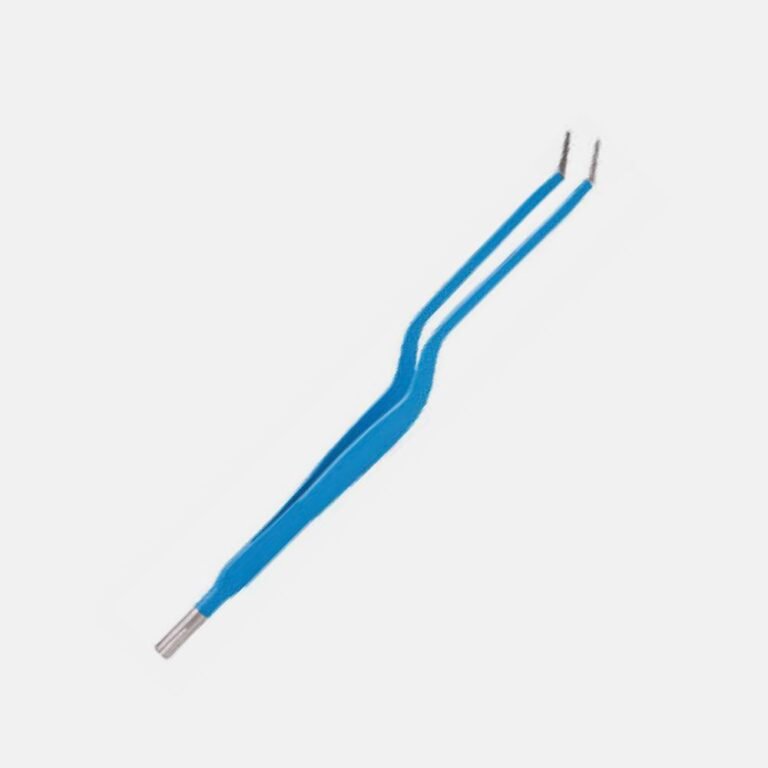
Adson Bayonet Angle Up | NJ Medical Instruments
In stock
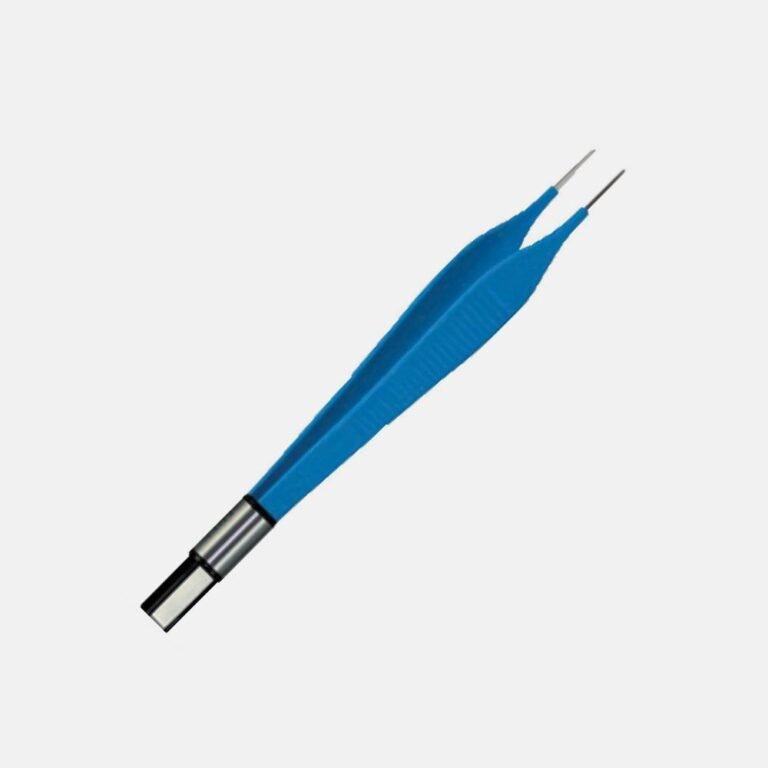
Adson European Bipolar Forceps – 12.1 cm, 0.1 mm Tip
In stock
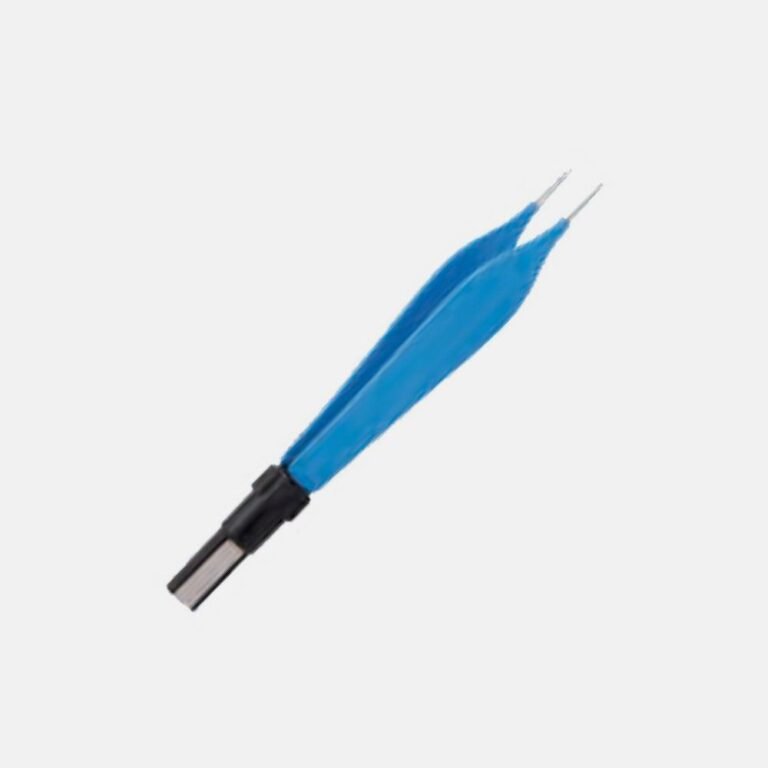
Adson European Bipolar Forceps – 12.1 cm, 1 mm Tip
In stock
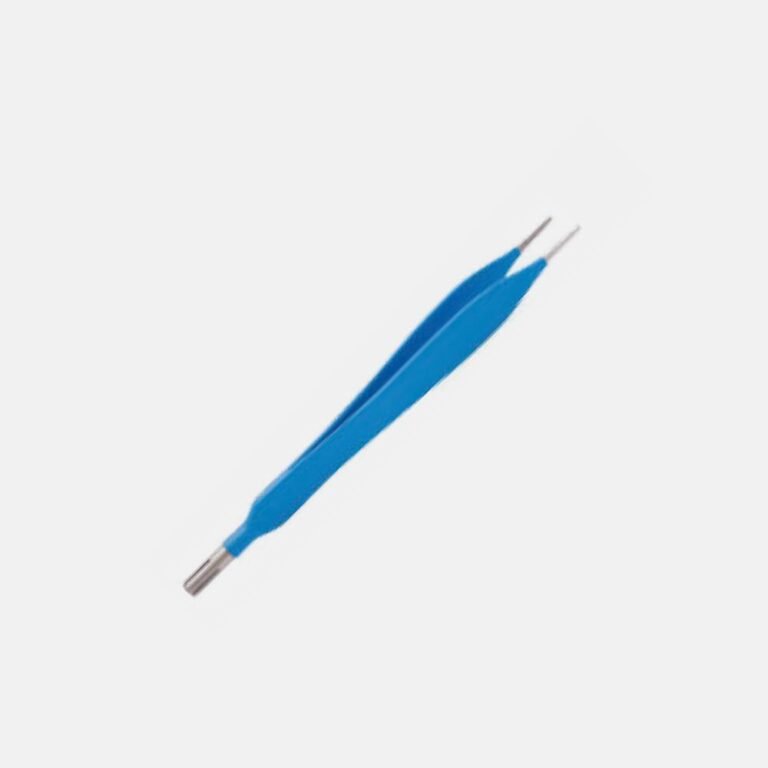
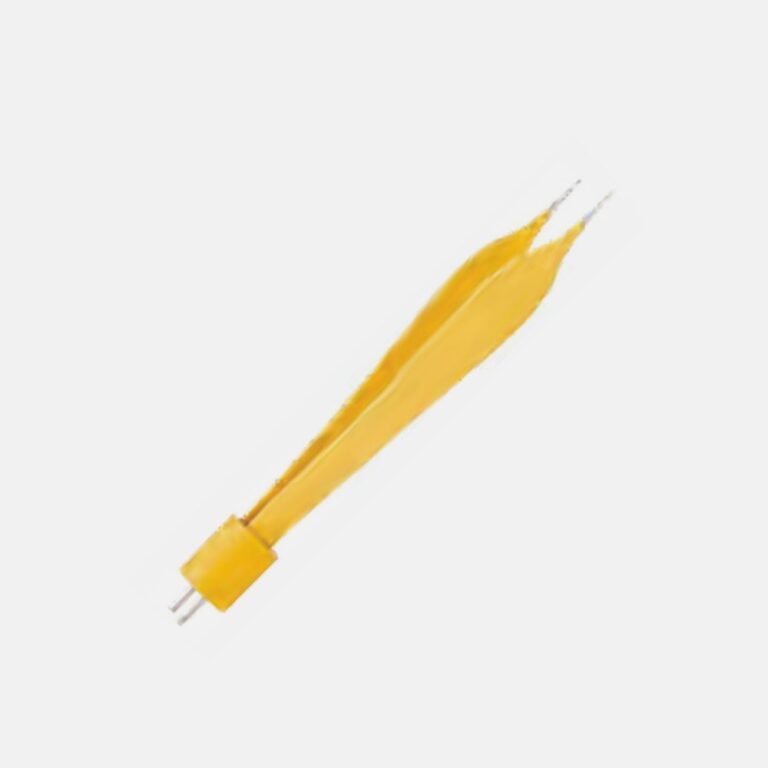
Adson Forceps Single Use USA 2 Pin Bipolar Forceps | NJ Medical Instruments
In stock
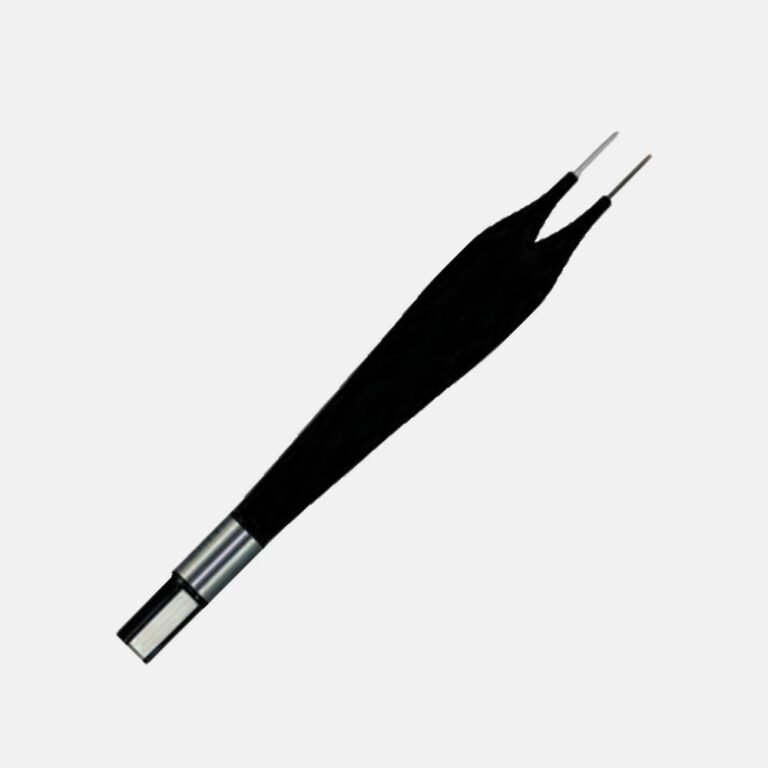
Adson Non-Stick Bipolar Forceps – 12.1 cm, 1 mm Tip
In stock
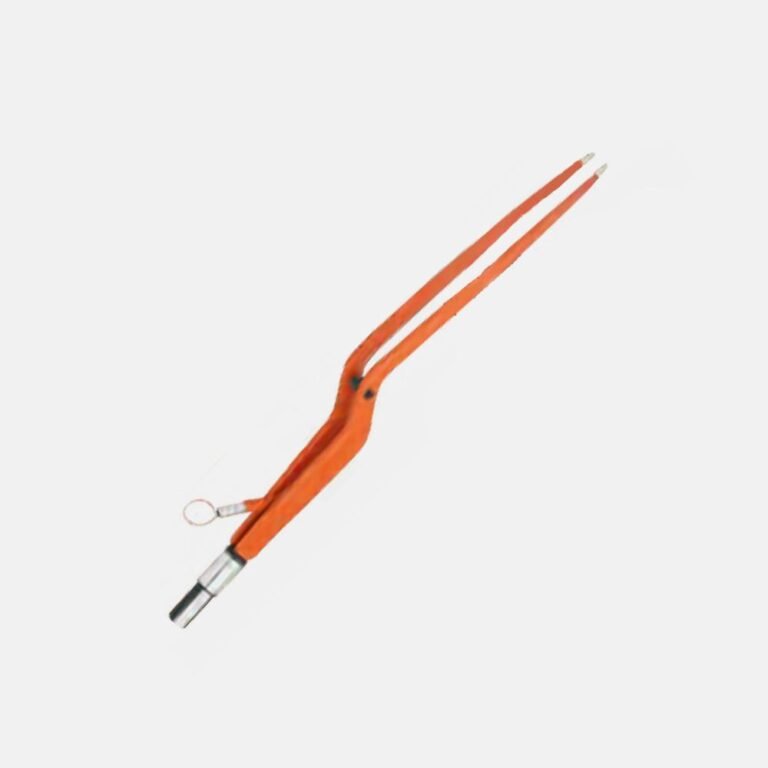
Adson SilverGlide Non-Stick Forceps – 12.1 cm, 1 mm
In stock
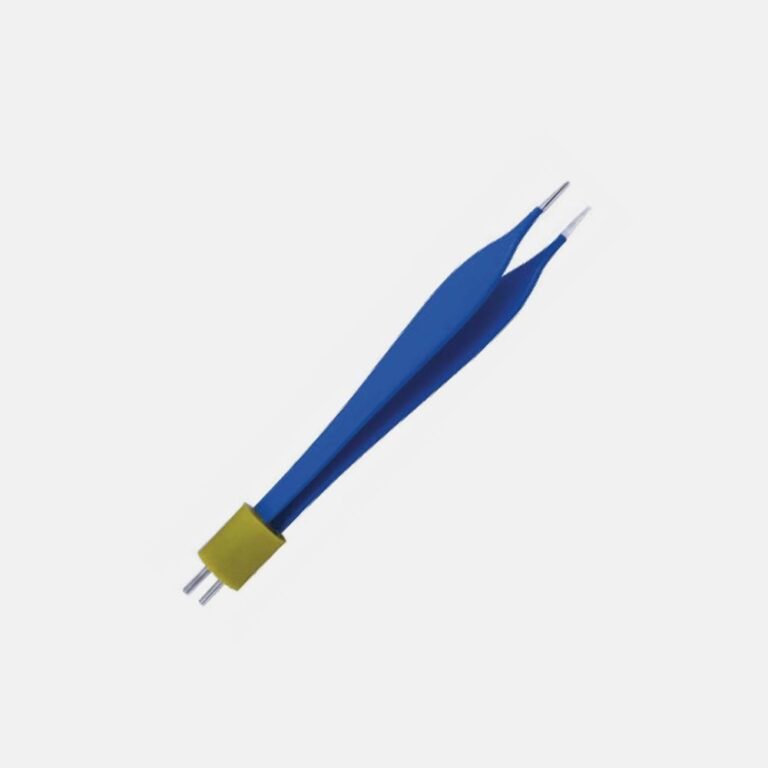
Adson Single-Use USA 2-Pin Forceps – 12.1 cm
In stock
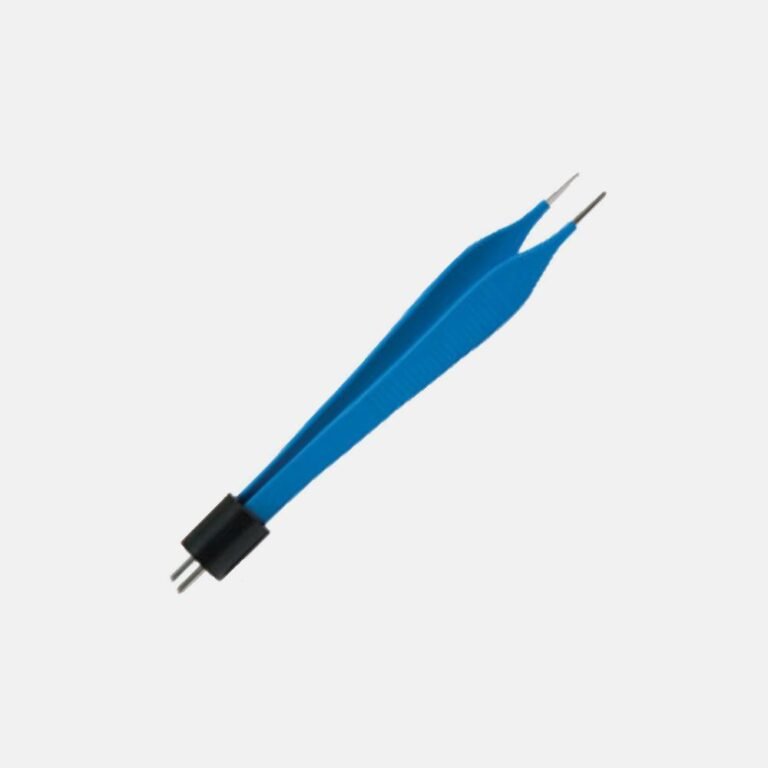
Adson USA 2-Pin Bipolar Forceps – 12.1 cm, 1 mm
In stock
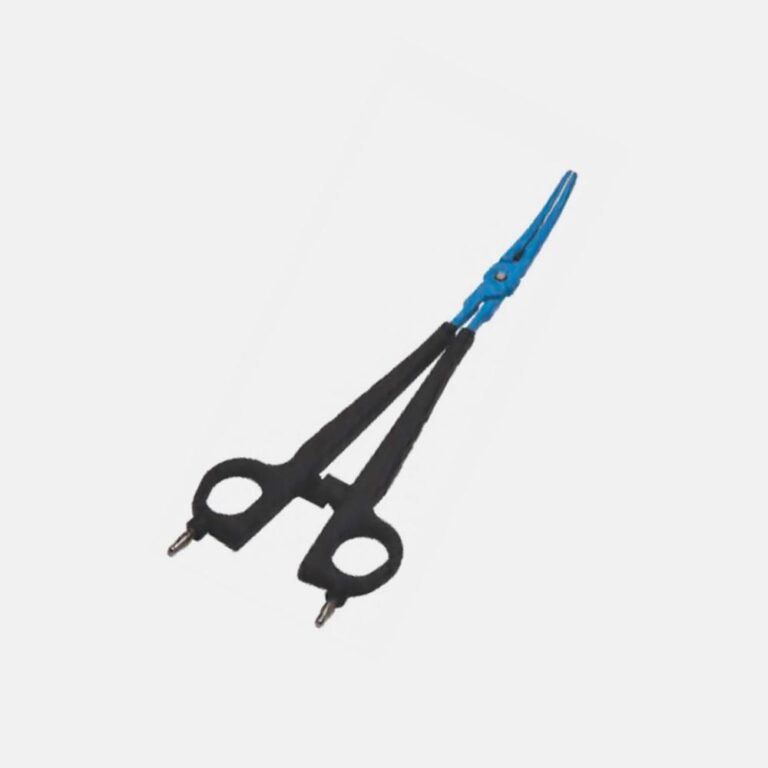
Artery Forceps (Bi-Clamp) | NJ Medical Instruments
In stock
Electrosurgical Instruments: Bipolar Forceps, Electrodes & Accessories
Electrosurgical instruments use high-frequency electrical current to cut tissue and control bleeding (coagulation) during surgery. They divide into two main systems: bipolar, where current passes between the two tips of a forceps for precise, localised coagulation, and monopolar, where current flows from an active electrode through the patient to a return plate. NJ Medical Instruments manufactures the full electrosurgery range — bipolar forceps, cutting and coagulation electrodes, diathermy instruments, cables, and patient return plates — in surgical-grade stainless steel, supplied worldwide direct from the factory for individual purchase and for bulk, wholesale, and OEM/private-label supply.
Bipolar vs monopolar electrosurgery
Bipolar instruments pass current only between the two tips of a forceps, so the effect is confined to the tissue held between them. This precision makes bipolar the safer choice near delicate structures — in neurosurgery, ENT, ophthalmic, and microsurgery — and it needs no patient return plate.
Monopolar instruments deliver current from a single active electrode (a pencil, blade, ball, or loop) through the body to a return plate. They cut and coagulate quickly over larger fields, making them the workhorse for general and gynaecological surgery.
Non-stick bipolar forceps
A common problem with standard bipolar forceps is tissue sticking and char build-up on the tips, which interrupts surgery for cleaning. Non-stick bipolar forceps — including SilverGlide-type patterns — use a specialised tip surface that resists sticking, keeps coagulation consistent, and reduces the need to pause and clean. They are a direct upgrade for any procedure where clean, repeatable coagulation matters.
Which electrosurgical instrument do you need?
| Instrument | System | Primary use |
|---|---|---|
| Bipolar forceps | Bipolar | Precise, localised coagulation |
| Non-stick / SilverGlide forceps | Bipolar | Coagulation without tissue sticking or char |
| Cutting / coagulation electrodes | Monopolar | Cut and coagulate (blade, ball, loop) |
| Conization / loop electrodes | Monopolar | Gynaecological excision (LEEP/LLETZ) |
| Laparoscopic electrodes | Monopolar | Minimally invasive / keyhole surgery |
| Bipolar / monopolar cables | Both | Connect instruments to the generator |
| Patient return plate | Monopolar | Safe current return path |
Shop electrosurgical instruments by type
Browse each range and buy individually, or request bulk pricing:
- European Bipolar Forceps
- European Non-Stick Bipolar Forceps & SilverGlide Non-Stick Bipolar Forceps
- USA 2 Pin Bipolar Forceps & Single-Use USA 2 Pin Bipolar Forceps
- Electrodes (2.4 mm) & Electrodes (4.0 mm)
- Laparoscopic Electrodes & Conization Electrodes
- Electrosurgical Instruments for Gynecology
- Diathermy Instruments & Bipolar Artery Sealer
- Bipolar Cables, Monopolar Cables & Patient Return Plates
All manufactured in surgical-grade stainless steel to international standards, with reusable and single-use options and worldwide shipping.
Bulk, wholesale & OEM supply for electrosurgical instruments
As a direct manufacturer, NJ Medical Instruments supplies electrosurgical instruments in bulk and wholesale quantities to hospitals, surgical centres, and distributors, and produces OEM / private-label bipolar forceps, electrodes, and accessories to custom specifications and laser marking. Contact us by email at info@njmedicalinstruments.com or by WhatsApp for volume pricing — no minimum-order barriers, no middlemen.
Frequently asked questions
What is the difference between bipolar and monopolar electrosurgery?
In bipolar electrosurgery the current passes only between the two tips of a forceps, so the effect stays confined to the tissue held between them and no patient return plate is needed. In monopolar electrosurgery the current flows from a single active electrode through the patient to a return plate, allowing faster cutting and coagulation over larger areas.
What are non-stick bipolar forceps?
Non-stick bipolar forceps, including SilverGlide-type patterns, have a specially treated tip surface that resists tissue sticking and char build-up during coagulation. This keeps the coagulation effect consistent and reduces interruptions to clean the tips.
What are electrosurgical electrodes used for?
Electrosurgical electrodes are the active tips used in monopolar surgery to cut and coagulate tissue. Different shapes — blade, ball, needle, and loop — suit different tasks, from fine cutting to broad coagulation and gynaecological excision.
What is a patient return plate?
A patient return plate, or return electrode, provides a safe, low-resistance path for monopolar current to leave the body and return to the generator, spreading the current over a large area to prevent burns.
Are your bipolar forceps reusable?
We manufacture both reusable and single-use bipolar forceps. Reusable surgical-grade stainless steel forceps withstand repeated autoclave sterilisation, while single-use options suit workflows that require them.
Do you supply electrosurgical instruments in bulk or for OEM / private label?
Yes. As a direct manufacturer we supply all electrosurgical instruments in bulk and wholesale quantities and offer OEM / private-label production of bipolar forceps, electrodes, and accessories to custom specifications. Contact us by email or WhatsApp for volume pricing.