


-33%
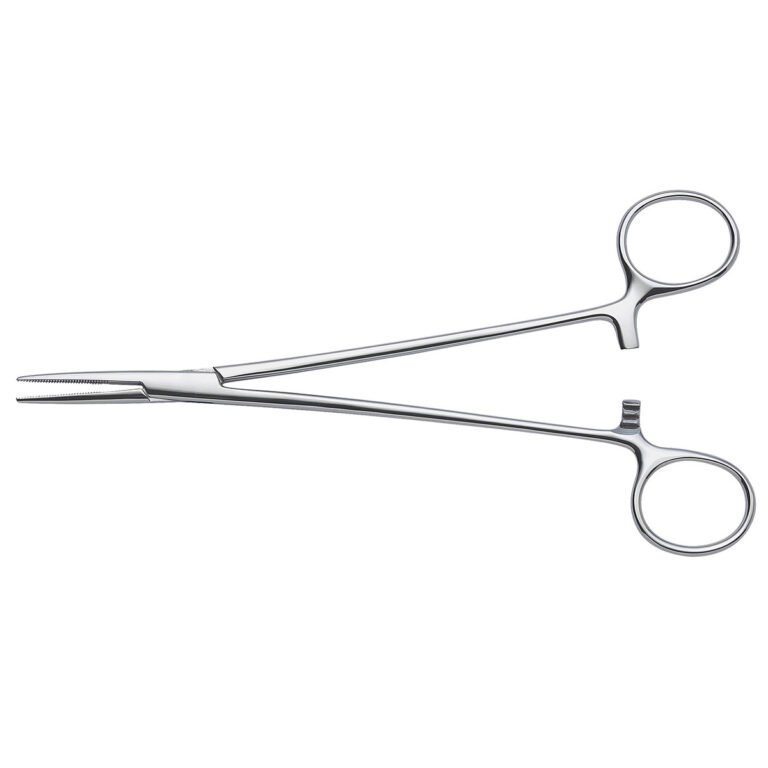
Adson Artery Forceps | NJ Medical Instruments
Surgical Instruments for Clinics, Hospitals, and Professional Buyers Artery Forceps and Ligature Clamps Artery Forceps for Surgical Clinics, Hospitals, and Professional Buyers
In stock
Original price was: $ 30.$ 20Current price is: $ 20.
Select options
This product has multiple variants. The options may be chosen on the product page
SKU:
NJM-26008
-33%
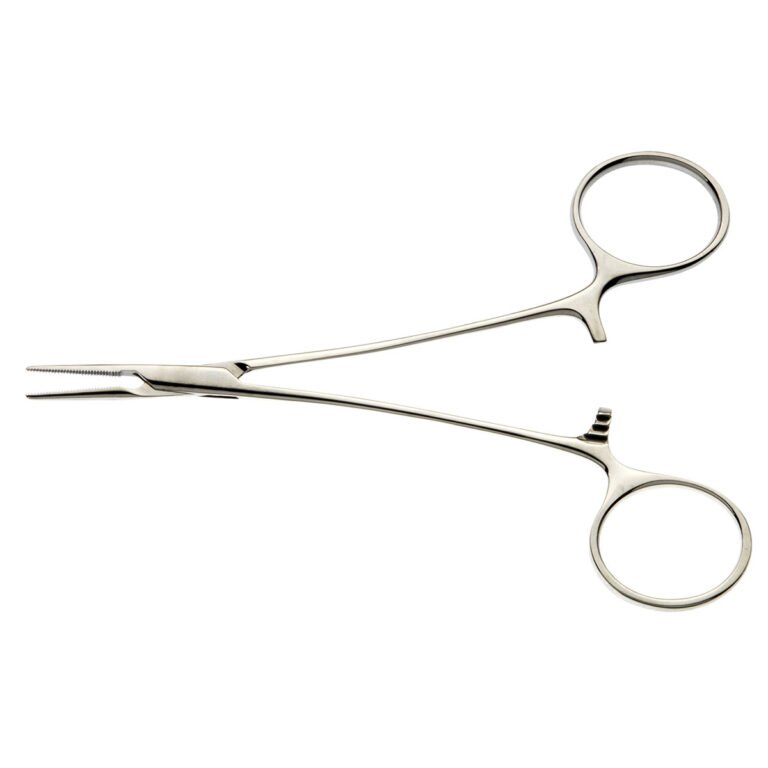
Artery Forceps Fine Tip | NJ Medical Instruments
Surgical Instruments for Clinics, Hospitals, and Professional Buyers Artery Forceps and Ligature Clamps Artery Forceps for Surgical Clinics, Hospitals, and Professional Buyers
In stock
Original price was: $ 30.$ 20Current price is: $ 20.
Select options
This product has multiple variants. The options may be chosen on the product page
SKU:
NJM-26009
-33%
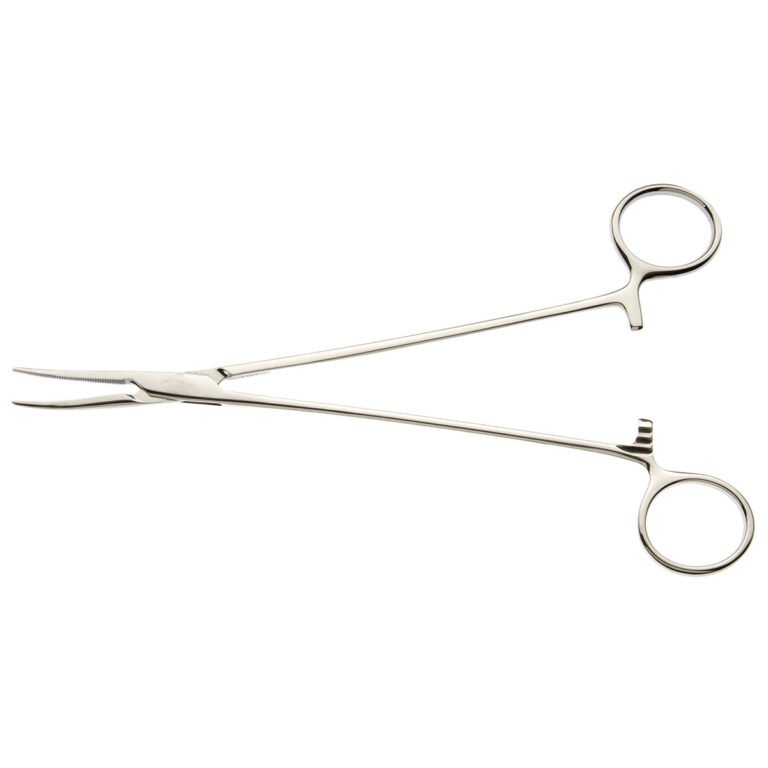
Bengolea Artery Forceps | NJ Medical Instruments
Surgical Instruments for Clinics, Hospitals, and Professional Buyers Artery Forceps and Ligature Clamps Artery Forceps for Surgical Clinics, Hospitals, and Professional Buyers
In stock
Original price was: $ 30.$ 20Current price is: $ 20.
Select options
This product has multiple variants. The options may be chosen on the product page
SKU:
NJM-26015
-33%
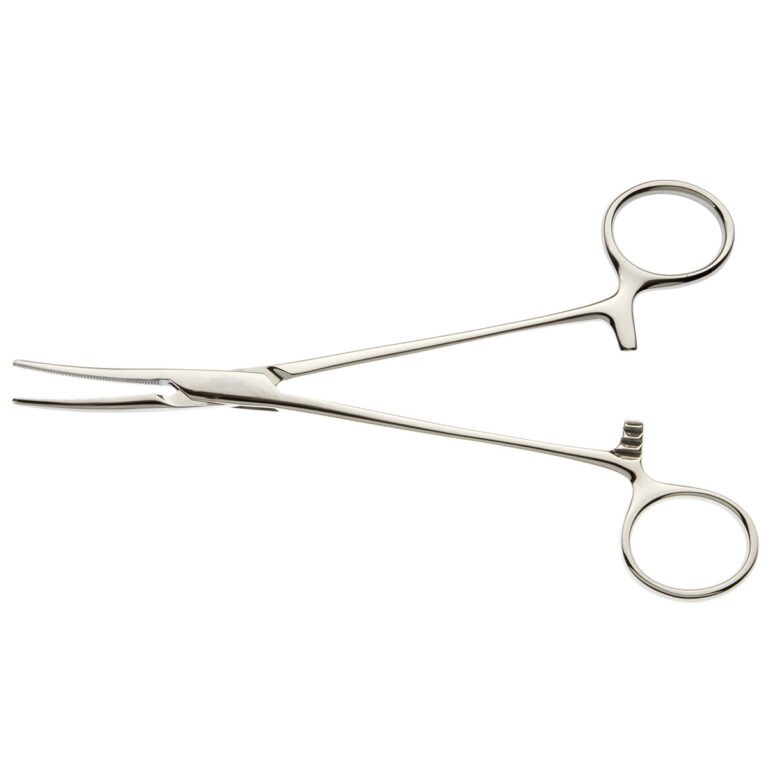
Christophe-Artery Forceps | NJ Medical Instruments
Surgical Instruments for Clinics, Hospitals, and Professional Buyers Artery Forceps and Ligature Clamps Artery Forceps for Surgical Clinics, Hospitals, and Professional Buyers
In stock
Original price was: $ 30.$ 20Current price is: $ 20.
SKU:
NJM-26440
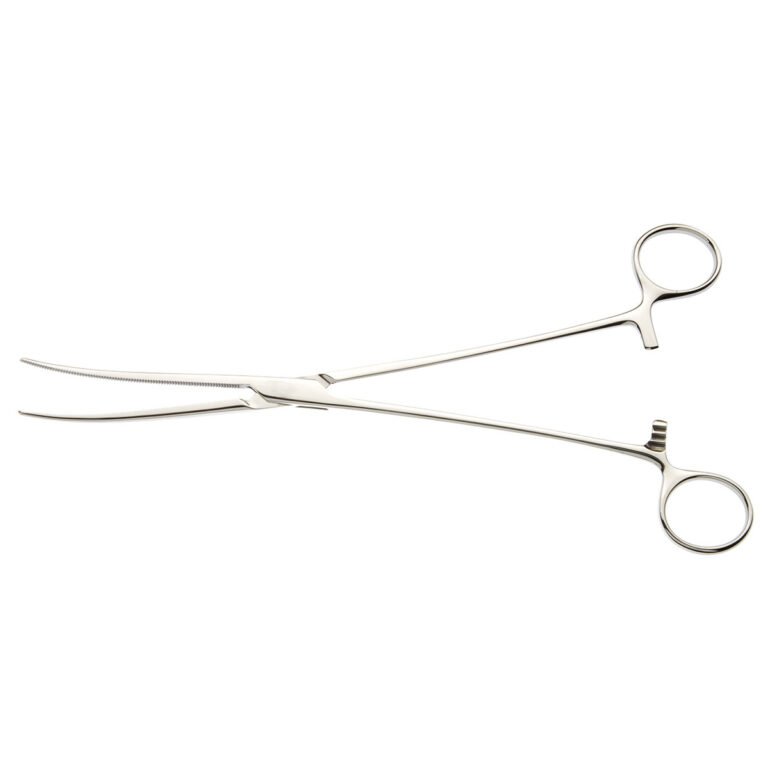
-33%
Crafoord NJ Medical Instruments Artery Forceps
Surgical Instruments for Clinics, Hospitals, and Professional Buyers Artery Forceps and Ligature Clamps Artery Forceps for Surgical Clinics, Hospitals, and Professional Buyers
In stock
Original price was: $ 30.$ 20Current price is: $ 20.
Select options
This product has multiple variants. The options may be chosen on the product page
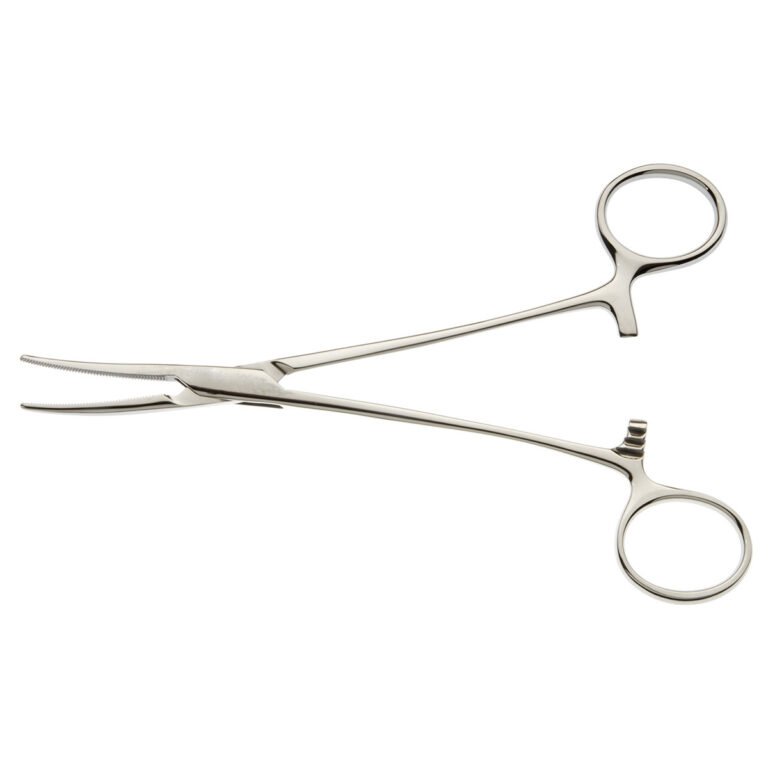
-33%
Crile Artery Forceps
Surgical Instruments for Clinics, Hospitals, and Professional Buyers Artery Forceps and Ligature Clamps Artery Forceps for Surgical Clinics, Hospitals, and Professional Buyers
In stock
Original price was: $ 30.$ 20Current price is: $ 20.
Select options
This product has multiple variants. The options may be chosen on the product page
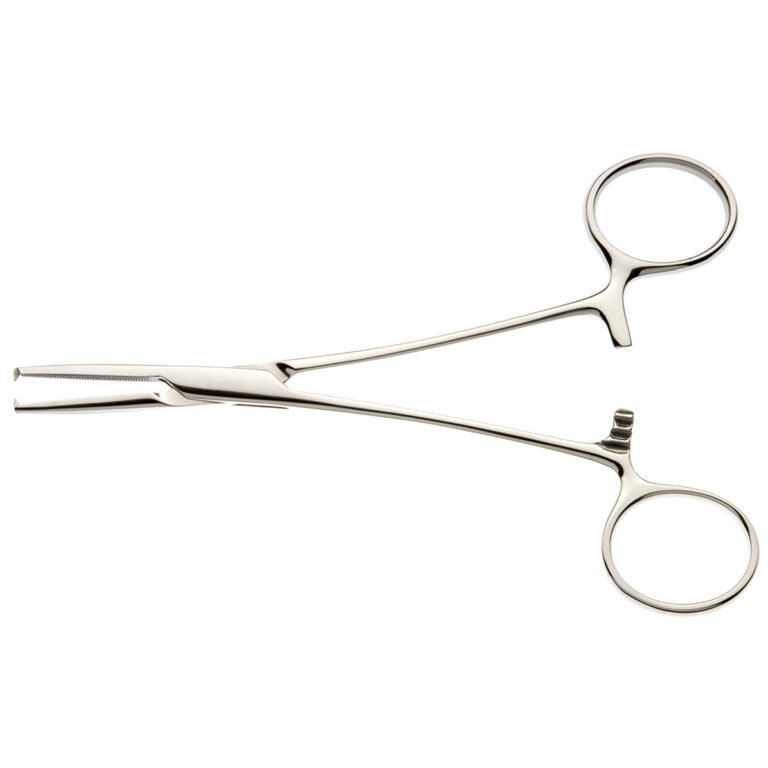
-33%
Crile Artery Forceps With Teeth | NJ Medical Instruments
Surgical Instruments for Clinics, Hospitals, and Professional Buyers Artery Forceps and Ligature Clamps Artery Forceps for Surgical Clinics, Hospitals, and Professional Buyers
In stock
Original price was: $ 30.$ 20Current price is: $ 20.
Select options
This product has multiple variants. The options may be chosen on the product page
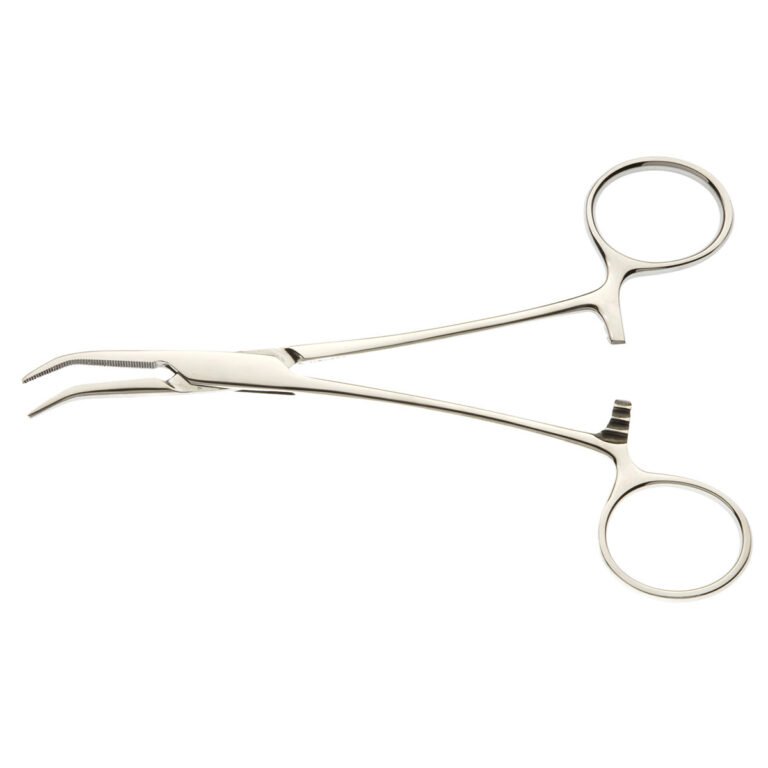
-33%
Dandy Artery Forceps
Surgical Instruments for Clinics, Hospitals, and Professional Buyers Artery Forceps and Ligature Clamps Artery Forceps for Surgical Clinics, Hospitals, and Professional Buyers
In stock
Original price was: $ 30.$ 20Current price is: $ 20.
SKU:
NJM-26453
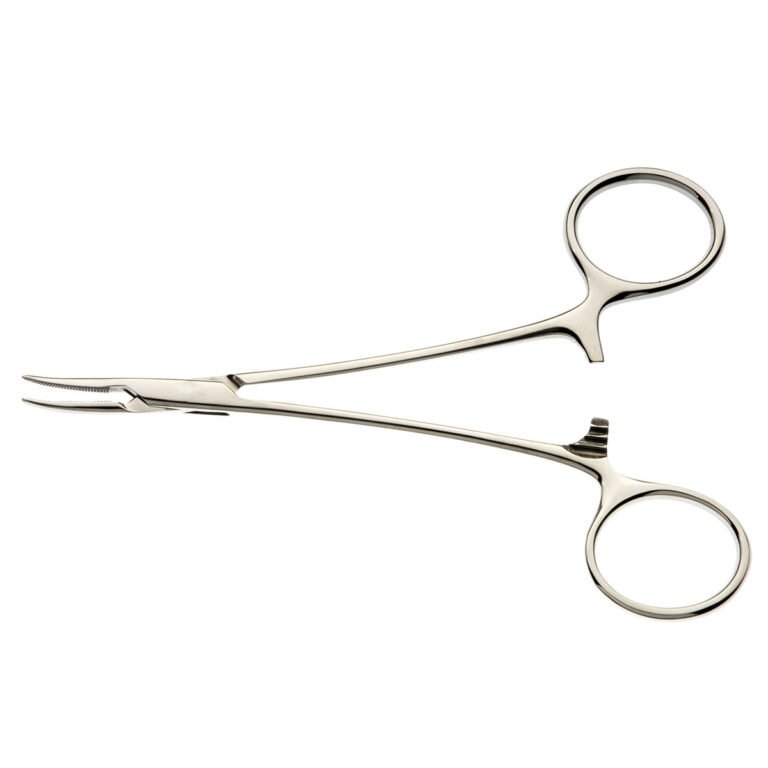
-33%
Halsted-mosquito Artery Forceps | NJ Medical Instruments
Surgical Instruments for Clinics, Hospitals, and Professional Buyers Artery Forceps and Ligature Clamps Artery Forceps for Surgical Clinics, Hospitals, and Professional Buyers
In stock
Original price was: $ 30.$ 20Current price is: $ 20.
Select options
This product has multiple variants. The options may be chosen on the product page
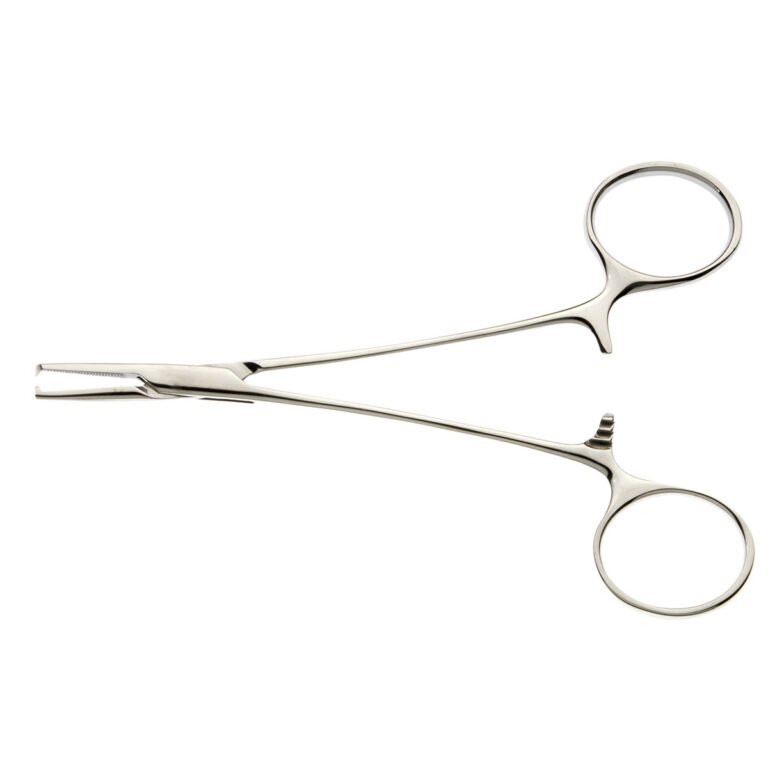
-33%
Halsted-mosquito Artery Forceps With Teeth | NJ Medical Instruments
Surgical Instruments for Clinics, Hospitals, and Professional Buyers Artery Forceps and Ligature Clamps Artery Forceps for Surgical Clinics, Hospitals, and Professional Buyers
In stock
Original price was: $ 30.$ 20Current price is: $ 20.
Select options
This product has multiple variants. The options may be chosen on the product page
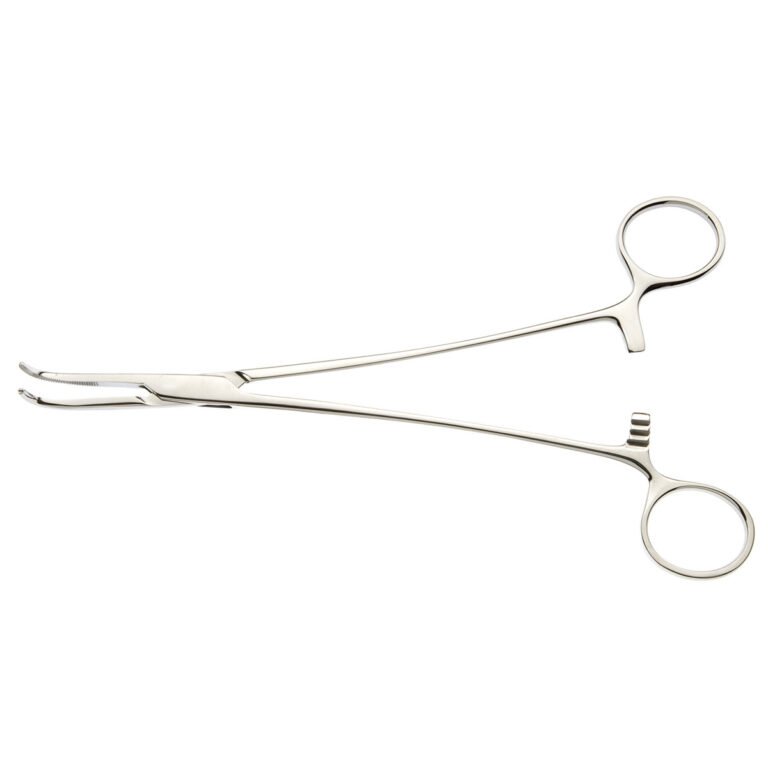
-33%
Heiss Artery Forceps | NJ Medical Instruments
Surgical Instruments for Clinics, Hospitals, and Professional Buyers Artery Forceps and Ligature Clamps Artery Forceps for Surgical Clinics, Hospitals, and Professional Buyers
In stock
Original price was: $ 30.$ 20Current price is: $ 20.
Select options
This product has multiple variants. The options may be chosen on the product page
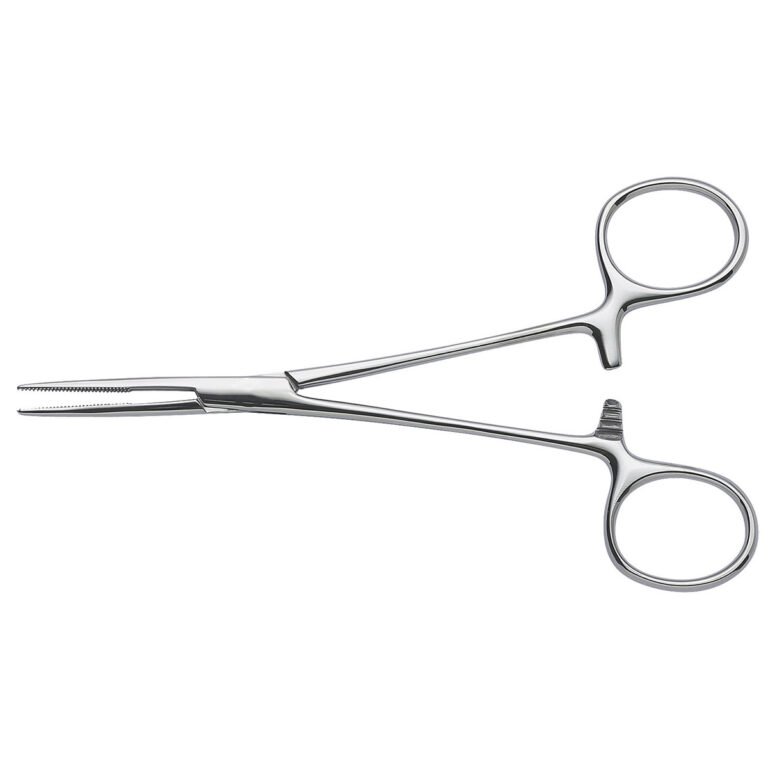
-33%
Kelly Artery Forceps | NJ Medical Instruments
Surgical Instruments for Clinics, Hospitals, and Professional Buyers Artery Forceps and Ligature Clamps Artery Forceps for Surgical Clinics, Hospitals, and Professional Buyers
In stock
Original price was: $ 30.$ 20Current price is: $ 20.
Select options
This product has multiple variants. The options may be chosen on the product page
Artery Forceps: Straight, Curved & Ratchet Haemostats
Artery forceps are ratcheted haemostats applied directly to a bleeding vessel to close it until it can be tied or coagulated. Three features define them: serrated jaws that stop the vessel slipping, a box joint that keeps the jaws aligned under load, and a ratchet in the handle that locks the grip so the surgeon can release the instrument and move on. In practice the choice between patterns comes down to two questions — how large is the vessel, and does the surrounding tissue need to survive intact. NJ Medical Instruments manufactures the full range in surgical-grade stainless steel, in straight and curved jaws and in sizes from fine mosquito upward, supplied worldwide direct from the factory. For a complete pattern-by-pattern comparison, see our artery forceps buying guide.Straight or curved?
Curved forceps are the more common choice in an open field: the curve lets the surgeon see past the jaws to the tip and place them around a vessel that sits at an angle to the approach. Straight forceps give a more direct line of force and are convenient for superficial vessels and for clamping the ends of a ligature. Most trays carry both, in more than one size.How the ratchet is used
The ratchet has several teeth, and the number engaged sets the closing pressure. Engaging the first tooth applies light pressure suitable for a small vessel in delicate tissue; running the ratchet fully closed applies maximum grip for a tough pedicle. Over-clamping a fine vessel crushes tissue unnecessarily, which is why the graded ratchet exists rather than a single locked position.Choosing by vessel size
| Size | Typical length | Best for |
|---|---|---|
| Micro / mosquito | 10–12 cm | Small vessels, fine & superficial tissue |
| Small | 12–14 cm | General superficial haemostasis |
| Medium | 16–18 cm | Deeper vessels in body cavities |
| Large | 20 cm + | Large vessels & pedicles |
| Curved jaws | Any | Visibility of the tip, angled vessels |
| Straight jaws | Any | Direct force, ligature ends |
Explore related instruments
- Artery Forceps Buying Guide — all patterns compared
- Artery Forceps & Ligature Clamps
- Clamps including vascular and intestinal patterns
- All Surgical Instruments