


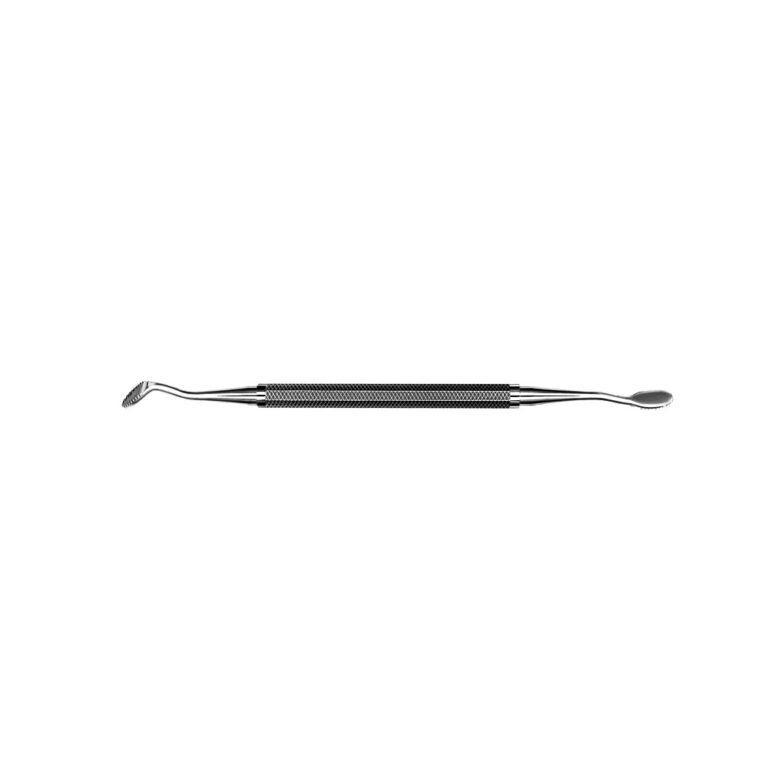
Howard Bone File – 12 | NJ Medical Instruments
In stock
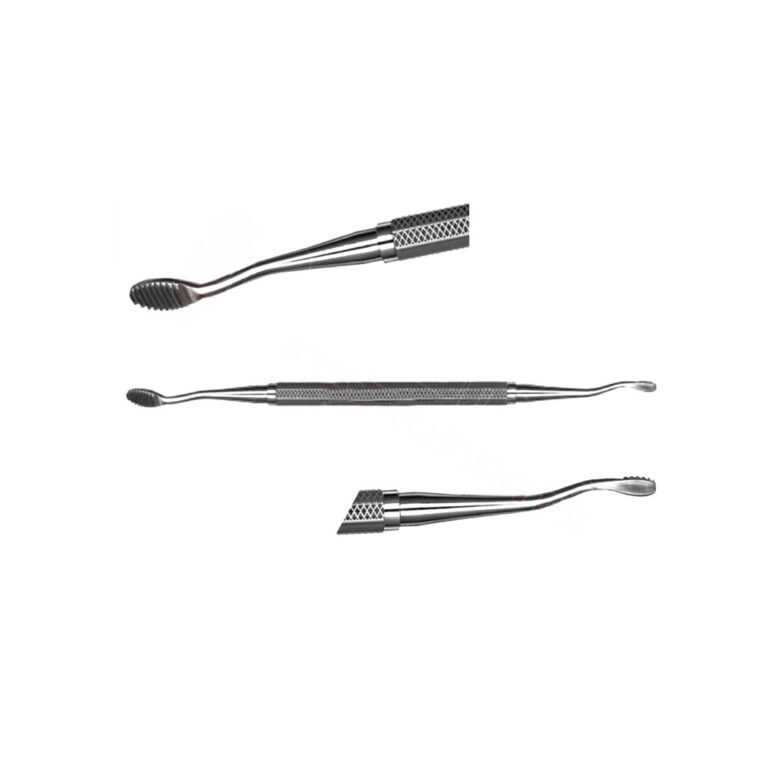
Miller Bone File Double-Ended – 21
In stock
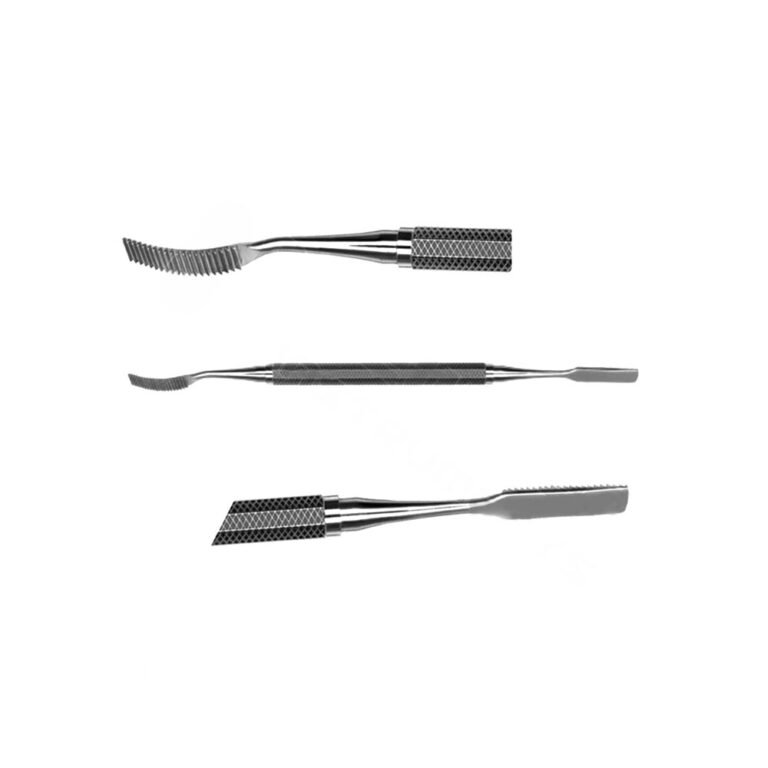
Miller straight-cut Bone file Double Ended – #45 | NJ Medical Instruments
In stock
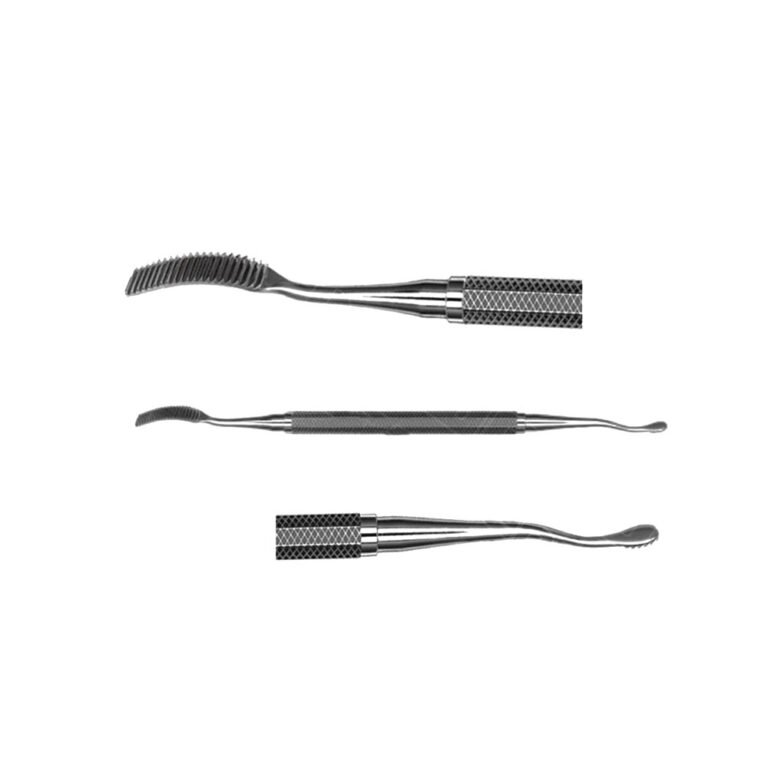
Miller straight-Cut Bone File Double Ended #52 | NJ Medical Instruments
In stock
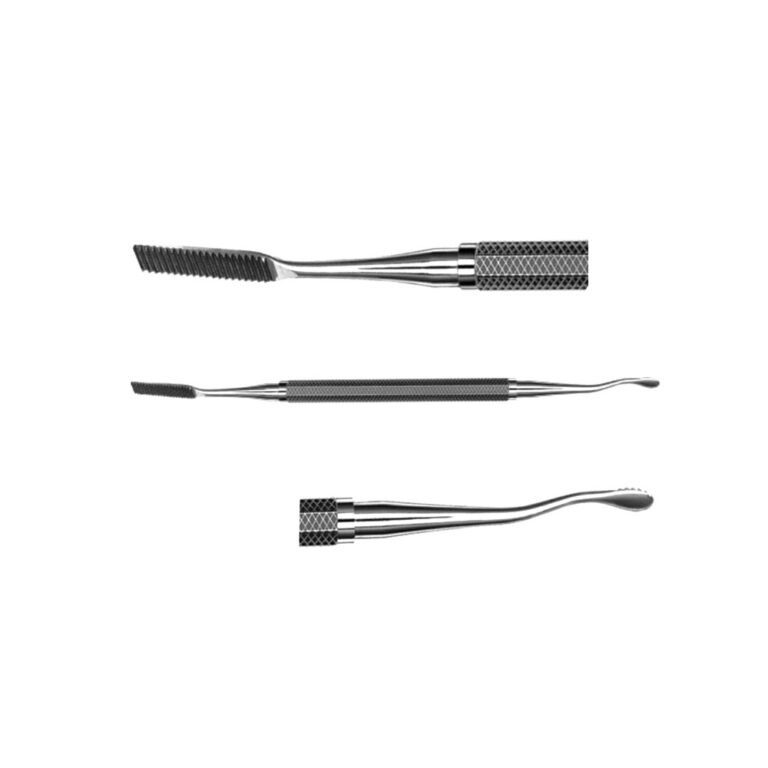
Miller straight-Cut Bone File Double Ended #64 | NJ Medical Instruments
In stock
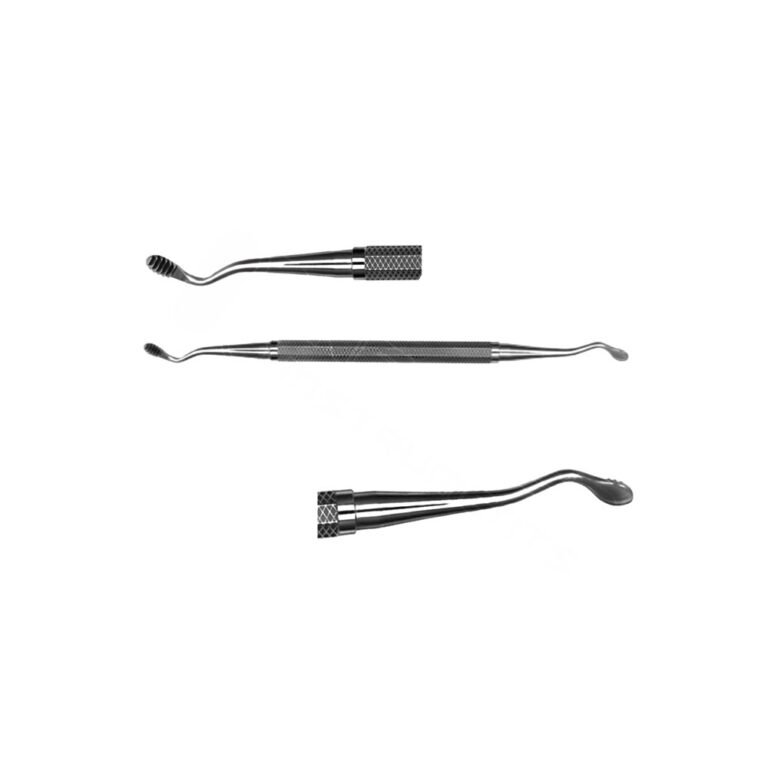
Miller straight-Cut Bone File Double Ended #67 | NJ Medical Instruments
In stock
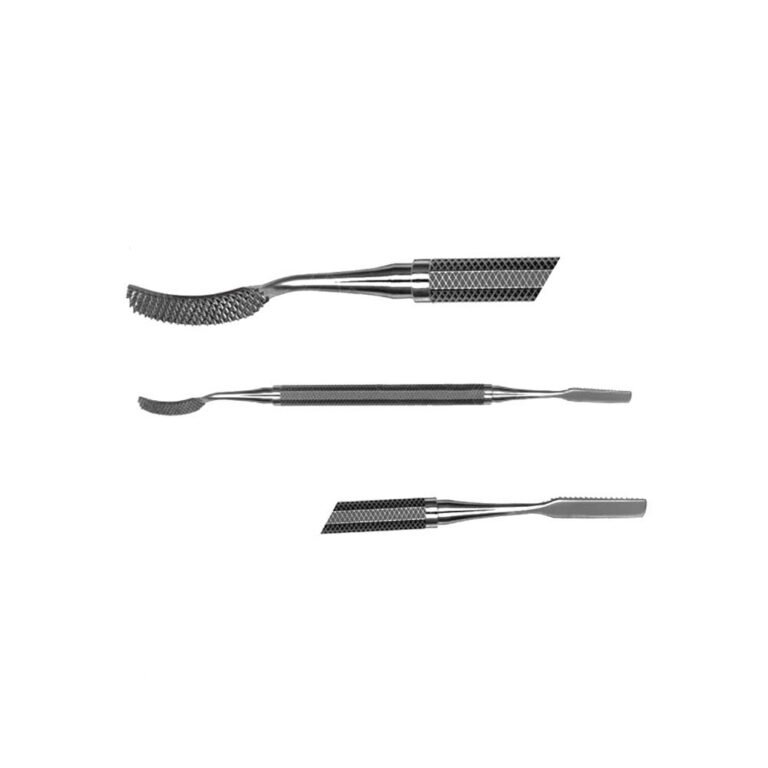
Miller-COLBURN Bone File Double Ended 2X | NJ Medical Instruments
In stock
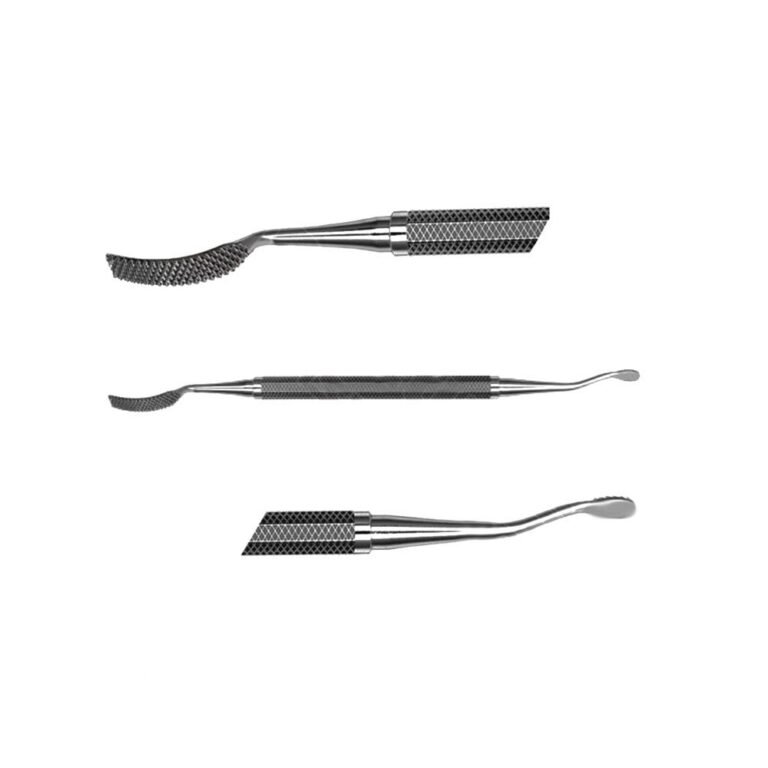
Miller-Colburn Cross-cut Bone file – Double Ended | NJ Medical Instruments
In stock
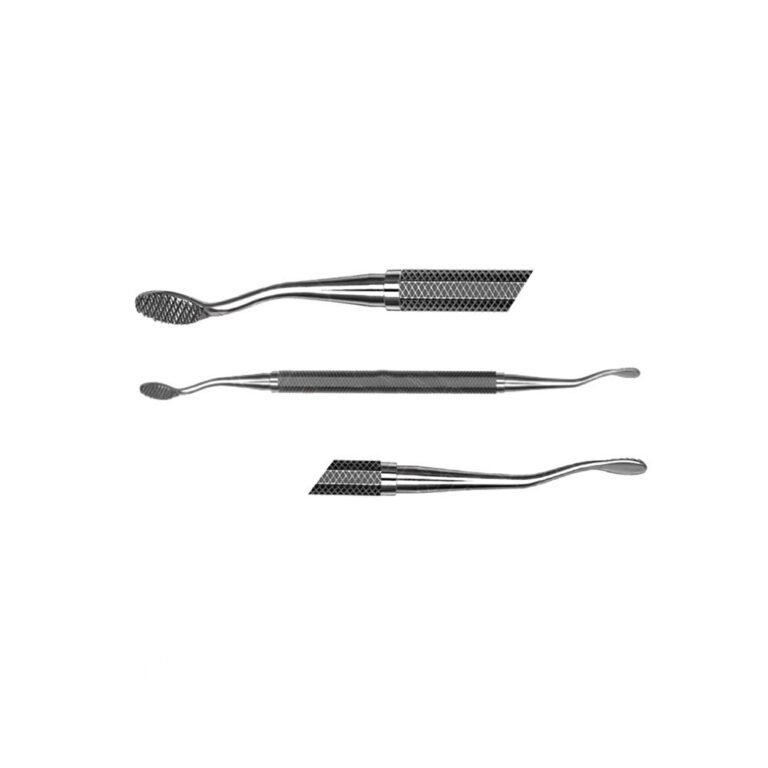
Miller-Colburn Double Ended Bone File – 1x
In stock
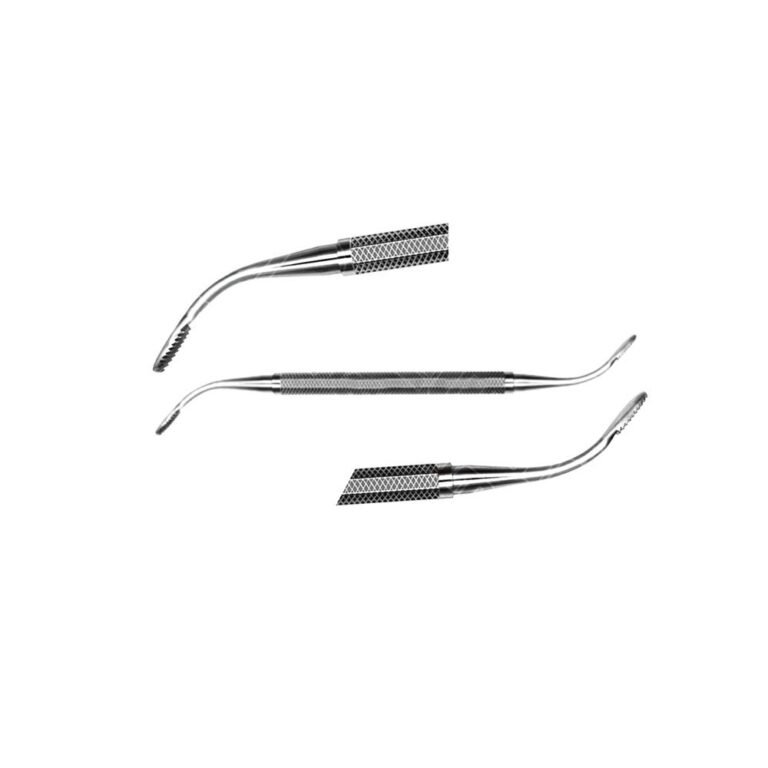
WAHL BONE FILE | NJ Medical Instruments
In stock
Bone Files: Finishing the Surface After the Cutting Is Done
A bone file is the finishing instrument — it does not remove bulk, it removes the last irregularity. After an osteotome cuts or a rongeur bites, the bone edge left behind is sharp and uneven. Left that way, those edges sit directly beneath soft tissue and, in areas with thin overlying skin, remain palpable or visible long after healing. A file has a fine abrasive face designed to smooth that surface in short controlled strokes, taking almost nothing away with each pass. That is the practical difference from a rasp: a rasp has coarser tooth-like cutting surfaces and removes bone at a working rate, while a file refines what is already close to final. NJ Medical Instruments manufactures the range in surgical-grade stainless steel, supplied worldwide direct from the factory for individual purchase and for bulk, wholesale, and OEM/private-label supply.
Push, pull and double cut
Files differ in which direction they cut, and it matters more than it sounds. A push file cuts on the forward stroke, giving the surgeon force away from themselves and better control in a confined space. A pull file cuts on the return stroke, which suits working around a curve or towards the operator. A double-cut file works in both directions, faster but less controlled — useful on accessible flat surfaces, less so near delicate structures.
Where files are used
Dental and oral surgery uses fine bone files to smooth the alveolar ridge after extraction, since sharp bony spicules left in the socket margin cause discomfort under a denture or during healing. Maxillofacial and orthopedic work uses files to finish cut bone edges before closure. Rhinoplasty uses the finest grades on the nasal dorsum, where thin skin shows any residual ridging.
Keeping the teeth clear
Bone debris packs into the cutting face during use, and a loaded file stops abrading and starts burnishing — it feels like the instrument has gone blunt when it has simply clogged. Files should be cleared during the procedure and cleaned thoroughly in the direction of the teeth during reprocessing, since debris left to dry in the cutting face is difficult to remove afterwards.
Which file do you need?
| Type | Cutting action | Best for |
|---|---|---|
| Push file | Cuts on forward stroke | Control in confined spaces |
| Pull file | Cuts on return stroke | Working around curves or toward operator |
| Double-cut file | Cuts both directions | Faster work on accessible surfaces |
| Fine grade | Fine abrasive face | Final finish under thin skin |
| Coarse grade | Heavier abrasive face | Initial smoothing of rough edges |
| Bone file, dental | Small, angled working end | Alveolar ridge after extraction |
Explore related instruments
- Rasps — coarser, for bulk bone removal
- Osteotomes and Chisels for cutting before finishing
- Bone Cutters & Rongeurs
- All Plastic Surgery Instruments
All manufactured in surgical-grade stainless steel to international standards, reusable and autoclavable, with worldwide shipping.
Bulk, wholesale & OEM supply
As a direct manufacturer, NJ Medical Instruments supplies bone files in bulk and wholesale quantities to hospitals, dental and maxillofacial clinics, and distributors, and produces OEM / private-label instruments in custom grades and working ends with laser marking. Contact us by email at info@njmedicalinstruments.com or by WhatsApp for volume pricing — no minimum-order barriers, no middlemen.
Frequently asked questions
What is a bone file used for?
A bone file smooths and finishes a bone surface after cutting. It removes sharp edges and small irregularities left by an osteotome, rongeur, or bur, rather than removing bulk bone.
What is the difference between a bone file and a rasp?
A rasp has coarser, tooth-like cutting surfaces and removes bone at a working rate. A file has a finer abrasive face that refines a surface already close to final. Many procedures use a rasp first and a file to finish.
What is the difference between push and pull files?
A push file cuts on the forward stroke, giving control in confined spaces with force directed away from the operator. A pull file cuts on the return stroke, which suits working around a curve or toward the operator. Double-cut files work in both directions.
Why is a bone file used after a dental extraction?
Sharp bony spicules left at the socket margin cause discomfort during healing and under a denture. A fine bone file smooths the alveolar ridge before the socket is closed.
Why does my bone file seem to stop cutting?
Usually it has clogged rather than blunted. Bone debris packs into the cutting face and the file begins burnishing instead of abrading. Clearing it during the procedure and cleaning thoroughly in the direction of the teeth restores the cut.
Do you supply bone files in bulk or for OEM / private label?
Yes. As a direct manufacturer we supply bone files in bulk and wholesale quantities and produce OEM / private-label instruments in custom grades and working ends. Contact us by email or WhatsApp for volume pricing.