


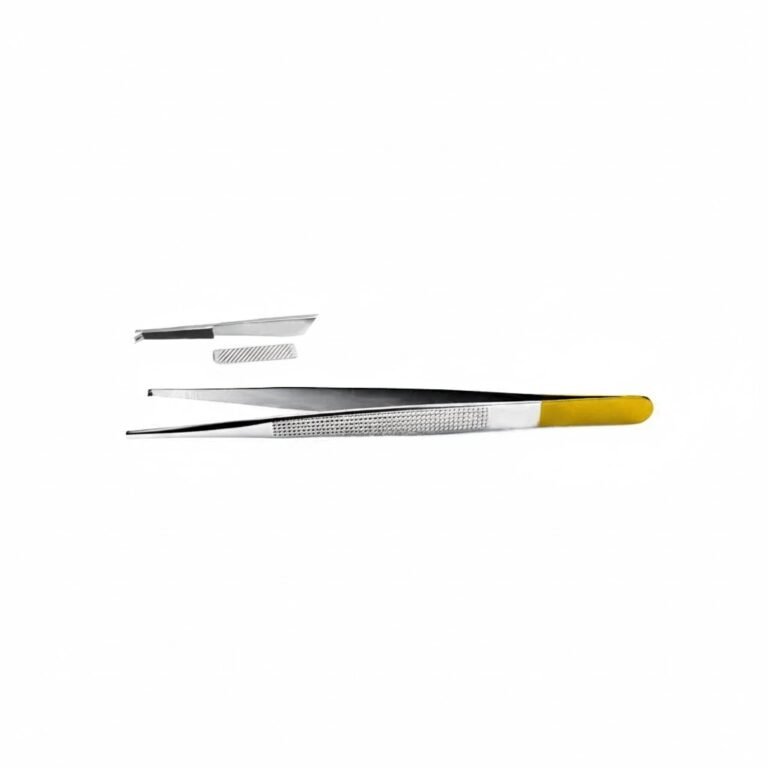
Braithwaite Skin Graft Knife | NJ Medical Instruments
In stock
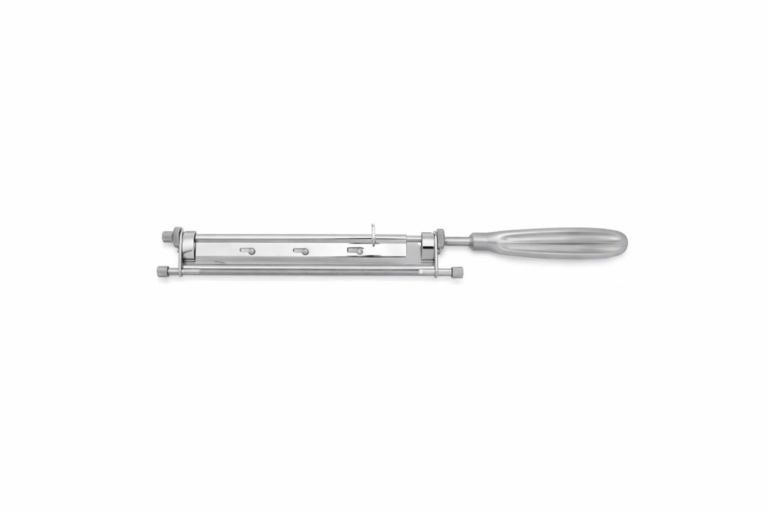
Cobbett Skin Graft Knife | NJ Medical Instruments
In stock
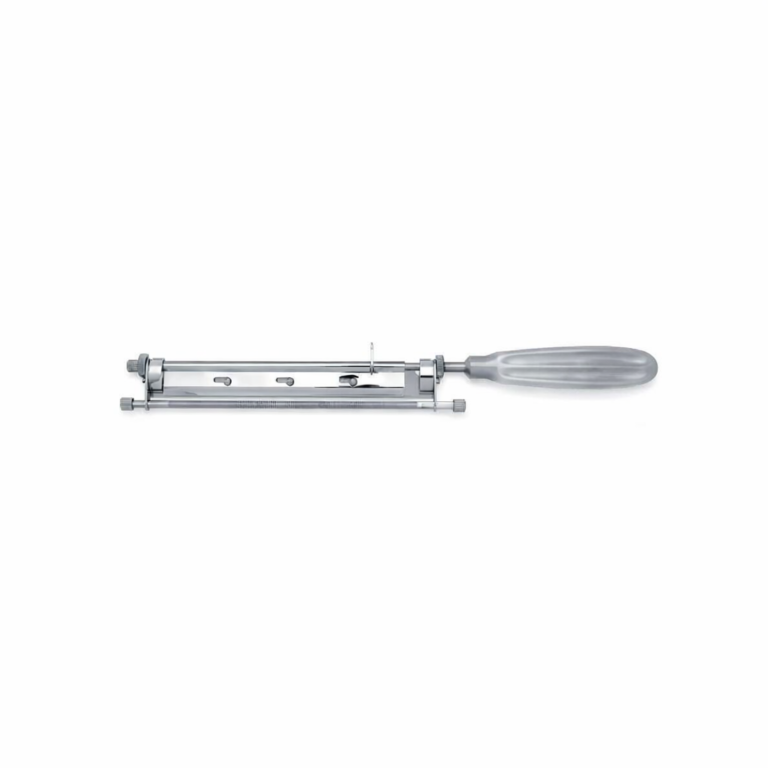
Humby Dermatome Skin Graft Knife (Reusable, German Stainless)
In stock
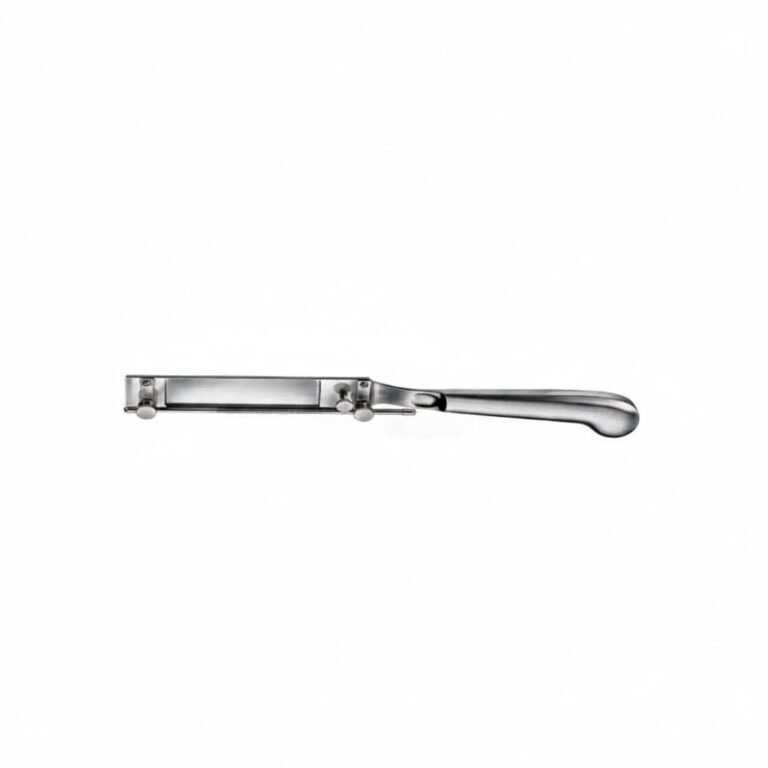
SCHINK Dermatome Skin Graft Knife | NJ Medical Instruments
In stock
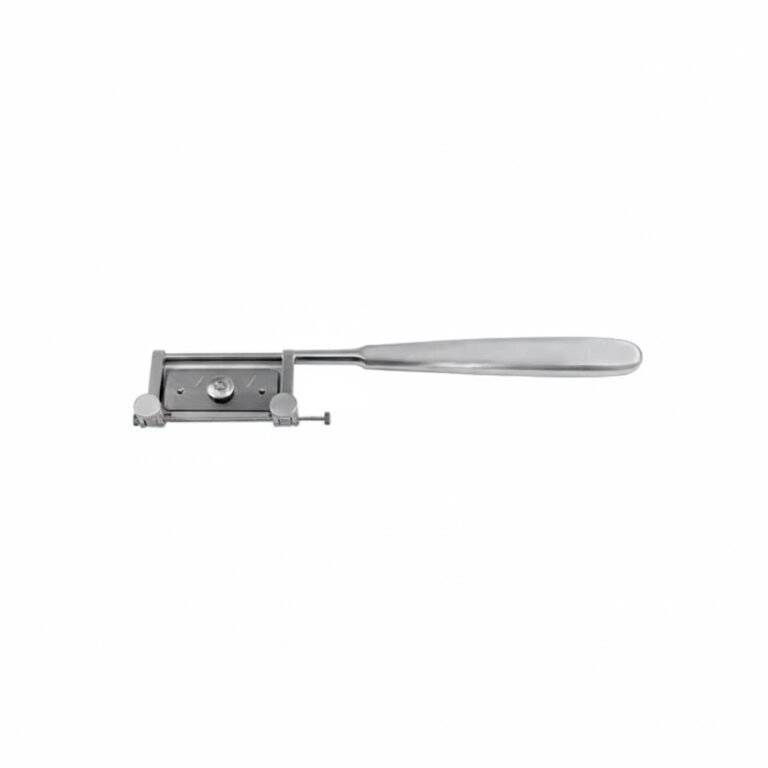
Silver Dermatome Skin Graft Knife With 10 Sterile Blades Packed in Wooden Box | NJ Medical Instruments
In stock
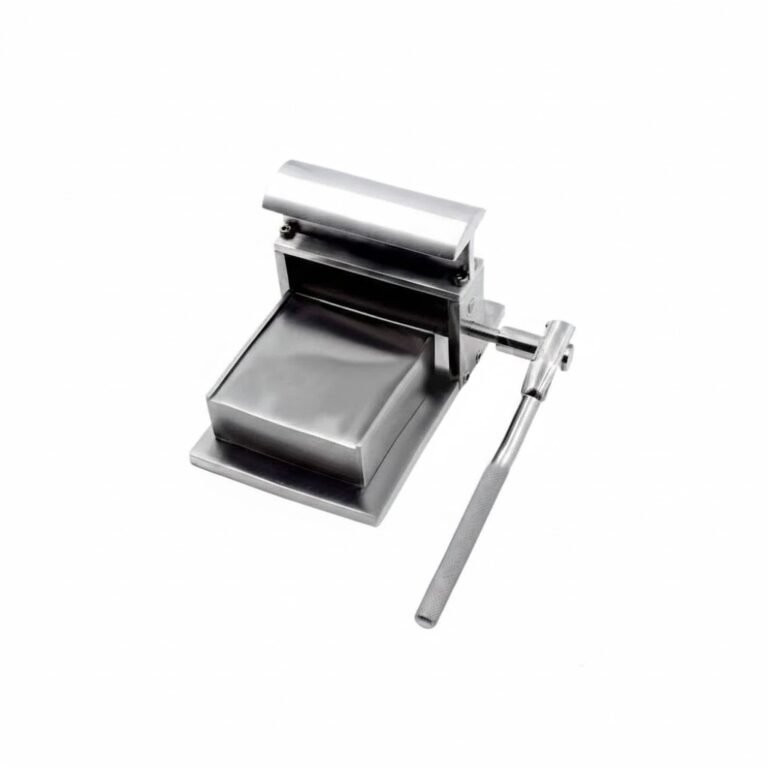
Skin Graft Mesher Machine With 10 Sterile Graft Carrier Plates
In stock
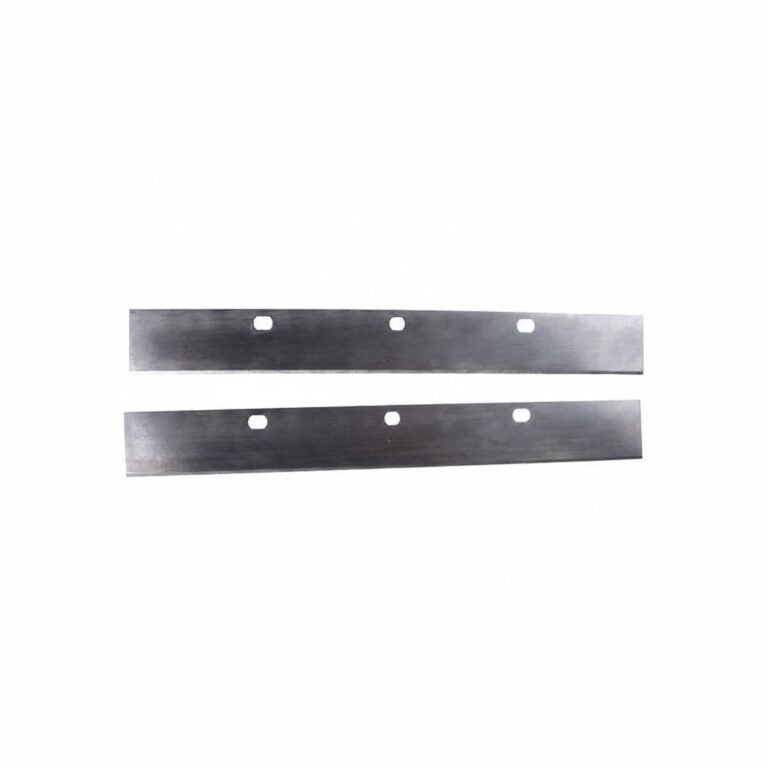
Sterile Skin Grafting Blade for Dermatome Knife – Single Use | NJ Medical Instruments
In stock
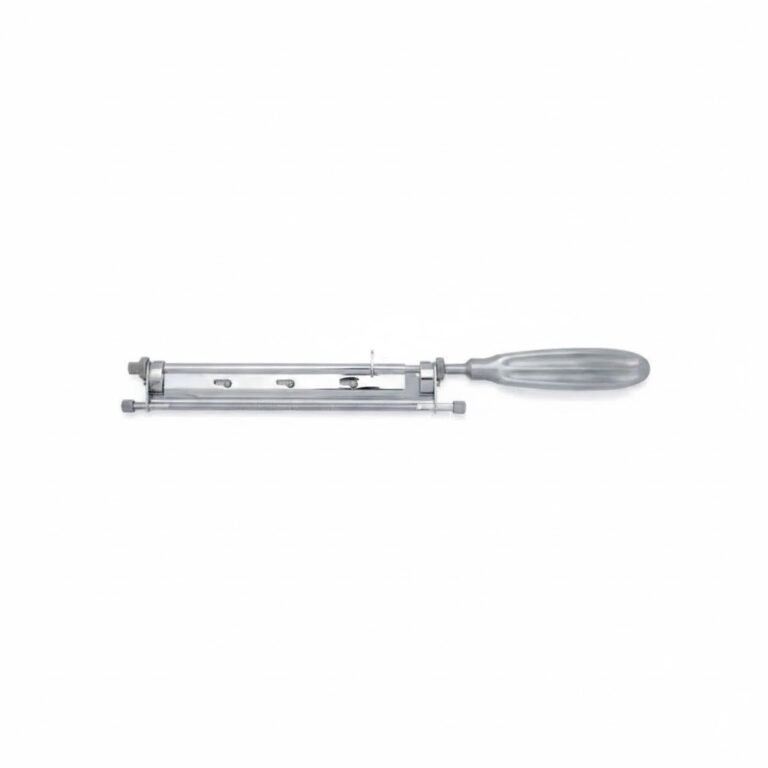
Watson Skin Graft Knife | NJ Medical Instruments
In stock
Skin Graft Knife Handles: Controlling Graft Thickness by Hand
A skin graft knife harvests a split-thickness graft by hand, and the roller set against the blade is what controls how thick that graft will be. That adjustment is the entire instrument. Set too shallow, the graft is thin, takes readily but contracts more and gives poorer cosmetic quality. Set too deep, the graft is thicker and behaves better long term, but the donor site becomes a deeper wound that heals more slowly and may itself scar. The surgeon sets the roller gap according to that trade-off before the first pass — and because the setting is mechanical rather than powered, it holds exactly where it was put. NJ Medical Instruments manufactures Humby, Watson, Silver, and Braithwaite-type handles in surgical-grade stainless steel, supplied worldwide direct from the factory for individual purchase and for bulk, wholesale, and OEM/private-label supply.
How the roller works
The roller sits parallel to and slightly above the cutting edge. As the knife is drawn across the donor site, the roller rides on the skin surface while the blade cuts beneath it, and the gap between the two determines the depth of the cut. Adjusting the gap by a fraction of a millimetre changes the graft thickness across its whole area. Because the setting is made once and then held mechanically, thickness stays consistent through the pass provided the surgeon maintains even pressure and a steady drawing motion.
Why hand harvesting still has a place
Powered dermatomes produce grafts of very consistent width and thickness, and for large burns they are the practical choice. But a hand knife needs no power source, no calibration, and no maintenance beyond blade changes, which matters in outreach settings, field surgery, and any environment where equipment support is limited. It is also often preferred for smaller grafts, where setting up a powered device is disproportionate to the area being taken.
Blades and handling
These handles take disposable blades, changed for every case. A blade that has lost its edge tears rather than cuts, producing a ragged graft and a more traumatised donor site. The donor site is normally flattened and held taut by an assistant or a board while the pass is made, since a slack surface lets the roller ride unevenly and the thickness varies across the graft.
Which handle do you need?
| Pattern | Feature | Best for |
|---|---|---|
| Humby knife | Adjustable roller, standard length | General split-thickness harvesting |
| Watson modification | Refined roller adjustment | Finer thickness control |
| Silver knife | Smaller, lighter | Small grafts and limited areas |
| Braithwaite type | Adjustable guard | Alternative roller geometry |
| Disposable blades | Changed each case | Clean cut, untraumatised donor site |
| Graft mesher accessories | Expands the graft | Covering a larger recipient area |
Explore related plastic surgery instruments
- Knives and Handles including scalpel handles and nasal knives
- Plastic Surgery Scissors and Thumb Forceps
- Hooks and Retractors
- All Plastic Surgery Instruments
All manufactured in surgical-grade stainless steel to international standards, reusable and autoclavable, with worldwide shipping.
Bulk, wholesale & OEM supply
As a direct manufacturer, NJ Medical Instruments supplies skin graft knife handles and blades in bulk and wholesale quantities to hospitals, burns and plastic surgery units, outreach programmes, and distributors, and produces OEM / private-label instruments to custom specifications and laser marking. Contact us by email at info@njmedicalinstruments.com or by WhatsApp for volume pricing — no minimum-order barriers, no middlemen.
Frequently asked questions
What is a skin graft knife used for?
It harvests a split-thickness skin graft by hand. An adjustable roller set against the blade controls the thickness of the graft as the surgeon draws the knife across the donor site.
How is graft thickness controlled?
By the gap between the roller and the cutting edge. The roller rides on the skin surface while the blade cuts beneath it, so the gap sets the depth. Adjusting it by a fraction of a millimetre changes thickness across the whole graft.
What is the difference between a Humby knife and a dermatome?
Both harvest split-thickness grafts. A Humby knife is manual, with thickness set by a roller and the cut controlled by hand. A dermatome is powered and produces grafts of more consistent width and thickness, which suits large burn areas.
When is a hand knife preferred over a powered dermatome?
Where there is no power source or equipment support, such as outreach and field surgery, and for smaller grafts where setting up a powered device is disproportionate to the area being harvested.
How often should the blade be changed?
Every case. A blade that has lost its edge tears rather than cuts, producing a ragged graft and leaving a more traumatised donor site.
Do you supply skin graft knives in bulk or for OEM / private label?
Yes. As a direct manufacturer we supply skin graft knife handles and blades in bulk and wholesale quantities and offer OEM / private-label production to custom specifications. Contact us by email or WhatsApp for volume pricing.