


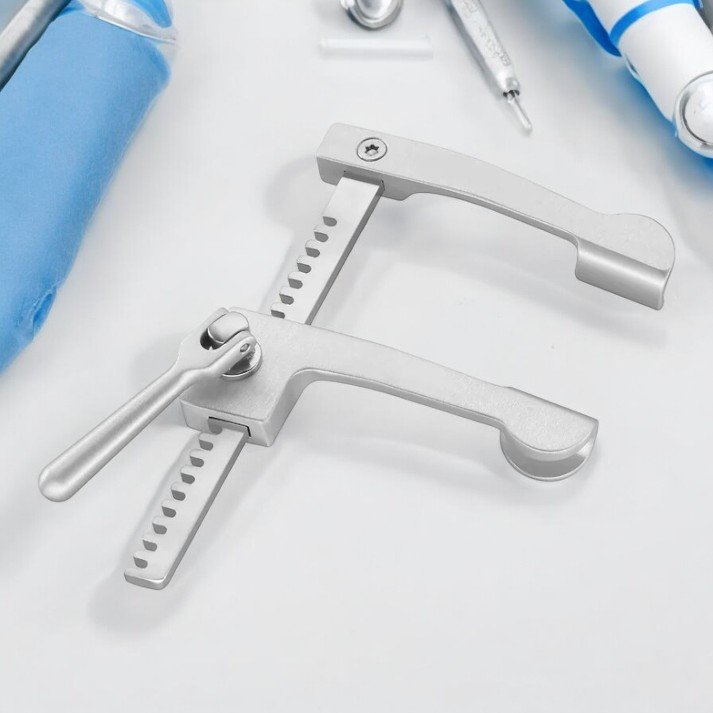
Cooley Neonatal Sternal Retractor | NJ Medical Instruments
In stock
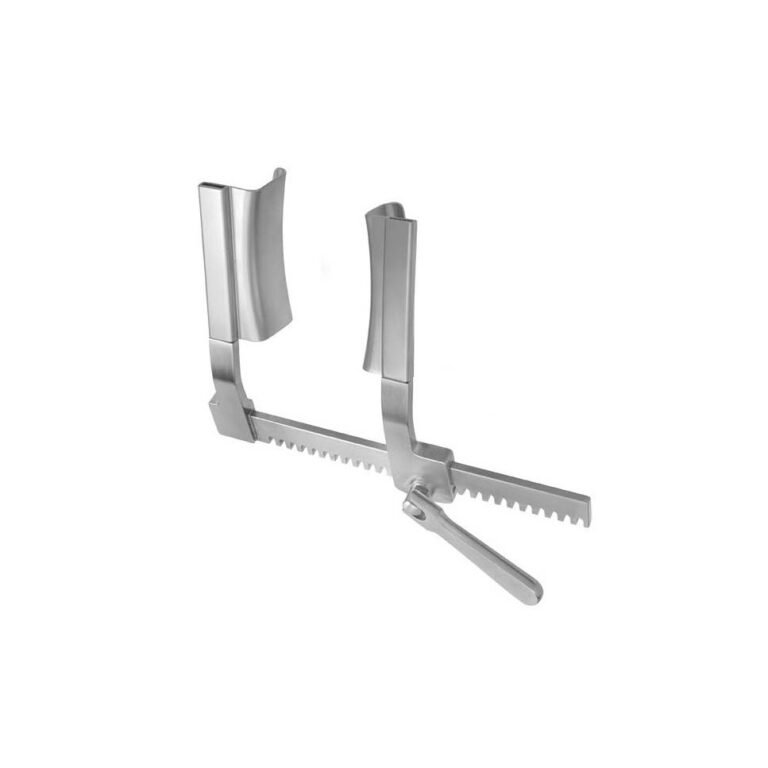
Dubost Sternal Retractor | NJ Medical Instruments
In stock
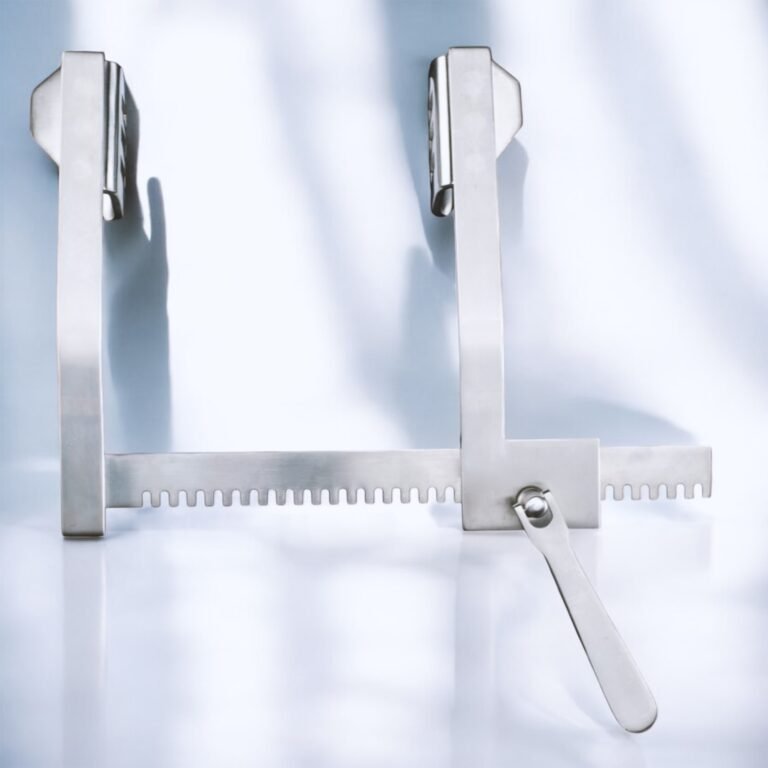
Gerbode’s Modified Buford Rib Spreader | NJ Medical Instruments
In stock
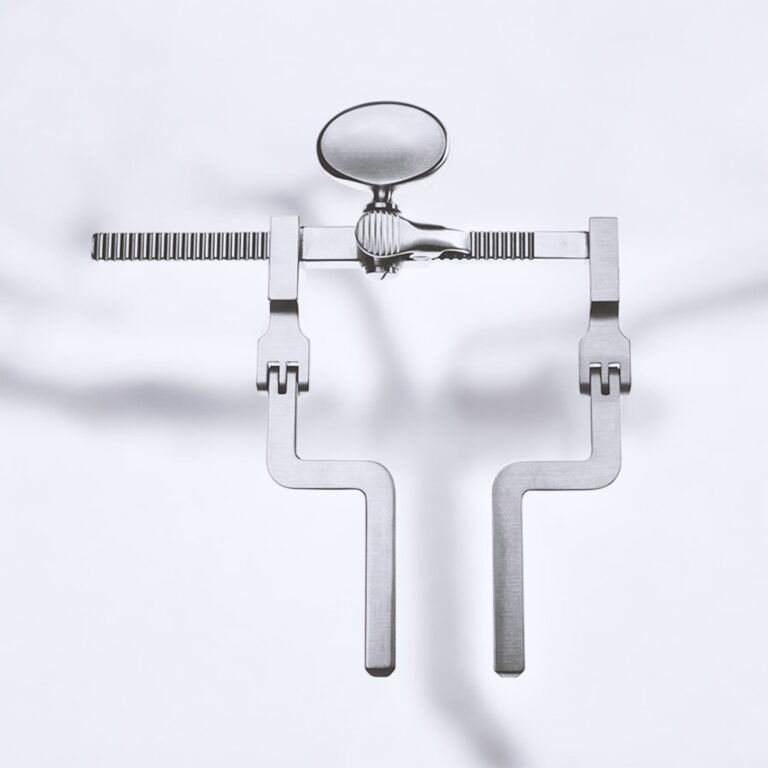
McCulloch Retractor Frame | NJ Medical Instruments
In stock
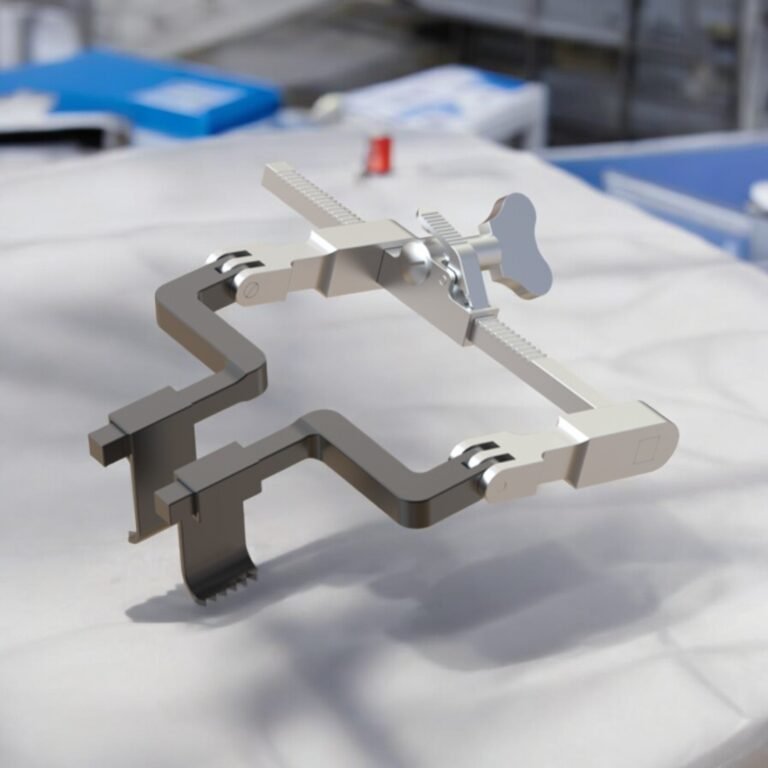
MCCULLOCH RETRACTOR SET | NJ Medical Instruments
In stock
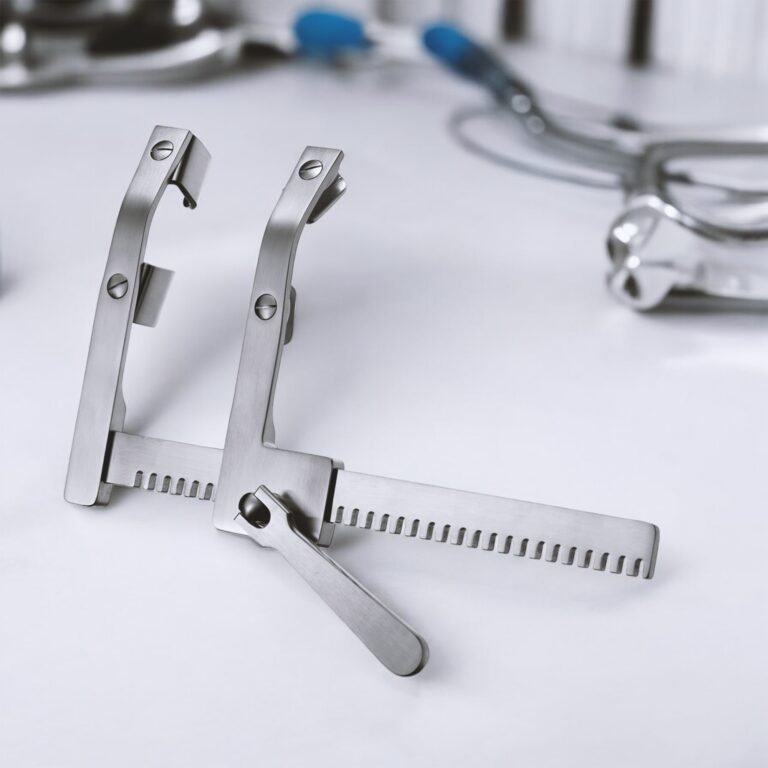
Morse Sternal Retractor | NJ Medical Instruments
In stock
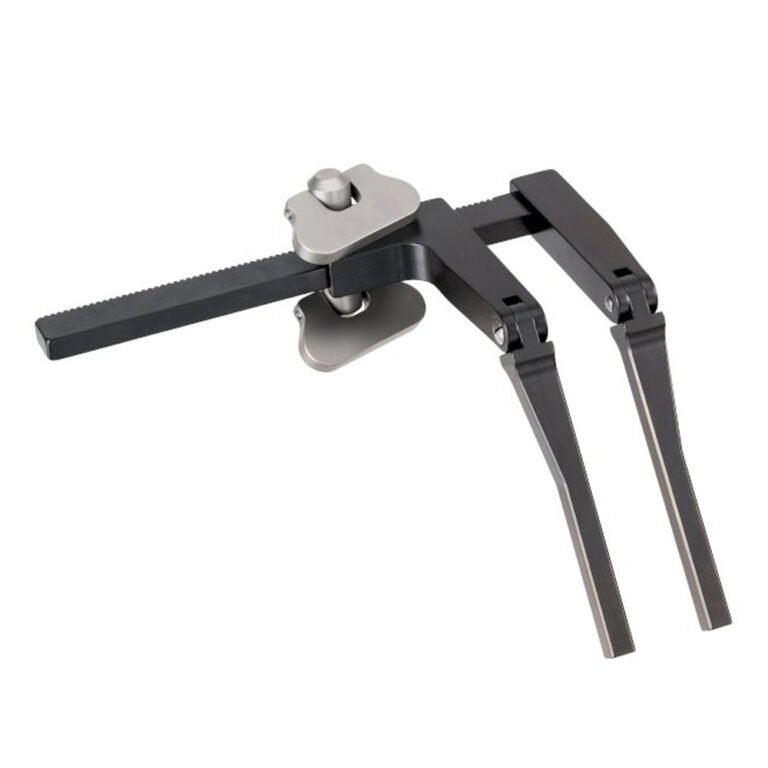
Phantom CS Universal Distractors | NJ Medical Instruments
In stock
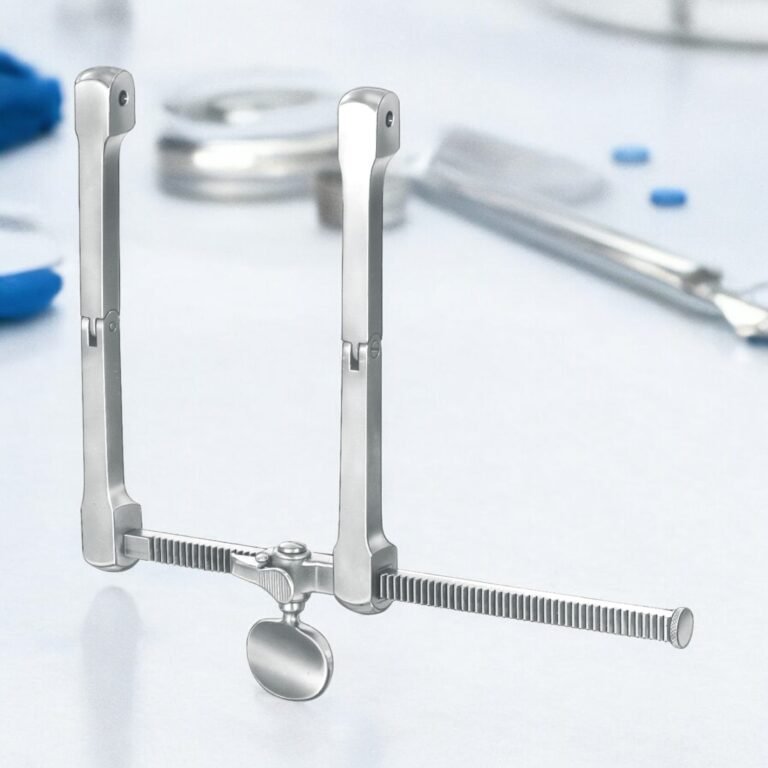
Scoville Laminectomy Retractor
In stock
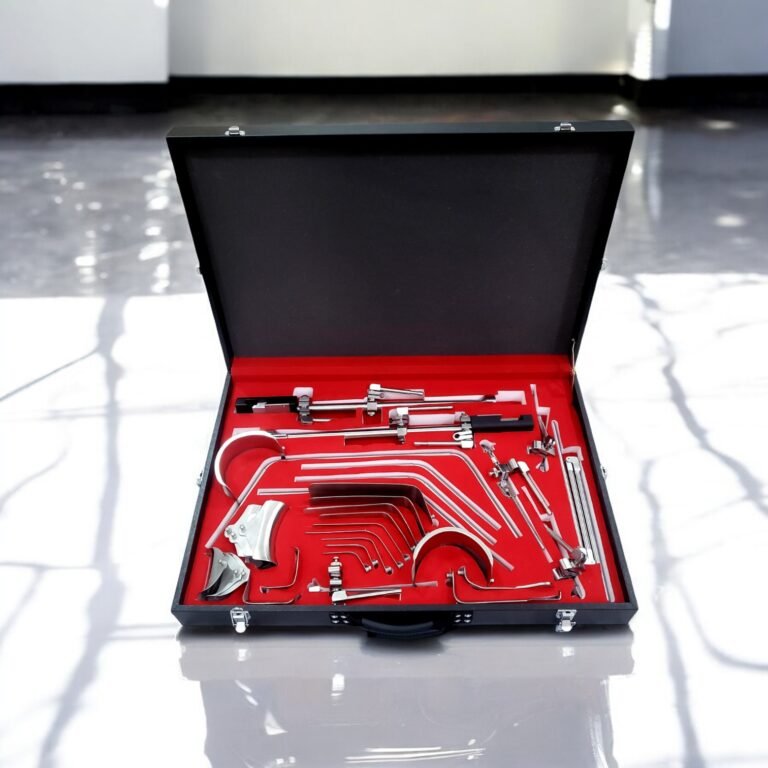
Thompson Retractor Orthopedic Instrument | NJ Medical Instruments
In stock
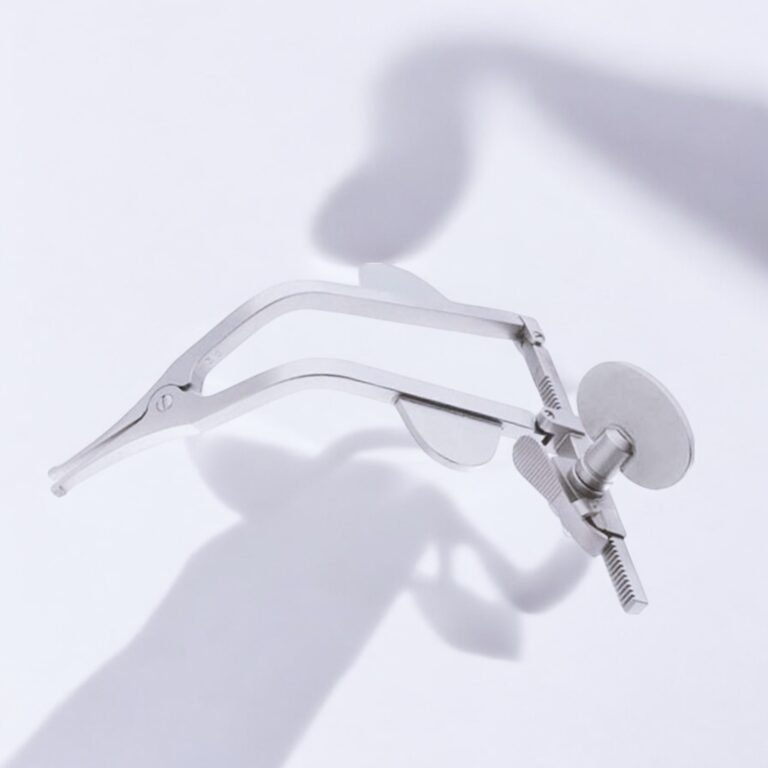
Vertebra Spreader 5″ With Ratchet (Cloward Style) 3/4″ Spread | NJ Medical Instruments
In stock
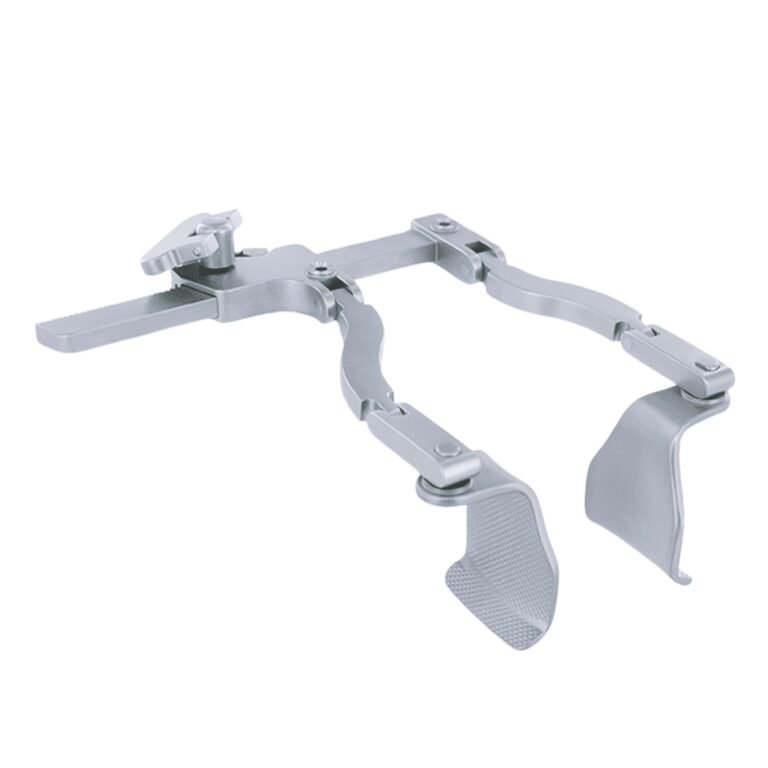
Yan Mini-Access Retractor
In stock
Surgical Retractors: Holding Exposure Without Damaging Tissue
A retractor holds tissue aside so the surgeon can see and reach the operative site, and the design problem it solves is a genuine tension: it must apply enough force to maintain exposure for the length of the procedure, without that sustained pressure injuring the tissue it is holding. Retraction injury is a recognised complication, not a theoretical one — prolonged pressure compromises blood supply to the tissue under the blade. The instrument range exists to spread that force appropriately: broad blades for solid structures, fine hooks for skin edges, and self-retaining frames where an assistant's hand would tire and drift. NJ Medical Instruments manufactures the full range in surgical-grade stainless steel, supplied worldwide direct from the factory for individual purchase and for bulk, wholesale, and OEM/private-label supply.
Hand-held versus self-retaining
Hand-held retractors are held by an assistant. The advantage is responsiveness: pressure and angle adjust moment to moment as the surgeon moves. The limitation is that a hand tires, and a tiring hand drifts — exposure gradually degrades over a long case.
Self-retaining retractors lock open on a ratchet or frame and hold position indefinitely without an assistant. That consistency is their strength and also their risk: an instrument that never tires also never eases off, so the tissue under the blade takes uninterrupted pressure. This is why periodic release during long procedures is standard practice.
Blade shape follows tissue type
The working end tells you what it is meant to hold. Broad solid blades such as Deaver and Richardson spread load across abdominal wall and viscera. Rake ends such as Volkmann engage muscle and fascia with prongs, sharp for firm tissue and blunt where a sharp prong would perforate. Fine hooks hold skin edges with point traction, which is gentler on skin that must heal invisibly than any forceps grip. Malleable ribbon retractors are bent by the surgeon to the contour of the individual case.
Which retractor do you need?
| Type | Working end | Best for |
|---|---|---|
| Langenbeck | Right-angled blade | General wound edge retraction |
| Deaver | Broad curved blade | Deep abdominal exposure |
| Richardson | Broad L-shaped blade | Abdominal wall retraction |
| Volkmann rake | Sharp or blunt prongs | Muscle and fascia |
| Senn | Small rake and blade | Superficial and minor procedures |
| Skin hook | Fine single or double point | Skin edges without crushing |
| Self-retaining (Weitlaner type) | Ratcheted arms | Hands-free exposure |
| Malleable ribbon | Bendable flat blade | Shaping to the individual case |
Explore related surgical instruments
- Hooks & Retractors for plastic and reconstructive work
- All Surgical Instruments
- Artery Forceps & Ligature Clamps
- Medical Instrument Sets
All manufactured in surgical-grade stainless steel to international standards, reusable and autoclavable, with worldwide shipping.
Bulk, wholesale & OEM supply
As a direct manufacturer, NJ Medical Instruments supplies surgical retractors in bulk and wholesale quantities to hospitals, surgical centres, teaching institutions, and distributors, and produces OEM / private-label retractors in custom blade widths and lengths with laser marking. Contact us by email at info@njmedicalinstruments.com or by WhatsApp for volume pricing — no minimum-order barriers, no middlemen.
Frequently asked questions
What is the difference between hand-held and self-retaining retractors?
A hand-held retractor is held by an assistant and can be adjusted moment to moment, but exposure degrades as the hand tires. A self-retaining retractor locks open on a ratchet or frame and holds position indefinitely without an assistant.
Can retractors damage tissue?
Yes. Sustained pressure under a retractor blade can compromise blood supply to the tissue it holds. Broader blades spread the load, and periodic release during long procedures is standard practice with self-retaining retractors, which never ease off on their own.
When should a sharp rake retractor be used instead of a blunt one?
Sharp prongs engage firm tissue such as fascia securely. Blunt prongs are chosen where sharp points would perforate more delicate structures. The choice is about the tissue being held, not surgeon preference.
What is a malleable retractor?
A malleable or ribbon retractor is a flat bendable blade the surgeon shapes by hand to the contour of the particular case, useful where no fixed blade shape fits the anatomy well.
Why are skin hooks used instead of forceps on skin edges?
Skin hooks apply fine point traction without crushing. A forceps gripping the same edge compresses the skin, which matters when that skin has to heal without a visible mark.
Do you supply retractors in bulk or for OEM / private label?
Yes. As a direct manufacturer we supply surgical retractors in bulk and wholesale quantities and produce OEM / private-label retractors in custom blade widths and lengths. Contact us by email or WhatsApp for volume pricing.