


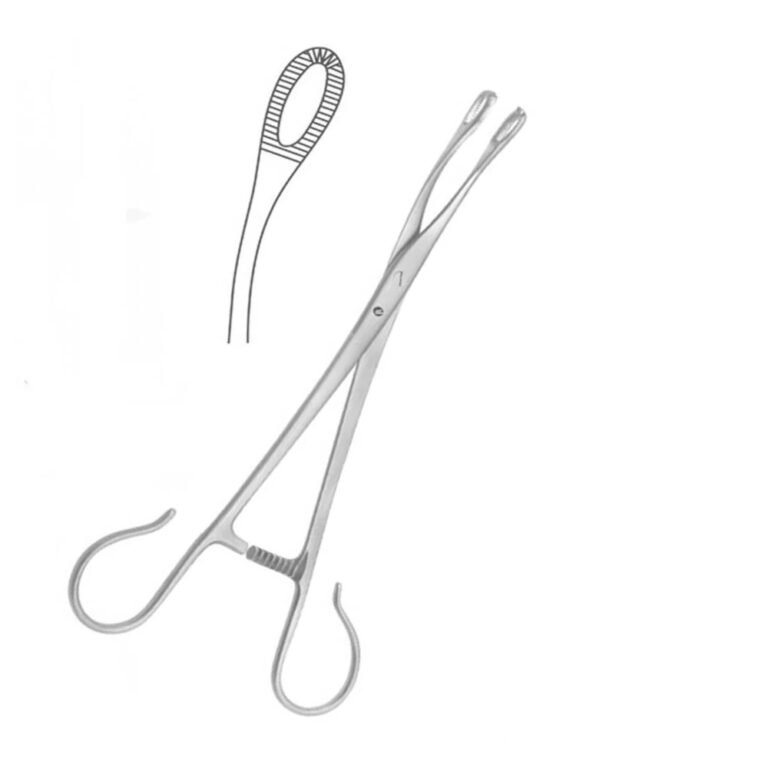
Blohmke Tonsil Grasping Forceps, 1 x 2 Teeth, 20 cm – 8 inches, Stainless Steel | NJ Medical Instruments
In stock
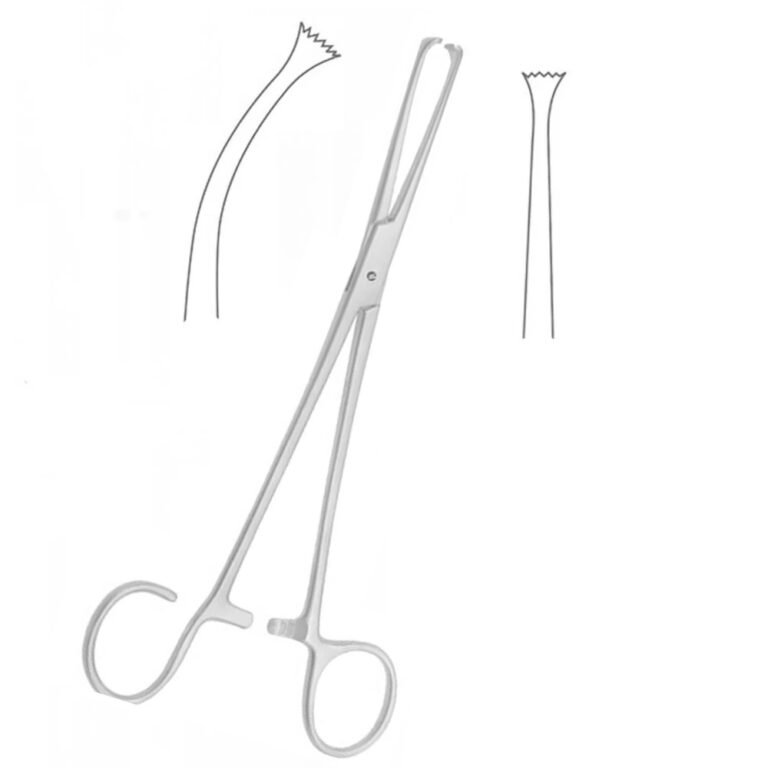
Colver Tonsil Grasping Forceps, 19 cm – 7 1/2 inches, Stainless Steel | NJ Medical Instruments
In stock
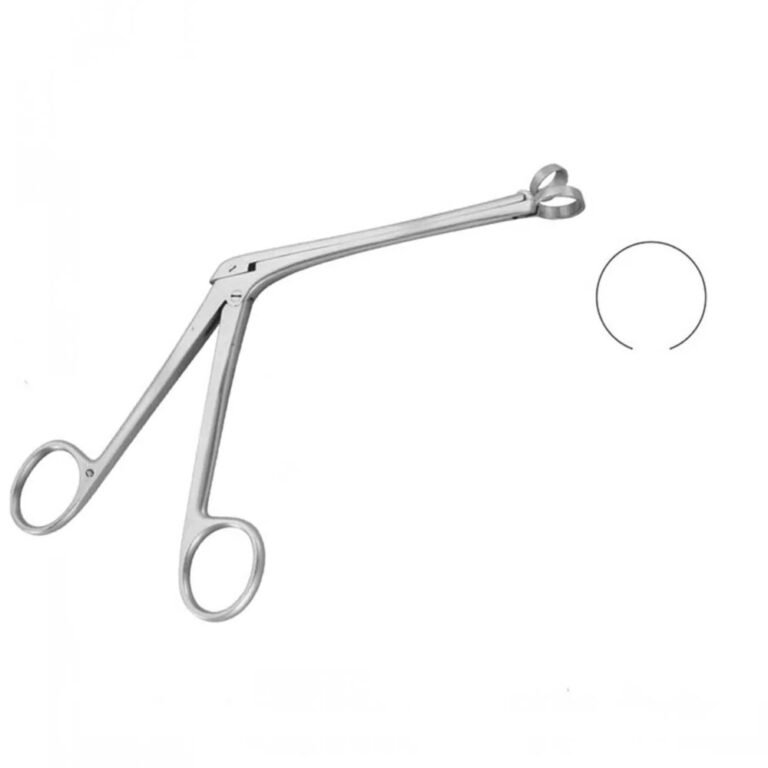
Hartmann Tonsil Punch, Thorough Cutting, 12 cm – 4 3/4, Stainless Steel | NJ Medical Instruments
In stock
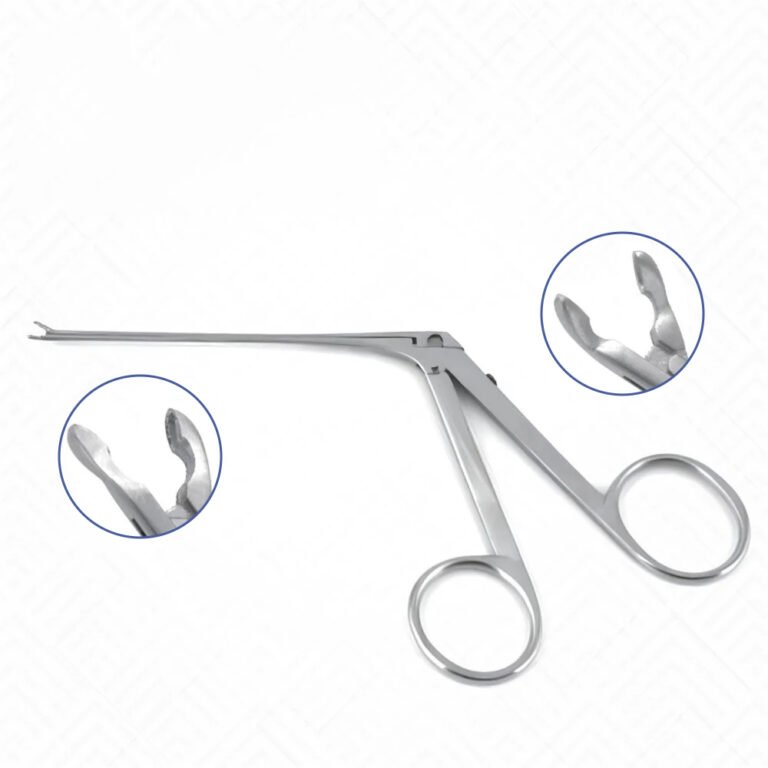
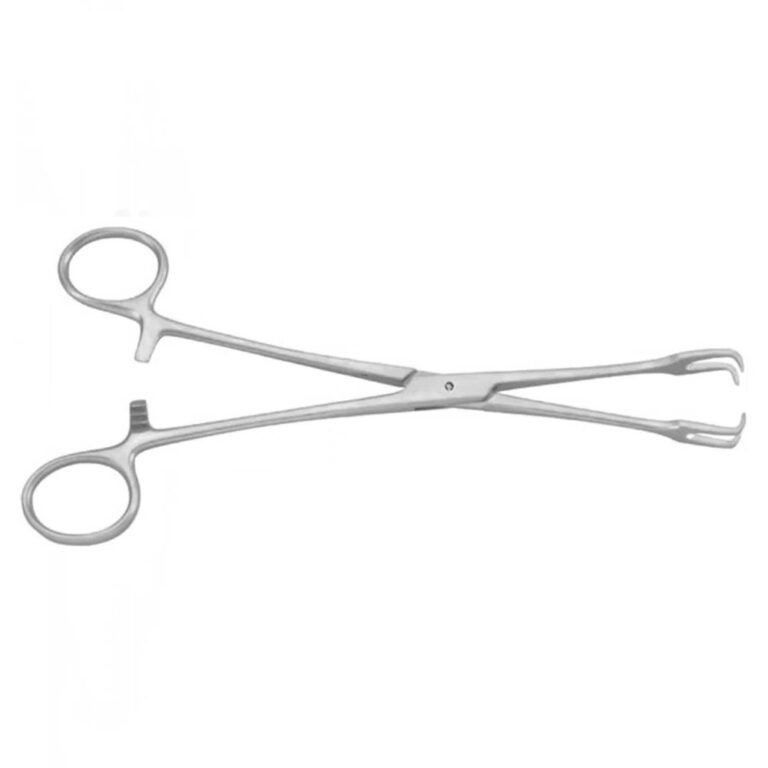
Museux Tonsil Grasping Forceps, 20 cm – 8 inches, Stainless Steel | NJ Medical Instruments
In stock
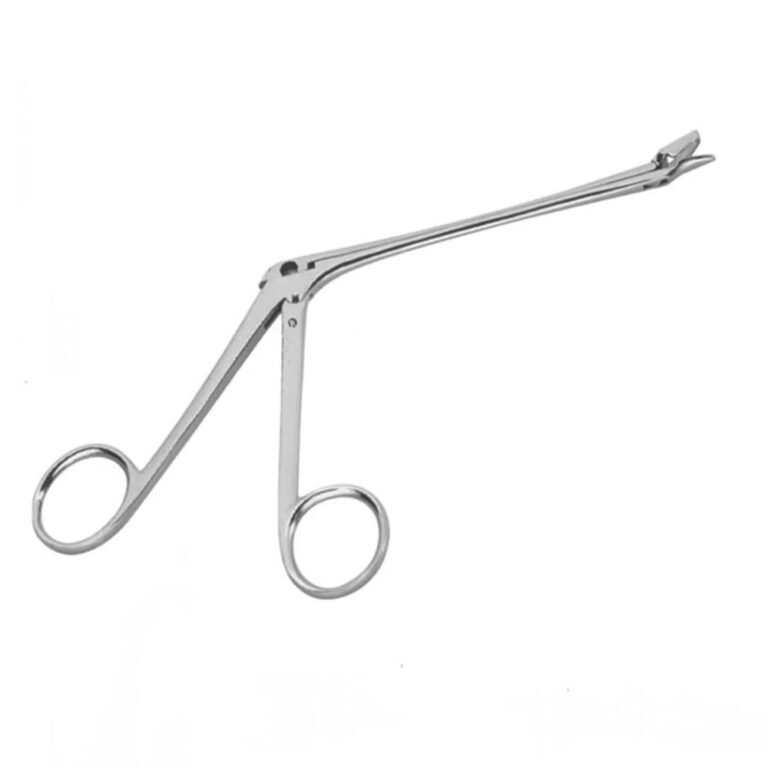
Schmeden Tonsil Punch, Through Cutting, 12 cm 4 3/4 inches, Stainless Steel | NJ Medical Instruments
In stock
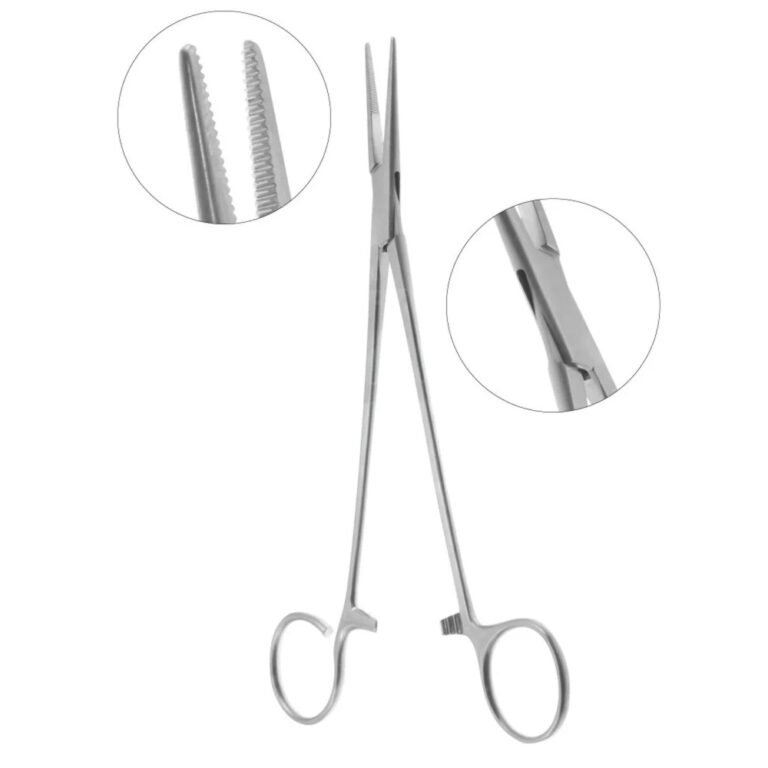
Schnidt Tonsil & Artery Forceps – 1 Open Ring, Curved | NJ Medical Instruments
In stock
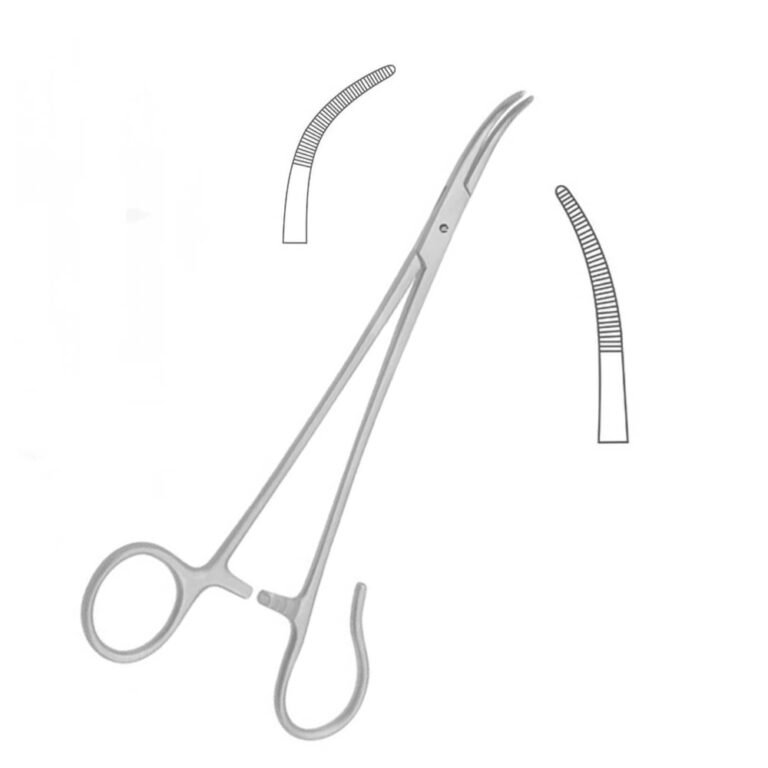
Schnidt Tonsil Forceps, 19 cm (7¼″), Stainless Steel
In stock
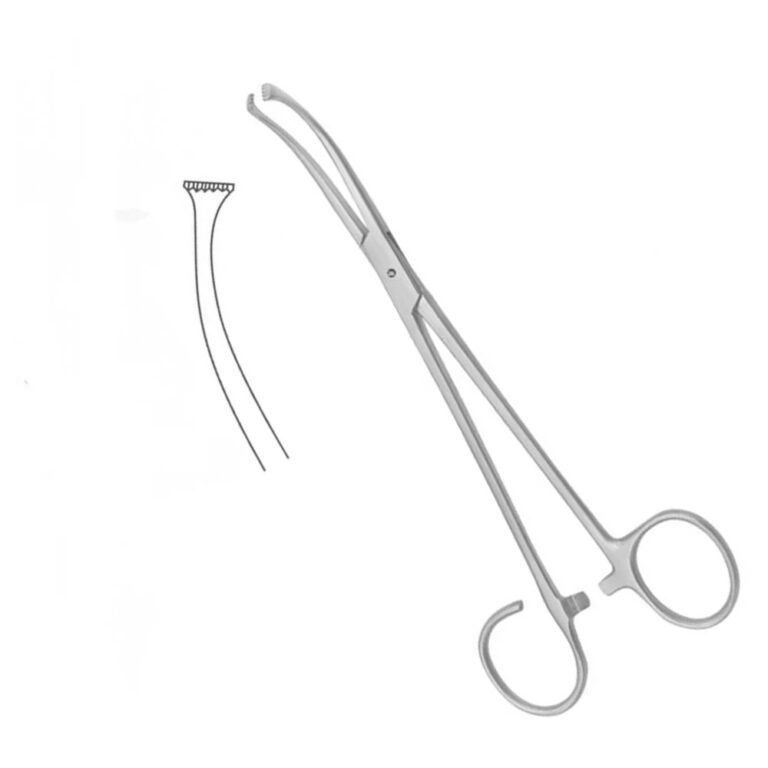
White Tonsil Grasping Forceps, 18 cm – 7 inches, Stainless Steel | NJ Medical Instruments
In stock
Tonsil & Adenoid Forceps and Punches: Working Blind at the Back of the Throat
Tonsil and adenoid instruments are shaped by one uncomfortable fact: the adenoid sits behind the soft palate, out of direct sight, and much of the work is done by feel. The tonsil bed can be seen with a gag and good light, but the adenoid pad lies above and behind it in the nasopharynx, where the surgeon is working around a corner. That is why the instruments in this range are long, angled, and often self-guiding — a punch that seats itself against the posterior wall, a curette shaped to sweep the roof of the nasopharynx, a forceps whose jaws close where the eye cannot follow. NJ Medical Instruments manufactures the full range in surgical-grade stainless steel, supplied worldwide direct from the factory for individual purchase and for bulk, wholesale, and OEM/private-label supply.
Tonsil forceps and dissection
Tonsil holding forceps grasp the tonsil and place it under tension so the capsule can be found and followed — the plane between capsule and muscle bed is what the dissection follows, and finding it depends on traction being steady. Patterns with fenestrated or ring jaws hold the tonsil securely without shredding it, which matters because a tonsil that tears mid-dissection loses the traction the surgeon was relying on.
Tonsil artery forceps are longer and finer than general haemostats, reaching into the fossa to clamp vessels at a depth where a standard forceps handle would obstruct the view through the gag.
Adenoid punches and curettes
Adenoid punches (St Clair Thomson and similar) work on a guillotine principle: the open frame is passed behind the palate, seated against the adenoid pad, and a sliding blade closes to remove tissue cleanly into the basket. The design retains the removed tissue rather than letting it fall into the airway, which is the entire reason for the enclosed head.
Adenoid curettes such as Barnhill and St Clair Thomson patterns sweep the nasopharynx with a sharp-edged, guarded blade. The guard limits how deeply the curette can bite, since the roof of the nasopharynx is thin and the structures above it are not ones to encounter.
Which instrument for which stage?
| Instrument | Action | Stage of procedure |
|---|---|---|
| Tonsil holding forceps | Fenestrated or ring jaws | Applying traction during dissection |
| Tonsil artery forceps | Long, fine, ratcheted | Clamping vessels in the fossa |
| Tonsil dissector | Blunt working end | Developing the capsular plane |
| Adenoid punch | Guillotine blade, enclosed head | Removing adenoid tissue, retained in basket |
| Adenoid curette (guarded) | Sharp edge with guard | Sweeping the nasopharynx |
| Tonsil snare | Tightening wire loop | Severing the pedicle |
Explore related instruments
- ENT Diagnostic Instruments and ENT Instrument Sets
- Suction Tubes — essential for keeping the field clear
- Artery Forceps & Ligature Clamps
- All Surgical Instruments
All manufactured in surgical-grade stainless steel to international standards, reusable and autoclavable, with worldwide shipping.
Bulk, wholesale & OEM supply
As a direct manufacturer, NJ Medical Instruments supplies tonsil and adenoid instruments in bulk and wholesale quantities to hospitals, ENT departments, teaching institutions, and distributors, and assembles complete tonsil and adenoid sets. OEM and private-label production with custom laser marking is available. Contact us by email at info@njmedicalinstruments.com or by WhatsApp for volume pricing — no minimum-order barriers, no middlemen.
Frequently asked questions
What instruments are used in a tonsillectomy?
A tonsillectomy typically uses a mouth gag to hold the field open, tonsil holding forceps to apply traction, a dissector to develop the plane between capsule and muscle bed, long artery forceps to clamp vessels in the fossa, and a snare to sever the pedicle, with suction throughout.
What is an adenoid punch used for?
An adenoid punch removes adenoid tissue using a guillotine action. The open frame is passed behind the palate, seated against the adenoid pad, and a sliding blade closes to cut the tissue into an enclosed basket, so the removed tissue is retained rather than falling into the airway.
Why are adenoid curettes guarded?
The guard limits how deeply the blade can bite. The roof of the nasopharynx is thin, and a guard prevents the curette cutting deeper than intended in an area the surgeon cannot see directly.
Why are tonsil artery forceps longer than standard ones?
The vessels being clamped sit deep in the tonsillar fossa, and the approach is through a mouth gag. A standard-length forceps would place the handle where it obstructs the surgeon's view of the very field being worked in.
Why do tonsil holding forceps have fenestrated jaws?
Fenestrated or ring jaws grip the tonsil securely without shredding it. Steady traction is what keeps the capsular plane visible, so a tonsil that tears under the forceps costs the surgeon the guidance the dissection depends on.
Do you supply tonsil and adenoid instruments in bulk or as complete sets?
Yes. We supply tonsil and adenoid instruments in bulk and wholesale quantities, assemble complete sets to your instrument list, and offer OEM or private-label production. Contact us by email or WhatsApp for volume pricing.