


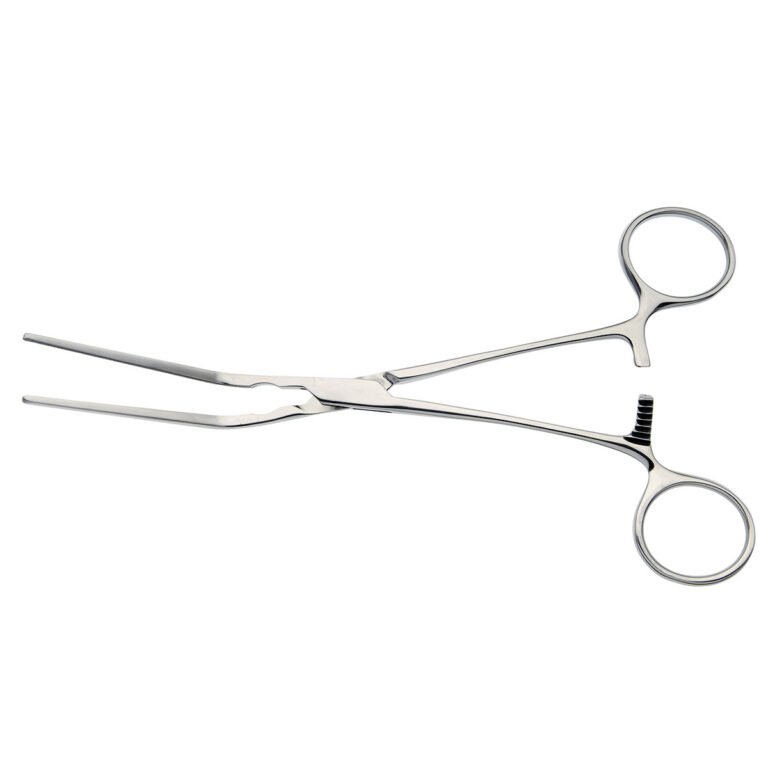
Delicate Multi-purpose Clamp | NJ Medical Instruments
In stock
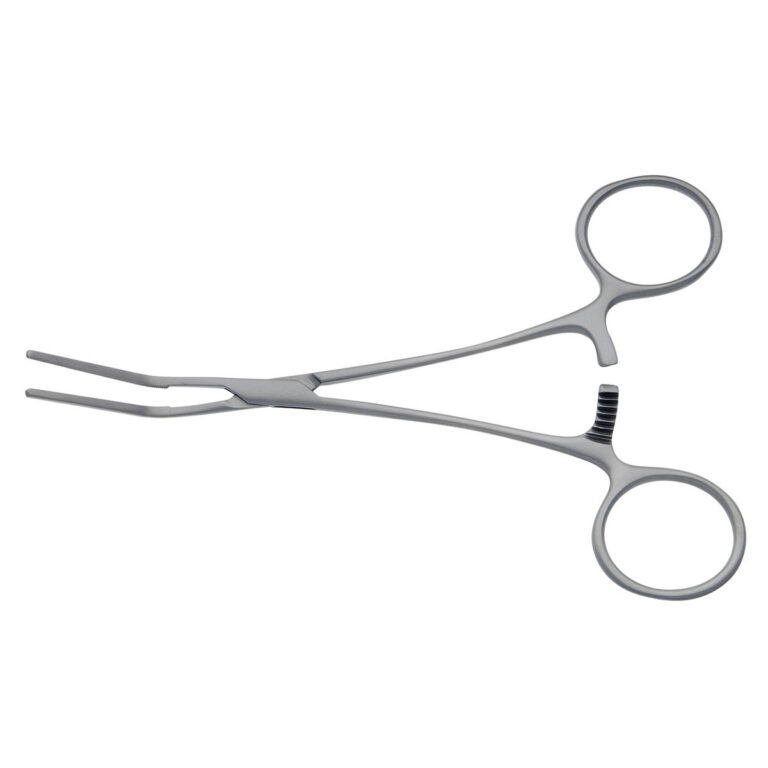
Mini Multi-purpose Clamp | NJ Medical Instruments
In stock
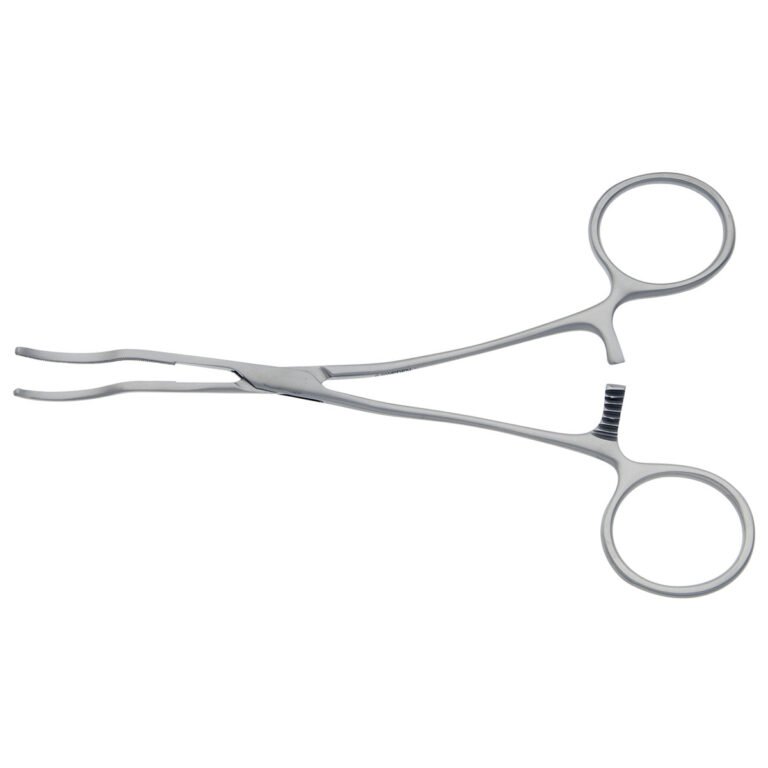
Mini Spoon-shaped Multi-purpose Clamp | NJ Medical Instruments
In stock
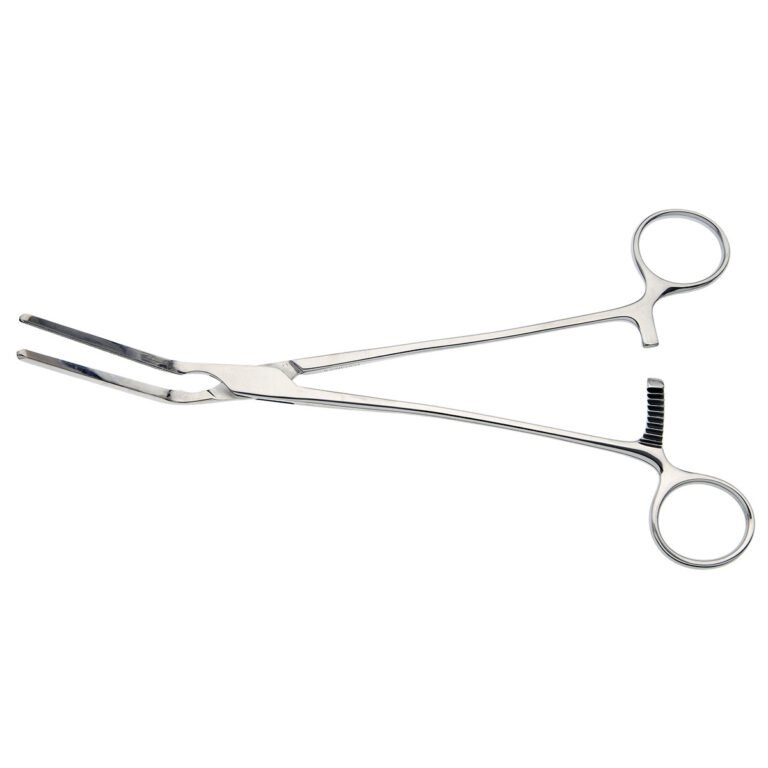
Multi-purpose Clamp | NJ Medical Instruments
In stock
Multi-purpose Clamps: One Instrument Across Several Applications
A multi-purpose clamp is designed to be useful in more than one situation rather than optimised for a single named procedure — and that is a genuine specification, not a compromise. Most vascular clamps are shaped for one anatomical target: a carotid clamp fits the carotid, an aortic clamp the aorta. A multi-purpose clamp is built with jaw geometry and shank angles chosen so it works acceptably across a range of vessels and structures. For a unit that cannot stock every named pattern, or for an operation where the anatomy is not exactly as expected, that versatility is what makes it worth having on the tray. NJ Medical Instruments manufactures the range in surgical-grade stainless steel, supplied worldwide direct from the factory for individual purchase and for bulk, wholesale, and OEM/private-label supply.
What versatility actually requires
Three features make a clamp broadly usable. Atraumatic jaw serrations — fine, longitudinal, and shallow — hold a vessel closed without damaging the wall, which is the baseline requirement for anything the surgeon intends to reopen. A graded ratchet allows closing pressure to be matched to the structure, so the same instrument can hold a small vessel lightly or a larger one firmly. Angled or curved shanks let the jaws be presented to structures approached from different directions without the handle obstructing the field.
Where a named pattern is still better
Multi-purpose does not mean universal, and it is worth being clear about that. A clamp shaped for a specific vessel — the curve of an aortic clamp, the reach of a profunda clamp — will seat more securely and occlude more reliably on that target than a general instrument. Multi-purpose clamps earn their place as the instrument that covers the gaps, not as a replacement for the named patterns in the procedures those were designed for.
Checking before use
The jaws must meet evenly along their full length — a clamp that closes at the tip but gapes proximally does not occlude, and the leak is discovered after release rather than before. The ratchet should hold securely at the first tooth, since that is the setting used most often on delicate structures.
Which clamp do you need?
| Feature | Character | Why it matters |
|---|---|---|
| Atraumatic serrations | Fine, longitudinal, shallow | Occludes without damaging the wall |
| Graded ratchet | Multiple teeth | Pressure matched to the structure |
| Angled shanks | Offset from jaws | Handle clear of the operative field |
| Curved jaws | Follows vessel contour | Even closure along the length |
| Straight jaws | Direct application | Superficial and accessible structures |
| Range of lengths | Short to long shanks | Superficial through deep cavity access |
Explore related clamps
- All Clamps
- Peripheral Vascular Clamps and Anastomosis Clamps
- Intestinal Grasping Forceps
- Artery Forceps & Ligature Clamps
All manufactured in surgical-grade stainless steel to international standards, reusable and autoclavable, with worldwide shipping.
Bulk, wholesale & OEM supply
As a direct manufacturer, NJ Medical Instruments supplies multi-purpose clamps in bulk and wholesale quantities to hospitals, surgical centres, and distributors, and produces OEM / private-label clamps in custom jaw patterns and lengths with laser marking. Contact us by email at info@njmedicalinstruments.com or by WhatsApp for volume pricing — no minimum-order barriers, no middlemen.
Frequently asked questions
What is a multi-purpose clamp?
It is a clamp with jaw geometry and shank angles chosen to work acceptably across a range of vessels and structures, rather than being shaped for one named anatomical target.
When should a multi-purpose clamp be used instead of a named pattern?
Where a unit cannot stock every named clamp, or where the anatomy is not exactly as anticipated. For the specific procedure a named clamp was designed for, that clamp will seat and occlude more reliably.
What makes a clamp atraumatic?
Fine, shallow, longitudinal jaw serrations that hold the vessel closed without concentrating pressure into ridges across the wall. That is the requirement for any vessel the surgeon intends to reopen.
Why does the ratchet have multiple teeth?
So closing pressure can be graded. The first tooth applies light pressure suitable for a small or delicate vessel; running the ratchet further applies more grip for a larger structure.
How do I check a clamp is still serviceable?
The jaws must meet evenly along their full length. A clamp that closes at the tip but gapes proximally will not occlude, and the leak is discovered after release rather than before. The ratchet should also hold securely at the first tooth.
Do you supply multi-purpose clamps in bulk or for OEM / private label?
Yes. As a direct manufacturer we supply multi-purpose clamps in bulk and wholesale quantities and produce OEM / private-label clamps in custom jaw patterns and lengths. Contact us by email or WhatsApp for volume pricing.