


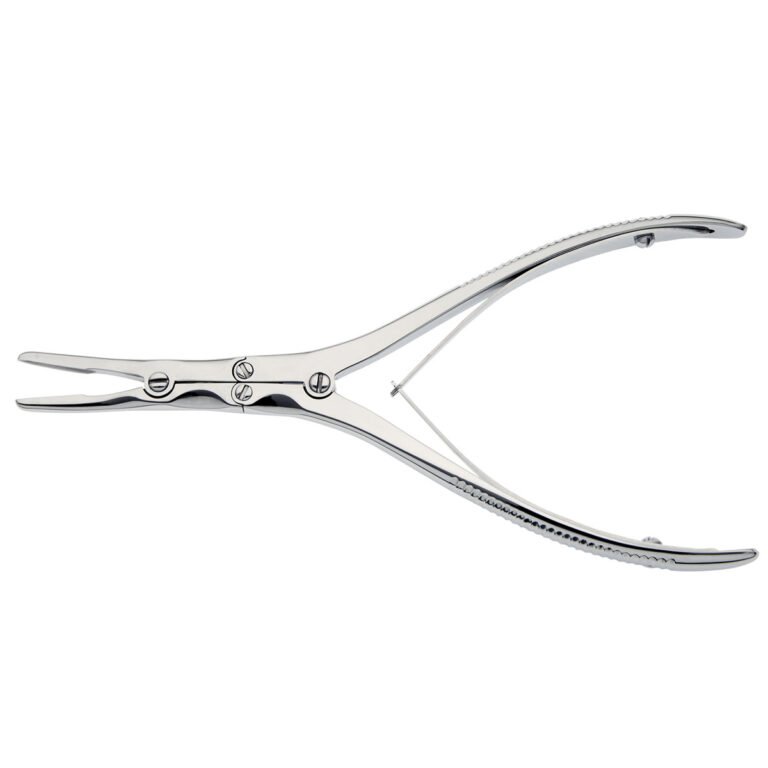
Beyer Bone Rongeur | NJ Medical Instruments
In stock
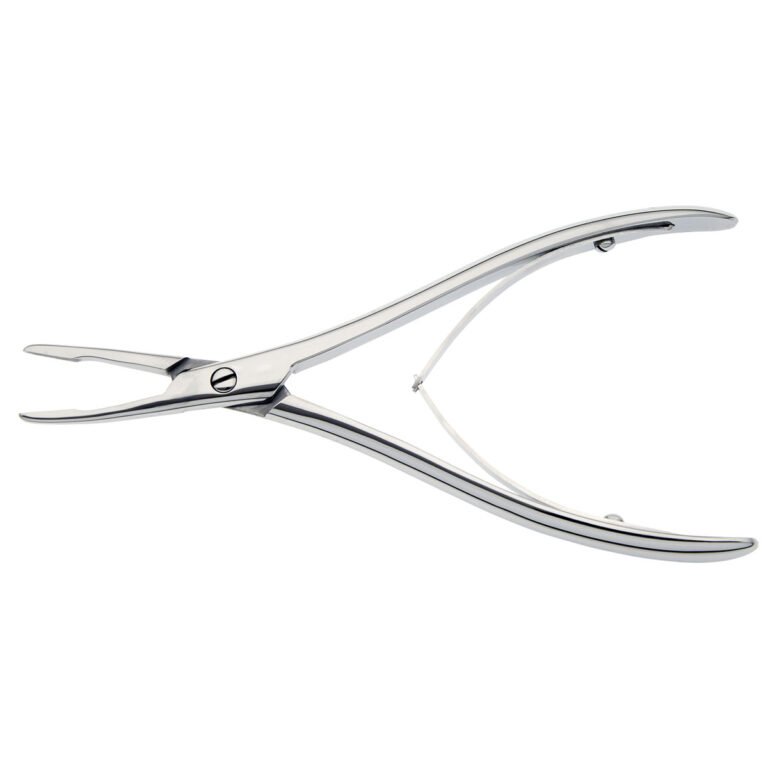
Beyer Single-Action Joint Bone Rongeur | NJ Medical Instruments
In stock
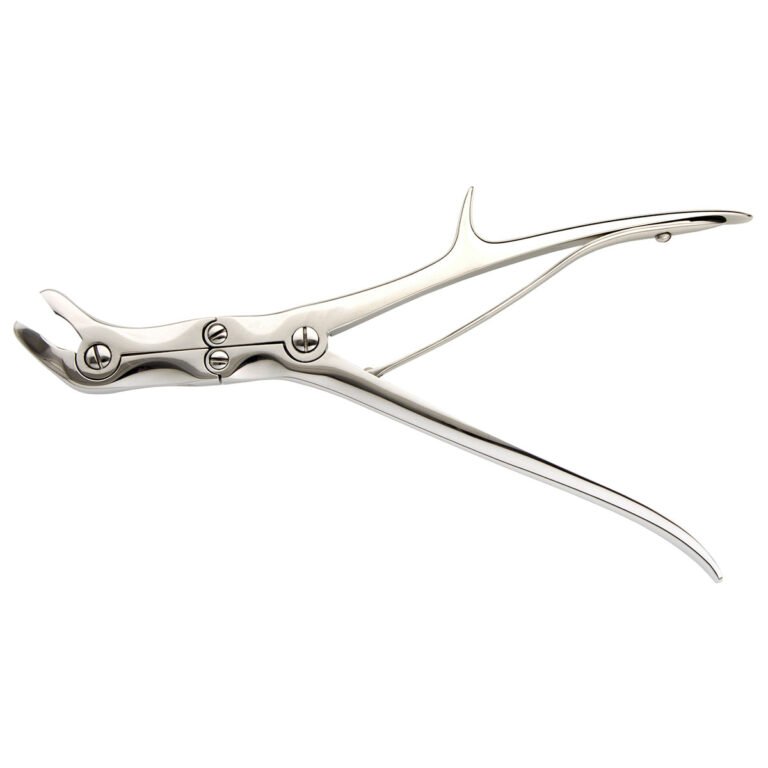
Bone Rongeur | NJ Medical Instruments
In stock
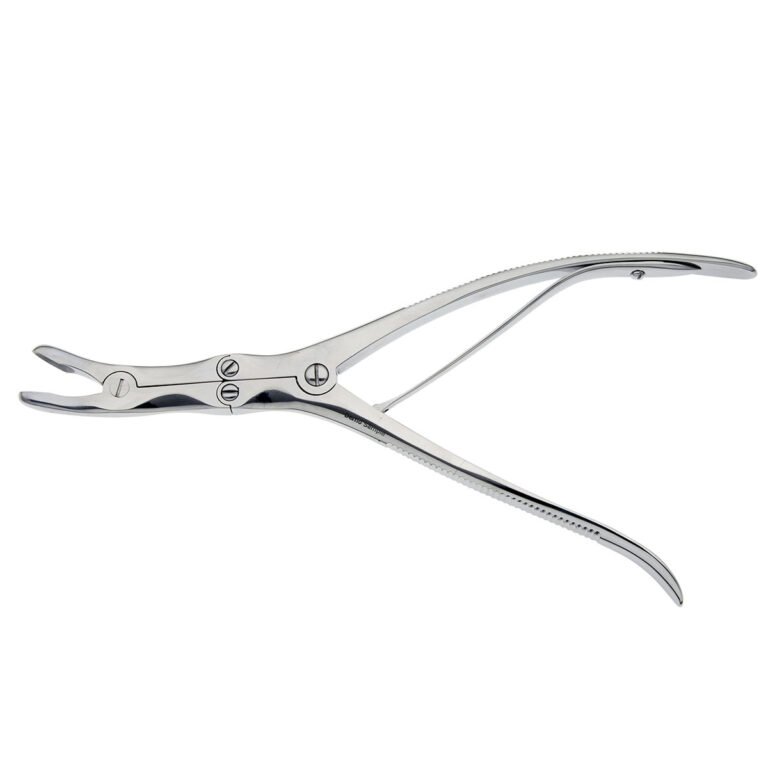
Leksell-Bone Rongeur | NJ Medical Instruments
In stock
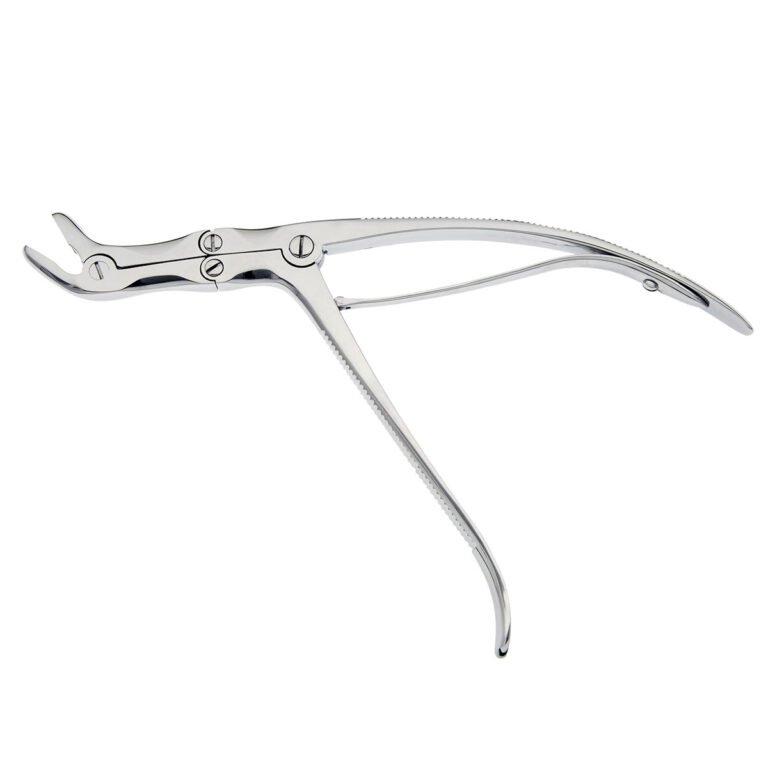
Leksell-Strongly Curved Bone Rongeur | NJ Medical Instruments
In stock
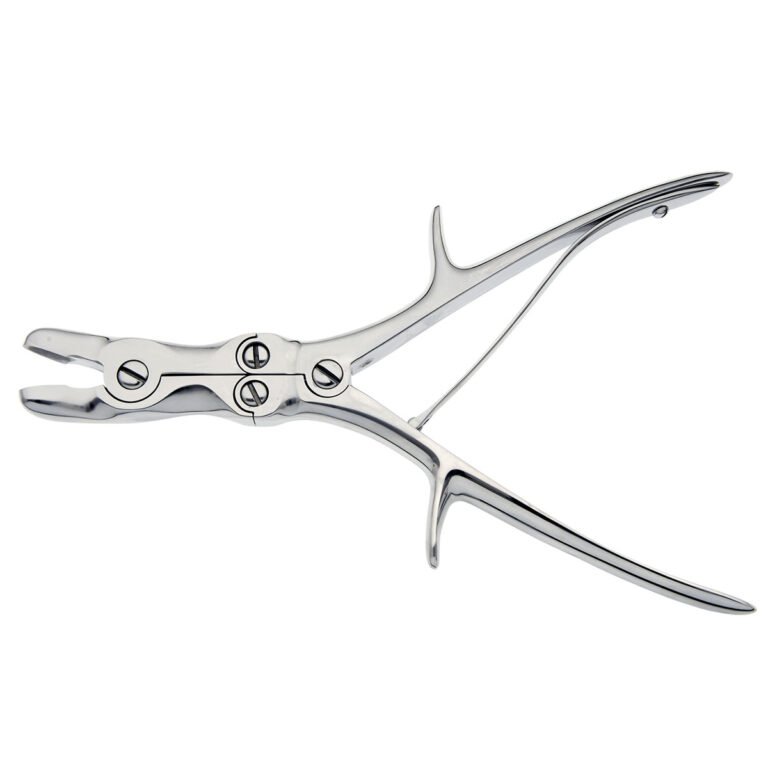
Luer-Bone Rongeur | NJ Medical Instruments
In stock
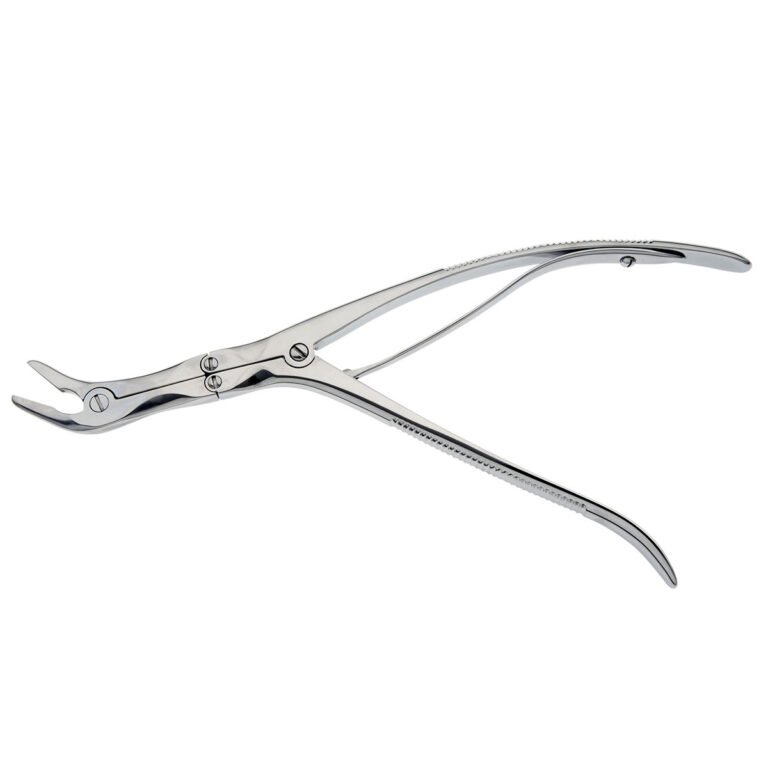
Parallel Jaws Bone Rongeur | NJ Medical Instruments
In stock
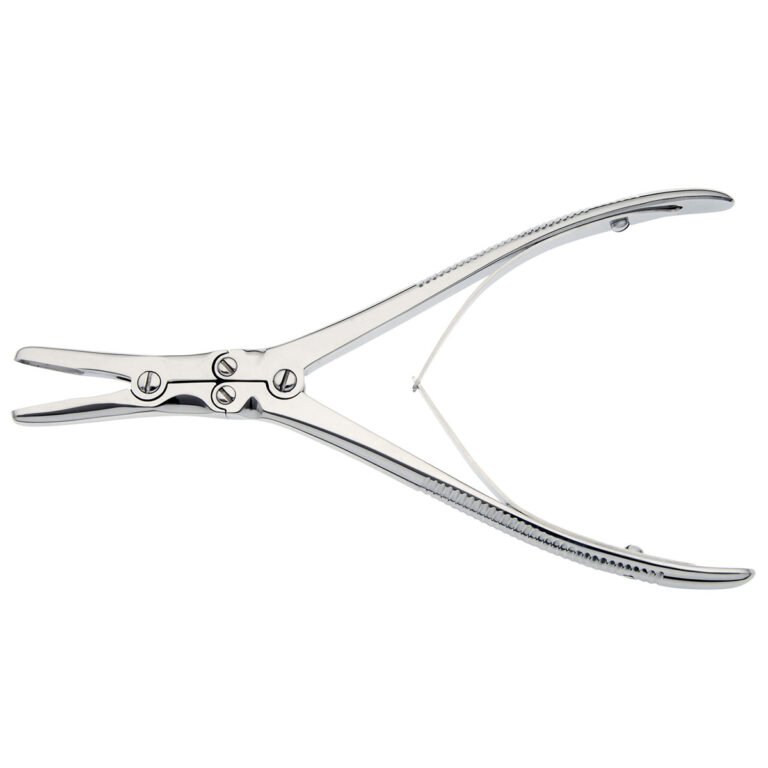
Ruskin-Bone Rongeur | NJ Medical Instruments
In stock
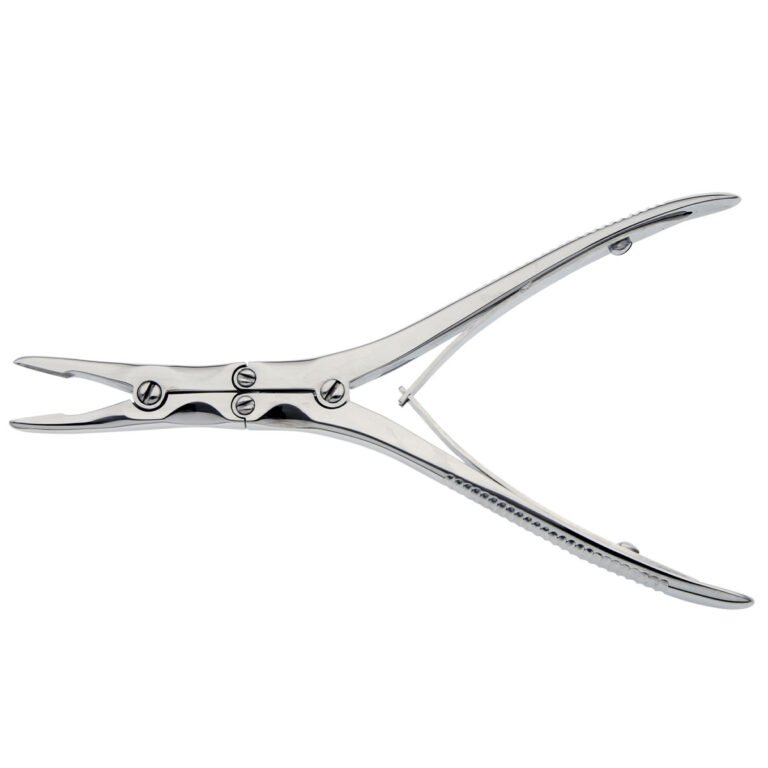
Short Bone Rongeur | NJ Medical Instruments
In stock
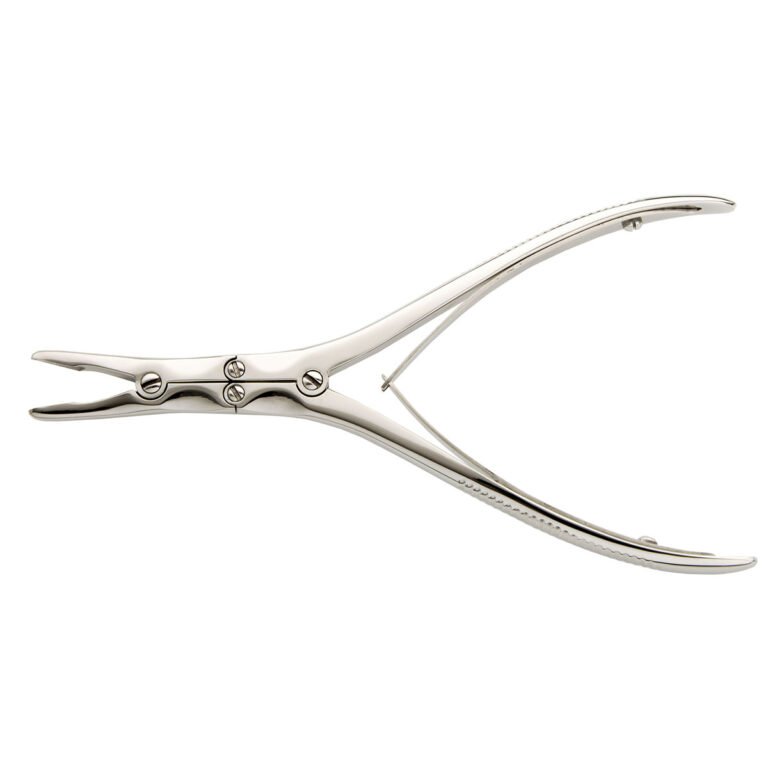
Zaufal-jansen Bone Rongeur | NJ Medical Instruments
In stock
Bone Rongeurs: Removing Bone in Controlled Bites
A rongeur removes bone progressively rather than all at once, and that difference is the whole reason the instrument exists. Cup-shaped jaws close on a small piece of bone, cut it free, and the surgeon repeats — so the removal happens in increments the surgeon can assess between bites. When you are decompressing a nerve root, shaping a bone edge, or working close to dura, that incremental control is not a convenience: a single decisive cut in the wrong place cannot be undone, whereas a bite that goes slightly too far leaves the rest of the field intact. NJ Medical Instruments manufactures the full range in surgical-grade stainless steel, in single and double action, supplied worldwide direct from the factory for individual purchase and for bulk, wholesale, and OEM/private-label supply.
Single versus double action
The distinction matters most on dense cortical bone. A single-action rongeur transmits the surgeon's grip force directly to the jaws through one hinge — adequate for cancellous bone and smaller fragments. A double-action rongeur adds a second hinge that multiplies leverage, so the same hand force produces substantially more cutting power at the jaws. On cortical bone this often decides whether the instrument works at all, and across a long case it reduces the hand fatigue that quietly erodes control.
Jaw width and reach
Two specifications define the instrument beyond its action. Jaw width sets how much bone each bite takes — narrow jaws for precision in confined spaces, wider jaws for faster removal in open fields. Shaft length determines reach, and longer shafts are needed for deep corridors, though a longer instrument also flexes more under load, which is why deep-reach rongeurs are built heavier in section.
Keeping the jaws working
Rongeur jaws are the wearing part. Blunt or misaligned jaws stop cutting cleanly and start crushing bone instead, which produces ragged edges and more debris. Jaws should be inspected for edge condition and alignment at each reprocessing, and the box joint checked for play — a joint that has loosened lets the jaws separate under load precisely when force is being applied.
Which rongeur do you need?
| Pattern | Action / jaw | Best for |
|---|---|---|
| Luer rongeur | Broad cup jaws | General bone nibbling and shaping |
| Stille-Luer | Heavier cup jaws | Larger bone, more robust removal |
| Single action | One hinge | Cancellous bone, smaller fragments |
| Double action | Two hinges, more leverage | Dense cortical bone, less fatigue |
| Narrow jaw | Reduced bite width | Precision in confined spaces |
| Kerrison type | Footplate and punch | Removing bone away from dura |
| Pituitary rongeur | Long shaft, fine cups | Deep, narrow corridors |
Explore related surgical instruments
- Bone Cutters & Rongeurs
- Spinal Surgical Instrumentation
- Curettes, Raspatories & Elevators
- Orthopedic Sets
All manufactured in surgical-grade stainless steel to international standards, reusable and autoclavable, with worldwide shipping.
Bulk, wholesale & OEM supply
As a direct manufacturer, NJ Medical Instruments supplies bone rongeurs in bulk and wholesale quantities to hospitals, orthopedic and spinal units, and distributors, and produces OEM / private-label instruments in custom jaw widths and shaft lengths with laser marking. Contact us by email at info@njmedicalinstruments.com or by WhatsApp for volume pricing — no minimum-order barriers, no middlemen.
Frequently asked questions
What is a bone rongeur used for?
A rongeur removes bone in small controlled bites using cup-shaped jaws, rather than cutting through it in one action. This lets the surgeon assess progress between bites, which matters when shaping an edge or working near nerves and dura.
What is the difference between single and double action rongeurs?
A single-action rongeur has one hinge and transmits grip force directly to the jaws. A double-action rongeur adds a second hinge that multiplies leverage, producing far more cutting power for the same hand force — important on dense cortical bone and over long cases.
What is the difference between a rongeur and a bone cutter?
A rongeur bites out small pieces progressively with cup jaws. A bone cutter has two sharpened blades that meet and divide bone in a single decisive cut. Rongeurs are used where incremental control matters; cutters where clean division is needed.
What jaw width should I choose?
Narrow jaws give precision in confined spaces and take smaller bites. Wider jaws remove bone faster in open fields. The choice follows the working space and how much control each bite requires.
How do I know when a rongeur needs replacing?
When the jaws crush rather than cut cleanly, when they no longer meet in alignment, or when the box joint has developed play that lets the jaws separate under load. All three appear gradually, so jaws should be inspected at each reprocessing.
Do you supply bone rongeurs in bulk or for OEM / private label?
Yes. As a direct manufacturer we supply bone rongeurs in bulk and wholesale quantities and produce OEM / private-label instruments in custom jaw widths and shaft lengths. Contact us by email or WhatsApp for volume pricing.