


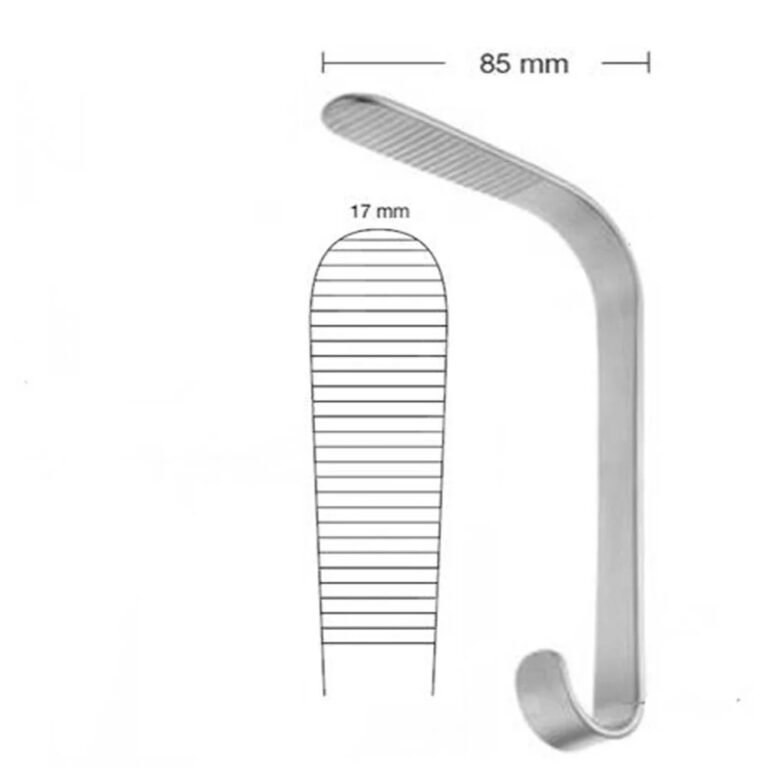
Andrews Tongue Depressor | NJ Medical Instruments
In stock
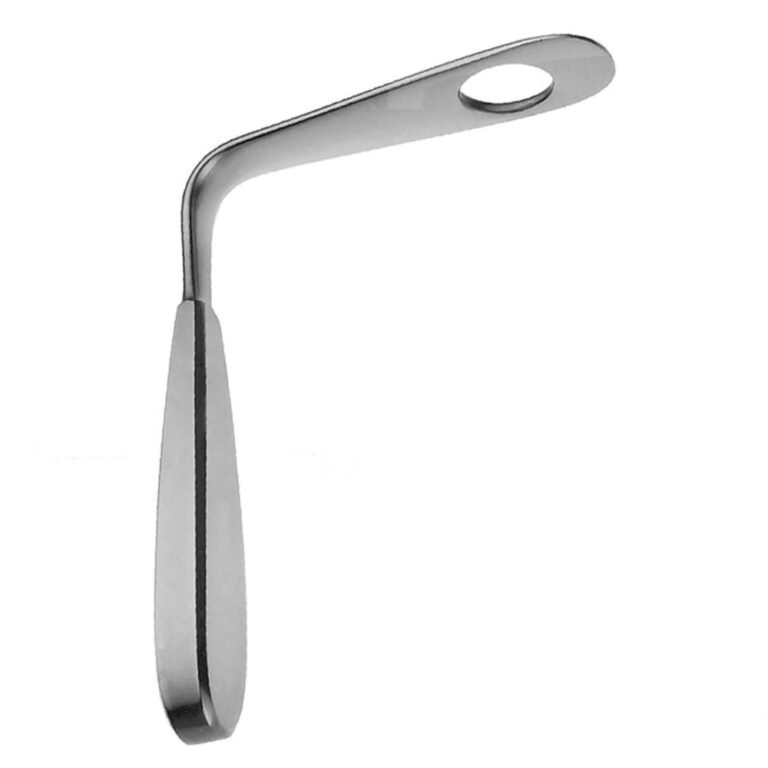
Bosworth Tongue Depressor | NJ Medical Instruments
In stock
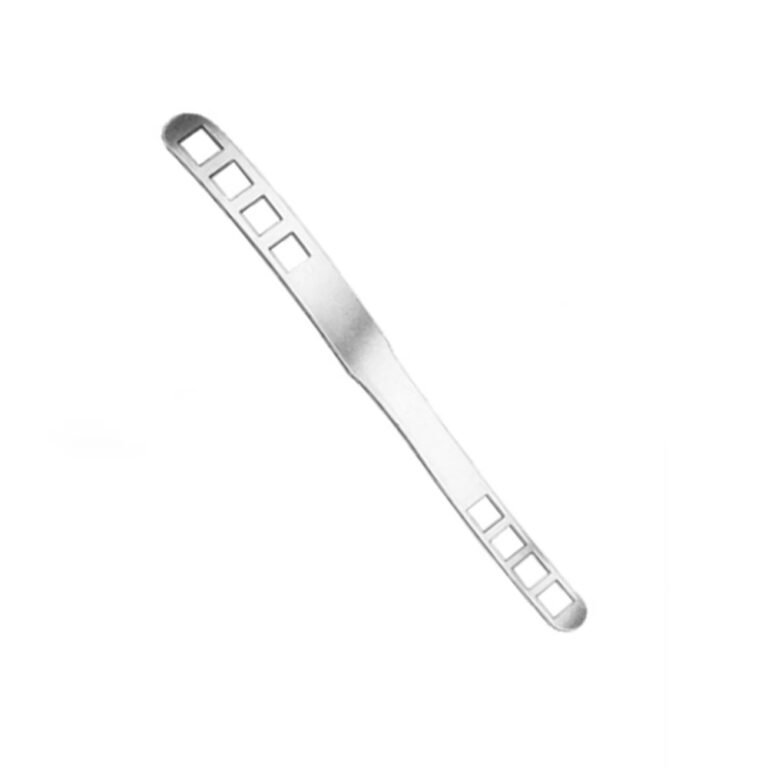
Bruenings Tongue Spatula | NJ Medical Instruments
In stock
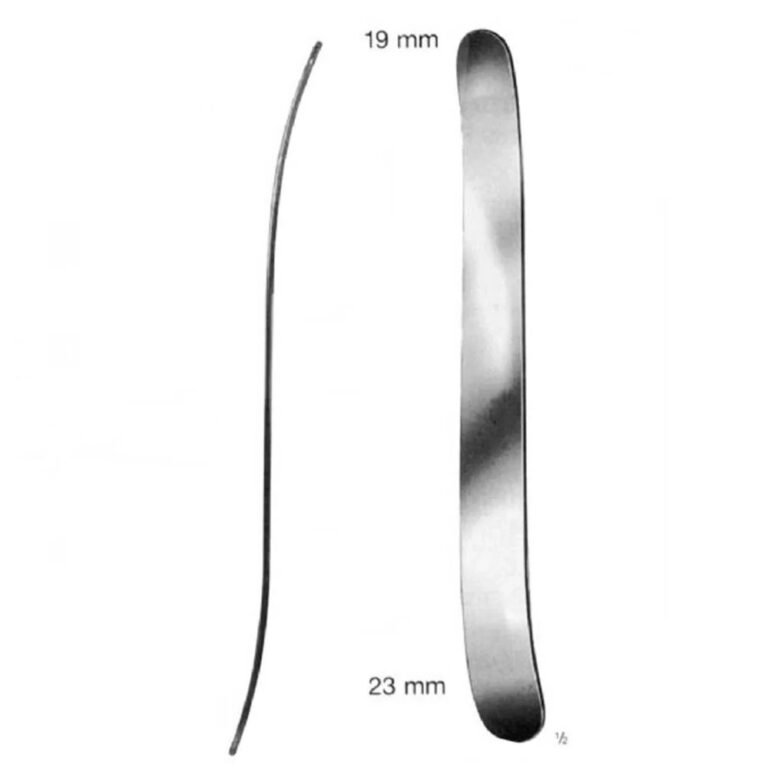
Buchwald Tongue Spatula | NJ Medical Instruments
In stock
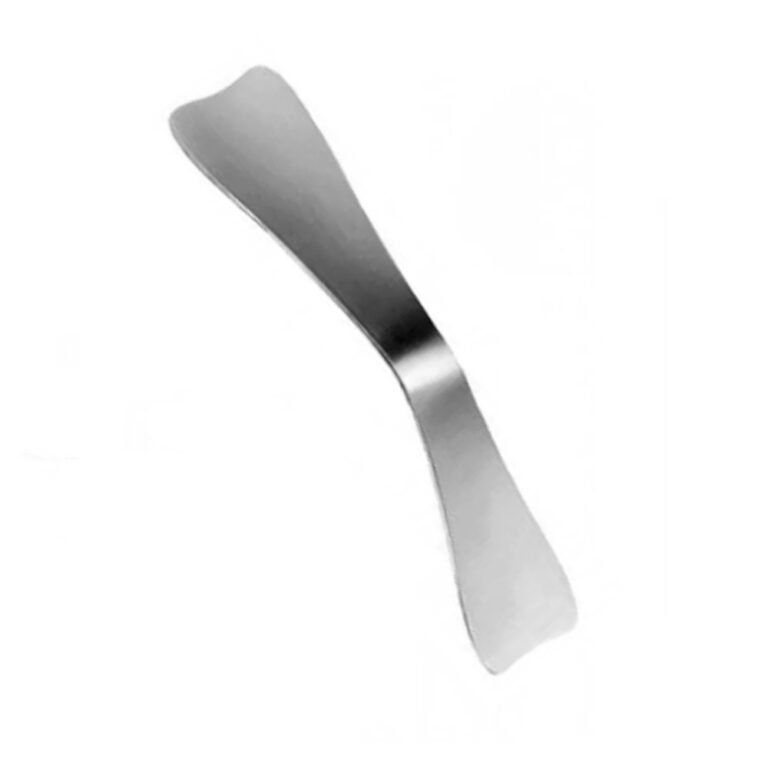
Doyen Tongue Spatula | NJ Medical Instruments
In stock
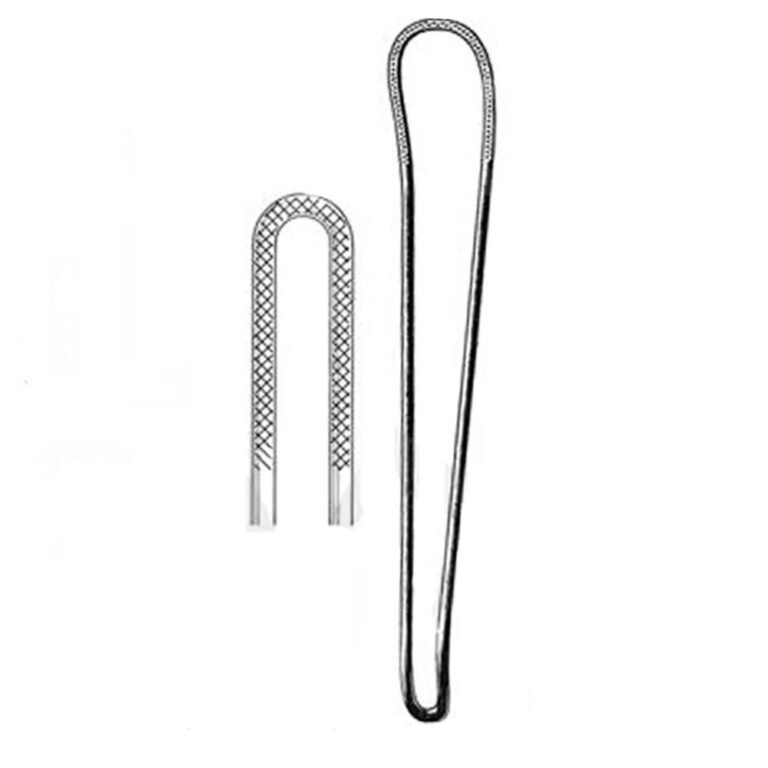
Frenzel Tongue Spatula | NJ Medical Instruments
In stock
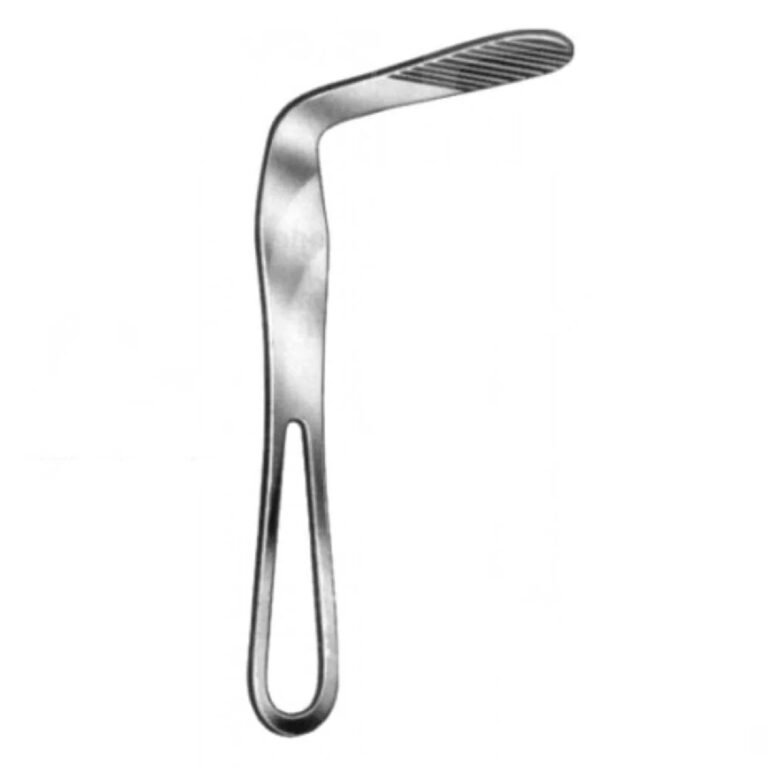
Hartmann Tongue Depressor | NJ Medical Instruments
In stock
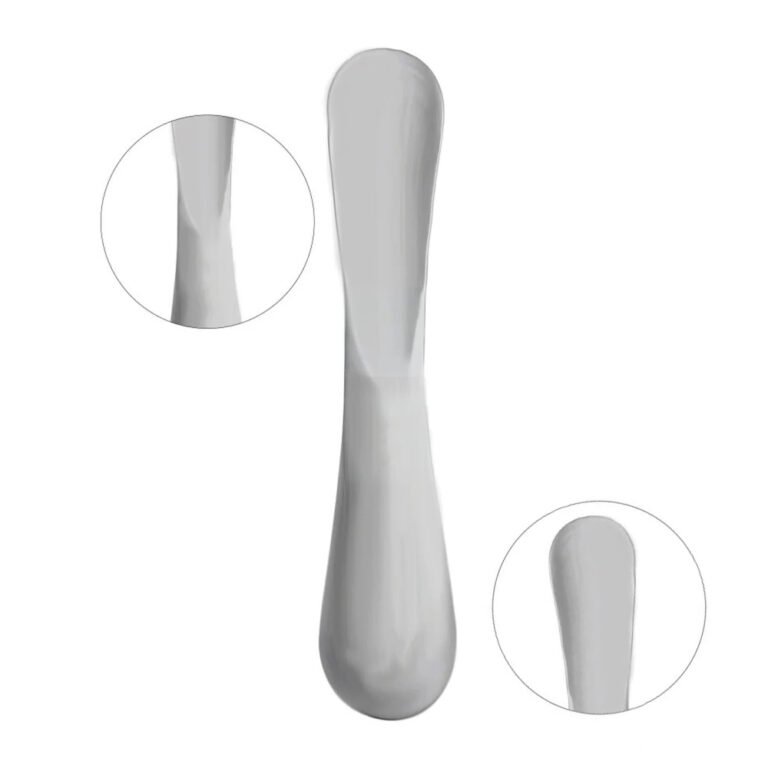
Jaeger Lid Plate | NJ Medical Instruments
In stock
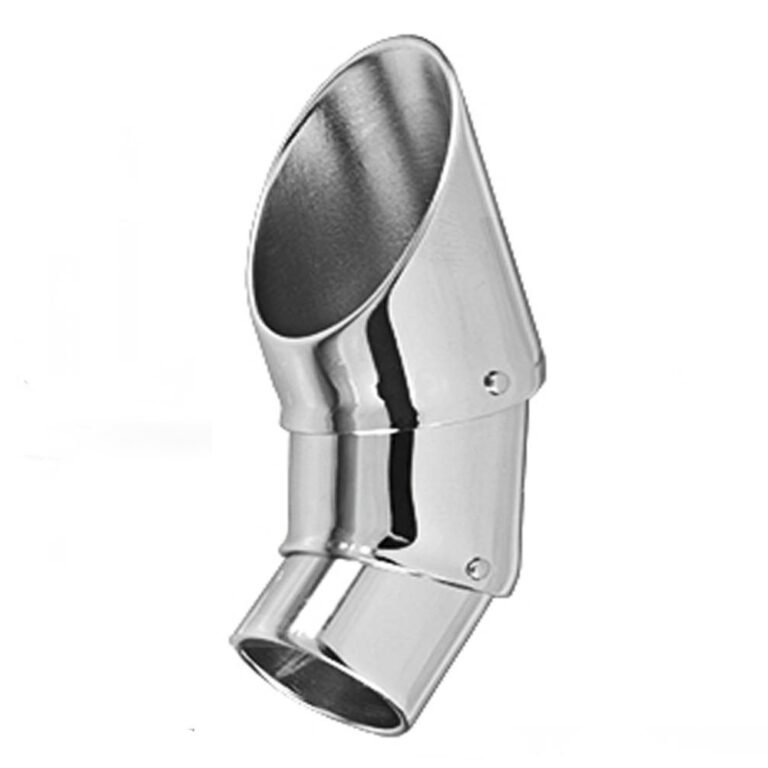
Langenbeck Finger Protector/Guard | NJ Medical Instruments
In stock
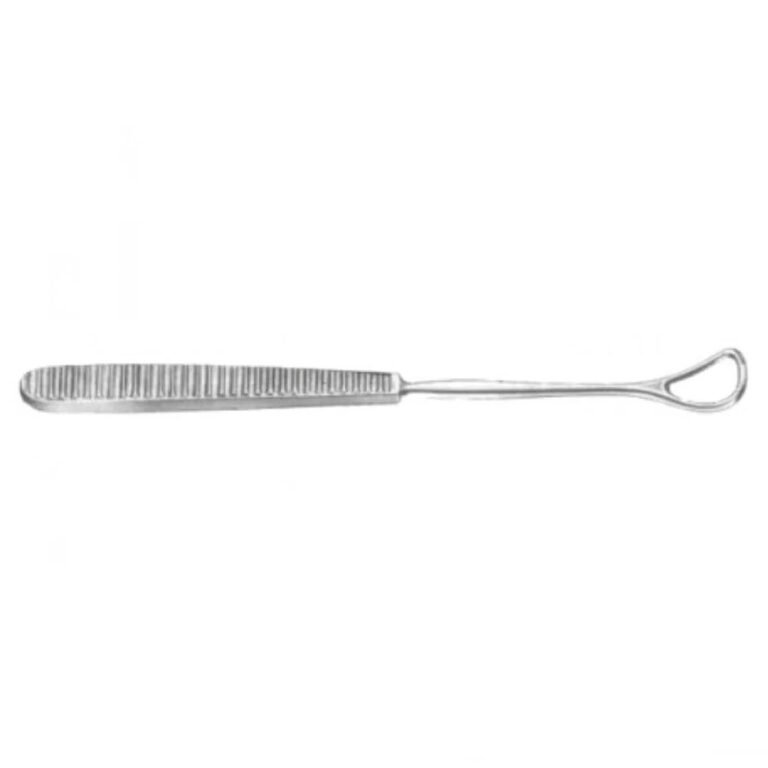
Moritz Schmid Tongue Depressor | NJ Medical Instruments
In stock
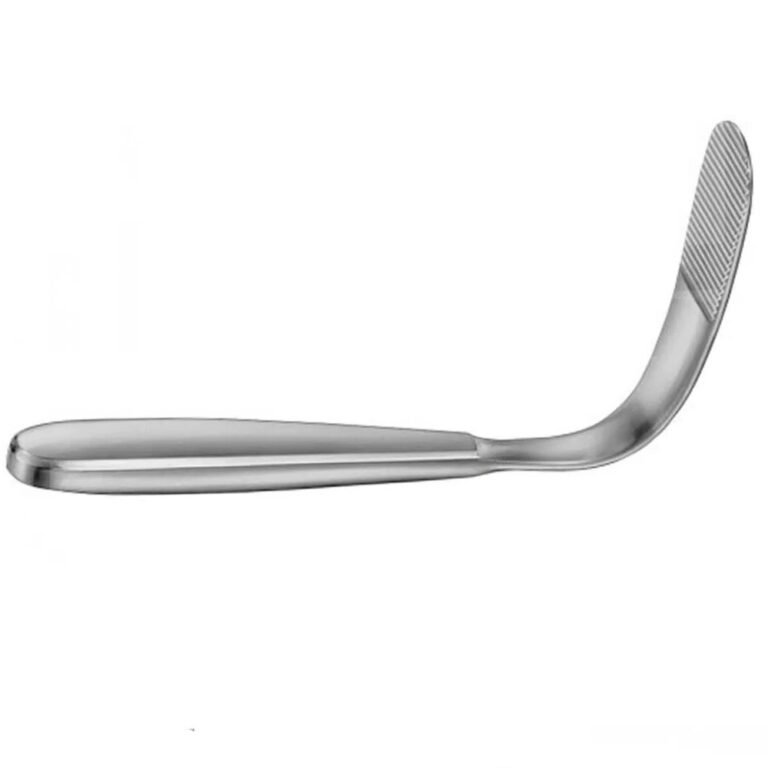
Tobold Tongue Depressor | NJ Medical Instruments
In stock
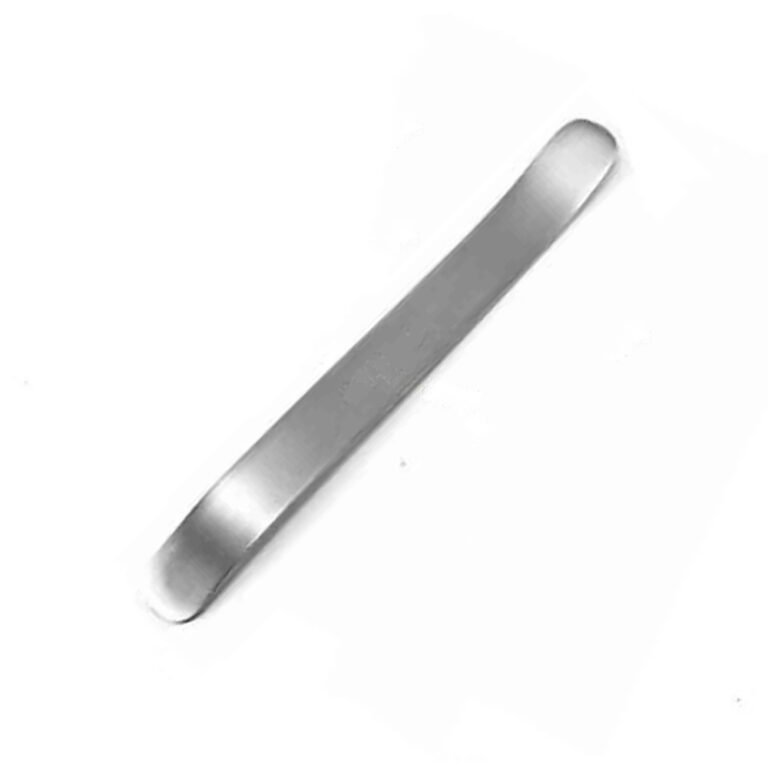
Finger Guards and Tongue Depressors: How Blade Shape Decides What You Can See
A tongue depressor is judged almost entirely by what it lets you see past, not by what it does to the tongue. Every pattern in this category works the same way: it presents a flat surface that holds soft tissue clear of the field. The differences between them come down to three things, namely how wide the blade is, how the working surface is finished, and how much instrument sits between your hand and the mouth. Get those right and the oropharynx, tonsils or working site stay visible without the patient fighting you. Get them wrong and you are looking at the back of your own instrument.
Depressor or spatula: the distinction that matters when ordering
The two names are used interchangeably across most catalogues, and the real difference is one of proportion rather than function. Depressor patterns such as the Andrews, Hartmann, Bosworth, Tobold and Moritz Schmid are typically a single piece of steel with a working blade at one or both ends, sized for examination and quick to bring in and out. Spatula patterns such as the Doyen, Buchwald, Bruenings and Frenzel usually carry a broader or longer blade and a more defined handle, which is what you want when the instrument has to be held steady for minutes rather than seconds.
When specifying an order, ignore the name and check two figures: overall length and blade width. Those decide whether an instrument suits a routine throat examination or an operative field, and they are the only measurements that transfer reliably between manufacturers.
Blade width: the trade-off nobody puts on the label
A wider blade flattens more of the tongue and gives a cleaner view of the back of the mouth. It also contacts more of the tongue base, which is exactly where the gag reflex is easiest to provoke. A narrow blade is far better tolerated, but it lets the tongue bulge around its edges, so you press harder to compensate and provoke the reflex anyway.
The practical answer is to match blade width to the mouth rather than to the task. Narrow patterns such as the Buchwald earn their place in paediatric and restricted-access work. Broad patterns such as the Doyen are for operative retraction, where the patient is not going to react. Most clinics carrying a general caseload are better served by one of each than by several of one.
Why some blades are ridged, fenestrated or dished
A tongue is wet, mobile and rounded, and a plain polished blade slides off it. Ribbing, fenestration and a slight longitudinal dish all exist to solve that single problem. A textured or fenestrated working surface, as on the Bruenings pattern, gives the blade something to hold against so it stays where you put it under lighter pressure. A dished or heart-shaped blade, as on the Wieder retractor, adds a raised edge that stops tissue rolling over the side.
The trade-off is straightforward. A textured blade grips better and needs less force; a smooth blade is more comfortable and slides into position more easily. Neither is superior, and they suit different lengths of procedure.
Finger guards and lid plates: working behind the instrument
Two patterns here have nothing to do with the tongue. The Langenbeck finger protector is a shaped steel guard worn over the finger so the hand can support or steady tissue directly while staying shielded from a blade or needle. The Jaeger lid plate does the same job from the opposite direction: a smooth plate slid behind tissue to give firm, controlled backing to incise against, so the instrument stops at the plate rather than at whatever lies beneath it.
Both are protective backing instruments, and both are chosen on the same criterion. A smooth, continuous surface with no edge or seam that could catch matters far more here than any dimension on the specification sheet.
Which finger guard or tongue depressor do you need?
| Pattern | Blade form | Best suited to |
|---|---|---|
| Andrews Tongue Depressor | Plain flat blade, smooth finish | Routine throat and oral examination |
| Hartmann Tongue Depressor | Compact blade, examination proportions | Clinic use where a short instrument is easier to control |
| Buchwald Tongue Spatula | Narrow blade | Paediatric and restricted-access mouths |
| Doyen Tongue Spatula | Broad, rounded blade | Operative retraction holding a large tissue area |
| Bruenings Tongue Spatula | Textured or fenestrated working surface | Longer procedures where the blade must not slip |
| Frenzel Tongue Spatula | Heavier pattern with a defined handle | Sustained retraction held by an assistant |
| Wieder Tongue Retractor | Heart-shaped, dished blade | Oral and dental surgery needing a raised edge |
| Langenbeck Finger Protector | Shaped guard worn over the finger | Shielding the supporting hand near a blade or needle |
Related categories
- Mouth Gags for holding the mouth open when a depressor alone will not maintain access.
- Suction Tubes to keep the field clear once the tongue is retracted.
- Surgical Retractors for the wider range of tissue-holding patterns.
- Adenoid Curettes for the working instruments used once oral access is established.
- Ear Instruments for the rest of the ENT diagnostic range.
Bulk, wholesale and OEM supply
NJ Medical Instruments manufactures direct from Sialkot with no middlemen, supplying clinics and individual practitioners as well as hospitals, distributors, dental schools and procurement teams. Bulk pricing, custom specifications and private-label or OEM manufacturing are available across this range. For quantity quotations or your own branding on these patterns, email info@njmedicalinstruments.com or message +92-333-8733922 on WhatsApp.
Frequently asked questions
What is the difference between a tongue depressor and a tongue spatula?
In practice the terms overlap and many catalogues use them for the same instrument. The useful distinction is proportion: depressor patterns tend to be examination instruments with a blade at one or both ends, while spatula patterns tend to carry a broader or longer blade with a more defined handle for sustained retraction. Compare overall length and blade width rather than the name.
What blade width should I choose?
Match the width to the mouth, not the procedure. A wider blade gives a better view but contacts more of the tongue base and provokes the gag reflex more readily. A narrower blade is better tolerated but allows the tongue to bulge around it. A general clinic caseload is usually best covered by holding one narrow and one broad pattern rather than several of the same width.
Why do some tongue spatulas have a ridged or fenestrated blade?
Grip. A wet, mobile tongue slides against a plain polished blade, so the operator compensates by pressing harder. Ribbing and fenestration give the working surface something to hold against, which keeps the blade in position under lighter pressure. The trade-off is that a smooth blade is more comfortable for the patient and easier to slide into place.
What is a Langenbeck finger protector used for?
It is a shaped steel guard worn over the finger so the supporting hand can steady or hold tissue directly while remaining shielded from a blade or needle. It is chosen on surface finish rather than dimensions: the guard needs a smooth, continuous surface with no edge or seam that could catch.
Do you supply these instruments in bulk or under our own brand?
Yes. NJ Medical Instruments is an OEM manufacturer and direct supplier, so bulk quantities, custom specifications and private-label branding are all available on this range. Send your pattern list and quantities to info@njmedicalinstruments.com for a quotation.
What are these instruments made from and do you ship internationally?
All patterns in this category are manufactured in surgical-grade stainless steel to international standards. We ship worldwide from Sialkot, Pakistan, with offices supporting customers in the UK and UAE.