


-7%
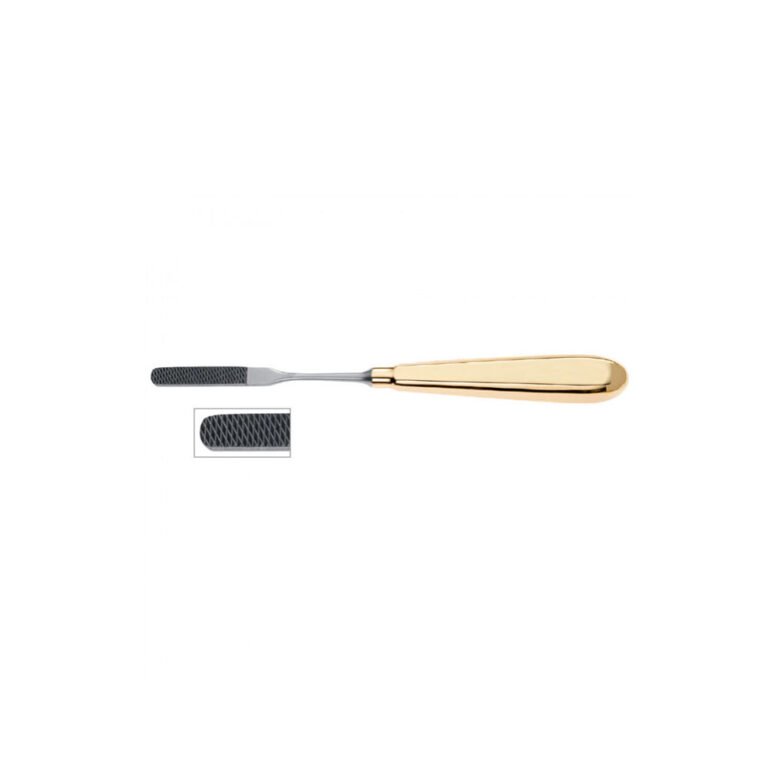
Aston Reduction Push/Pull Nasal Rasp, 20 cm – Tungsten Carbide Fine
Plastic Surgery Instruments for Clinics, Hospitals, and Professional Buyers Surgical Rasps for Clinics, Hospitals, and Professional Buyers
In stock
Original price was: $ 75.$ 70Current price is: $ 70.
Select options
This product has multiple variants. The options may be chosen on the product page
-17%
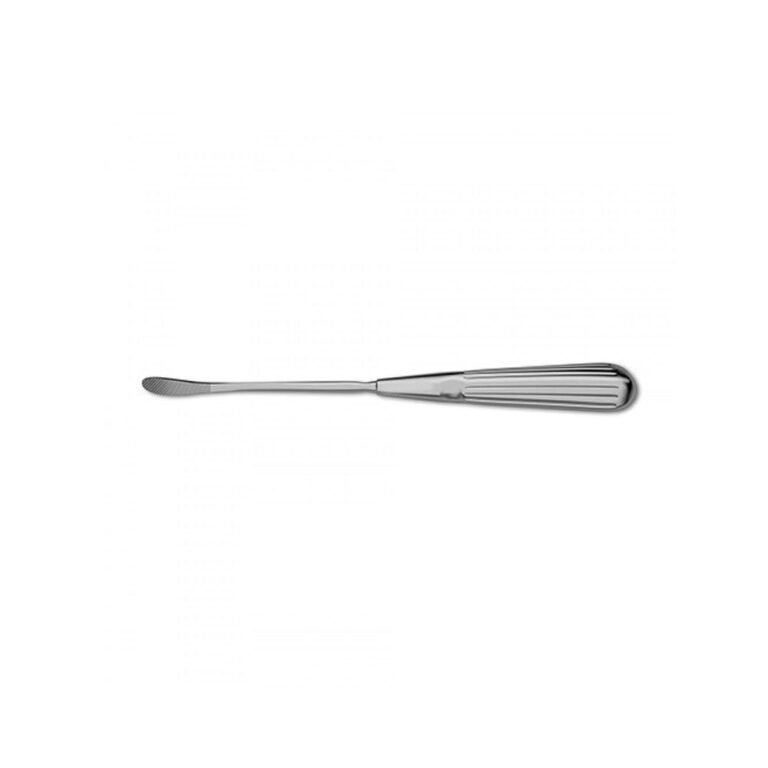
Aufricht Glabella Rasp, 20.3 cm – Cross-Serrated, Up and Down Cutting
Plastic Surgery Instruments for Clinics, Hospitals, and Professional Buyers Surgical Rasps for Clinics, Hospitals, and Professional Buyers
In stock
Original price was: $ 29.$ 24Current price is: $ 24.
SKU:
NJM-14108
-19%
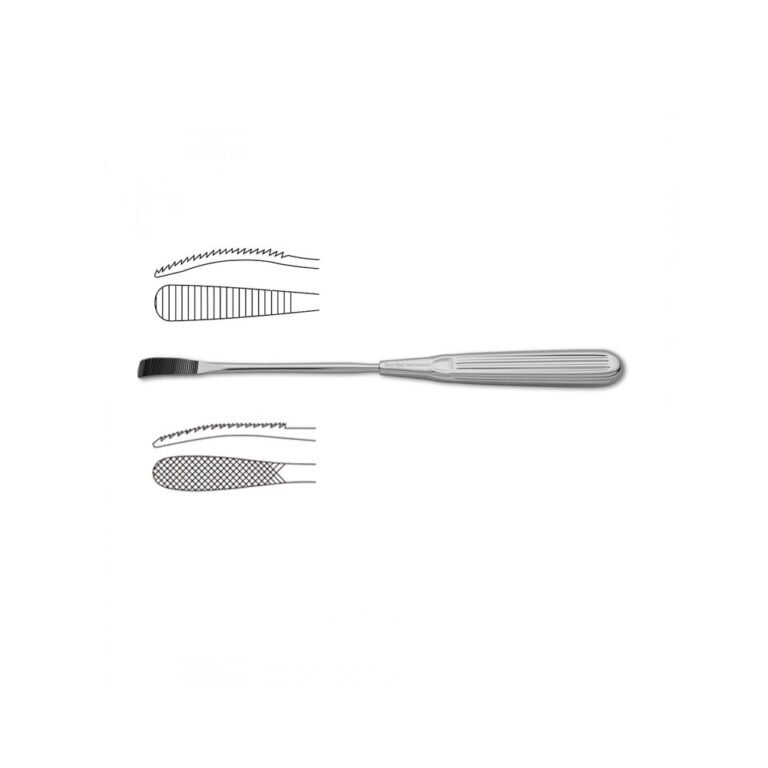
Aufricht Nasal Rasp, 21 cm – Curved, Up/Down/Cross Serrations
Plastic Surgery Instruments for Clinics, Hospitals, and Professional Buyers Surgical Rasps for Clinics, Hospitals, and Professional Buyers
In stock
Original price was: $ 26.$ 21Current price is: $ 21.
Select options
This product has multiple variants. The options may be chosen on the product page
-15%
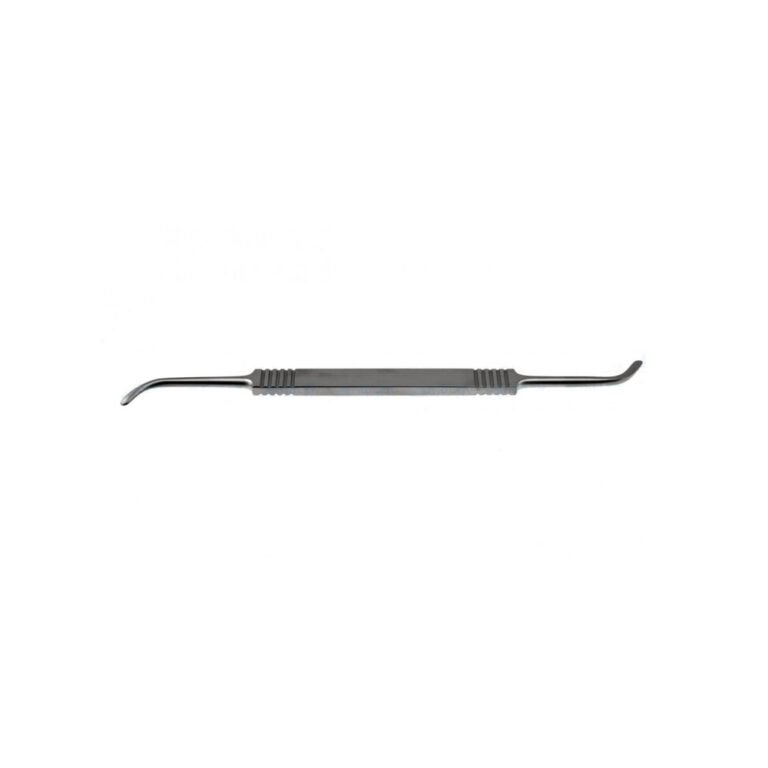
Barsky Cleft Palate Raspatory, 210 mm – Double-Ended, 4 mm Tip
Plastic Surgery Instruments for Clinics, Hospitals, and Professional Buyers Surgical Rasps for Clinics, Hospitals, and Professional Buyers
In stock
Original price was: $ 34.$ 29Current price is: $ 29.
SKU:
NJM-14112
-9%
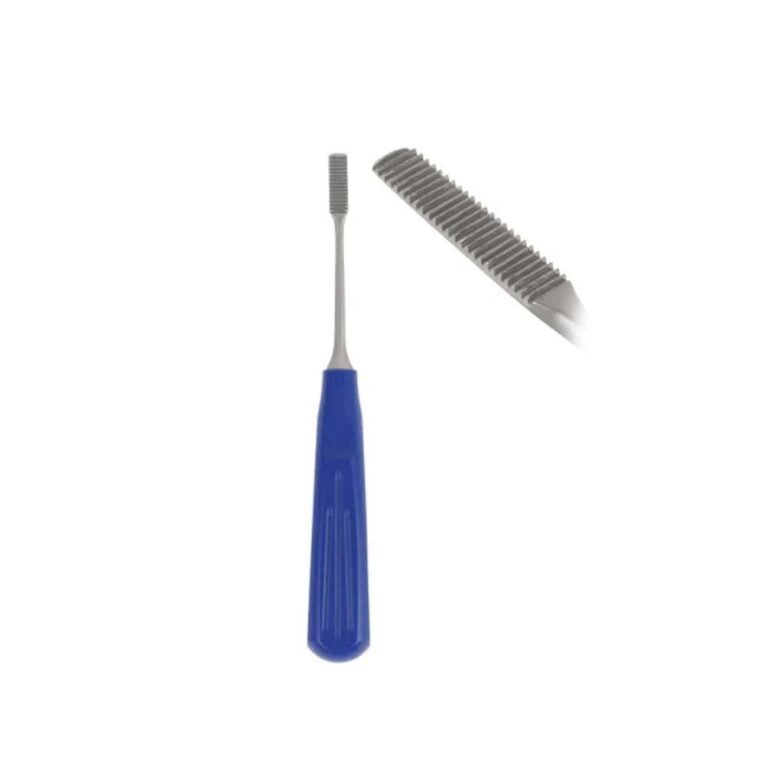
Cakir Nasal Rasp – Preservation Rhinoplasty, Teflon Handle
Plastic Surgery Instruments for Clinics, Hospitals, and Professional Buyers Surgical Rasps for Clinics, Hospitals, and Professional Buyers
In stock
Original price was: $ 45.$ 41Current price is: $ 41.
SKU:
NJM-14178
-11%
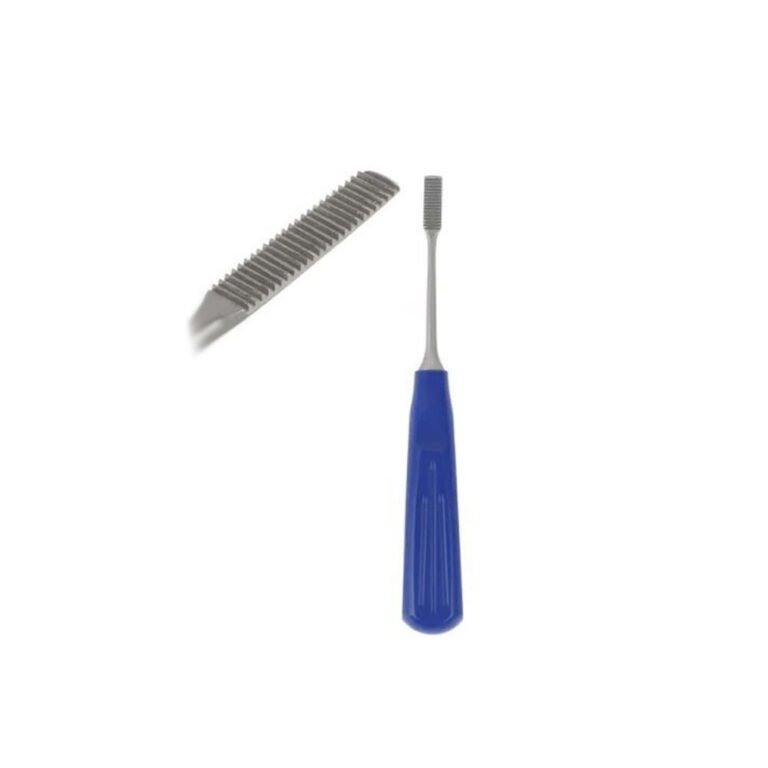
Cakir Preservation Rhinoplasty Rasp – 3 mm Tip, Teflon Handle
Plastic Surgery Instruments for Clinics, Hospitals, and Professional Buyers Surgical Rasps for Clinics, Hospitals, and Professional Buyers
In stock
Original price was: $ 46.$ 41Current price is: $ 41.
Select options
This product has multiple variants. The options may be chosen on the product page
-3%
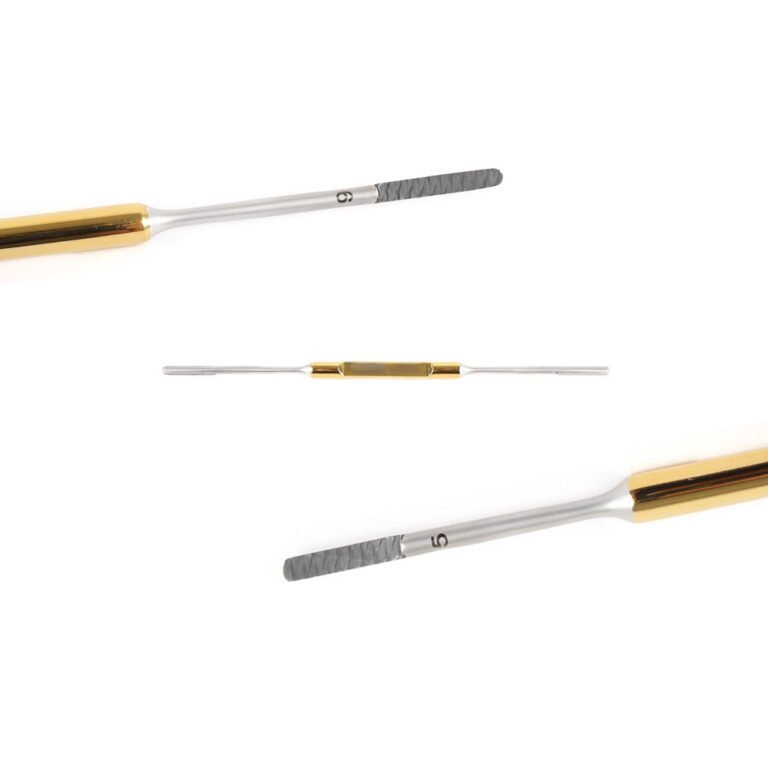
Celik Finishing Nasal Rasp – Double-Ended Tungsten Carbide, 3 x 20 mm
Plastic Surgery Instruments for Clinics, Hospitals, and Professional Buyers Surgical Rasps for Clinics, Hospitals, and Professional Buyers
In stock
Original price was: $ 164.$ 159Current price is: $ 159.
SKU:
NJM-14115
-16%
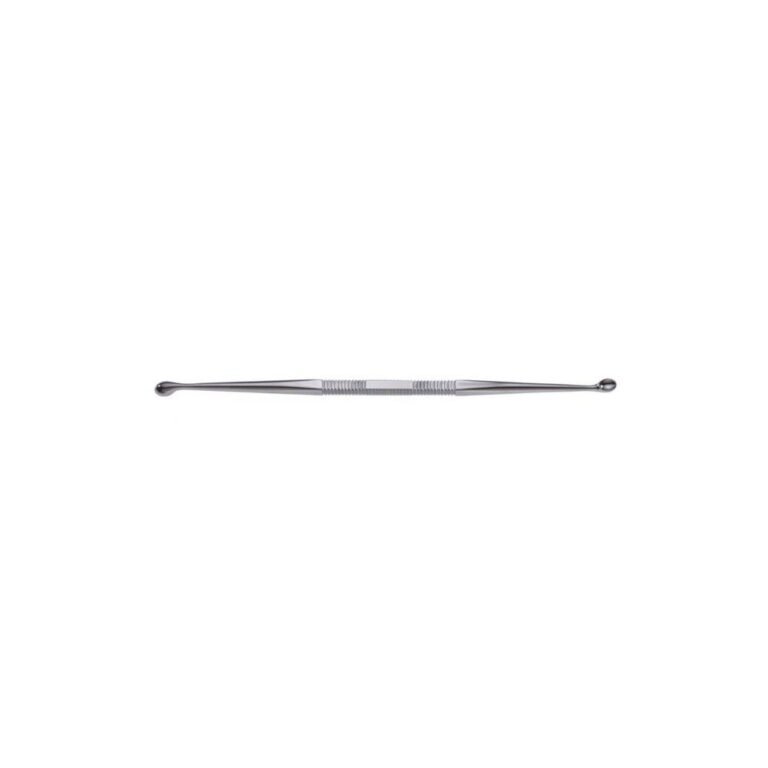
Converse Double-Ended Curette, 20 cm – Bone Debris Removal
Plastic Surgery Instruments for Clinics, Hospitals, and Professional Buyers Surgical Rasps for Clinics, Hospitals, and Professional Buyers
In stock
Original price was: $ 32.$ 27Current price is: $ 27.
SKU:
NJM-14116
-12%
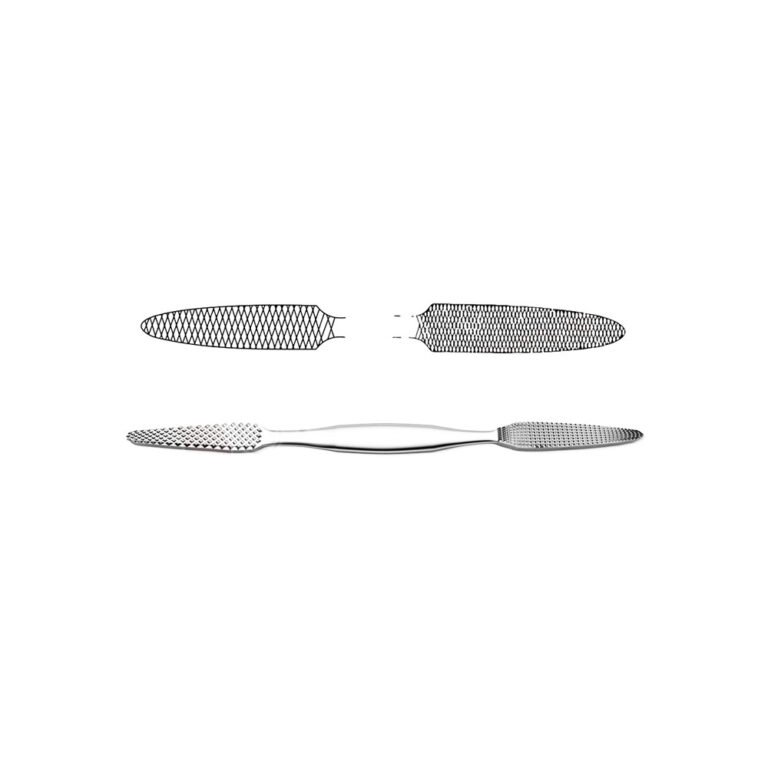
Converse Nasal Rasp, 17.8 cm – Double-Ended, Fine and Coarse Down-Cutting
Plastic Surgery Instruments for Clinics, Hospitals, and Professional Buyers Surgical Rasps for Clinics, Hospitals, and Professional Buyers
In stock
Original price was: $ 42.$ 37Current price is: $ 37.
SKU:
NJM-14117
-17%
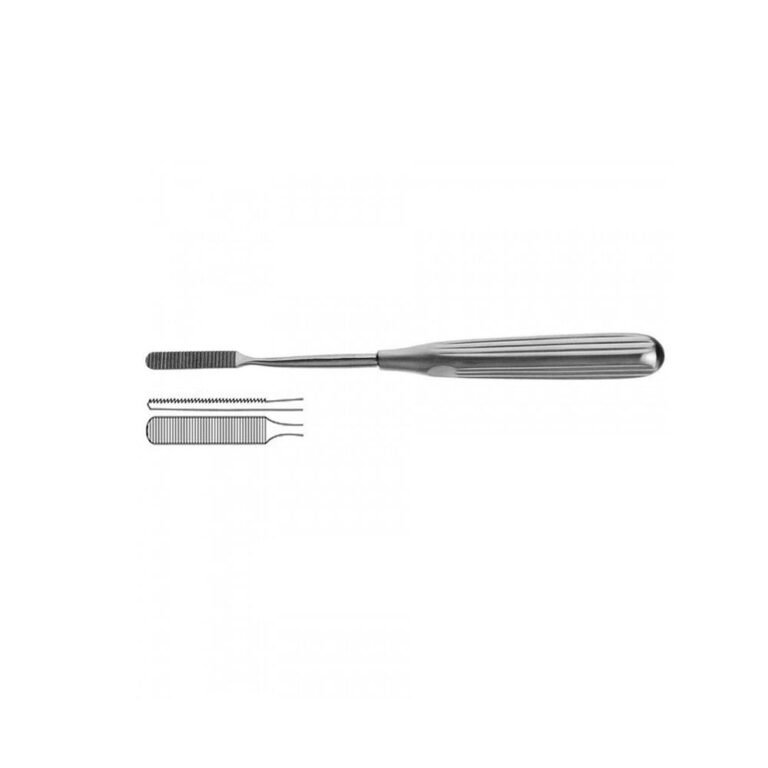
Cottle Nasal Rasp, 20.3 cm – Down-Cutting Fine Teeth
Plastic Surgery Instruments for Clinics, Hospitals, and Professional Buyers Surgical Rasps for Clinics, Hospitals, and Professional Buyers
In stock
Original price was: $ 29.$ 24Current price is: $ 24.
SKU:
NJM-14119
-7%
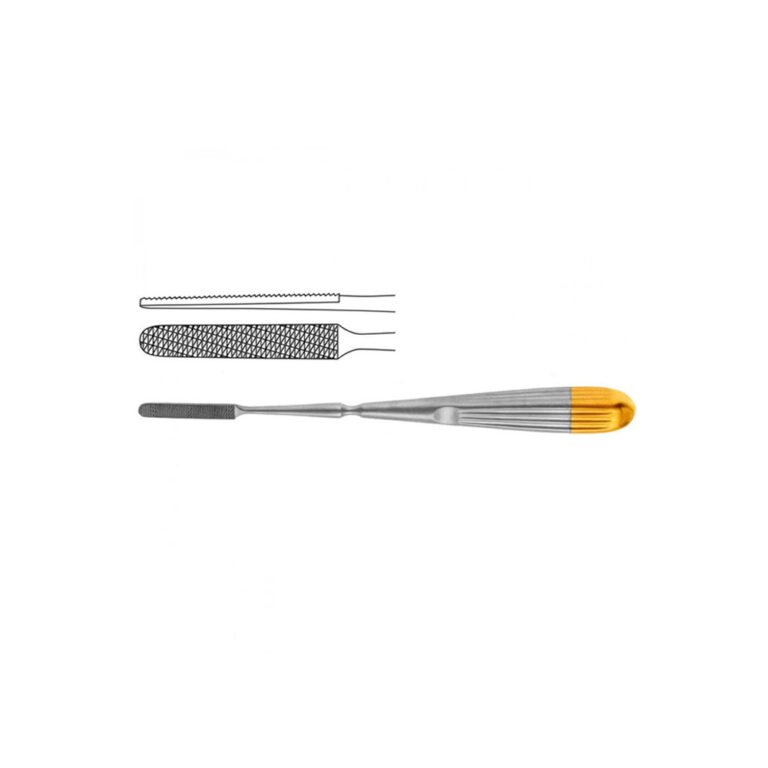
Cottle Nasal Rasp, 20.5 cm – Fine Tungsten Carbide, Gold Handle
Plastic Surgery Instruments for Clinics, Hospitals, and Professional Buyers Surgical Rasps for Clinics, Hospitals, and Professional Buyers
In stock
Original price was: $ 74.$ 69Current price is: $ 69.
SKU:
NJM-14118
-24%
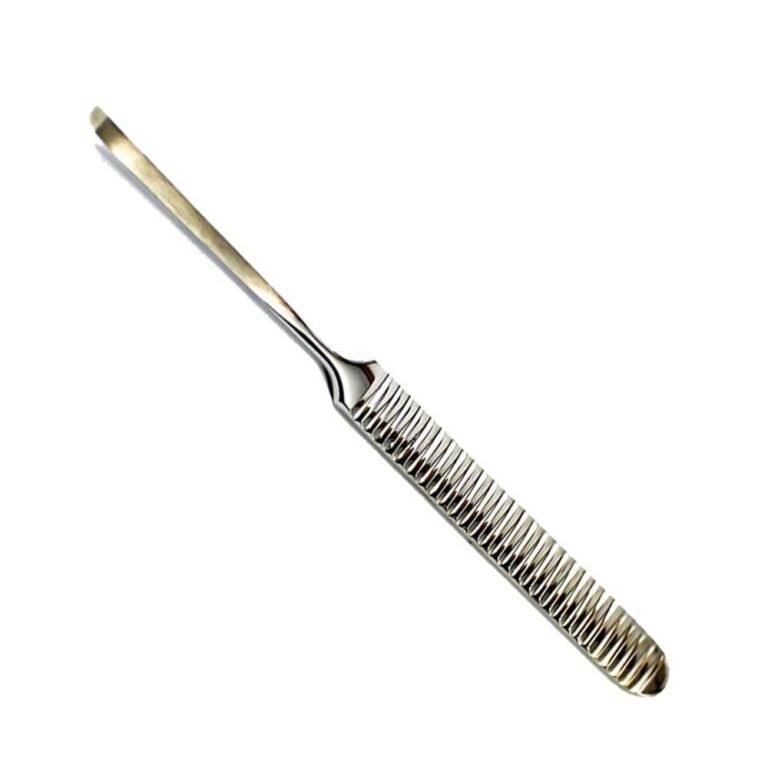
Curved Elevator Raspatory, 15.7 cm – 55 x 4 mm Bent Working End
Plastic Surgery Instruments for Clinics, Hospitals, and Professional Buyers Surgical Rasps for Clinics, Hospitals, and Professional Buyers
In stock
Original price was: $ 17.$ 13Current price is: $ 13.
Select options
This product has multiple variants. The options may be chosen on the product page
Surgical Rasps & Files: Nasal, Bone & Cartilage Shaping
Surgical rasps and files are abrasive-surfaced instruments used to smooth, reduce, and refine bone and cartilage. In rhinoplasty a rasp lowers and refines the nasal dorsum after osteotomy, removing the bony hump in controlled passes rather than a single cut. In maxillofacial and orthopaedic work, rasps and bone files smooth cut edges and contour bone surfaces before closure. NJ Medical Instruments manufactures the full range in surgical-grade stainless steel — straight, curved, convex, and double-ended patterns in fine, medium, and coarse cuts — supplied worldwide direct from the factory for individual purchase and for bulk, wholesale, and OEM/private-label supply.How rasps are used
Dorsal reduction in rhinoplasty. After the hump is taken down, a rasp refines the dorsum gradually. Working in controlled strokes lets the surgeon assess the profile between passes instead of committing to one irreversible cut.Smoothing bone edges. After osteotomy or bone cutting, files and rasps remove sharp irregularities so the edge is smooth beneath the soft tissue.Contouring cartilage and bone grafts. Fine rasps shape grafts to fit the recipient site precisely.Cut grades and shapes
Rasps come in coarse, medium, and fine cuts. Coarse rasps remove bone quickly during initial reduction; fine rasps refine the surface at the end so no ridging shows through thin skin. Straight, curved, and convex profiles let the surgeon match the instrument to the contour being shaped, and double-ended rasps combine two grades or shapes in one instrument.Which rasp do you need?
| Type | Cut / shape | Best for |
|---|---|---|
| Coarse rasp | Aggressive cut | Initial bone reduction |
| Fine rasp | Fine cut | Final refinement, no ridging |
| Curved / convex rasp | Shaped working face | Following the dorsal contour |
| Double-ended rasp | Two grades / shapes | Fewer instrument changes |
| Bone file | Flat abrasive face | Smoothing cut bone edges |
Explore related plastic surgery instruments
- Osteotomes & Chisels for cutting bone before rasping
- Mallets & Cartilage Instruments
- Dissectors & Elevators & Nasal Forceps
- All Plastic Surgery Instruments