


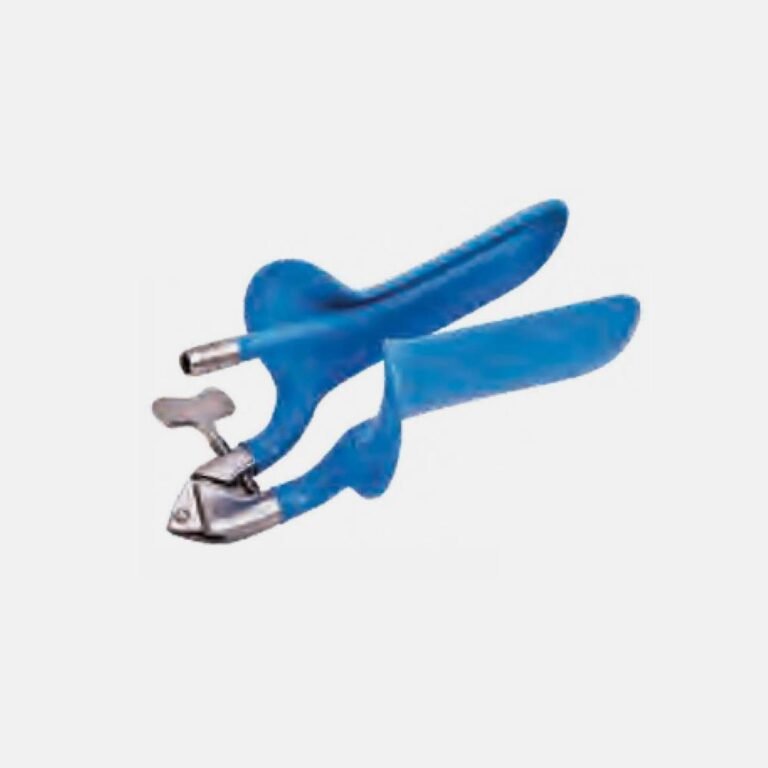
-19%
Collin Speculum | NJ Medical Instruments
In stock
Original price was: $ 57.$ 46Current price is: $ 46.
SKU:
NJM-13110
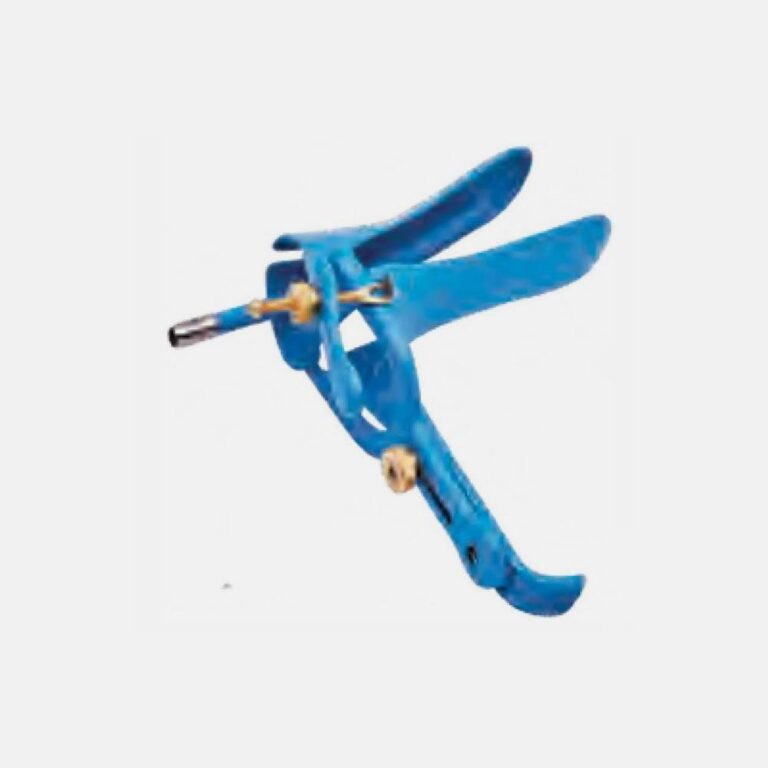
-20%
Cusco Speculum | NJ Medical Instruments
In stock
Original price was: $ 57.$ 46Current price is: $ 46.
SKU:
NJM-13108
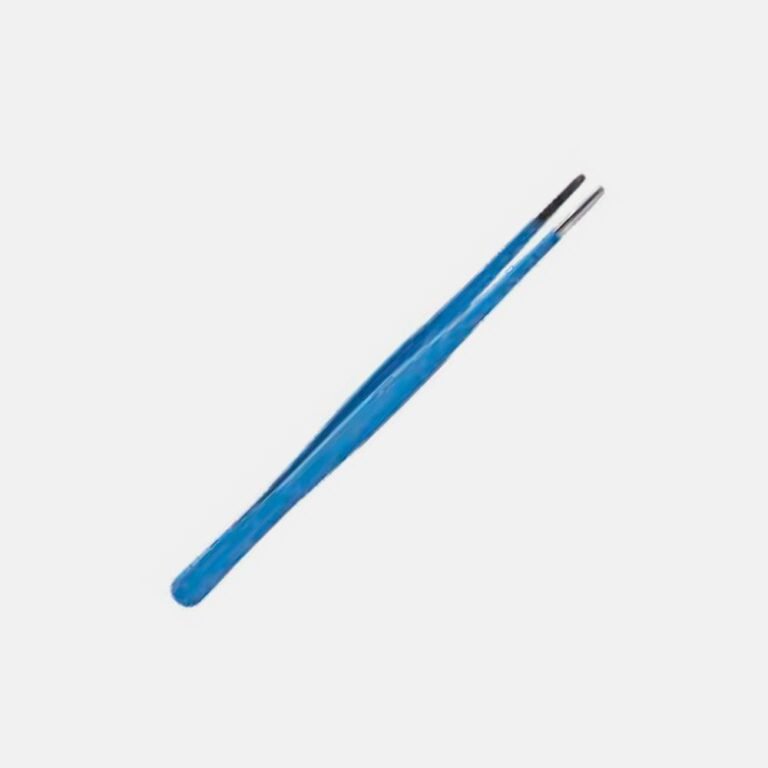
-33%
Dressing Forceps | NJ Medical Instruments
In stock
Original price was: $ 30.$ 20Current price is: $ 20.
SKU:
NJM-13113
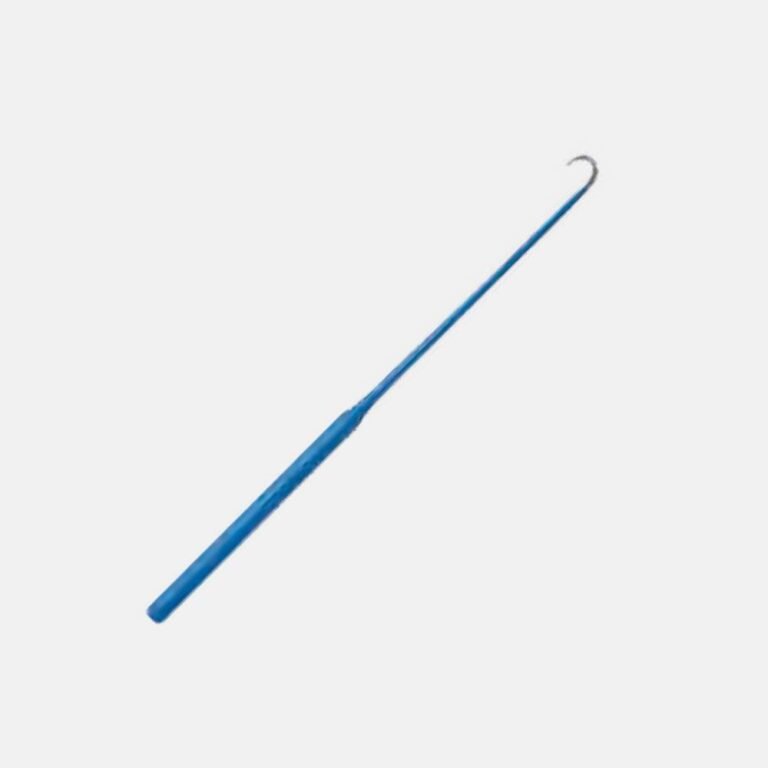
-33%
Emmet Hook (25.0 cm) | NJ Medical Instruments
In stock
Original price was: $ 30.$ 20Current price is: $ 20.
SKU:
NJM-13100
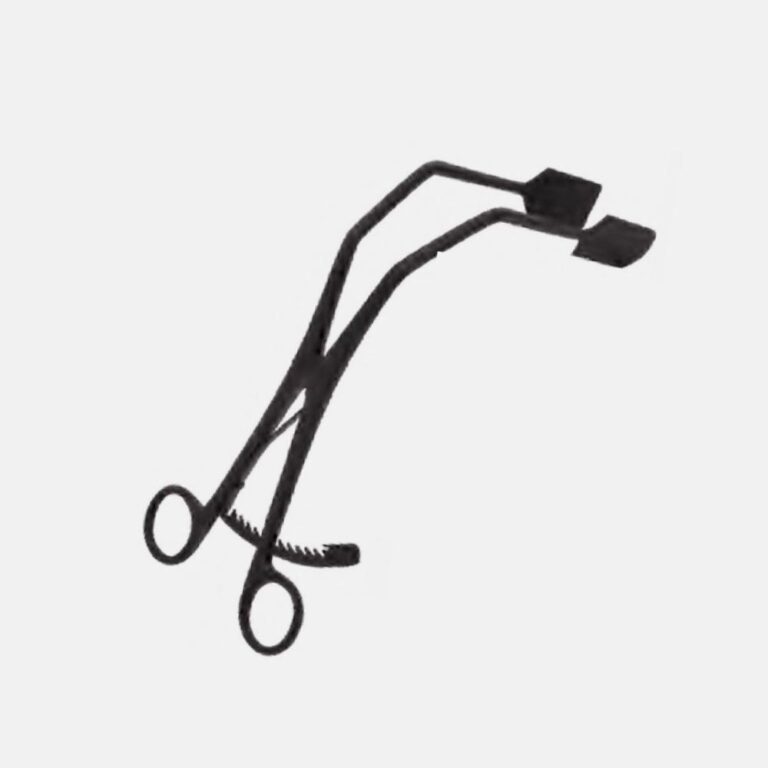
-19%
Graves Speculum | NJ Medical Instruments
In stock
Original price was: $ 57.$ 46Current price is: $ 46.
SKU:
NJM-1391
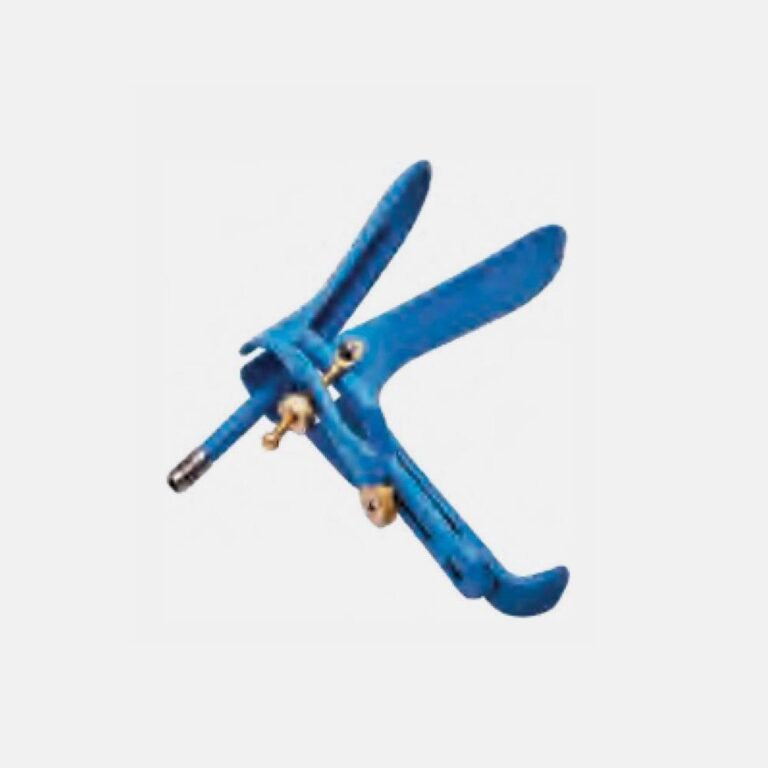
-19%
Graves Vaginal Speculum | NJ Medical Instruments
In stock
Original price was: $ 57.$ 46Current price is: $ 46.
SKU:
NJM-13105
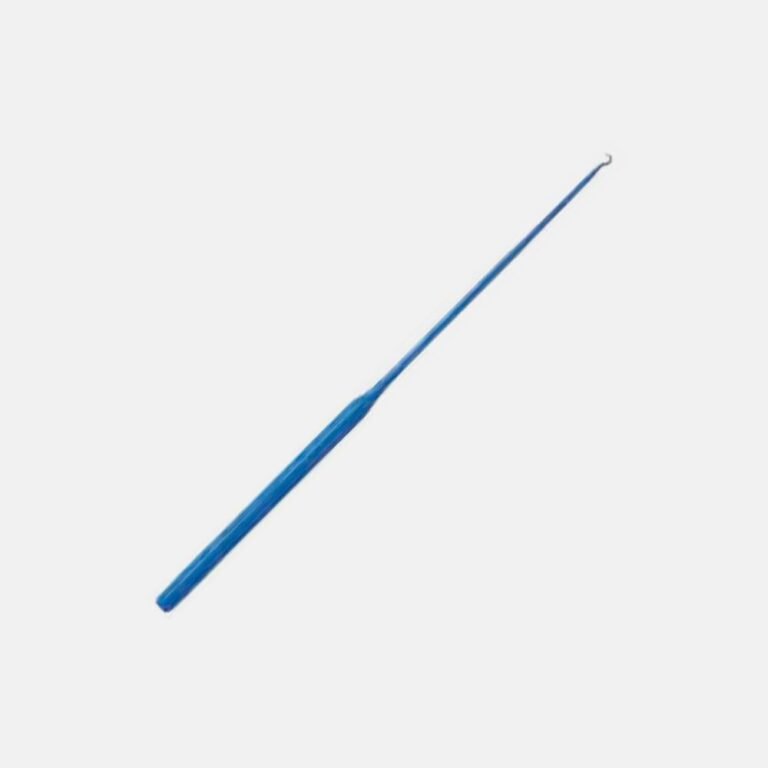
-33%
Iris Hook (25.0 cm) | NJ Medical Instruments
In stock
Original price was: $ 30.$ 20Current price is: $ 20.
SKU:
NJM-1399
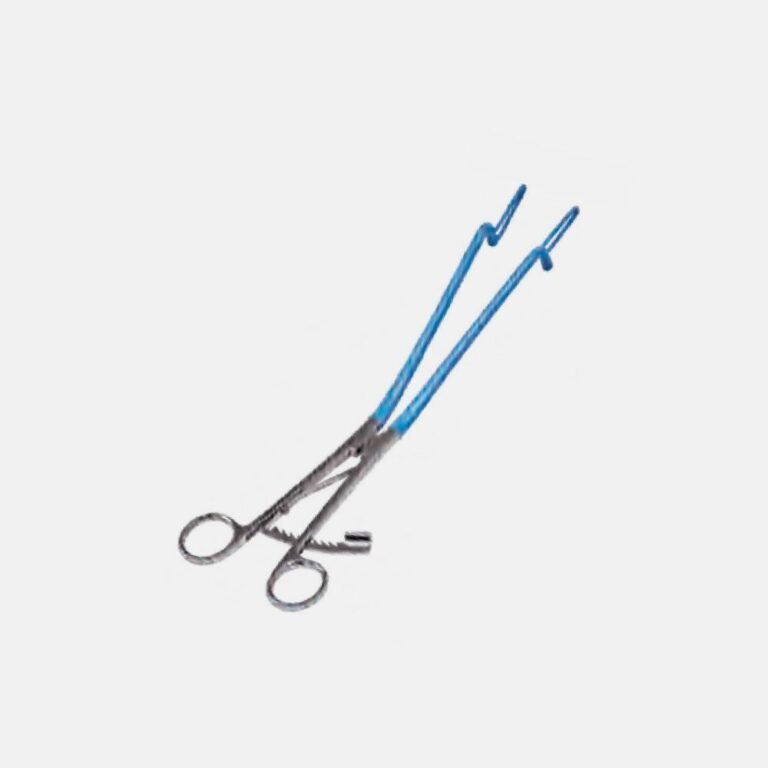
-16%
Kogan Endocervical Speculum | NJ Medical Instruments
In stock
Original price was: $ 67.$ 56Current price is: $ 56.
SKU:
NJM-1392
-19%
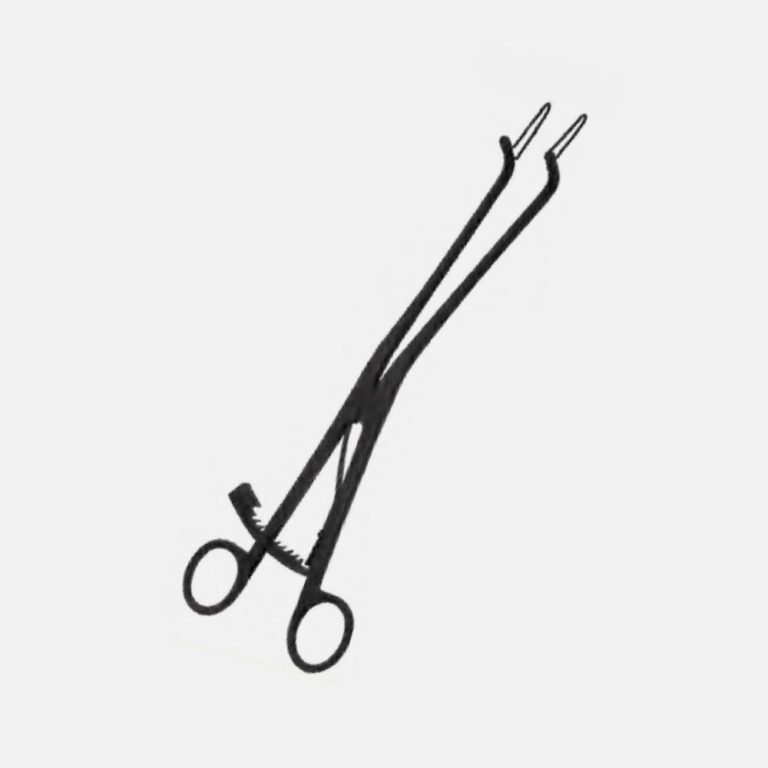
Kogan Endocervical Speculum | NJ Medical Instruments
In stock
Original price was: $ 59.$ 48Current price is: $ 48.
SKU:
NJM-1396
-19%
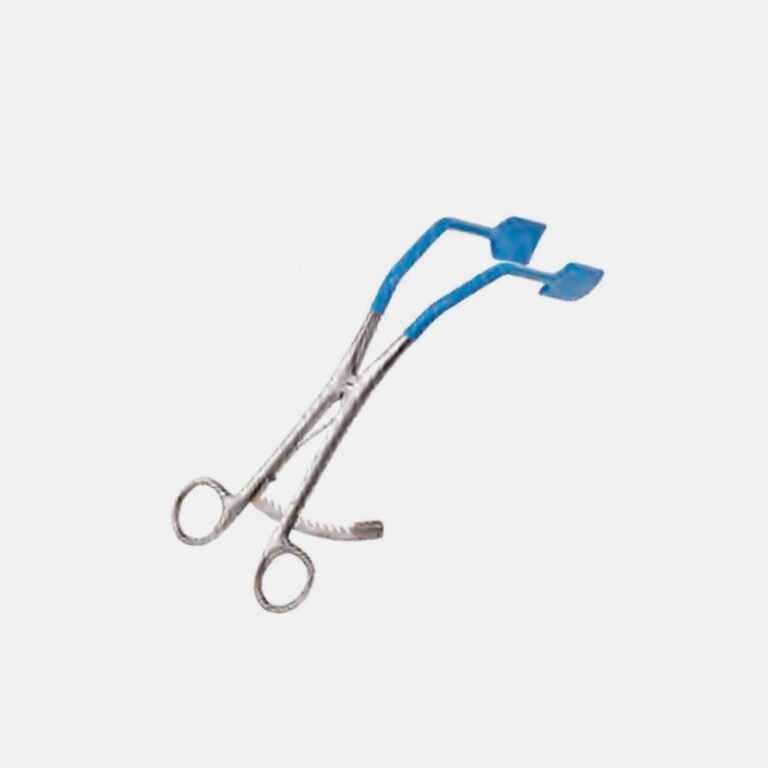
Lateral Vaginal Retractor | NJ Medical Instruments
In stock
Original price was: $ 57.$ 46Current price is: $ 46.
SKU:
NJM-13104
-18%
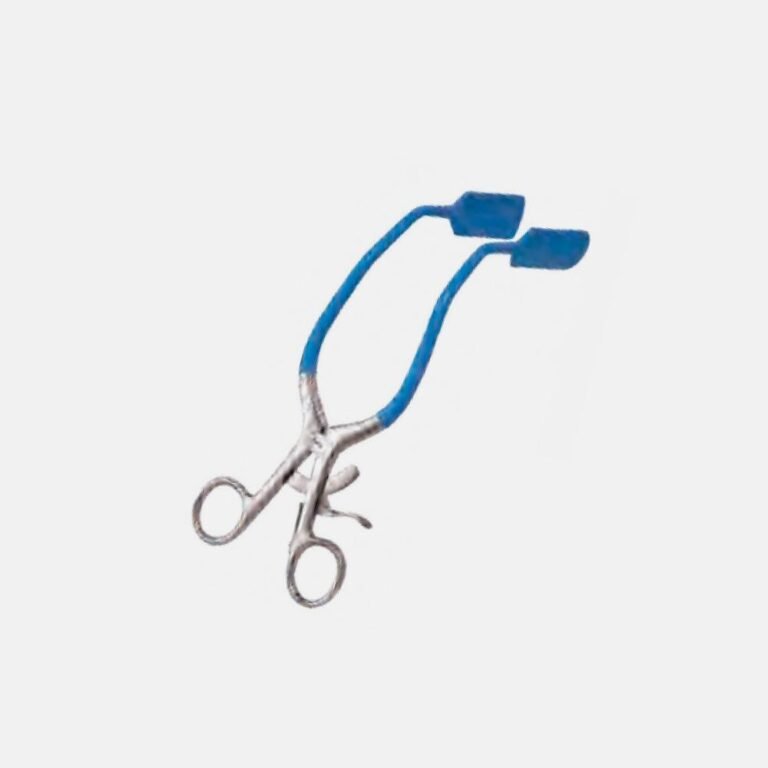
Lateral Vaginal Retractor | NJ Medical Instruments
In stock
Original price was: $ 59.$ 48Current price is: $ 48.
SKU:
NJM-1397
-16%
Lateral Vaginal Retractor, Wide-Open
In stock
Original price was: $ 67.$ 56Current price is: $ 56.
SKU:
NJM-1393
Electrosurgical Instruments for Gynecology: LEEP, Conization & Coagulation
Gynaecological electrosurgery is dominated by one procedure — the loop excision of abnormal cervical tissue, known as LEEP or LLETZ — and the instrument range is built around it. A thin wire loop electrode carries cutting current and passes through the cervix in a single controlled sweep, removing the transformation zone as an intact specimen that the pathologist can assess for clear margins. That last point drives the instrument design: a specimen with charred or fragmented edges is far harder to report on, so loop geometry and clean cutting current matter clinically, not just technically. NJ Medical Instruments manufactures the range in surgical-grade stainless steel and tungsten wire, supplied worldwide direct from the factory for individual purchase and for bulk, wholesale, and OEM/private-label supply.Loop and ball electrodes
Loop electrodes are specified by width and depth, chosen to match the size of the lesion and the transformation zone — the aim is to excise the abnormal area in one pass rather than several, because multiple passes fragment the specimen. Ball electrodes follow the excision: rolled over the crater in coagulation mode they achieve haemostasis of the cervical bed. Square and conization electrodes take a deeper, cone-shaped specimen when the lesion extends into the endocervical canal.Insulation and the vaginal wall
Because the working field sits inside the vaginal canal, insulated speculums and lateral wall retractors are used with the electrodes. The insulation prevents current arcing to the vaginal wall — a genuine risk with monopolar current in a confined, conductive space, and the reason non-insulated instruments should not be substituted.Which electrode do you need?
| Electrode | Shape | Used for |
|---|---|---|
| Loop electrode | Thin wire loop | LEEP / LLETZ excision |
| Square electrode | Square wire | Larger or deeper excision |
| Conization electrode | Cone profile | Endocervical canal lesions |
| Ball electrode | Spherical tip | Coagulating the cervical bed |
| Needle electrode | Fine point | Precise incision & biopsy |
| Insulated speculum | Coated blades | Preventing current arcing |
Explore related electrosurgical instruments
- Conization Electrodes
- Electrodes (2.4 mm) & Electrodes (4.0 mm)
- Monopolar Cables & Patient Return Plates
- All Electrosurgical Instruments