


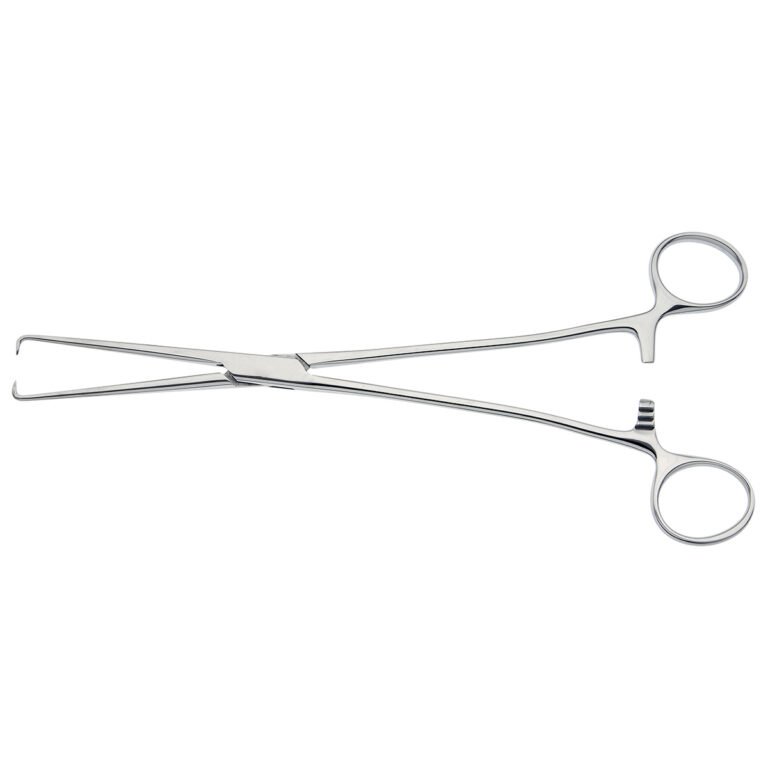
Schroeder Tenaculum Forceps | NJ Medical Instruments
In stock
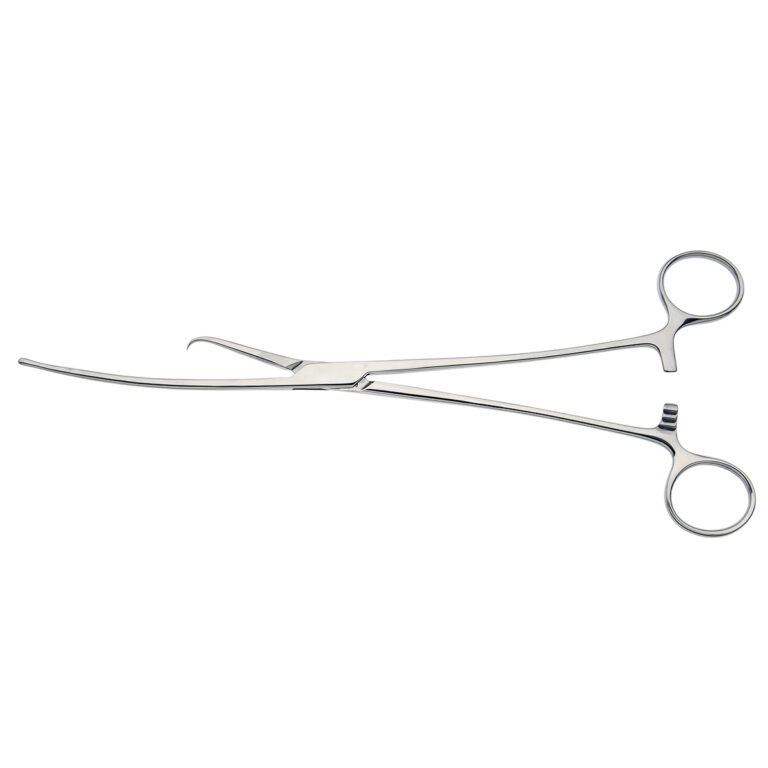
Uterine Manipulator | NJ Medical Instruments
In stock
Tenaculum Forceps: Gripping Tissue That Serrations Cannot Hold
A tenaculum uses sharp points that penetrate the tissue rather than jaws that squeeze it — and that difference is deliberate, not a shortcut. Some tissue simply cannot be held by compression. The cervix is firm, smooth, and mobile; grip it with a serrated forceps and it slips out under traction at exactly the moment traction is needed. A tenaculum's hooked points engage within the tissue, so the hold comes from penetration and cannot slide. The trade-off is honest: this is a deliberately traumatic instrument, and it is chosen where secure traction matters more than avoiding a puncture that will heal. NJ Medical Instruments manufactures the range in surgical-grade stainless steel, supplied worldwide direct from the factory for individual purchase and for bulk, wholesale, and OEM/private-label supply.
Single-tooth and multi-tooth patterns
A single-tooth tenaculum concentrates the hold into one point of penetration, the least tissue trauma for the grip achieved. It is the standard for cervical traction during gynaecological procedures.
Multi-tooth patterns such as Lahey and Jacobs distribute the hold across several points, which gives a more secure grip on a larger or heavier structure — a thyroid lobe, for instance — at the cost of more penetration sites.
Some patterns have opposing teeth that interlock, so the tissue is both penetrated and held between the jaws.
Where the tenaculum is standard
Gynaecology uses it to steady and straighten the cervix during dilatation, IUD insertion, and hysteroscopy — without traction the uterine axis cannot be aligned. Thyroid surgery uses multi-tooth patterns to hold and rotate a lobe during dissection. Bone and orthopedic tenacula grip and reduce fragments where a smooth clamp would slide off cortical bone.
Handling
Two points matter. The ratchet should be engaged only as far as needed — the teeth do the holding, so extra closing pressure adds crush injury without adding grip. And the tenaculum should be released and repositioned rather than dragged, since pulling against engaged points tears the tissue between them.
Which tenaculum do you need?
| Pattern | Teeth | Best for |
|---|---|---|
| Single-tooth tenaculum | One point each jaw | Cervical traction, least trauma |
| Schroeder tenaculum | Single or double tooth | Gynaecological procedures |
| Jacobs tenaculum | Multiple interlocking teeth | Firm grip on a larger structure |
| Lahey thyroid tenaculum | Three-prong hooks | Holding and rotating a thyroid lobe |
| Bone tenaculum | Sharp points, heavy build | Reducing and holding bone fragments |
| Ratcheted handle | Graded closure | Hold maintained without hand pressure |
Explore related instruments
- All Clamps and Multi-purpose Clamps
- Thumb Forceps including toothed patterns
- Thyroidectomy Instruments
- All Surgical Instruments
All manufactured in surgical-grade stainless steel to international standards, reusable and autoclavable, with worldwide shipping.
Bulk, wholesale & OEM supply
As a direct manufacturer, NJ Medical Instruments supplies tenaculum forceps in bulk and wholesale quantities to hospitals, gynaecology and surgical units, and distributors, and produces OEM / private-label instruments in custom tooth patterns and lengths with laser marking. Contact us by email at info@njmedicalinstruments.com or by WhatsApp for volume pricing — no minimum-order barriers, no middlemen.
Frequently asked questions
What is a tenaculum forceps used for?
It grips and applies traction to tissue that cannot be held securely by compression — most commonly the cervix during gynaecological procedures, but also the thyroid lobe and bone fragments.
Why does a tenaculum have sharp teeth?
Because the tissue it holds is firm, smooth, and mobile. A serrated jaw relying on compression slips under traction, whereas hooked points engage within the tissue so the hold cannot slide.
Is a tenaculum traumatic to tissue?
Yes, deliberately so. It penetrates rather than compresses, and it is chosen where secure traction matters more than avoiding a small puncture. Single-tooth patterns minimise the number of penetration sites.
What is the difference between single-tooth and multi-tooth patterns?
A single-tooth tenaculum concentrates the hold into one penetration point, causing the least trauma. Multi-tooth patterns spread the hold across several points for a firmer grip on a larger or heavier structure.
How should a tenaculum be handled?
Engage the ratchet only as far as needed, since the teeth provide the grip and extra pressure adds crush injury without adding hold. Release and reposition rather than dragging, because pulling against engaged points tears tissue between them.
Do you supply tenaculum forceps in bulk or for OEM / private label?
Yes. As a direct manufacturer we supply tenaculum forceps in bulk and wholesale quantities and produce OEM / private-label instruments in custom tooth patterns and lengths. Contact us by email or WhatsApp for volume pricing.