


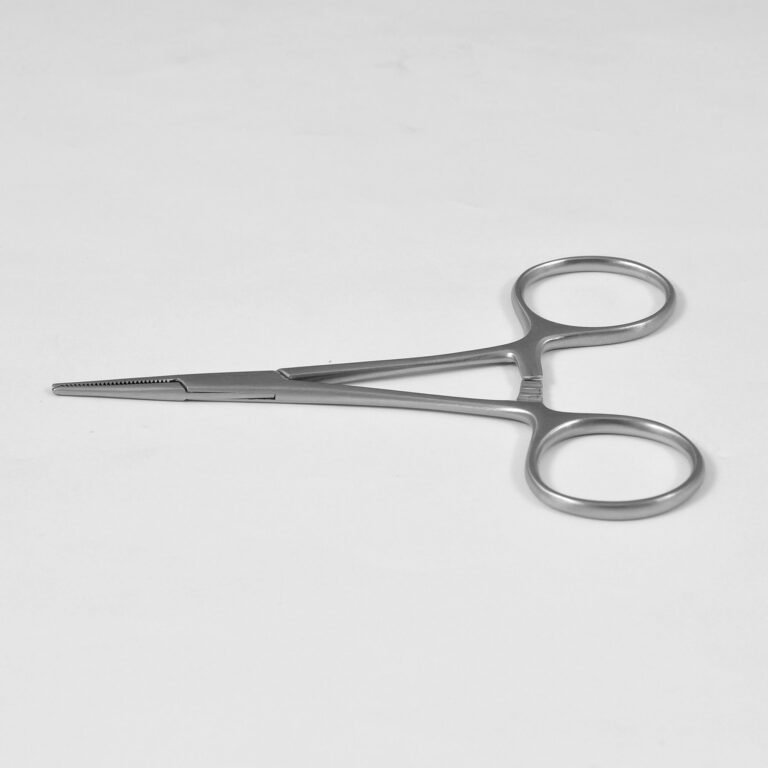
Artery Forceps Micro-Mosquito Teeth 10cm Curved | NJ Medical Instruments
In stock
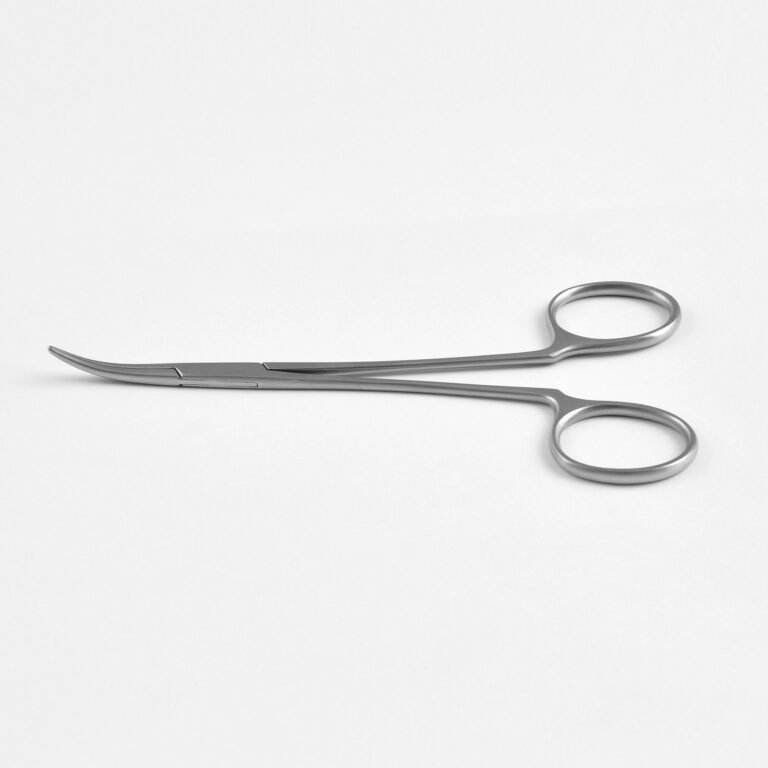
Artery Forceps Smooth Non-Ratchet 14cm Curved | NJ Medical Instruments
In stock
Artery Forceps for Dental Use: Haemostasis in a Confined Field
Artery forceps in dentistry are used less for major bleeding and more for the small, awkward tasks that come up constantly in oral surgery — clamping a bleeding vessel in a socket, retrieving a fragment that has slipped, or holding a suture end while a knot is tied. The working conditions are what set the requirement: the field is a few centimetres deep, sight-lines pass around teeth and cheek, and the operator is frequently working one-handed while a mirror or suction occupies the other. That favours smaller, finer patterns than a general surgical tray carries — mosquito and small Halsted forceps rather than heavy Rochester-Pean patterns. NJ Medical Instruments manufactures the range in surgical-grade stainless steel, supplied worldwide direct from the factory for individual purchase and for bulk, wholesale, and OEM/private-label supply.
Why the ratchet earns its place here
In oral surgery the ratchet does more work than in most settings. Once the forceps are locked onto a vessel or a fragment, the operator can let go entirely — reposition the mirror, take up suction, change the light — and the grip holds. In a field where both hands are usually committed and access is awkward, that ability to park an instrument and return to it is genuinely useful. It is also why the ratchet should be checked: forceps that no longer hold at the first tooth cannot be trusted to stay put when released.
Common dental uses
Socket haemostasis — clamping a persistent bleeding point after extraction, particularly where a vessel is retracted into bone.
Retrieving fragments — a root tip, a piece of restoration, or a broken instrument in a socket, where the fine tips of a mosquito forceps reach further than fingers or larger forceps.
Suture handling — holding a suture end taut while the knot is placed, or clamping a tag to keep it out of the field.
Straight or curved
Curved tips are generally preferred intraorally: the curve lets the operator see past the instrument to the tips and place them around a structure approached at an angle, which describes most access in the mouth. Straight patterns give a direct line of force and are convenient for holding suture ends and for tasks at the front of the mouth where access is direct.
Which forceps do you need?
| Pattern | Size and tip | Best for |
|---|---|---|
| Mosquito (Halsted), curved | Fine tips, 12 cm | Fine intraoral work, fragment retrieval |
| Mosquito, straight | Fine tips, 12 cm | Suture ends, direct access |
| Small Crile | Slightly heavier | Firmer grip in the socket |
| Kocher (with teeth) | 1x2 interlocking teeth | Tough tissue being removed |
| Long fine pattern | Extended shank | Posterior access |
| Tungsten carbide | Gold rings | Longer service life in frequent use |
Explore related instruments
- Artery Forceps Buying Guide — all patterns compared
- Artery Forceps & Ligature Clamps (surgical range)
- Extracting Forceps and Dental Elevators
- All Dental Instruments
All manufactured in surgical-grade stainless steel to international standards, reusable and autoclavable, with worldwide shipping.
Bulk, wholesale & OEM supply
As a direct manufacturer, NJ Medical Instruments supplies artery forceps in bulk and wholesale quantities to dental clinics, oral surgery units, dental schools, and distributors, and produces OEM / private-label instruments to custom specifications and laser marking. Contact us by email at info@njmedicalinstruments.com or by WhatsApp for volume pricing — no minimum-order barriers, no middlemen.
Frequently asked questions
What are artery forceps used for in dentistry?
They clamp bleeding vessels in a socket, retrieve fragments such as root tips or pieces of restoration, and hold suture ends during knot tying. Fine mosquito patterns are the most commonly used.
What size artery forceps suit oral surgery?
Smaller and finer than a general surgical tray carries. Mosquito and small Halsted patterns around 12 cm suit the confined field, whereas heavy patterns are unwieldy and obstruct the already limited access.
Should dental artery forceps be curved or straight?
Curved is generally preferred intraorally, because the operator can see past the instrument to the tips and place them around structures approached at an angle. Straight patterns suit suture handling and direct anterior access.
Why does the ratchet matter so much in dental use?
Because both hands are usually committed to mirror and suction. Once locked, the forceps hold on their own, so the operator can release the instrument, reposition, and return to it without losing the grip.
How do I know when to replace artery forceps?
When the ratchet no longer holds securely at the first tooth, or the tips no longer meet in alignment. Forceps that release unexpectedly cannot be relied on to stay in place when set down.
Do you supply artery forceps in bulk or for OEM / private label?
Yes. As a direct manufacturer we supply artery forceps in bulk and wholesale quantities and offer OEM / private-label production to custom specifications. Contact us by email or WhatsApp for volume pricing.