


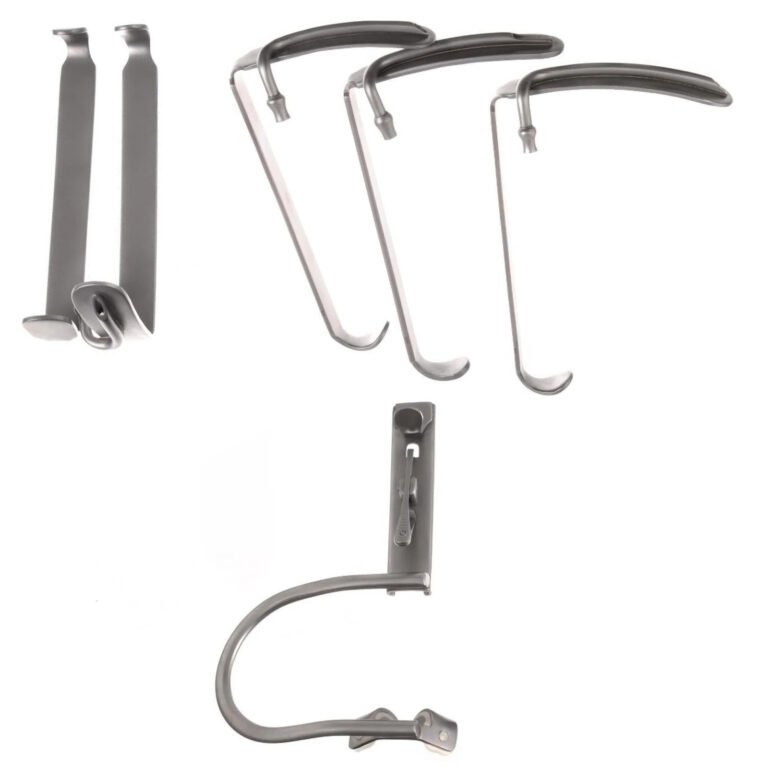
Davis Boyle Mouth Gag Set | NJ Medical Instruments
In stock
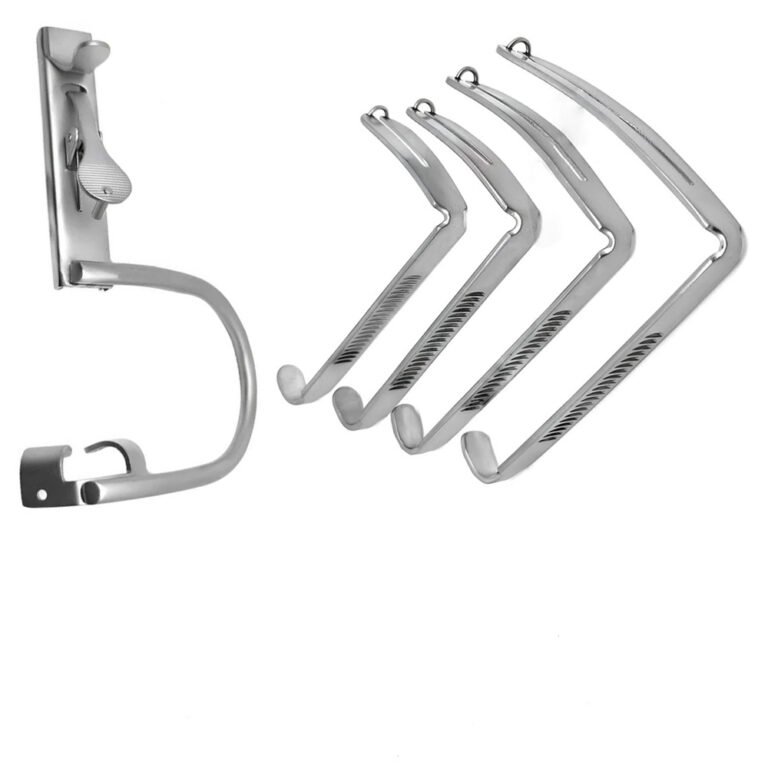
Davis Boyle Mouth Gag Set with 4 Blades | NJ Medical Instruments
In stock
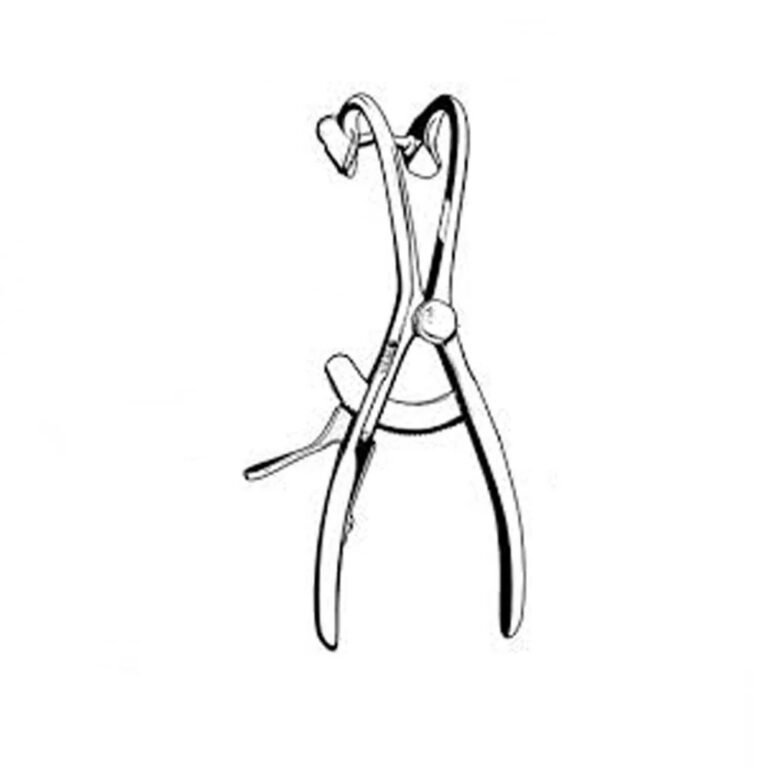
Denhart Hoefert Mouth Gag – movable supports, 12.5cm, Stainless Steel | NJ Medical Instruments
In stock
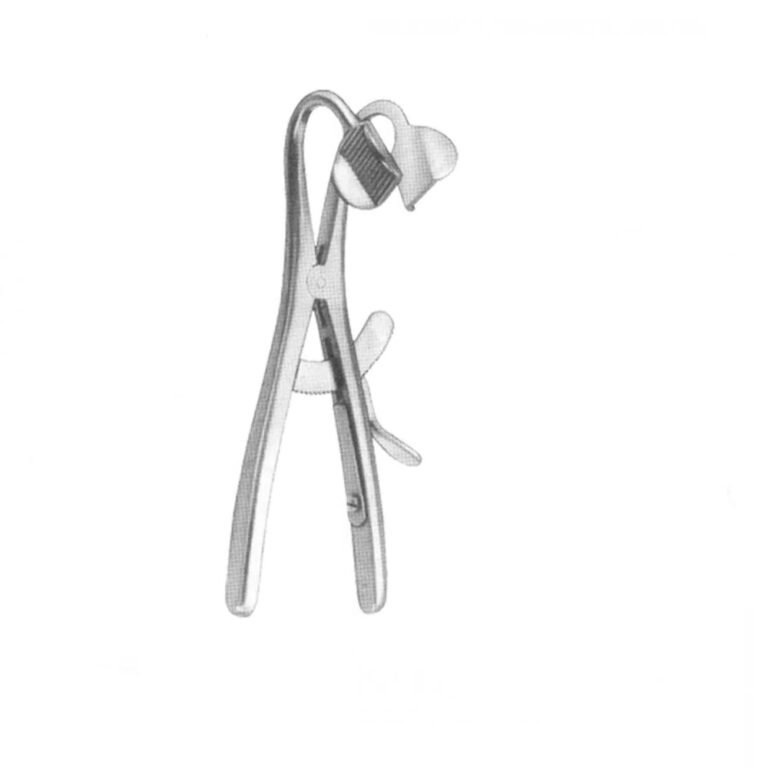
Denhart Mouth Gag – delicate catch, 12.5cm, Stainless Steel | NJ Medical Instruments
In stock
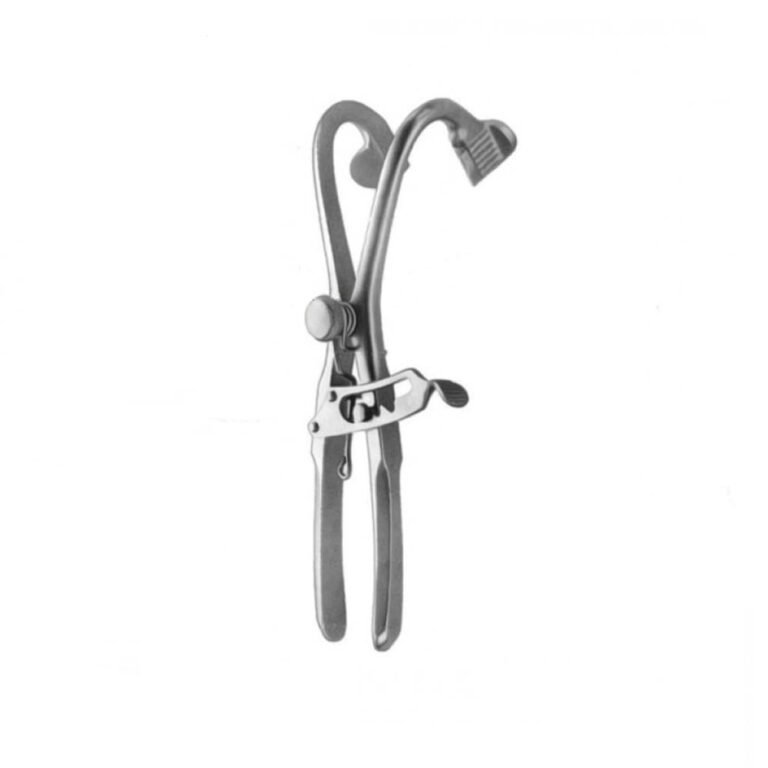
Denhart Mouth Gag 13cm, Stainless Steel | NJ Medical Instruments
In stock
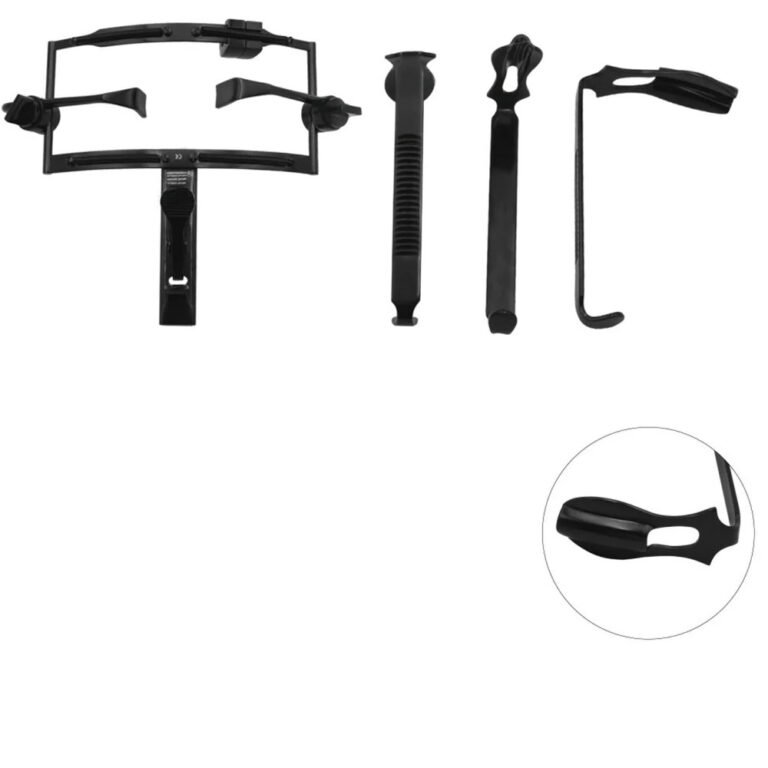
Dingman Mouth Gag | NJ Medical Instruments
In stock
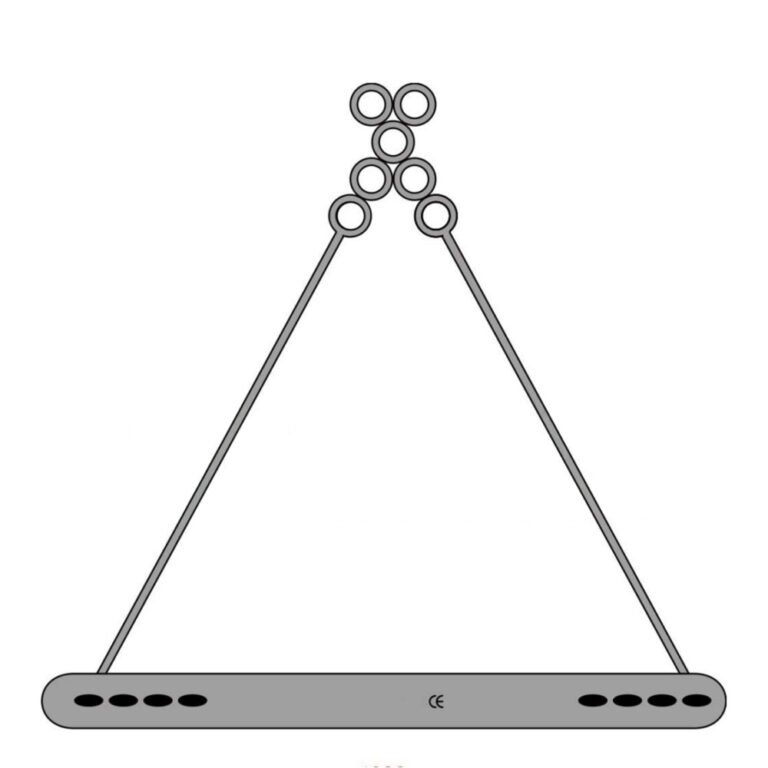
Draffin Bipod Stand with Plates | NJ Medical Instruments
In stock
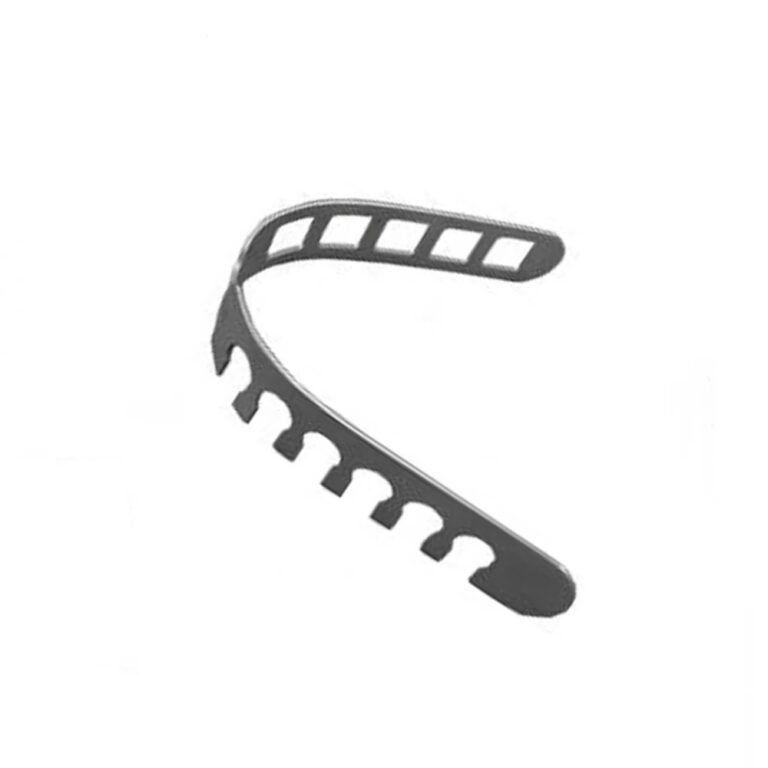
Hanna Tongue Depressor, 18mm curved, Stainless Steel | NJ Medical Instruments
In stock
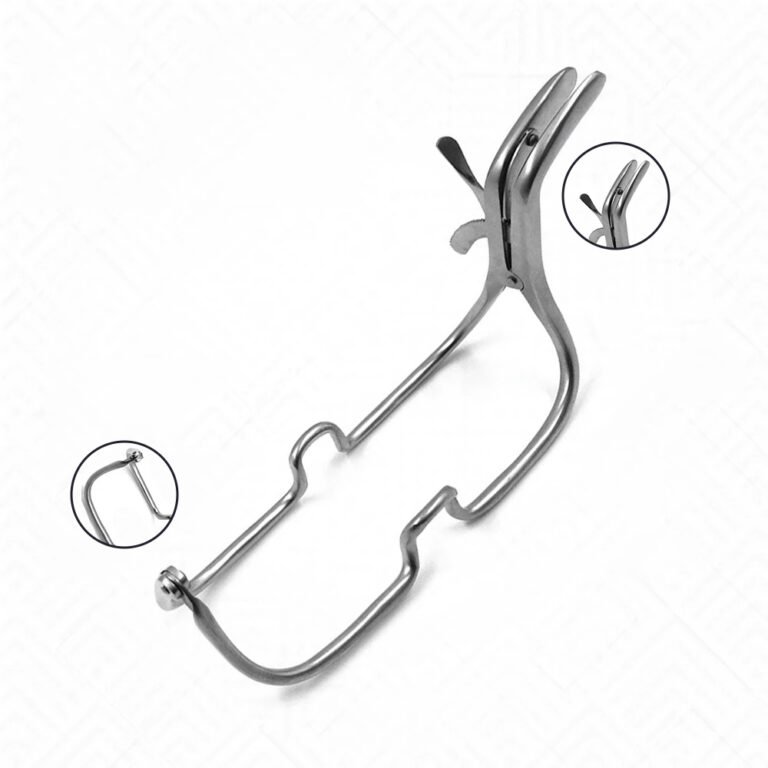
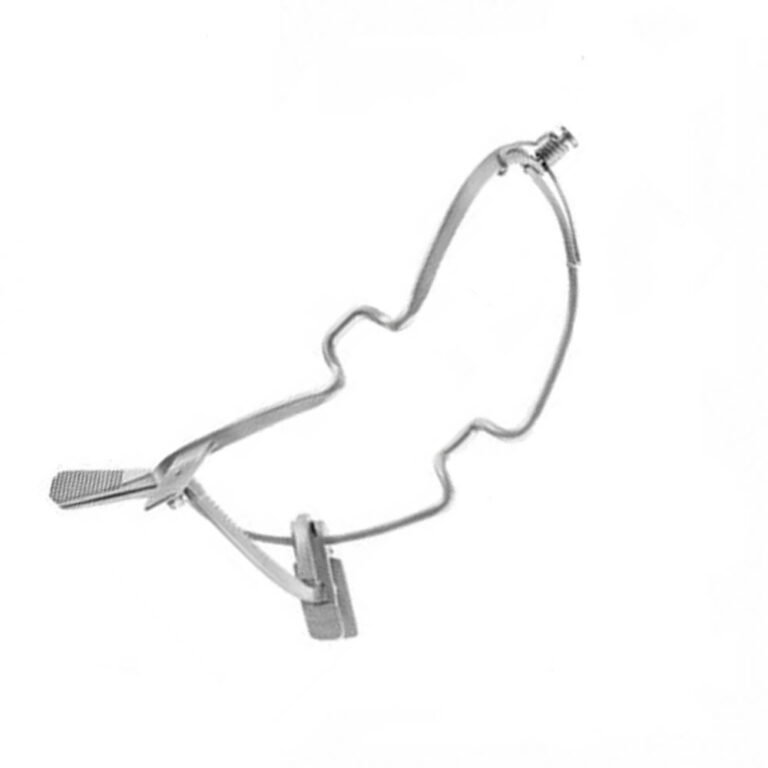
Medicon Mouth Gag – Automatic adjusting ratchet, Stainless Steel | NJ Medical Instruments
In stock
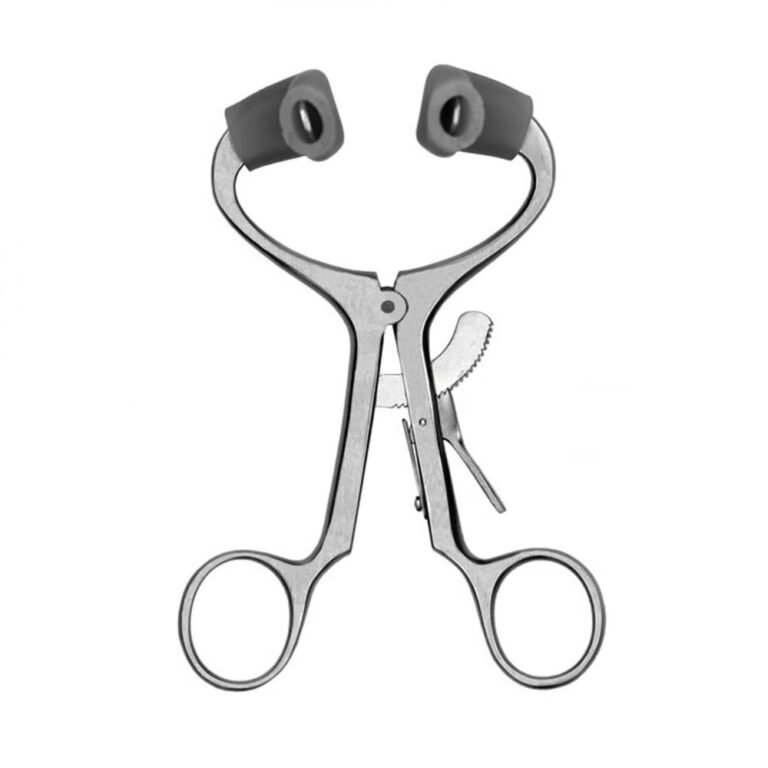
Molt Mouth Gag, Stainless Steel | NJ Medical Instruments
In stock
Mouth Gags: Holding the Airway Open and the Field Exposed
A mouth gag holds the mouth open and the tongue controlled throughout an oral or oropharyngeal procedure, without an assistant having to maintain it. In tonsillectomy, adenoidectomy, and cleft palate work the surgeon needs both hands free and needs the view to stay identical from the first minute to the last — a gag that slips mid-procedure does not just obstruct the view, it can allow the tongue to obscure the field at exactly the wrong moment. The self-retaining frame is therefore the whole point of the instrument: once set, it holds position under its own ratchet. NJ Medical Instruments manufactures the full range in surgical-grade stainless steel, supplied worldwide direct from the factory for individual purchase and for bulk, wholesale, and OEM/private-label supply.
Frame gags and how they work
Boyle-Davis is the standard tonsillectomy gag. A tongue blade attaches to a frame that rests against the upper teeth; opening the ratchet separates the jaws while the blade simultaneously depresses and holds the tongue. Because the blade is interchangeable, one frame serves a range of patient sizes.
Jennings and similar scissor-action gags open between the upper and lower teeth on a ratcheted hinge, used where the tongue does not need controlling and simple jaw separation is enough.
Doyen and Whitehead patterns offer alternative frame geometries, chosen according to surgeon preference and the access required.
Blade selection matters more than the frame
The frame is largely fixed; the blade is what has to fit the patient. A blade that is too short fails to control the base of the tongue, which then intrudes into the field. A blade that is too long presses on the epiglottis or displaces the endotracheal tube. Blades are therefore supplied in graded sizes from infant through to large adult, and selecting the right one before the gag is opened saves resetting it once the patient is positioned.
Pressure and time
A gag applies sustained force to the teeth, lips, and tongue for the length of the procedure. Two practical consequences follow: the tongue should be checked so it is not compressed against the lower teeth by the blade, and in long cases prolonged pressure is a recognised consideration for the operating team. These are handling points rather than product limitations, but they explain why blade fit and correct seating are worth the extra thirty seconds.
Which mouth gag do you need?
| Pattern | Action | Best for |
|---|---|---|
| Boyle-Davis | Frame with interchangeable tongue blade | Tonsillectomy and adenoidectomy |
| Jennings | Ratcheted scissor action | Simple jaw separation |
| Doyen | Frame with side arms | Alternative oral access |
| Whitehead | Ratcheted frame | General oral procedures |
| Tongue blades (graded) | Infant to large adult sizes | Matching the blade to the patient |
| Gag with suction channel | Integrated suction slot | Keeping the field clear during surgery |
Explore related instruments
- ENT Diagnostic Instruments and ENT Instrument Sets
- Suction Tubes for clearing the operative field
- Hooks and Retractors
- All Surgical Instruments
All manufactured in surgical-grade stainless steel to international standards, reusable and autoclavable, with worldwide shipping.
Bulk, wholesale & OEM supply
As a direct manufacturer, NJ Medical Instruments supplies mouth gags and replacement tongue blades in bulk and wholesale quantities to hospitals, ENT departments, teaching institutions, and distributors. Because blades wear and are sized per patient, they are commonly ordered as sets or in graded ranges alongside the frames. OEM and private-label production with custom laser marking is available. Contact us by email at info@njmedicalinstruments.com or by WhatsApp for volume pricing — no minimum-order barriers, no middlemen.
Frequently asked questions
What is a mouth gag used for?
A mouth gag holds the mouth open and the tongue controlled during oral and oropharyngeal surgery, so the surgeon has both hands free and the view stays consistent throughout the procedure. It is self-retaining and holds position on its own ratchet.
What is a Boyle-Davis gag?
The Boyle-Davis is the standard tonsillectomy gag. A tongue blade attaches to a frame that rests against the upper teeth, and opening the ratchet separates the jaws while the blade depresses and holds the tongue. The blade is interchangeable, so one frame covers a range of patient sizes.
How do I choose the right tongue blade size?
Match the blade to the patient. A blade that is too short fails to control the base of the tongue, which then intrudes into the field; one that is too long can press on the epiglottis or displace the endotracheal tube. Blades are supplied in graded sizes from infant to large adult.
What is the difference between a Boyle-Davis and a Jennings gag?
A Boyle-Davis uses a frame with a tongue blade that both separates the jaws and controls the tongue. A Jennings is a simpler ratcheted scissor-action gag that separates the jaws only, used where tongue control is not required.
Are mouth gags reusable?
Yes. Our mouth gags and tongue blades are made from surgical-grade stainless steel, are fully reusable, and withstand repeated autoclave sterilisation. The ratchet mechanism should be inspected regularly, as a gag that no longer holds position reliably needs replacing.
Do you supply mouth gags in bulk or for OEM / private label?
Yes. As a direct manufacturer we supply mouth gags and replacement blades in bulk and wholesale quantities, commonly as frames with graded blade ranges, and offer OEM or private-label production to custom specifications. Contact us by email or WhatsApp for volume pricing.