


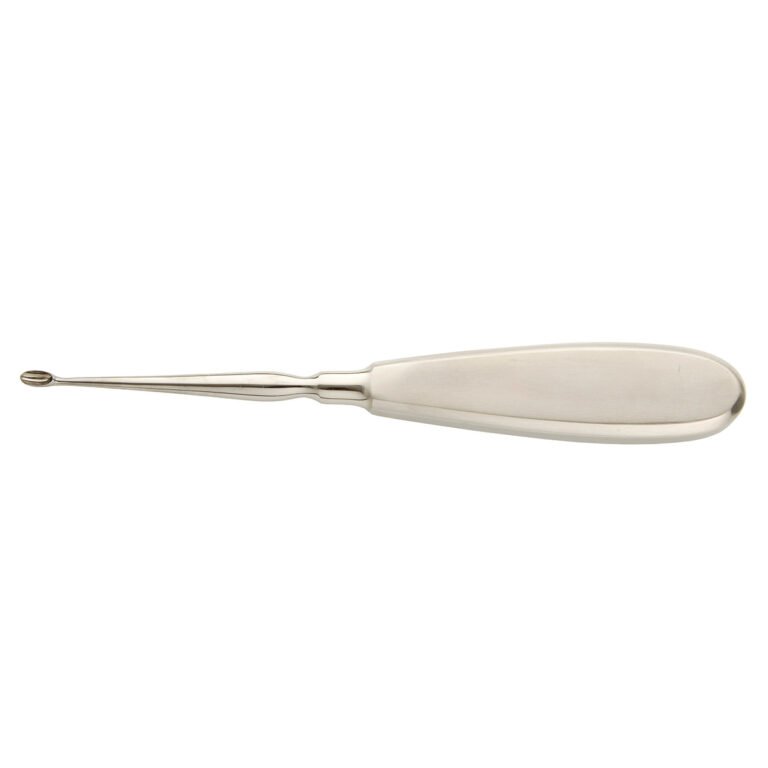
Bone Curette | NJ Medical Instruments
In stock
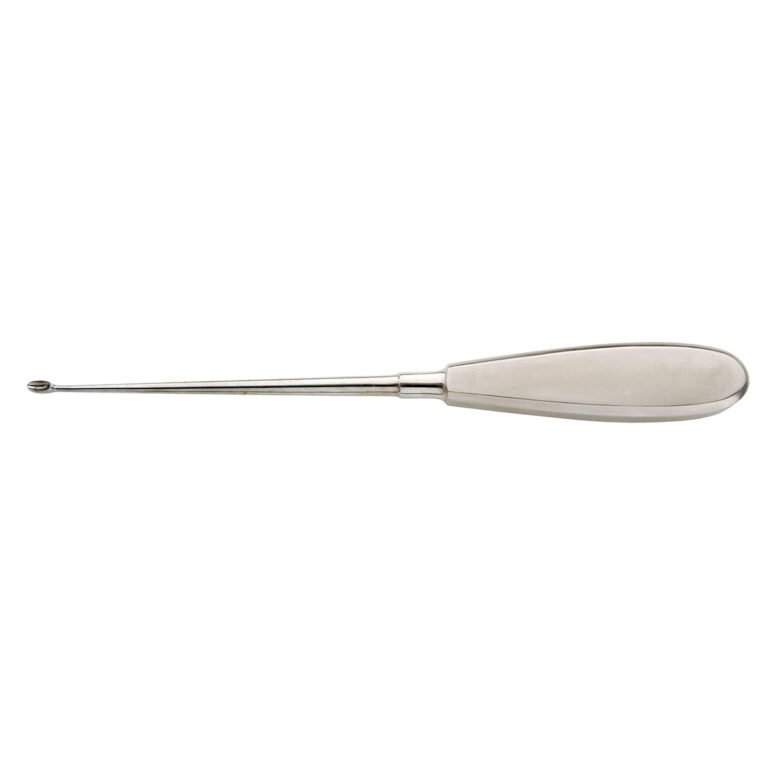
Bone Curette Long Model | NJ Medical Instruments
In stock
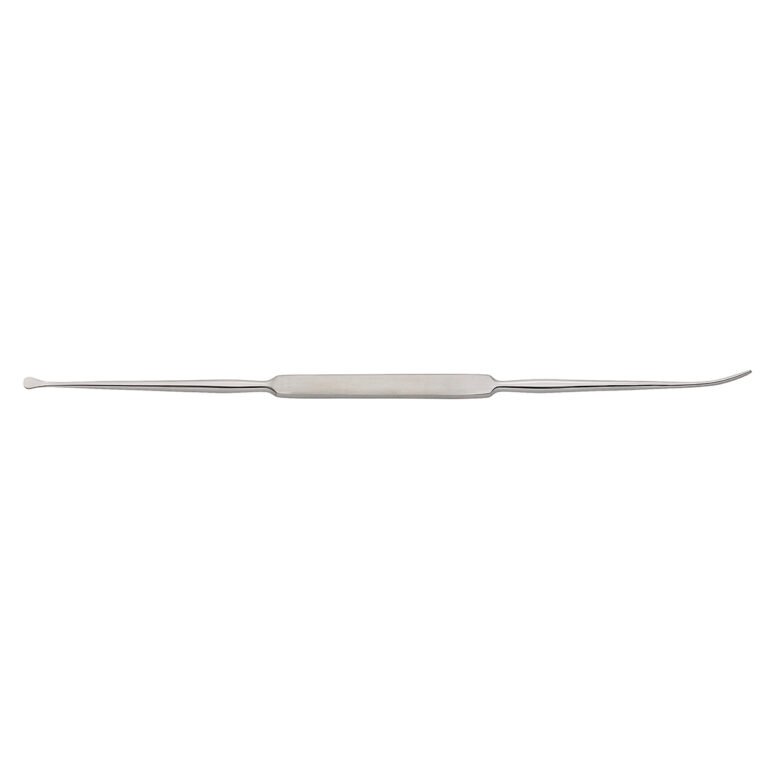
Cottle Septum Elevator | NJ Medical Instruments
In stock
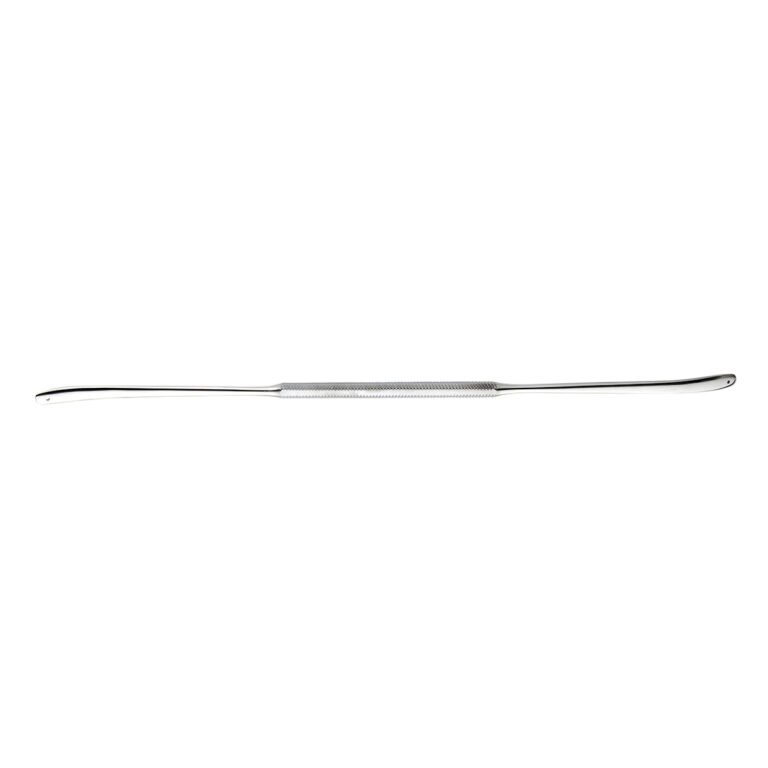
Dissector | NJ Medical Instruments
In stock
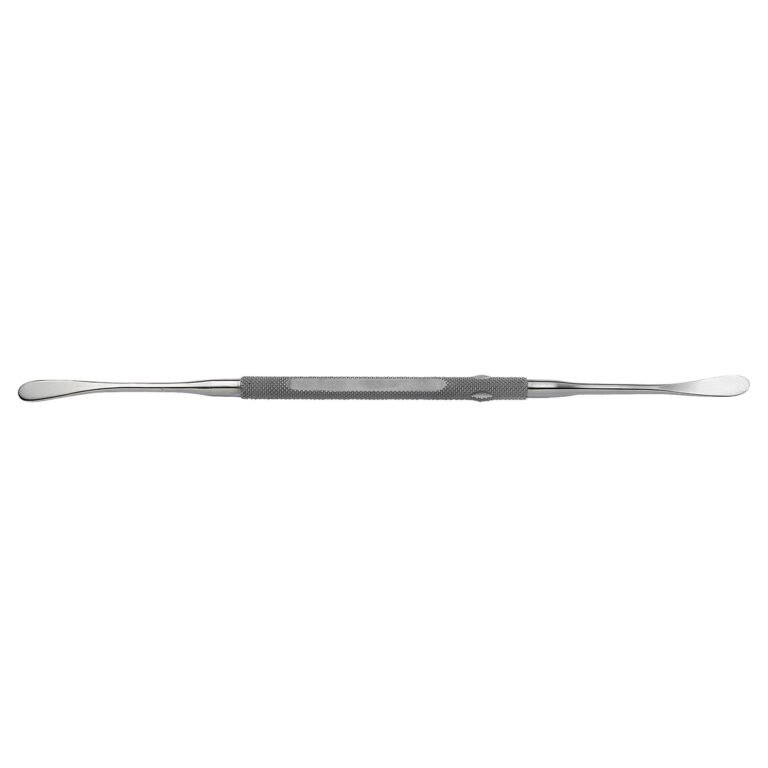
Freer Elevator | NJ Medical Instruments
In stock
Curettes, Raspatories & Elevators: Scraping, Stripping and Lifting
These three instruments look similar and are often stored together, but they do genuinely different jobs — a curette scrapes material out, a raspatory strips tissue off bone, and an elevator lifts and levers. The confusion is understandable because all three work by being pressed against bone and moved along it. The difference is what they are meant to remove and in which direction. Reaching for the wrong one is rarely dangerous, but it is inefficient: a curette used to strip periosteum tears it, and a raspatory used to clear a cavity skates over the material it is supposed to remove. NJ Medical Instruments manufactures the full range in surgical-grade stainless steel, supplied worldwide direct from the factory for individual purchase and for bulk, wholesale, and OEM/private-label supply.
Curettes scrape material out
A curette has a cupped, sharp-edged working end used to scrape tissue from a cavity — granulation tissue from an infected site, cancellous bone from a defect, or soft material from within a lesion. The cup collects what is removed rather than pushing it aside. Curettes come in graded sizes because the cup must fit the cavity being cleared, and in straight and angled patterns for reaching around corners.
Raspatories strip periosteum
A raspatory (or periosteal elevator) has a broader, blunter working edge designed to separate periosteum from the bone surface in a continuous sheet. Preserving that layer intact matters — periosteum carries much of the blood supply to the outer bone, and a cleanly stripped flap can be laid back down at closure. Working under the periosteum in the correct plane, rather than tearing through it, is the difference a proper raspatory makes.
Elevators lift and lever
An elevator is used to lift a fragment, prise a structure away, or hold tissue displaced while another instrument works. Because it is applied as a lever, shaft stiffness is the critical property — an elevator that flexes under load transmits less force than the surgeon applies and gives poor control over where the force actually goes.
Which instrument do you need?
| Instrument | Working end | Action |
|---|---|---|
| Bone curette | Sharp-edged cup | Scraping material from a cavity |
| Angled curette | Cup on an angle | Reaching around corners |
| Raspatory / periosteal elevator | Broad blunt edge | Stripping periosteum in a sheet |
| Curved raspatory | Curved working edge | Following bone contour |
| Bone elevator / lever | Stiff flat blade | Lifting and levering fragments |
| Double-ended pattern | Two working ends | Fewer instrument changes |
Explore related surgical instruments
- Bone Cutters & Rongeurs
- Dissectors & Elevators for soft-tissue work
- Spinal Surgical Instrumentation
- Orthopedic Sets and All Surgical Instruments
All manufactured in surgical-grade stainless steel to international standards, reusable and autoclavable, with worldwide shipping.
Bulk, wholesale & OEM supply
As a direct manufacturer, NJ Medical Instruments supplies curettes, raspatories, and elevators in bulk and wholesale quantities to hospitals, orthopedic and maxillofacial units, and distributors, and produces OEM / private-label instruments in custom sizes and patterns with laser marking. Contact us by email at info@njmedicalinstruments.com or by WhatsApp for volume pricing — no minimum-order barriers, no middlemen.
Frequently asked questions
What is the difference between a curette and a raspatory?
A curette has a sharp-edged cup for scraping material out of a cavity, and the cup collects what is removed. A raspatory has a broader blunt edge for stripping periosteum off the bone surface in a continuous sheet.
What is a raspatory used for?
It separates periosteum from bone, working in the plane beneath it so the layer lifts as an intact sheet. That matters because periosteum carries much of the blood supply to the outer bone and can be laid back at closure.
What is a bone curette used for?
Scraping granulation tissue, cancellous bone, or soft material out of a cavity or defect. Sizes are graded so the cup can be matched to the cavity being cleared.
Why does elevator stiffness matter?
An elevator is used as a lever. A shaft that flexes under load transmits less force than the surgeon applies and gives poor control over where that force is directed.
Can these instruments be used interchangeably?
Poorly. A curette used to strip periosteum tears it rather than lifting a sheet, and a raspatory used to clear a cavity skates over the material it should be removing. Each works best for its intended action.
Do you supply curettes and raspatories in bulk or for OEM / private label?
Yes. As a direct manufacturer we supply curettes, raspatories, and elevators in bulk and wholesale quantities and produce OEM / private-label instruments in custom sizes and patterns. Contact us by email or WhatsApp for volume pricing.