


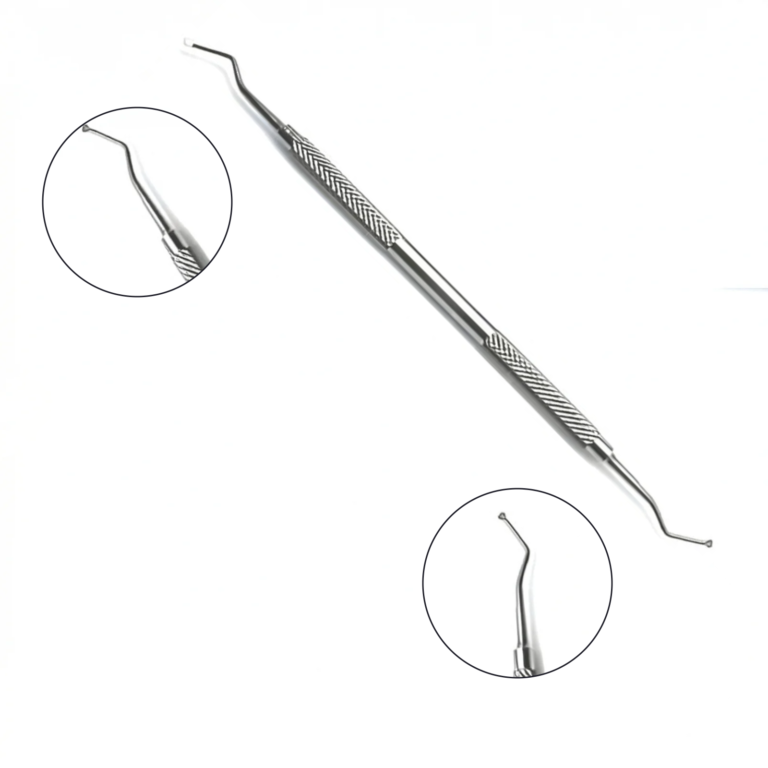
Double Ended Excavator 18 | NJ Medical Instruments
In stock
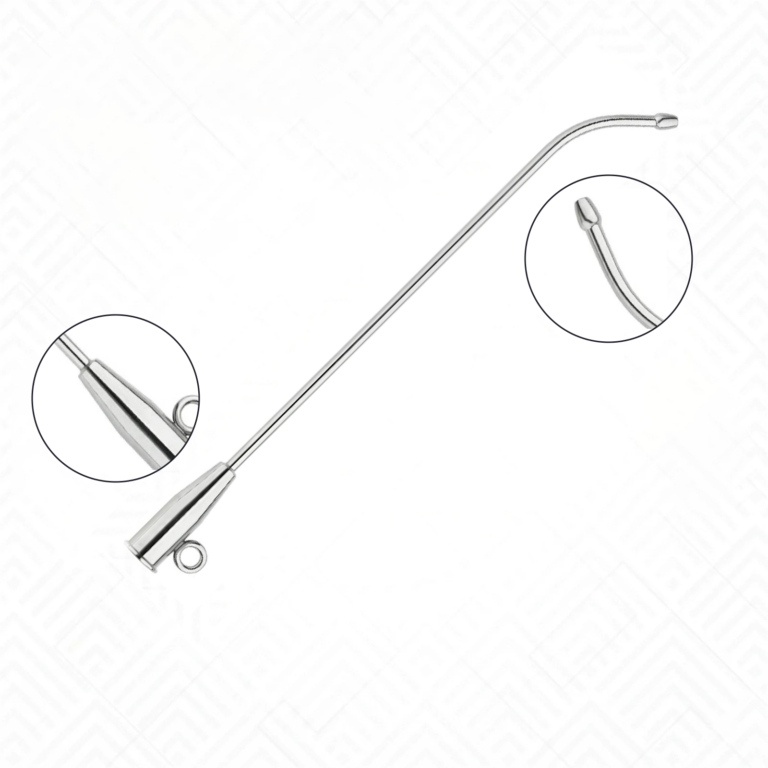
Hartman Eustachian Catheters | NJ Medical Instruments
In stock
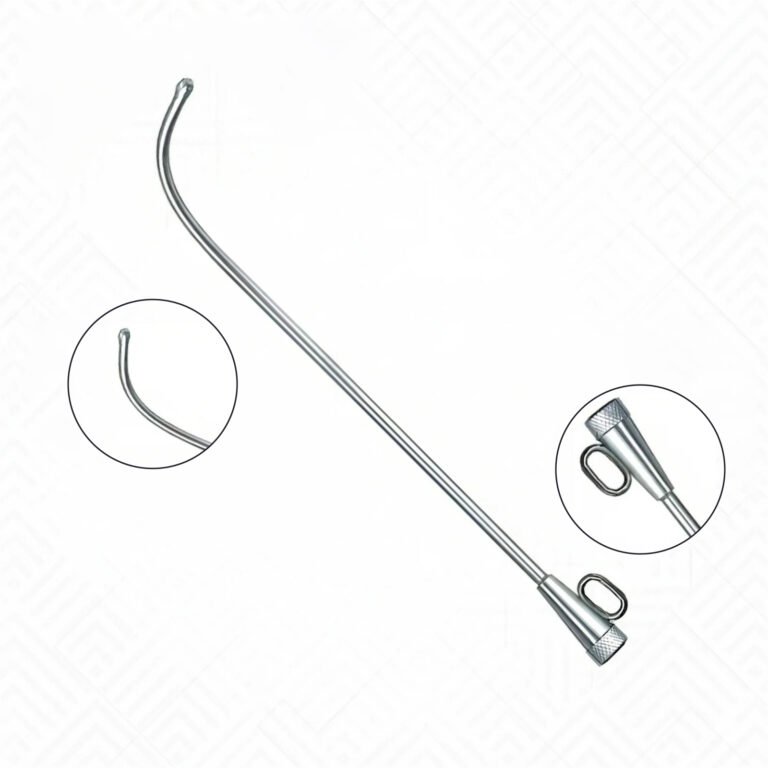
Hartmann Ear Catheter, 15cm 6″ Length | NJ Medical Instruments
In stock
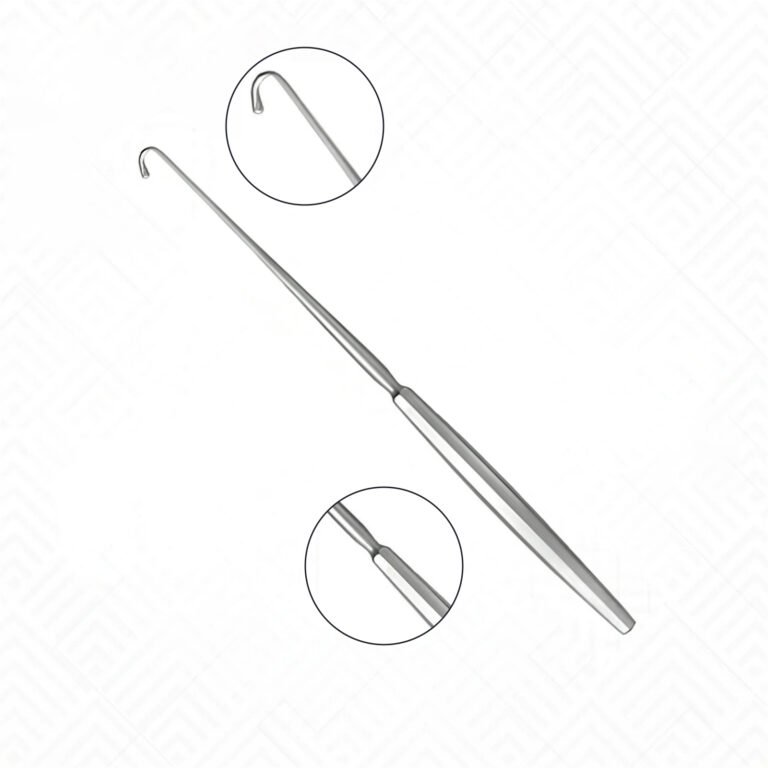
LANGE Alar Hooklet | NJ Medical Instruments
In stock
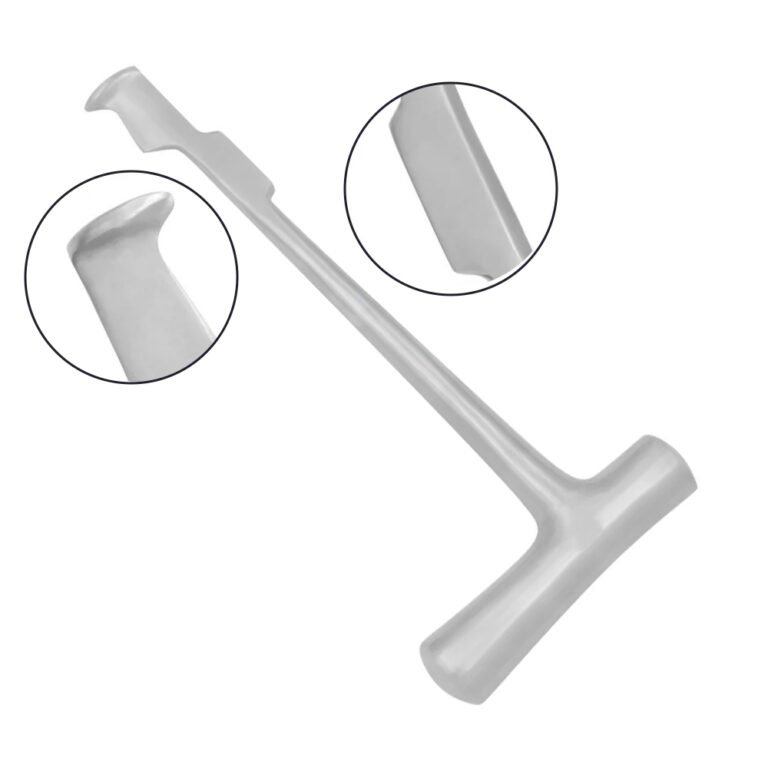
Lebsche Sternum Chisel | NJ Medical Instruments
In stock
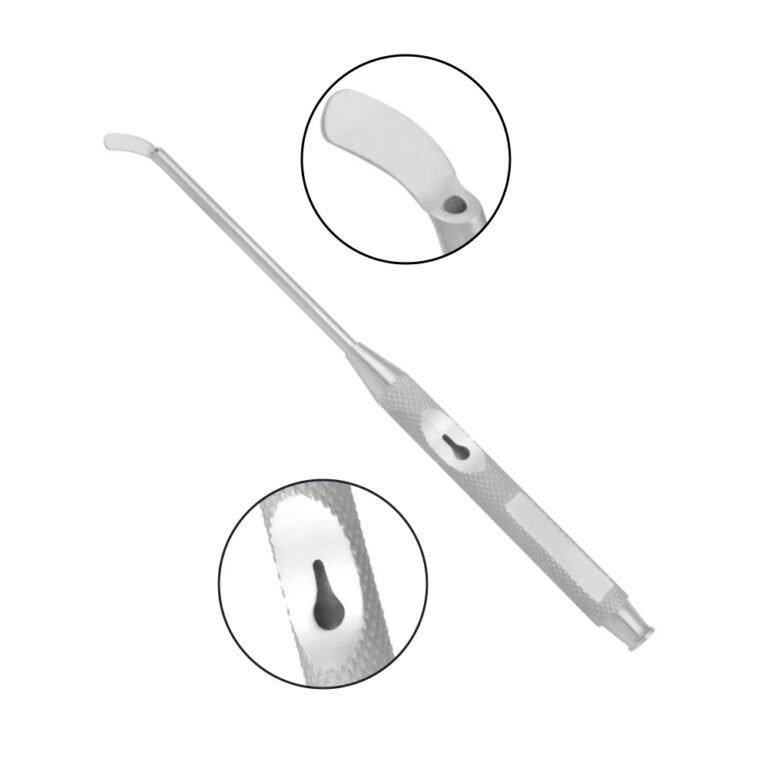
Panetti Suction Dissector – Fine Left | NJ Medical Instruments
In stock
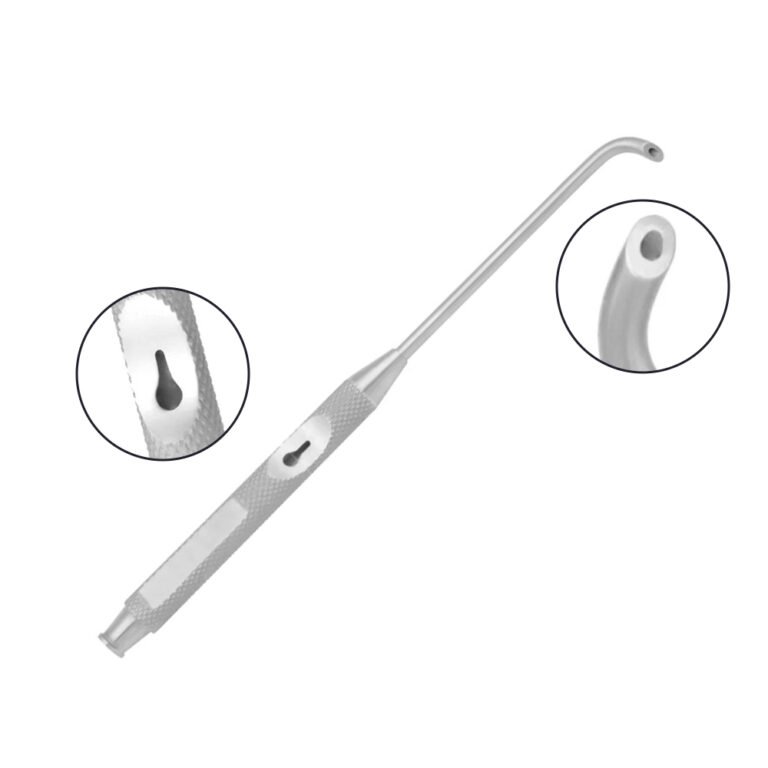
Panetti Suction Dissector for Atticus – Forward | NJ Medical Instruments
In stock
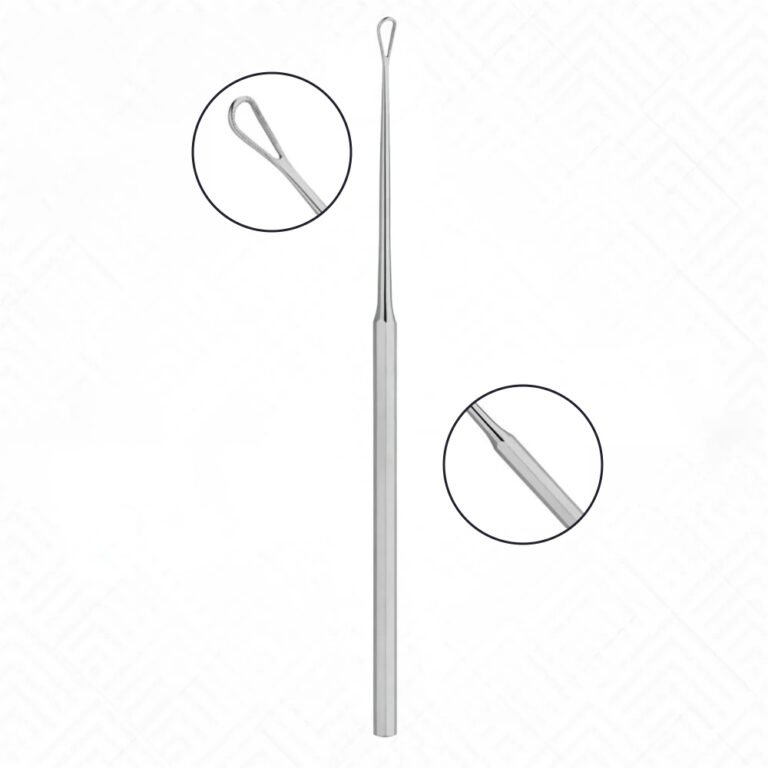
Weber Loch Ear Loop | NJ Medical Instruments
In stock
Ear Catheters & Excavators: Clearing the Canal and Reaching the Eustachian Tube
These two instruments serve opposite directions of travel — an excavator brings material out of the ear canal, while a Eustachian catheter delivers air in through the nose to the middle ear. They sit together because both belong to the same consultation: assessing an ear that is blocked, and determining whether the blockage is wax in the canal or negative pressure behind an intact drum. An excavator addresses the first; a catheter addresses the second. NJ Medical Instruments manufactures both in surgical-grade stainless steel, supplied worldwide direct from the factory for individual purchase and for bulk, wholesale, and OEM/private-label supply.
Excavators, curettes and cerumen hooks
Wax removal instruments differ by working end, and the choice depends on the consistency of what is being removed. A ring or loop curette has an open working end that scoops soft to medium wax and lets the clinician see through it to the canal ahead. A spoon excavator has a solid cupped end for firmer material. A cerumen hook is angled to pass beyond a hard plug and draw it outward — useful precisely when a curette would only push an impacted plug deeper against the drum.
Working end size matters as much as shape. The canal narrows toward the drum, and an instrument that fits comfortably at the opening may not pass the isthmus. Sets are supplied in graded sizes for this reason.
Eustachian catheters
A Eustachian catheter is a curved metal tube passed along the floor of the nose to the nasopharynx, where its tip is rotated to engage the Eustachian tube opening. Air can then be introduced to inflate the middle ear where the tube is not ventilating on its own. The distinctive ring or flange at the outer end is a position indicator: because the tip is out of sight, the ring tells the clinician which way the curve is pointing inside the nasopharynx.
Which instrument do you need?
| Instrument | Working end | Best for |
|---|---|---|
| Ring / loop curette | Open loop | Soft to medium wax, see-through |
| Spoon excavator | Solid cupped end | Firmer wax and debris |
| Cerumen hook | Angled hook | Passing beyond a hard plug |
| Double-ended excavator | Two working ends | Two options in one instrument |
| Foreign body hook | Fine right angle | Retrieving objects from the canal |
| Eustachian catheter | Curved tube with ring | Inflating the middle ear via the nose |
Explore related ENT instruments
- Otoscopes — used throughout wax removal
- Ear Forceps and Ear Scissors & Snares
- Ear Specula & Tuning Forks
- All ENT Diagnostic Instruments
All manufactured in surgical-grade stainless steel to international standards, reusable and autoclavable, with worldwide shipping.
Bulk, wholesale & OEM supply
As a direct manufacturer, NJ Medical Instruments supplies ear excavators, curettes, hooks, and Eustachian catheters in bulk and wholesale quantities to hospitals, ENT clinics, and distributors, and produces OEM / private-label instruments in graded sizes with laser marking. Contact us by email at info@njmedicalinstruments.com or by WhatsApp for volume pricing — no minimum-order barriers, no middlemen.
Frequently asked questions
What is an ear excavator used for?
An ear excavator removes wax and debris from the ear canal. Loop or ring patterns scoop soft to medium wax while letting the clinician see through the working end; spoon patterns handle firmer material.
When is a cerumen hook used instead of a curette?
When the wax is hard and impacted. A curette pressed against a firm plug can push it deeper against the drum, whereas a hook is angled to pass beyond the plug and draw it outward.
What size ear curette should be used?
Small enough to pass the narrowing of the canal. An instrument that fits at the canal opening may not pass the isthmus closer to the drum, which is why these are supplied in graded sizes.
What is a Eustachian catheter used for?
It is passed along the floor of the nose to the nasopharynx and rotated to engage the Eustachian tube opening, so air can be introduced to inflate the middle ear where the tube is not ventilating adequately.
What is the ring on a Eustachian catheter for?
It is a position indicator. Because the tip sits out of sight in the nasopharynx, the ring at the outer end shows the clinician which direction the curved tip is pointing.
Do you supply ear excavators and catheters in bulk or for OEM / private label?
Yes. As a direct manufacturer we supply ear excavators, curettes, hooks, and Eustachian catheters in bulk and wholesale quantities and offer OEM / private-label production in graded sizes. Contact us by email or WhatsApp for volume pricing.