


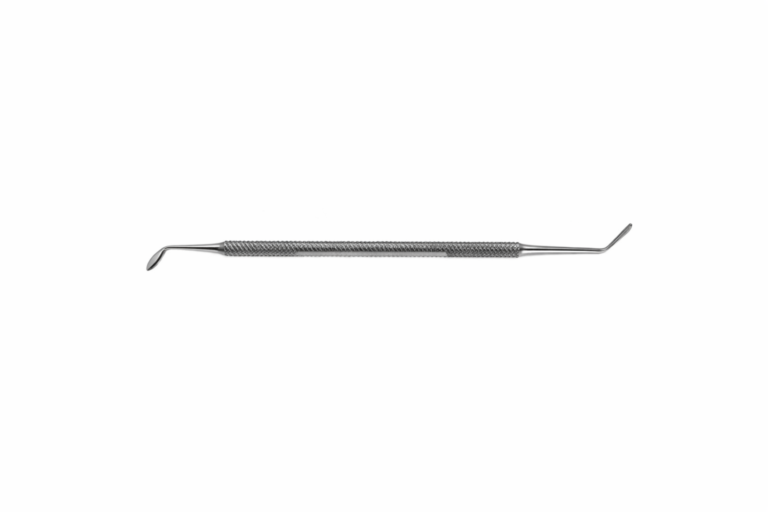
Angled Side & Flat Elevator, Double-Ended
In stock
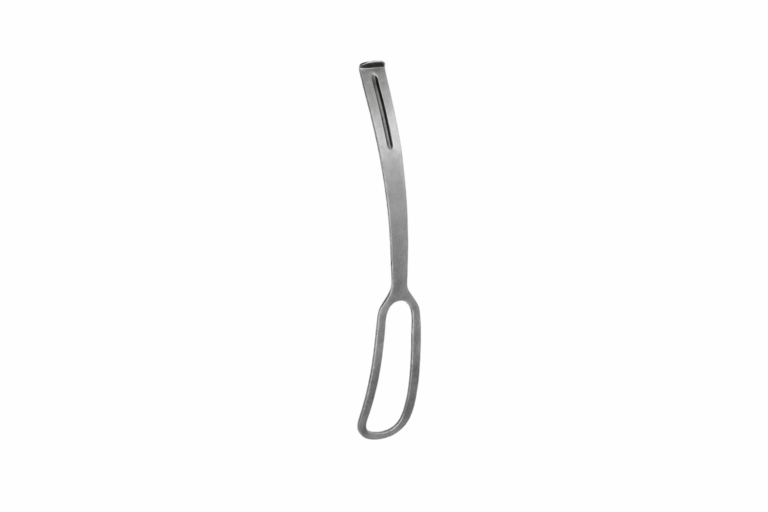
Awty Condylar Neck Retractor, 22 cm
In stock
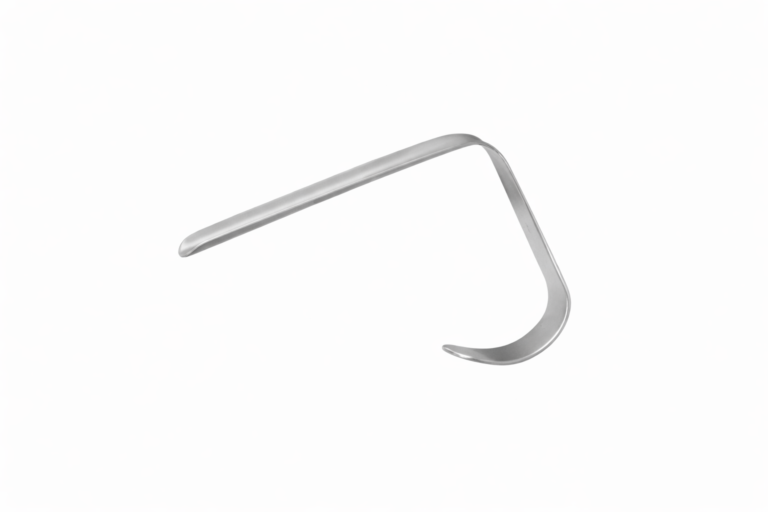
Barsky Nasal Retractor, 10 × 55 mm – Reusable
In stock
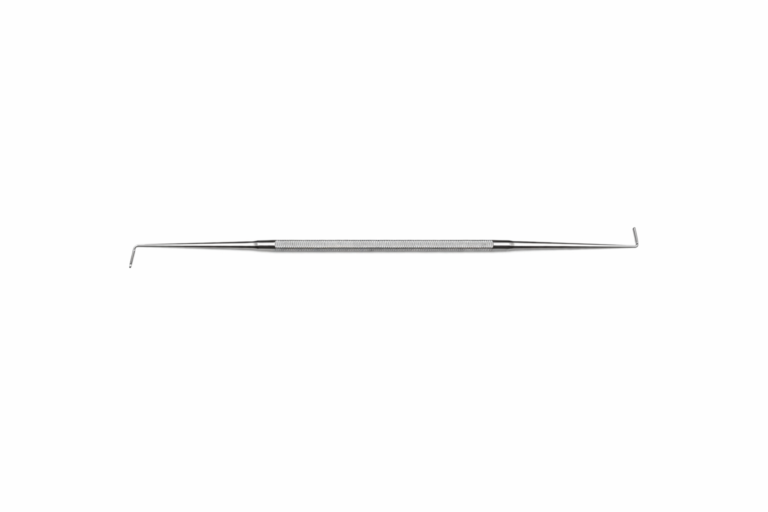
Barsky Pharyngeal Flap Elevator, 21 cm – 3.0 and 5.0 mm Blades
In stock
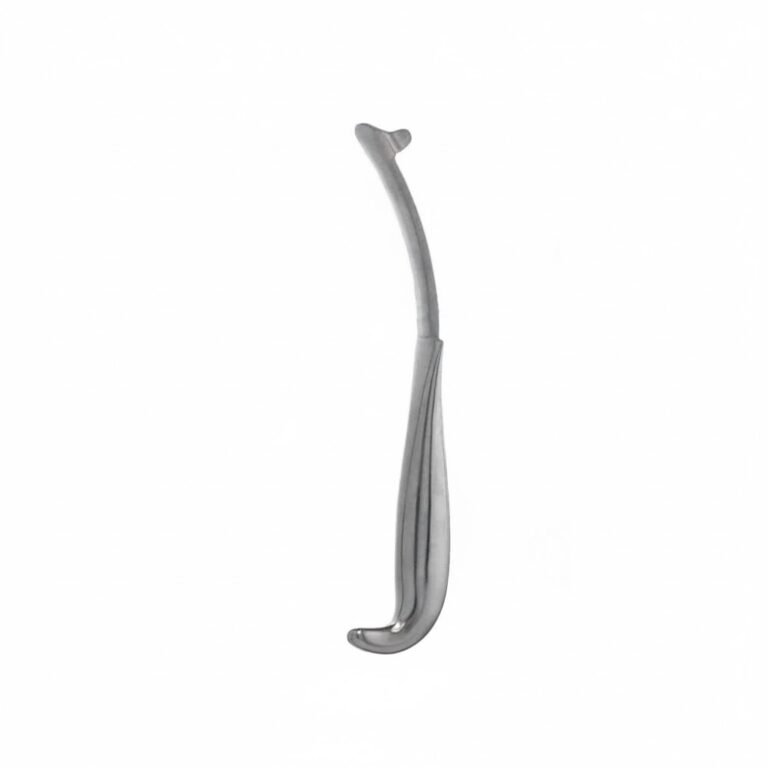
Bauer Sigmoid Notch Retractor, 20.3 cm – Intraoral
In stock
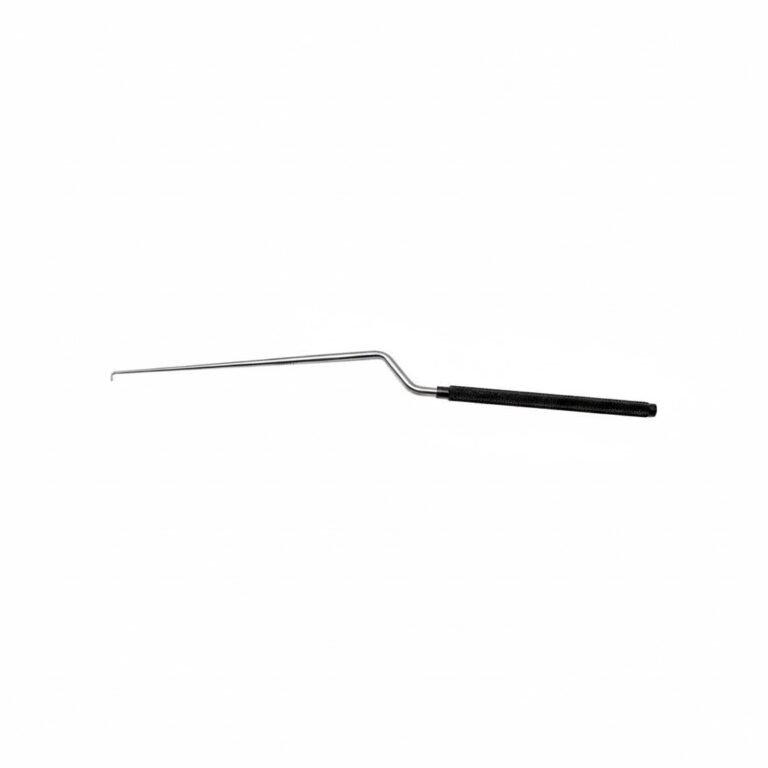
Bayonet Nerve Hook, 150 mm Working Length – Knurled Handle
In stock
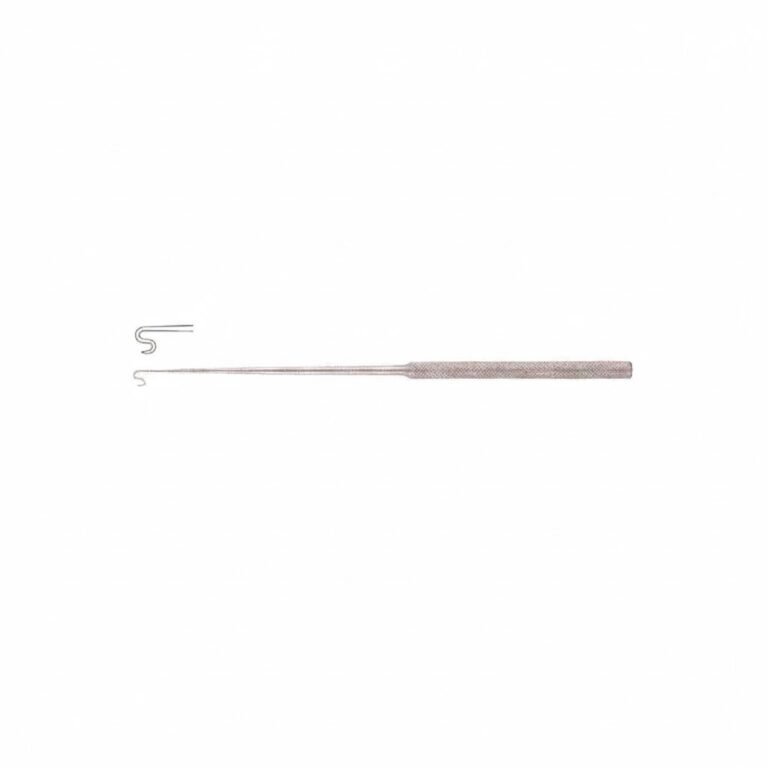
Benicke Retractor, 19 cm – 8 mm Sharp, S-Shaped Tip
In stock
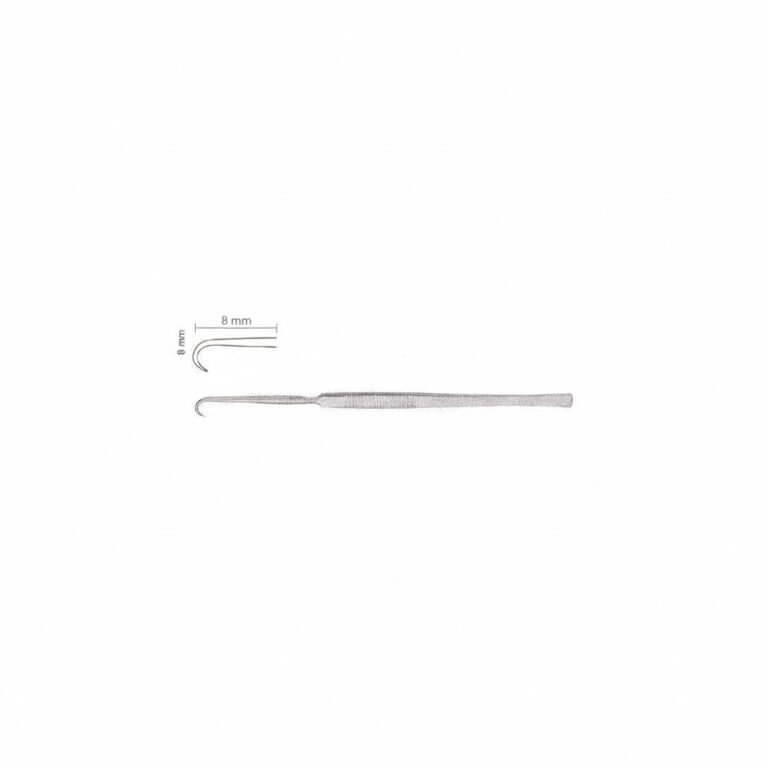
Bergmann Retractor Hook, 14 cm – Single Sharp Prong
In stock
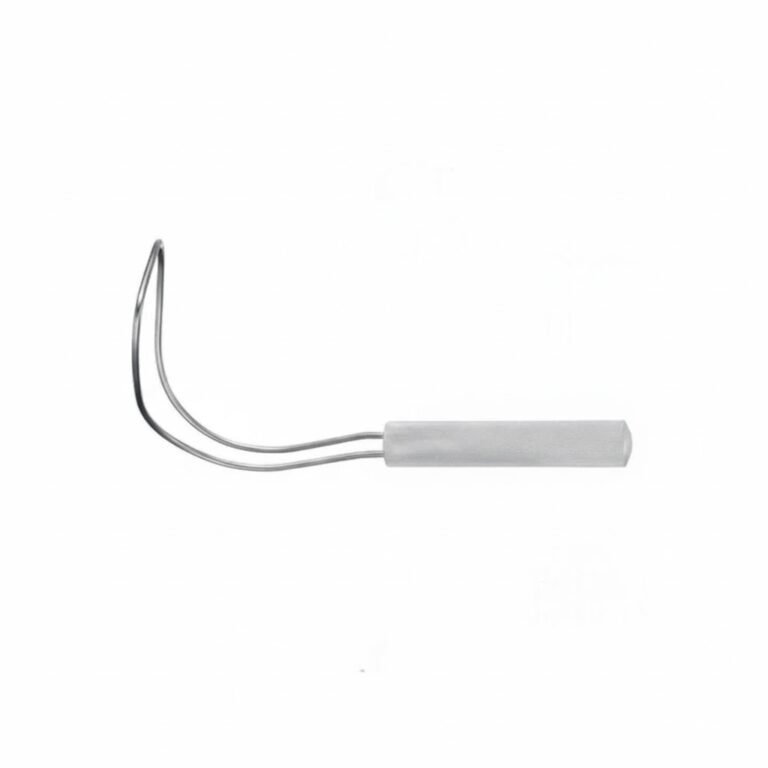
Biggs Face Lift Retractor, 229 mm – 5.2 cm Blade
In stock
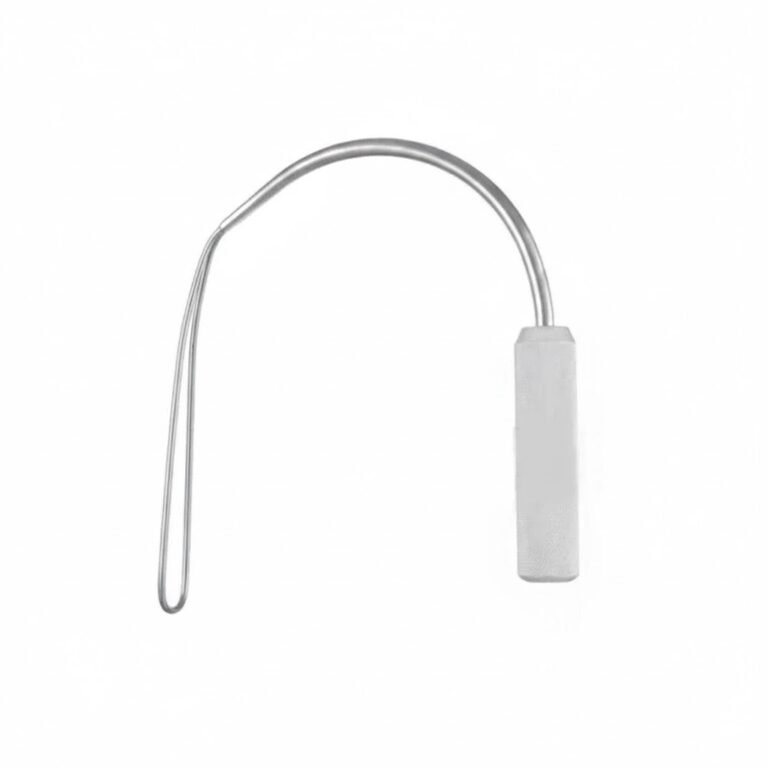
Biggs Mammaplasty Retractor, 152 mm – 3 cm Narrow Blade
In stock
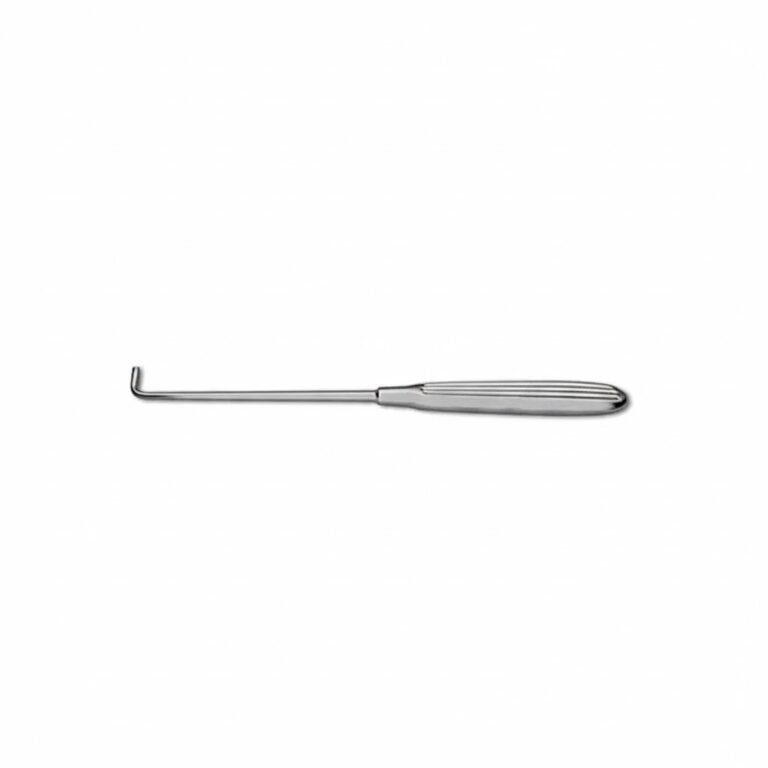
Blair Cleft Palate Elevator, 19 cm – Right Angle, 5 mm Blade
In stock
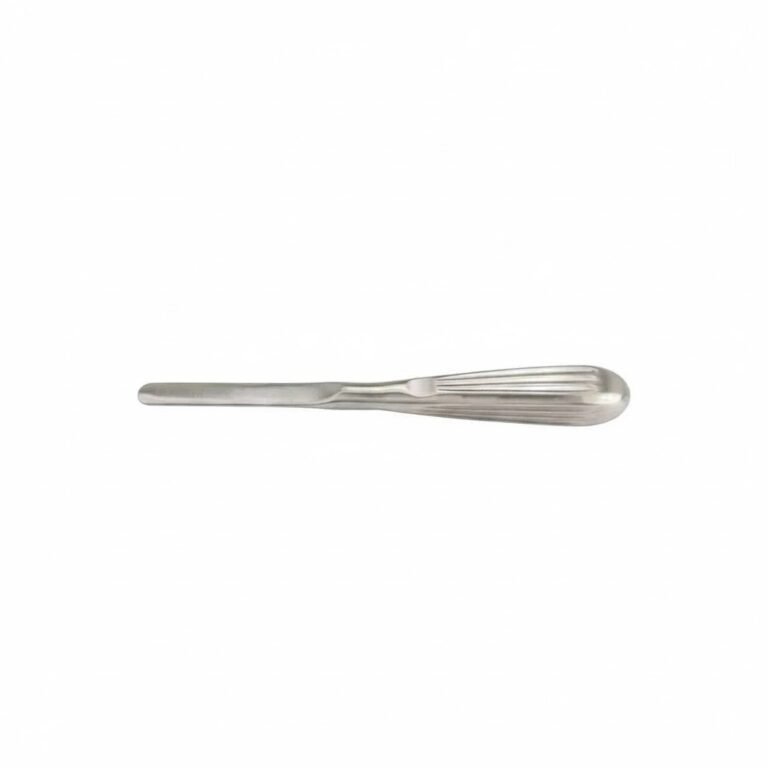
Boies Nasal Fracture Elevator, 19 cm – Heavy Shaft, Blunt
In stock
Dissectors & Elevators: Freer, Cottle, Joseph & Periosteal Patterns
Dissectors and elevators are hand instruments used to separate, lift, and free tissue from underlying structures with minimal trauma. Dissectors develop planes between soft-tissue layers, while elevators lift tissue — skin, periosteum, mucosa, or cartilage — away from bone or from an operative site. They are central to rhinoplasty, maxillofacial, ENT, and reconstructive surgery, where preserving surrounding tissue and blood supply is essential. NJ Medical Instruments manufactures the full range in surgical-grade stainless steel — including Freer, Cottle, Joseph, Obwegeser, and periosteal patterns — supplied worldwide direct from the factory for individual purchase and for bulk, wholesale, and OEM/private-label supply.
Common dissector & elevator patterns
Freer elevators are fine, double-ended septum elevators used in rhinoplasty and septal surgery to lift mucoperichondrium and mucoperiosteum. One end is sharp, the other blunt.
Cottle elevators are a rhinoplasty staple, used to elevate soft tissue and separate the septal mucosa; the Cottle range also includes matching knives and chisels for nasal work.
Joseph elevators lift skin and soft tissue in nasal and facial procedures, with fine, angled working ends for precise plane development.
Obwegeser and periosteal elevators raise periosteum from bone in maxillofacial and reconstructive surgery, with broader, stronger blades for firm tissue.
Dissector or elevator — which do you need?
| Pattern | Best for | Working end |
|---|---|---|
| Freer | Septal & nasal mucosa | Double-ended: sharp + blunt |
| Cottle | Rhinoplasty, septal elevation | Rounded elevating blade |
| Joseph | Facial & nasal skin lifting | Fine, angled tip |
| Periosteal / Obwegeser | Lifting periosteum from bone | Broad, strong blade |
| Howarth | Nasal and septal work | Rounded, blunt elevator blade |
| McDonald | Dental and oral surgery | Double-ended, one blunt one flattened |
| Molt | Periosteal reflection in dentistry | Pointed at one end, rounded at the other |
| Penfield | Neurosurgical and spinal dissection | Graded set, blunt through to sharp |
Explore related plastic surgery instruments
Dissectors and elevators are used alongside other reconstructive and rhinoplasty tools:
- Osteotomes & Rasps for bone and cartilage work
- Knives and Handles for incision and dissection
- Nasal Forceps & Mallets & Cartilage Instruments
- All Plastic Surgery Instruments
All manufactured in surgical-grade stainless steel to international standards, reusable and autoclavable, with worldwide shipping.
Bulk, wholesale & OEM supply
As a direct manufacturer, NJ Medical Instruments supplies dissectors and elevators in bulk and wholesale quantities to hospitals, aesthetic and ENT clinics, and distributors, and produces OEM / private-label instruments to custom specifications and laser marking. Contact us by email at info@njmedicalinstruments.com or by WhatsApp for volume pricing — no minimum-order barriers, no middlemen.
Frequently asked questions
What is the difference between a dissector and an elevator?
A dissector is used to develop planes between soft-tissue layers, separating them with minimal trauma. An elevator is used to lift tissue — such as periosteum, mucosa, or skin — away from an underlying surface like bone. Many instruments combine both functions in one double-ended design.
What is a Freer elevator used for?
A Freer elevator is a fine, double-ended instrument used mainly in rhinoplasty and septal surgery to lift the mucoperichondrium and mucoperiosteum off the nasal septum. It has one sharp end and one blunt end.
What is a Cottle elevator used for?
A Cottle elevator is used in nasal and septal surgery to elevate and separate the septal mucosa and soft tissue during rhinoplasty. The Cottle range also includes matching knives and chisels for nasal work.
What is a periosteal elevator?
A periosteal elevator is a stronger, broader-bladed instrument used to raise the periosteum — the membrane covering bone — away from the bone surface in maxillofacial, dental, and orthopaedic procedures.
Do you supply dissectors and elevators in bulk or for OEM / private label?
Yes. As a direct manufacturer we supply all dissectors and elevators in bulk and wholesale quantities and offer OEM / private-label production to custom specifications. Contact us by email or WhatsApp for volume pricing.
How do I choose between a sharp and a blunt dissector?
Match the working end to the plane you are opening. A blunt dissector separates tissue that already wants to separate, following a natural plane with minimal bleeding, and is the safer first choice near vessels or nerves. A sharp or bevelled edge is for adherent periosteum and scar, where a blunt end would tear rather than lift. Most surgical teams keep both and start blunt.