


Breathable Mesh Universal Unisex Wrist Support Brace Splint Carpal Tunnel Sprain Strain Arthritis
In stock

Breathable Mesh Universal Unisex Wrist Support Brace Splint Carpal Tunnel Sprain Strain Arthritis 1
In stock

Neoprene Glitter Wrist Support Brace Splint Carpal Tunnel Sprain Strain Arthritis
In stock

Neoprene Kids Children Wrist Support Brace Splint Carpal Tunnel Sprain Strain Arthritis
In stock

Neoprene Wrist Brace Support Adjustable Wrap Sprain Strain Gym RSI
In stock

Neoprene Wrist Support Brace Splint Carpal Tunnel Sprain Strain Arthritis
In stock
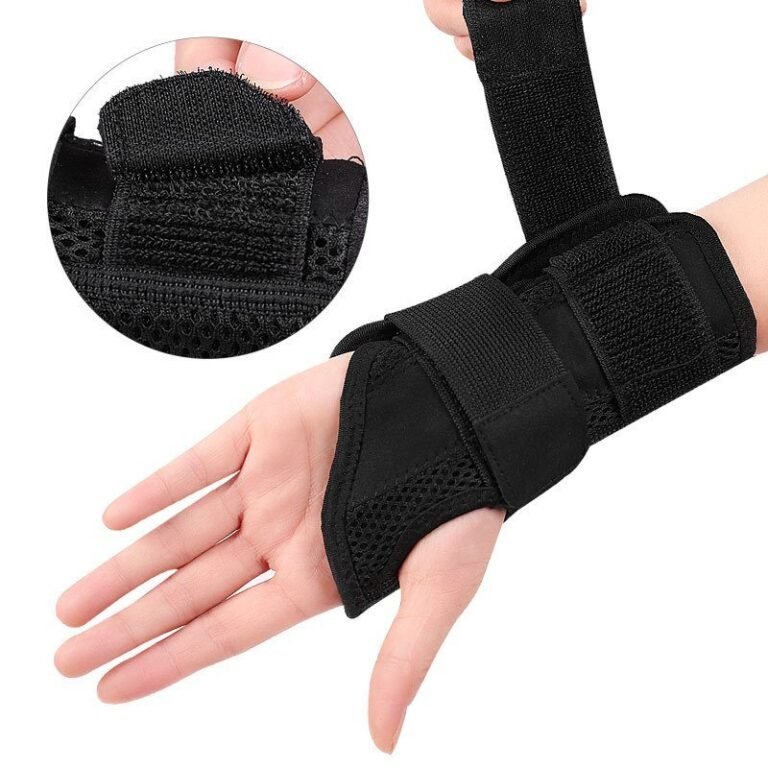
Two-Way Compression And Stable Rubber Strip Wrist Guard
In stock
Wrist Supports: Limiting the Movement That Aggravates the Problem
Most wrist supports work by restricting extension — bending the hand backwards — because that is the position that loads the structures inside the wrist most heavily. A support with a rigid palmar stay holds the wrist in a neutral or slightly extended position, which keeps it out of the range where symptoms are typically provoked. That is the whole mechanism, and it explains why the stay matters more than the fabric: a support without one applies compression and warmth but does not actually limit the movement causing the trouble. NJ Medical Instruments supplies the full range of wrist supports worldwide direct from the factory, for individual purchase and for bulk, wholesale, and OEM/private-label supply.
How much restriction do you need?
Elastic wrist wraps provide compression and proprioceptive feedback without limiting movement, suited to activity where the wrist needs support but must stay mobile.
Splinted supports carry a removable metal or polymer stay along the palmar surface, restricting extension while leaving the fingers free.
Thumb spica supports extend the restriction to include the thumb, immobilising the joint at the base of the thumb as well as the wrist.
Rigid immobilisers hold the wrist in a fixed position where movement must be prevented entirely.
Night use and why it differs
Wrist supports are frequently worn at night rather than during the day, which surprises people. The reason is that the wrist tends to curl into a flexed position during sleep, and that sustained position is often what provokes symptoms overnight. A support worn in bed simply holds the wrist neutral through those hours. It also means a night support can be less bulky than a day one, since it does not need to tolerate gripping or activity.
Fitting
Sizing is normally taken from the circumference of the wrist at the crease, and supports are commonly left- and right-specific because the thumb opening and stay contour are shaped to one hand. A support that slides down the forearm has lost its position over the joint and is doing nothing; one fastened too tightly restricts circulation to the hand. The straps should hold it in place with the fingers still able to move freely.
Which wrist support do you need?
| Type | Restriction | Commonly used for |
|---|---|---|
| Elastic wrist wrap | Compression only | Support during activity |
| Splinted wrist support | Limits extension | Keeping the wrist neutral |
| Thumb spica support | Wrist plus thumb | Isolating the thumb base joint |
| Night support | Holds neutral position | Preventing flexion during sleep |
| Rigid immobiliser | Fixed position | Where movement must be prevented |
| Left / right specific | Shaped stay and thumb opening | Correct anatomical fit |
Explore related supports
- All Orthopedic Supports & Braces
- Thumb Supports and Elbow Supports
- Shoulder Supports
- Lumbar and Back Supports
Supplied worldwide, with bulk and wholesale quantities available for clinics, pharmacies, and distributors.
Bulk, wholesale & OEM supply
As a direct manufacturer and supplier, NJ Medical Instruments provides wrist supports in bulk and wholesale quantities to clinics, physiotherapy practices, pharmacies, and distributors, and produces OEM / private-label supports with custom sizing, colours, packaging, and branding. Contact us by email at info@njmedicalinstruments.com or by WhatsApp for volume pricing — no minimum-order barriers, no middlemen.
Frequently asked questions
How does a wrist support work?
Most work by restricting extension, bending the hand backwards, since that is the position that loads the structures inside the wrist most heavily. A rigid palmar stay holds the wrist neutral and keeps it out of that range.
What is the difference between an elastic wrap and a splinted support?
An elastic wrap applies compression and proprioceptive feedback but does not limit movement. A splinted support carries a metal or polymer stay that actively restricts extension while leaving the fingers free.
Why are wrist supports often worn at night?
The wrist tends to curl into a flexed position during sleep, and that sustained position frequently provokes symptoms overnight. A support worn in bed holds the wrist neutral through those hours.
How should a wrist support be sized?
By the circumference of the wrist at the crease. A support that slides down the forearm is no longer over the joint and does nothing; one fastened too tightly restricts circulation to the hand.
Are wrist supports left and right specific?
Commonly yes, because the thumb opening and the contour of the stay are shaped to one hand. This is stated on the product where it applies.
Do you supply wrist supports in bulk or for OEM / private label?
Yes. We supply wrist supports in bulk and wholesale quantities and offer OEM / private-label production with custom sizing, colours, packaging, and branding. Contact us by email or WhatsApp for volume pricing.