


-21%
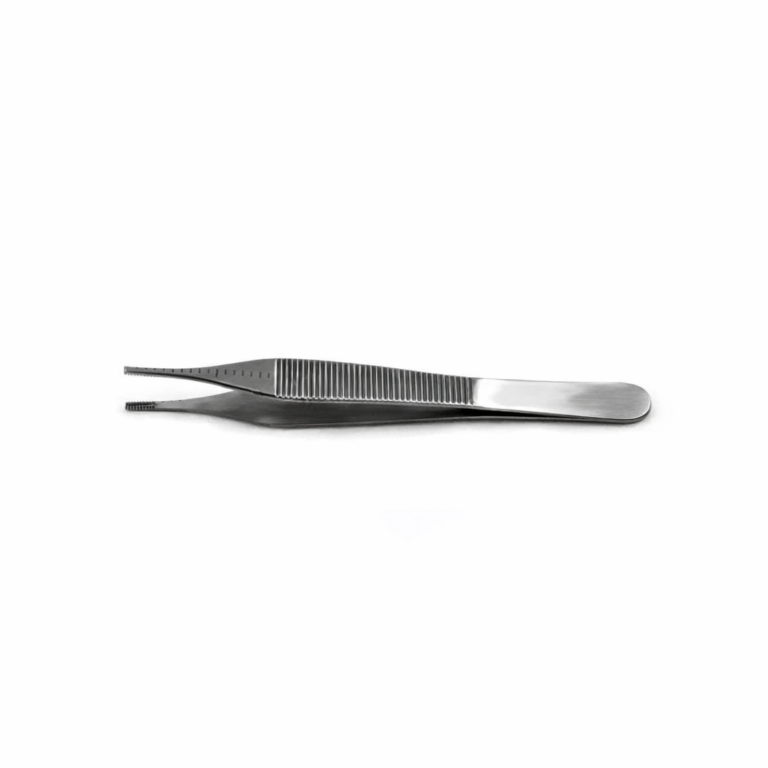
Adson Cartilage Measuring Forceps, 12 cm – Brown Teeth
Plastic Surgery Instruments for Clinics, Hospitals, and Professional Buyers Mallets and Cartilage Instruments for Clinics, Hospitals, and Professional Buyers Measuring and Marking Instruments for Clinics, Hospitals, and Professional Buyers Thumb Forceps for Clinics, Hospitals, and Professional Buyers
In stock
Original price was: $ 33.$ 26Current price is: $ 26.
SKU:
NJM-14372
-15%
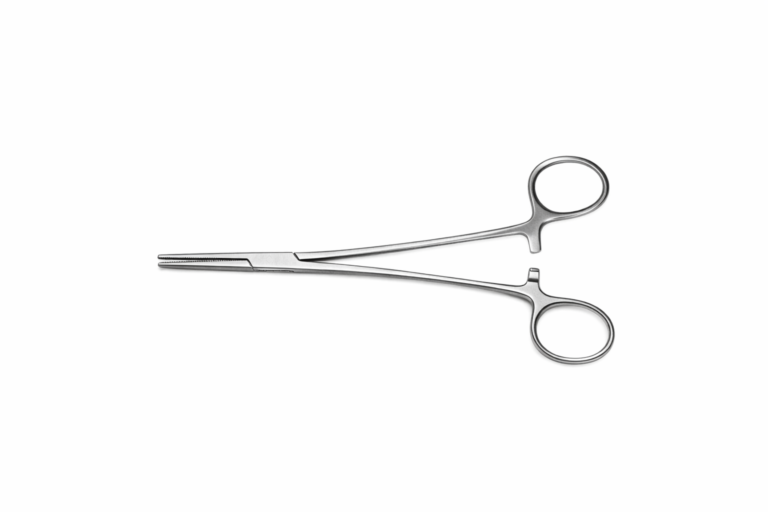
Aiach-Gubisch Cartilage Forceps, 16 cm – 5 mm Tip
Plastic Surgery Instruments for Clinics, Hospitals, and Professional Buyers Mallets and Cartilage Instruments for Clinics, Hospitals, and Professional Buyers Surgical Needle Holders for Clinics, Hospitals, and Professional Buyers
In stock
Original price was: $ 33.$ 28Current price is: $ 28.
SKU:
NJM-14325
-33%
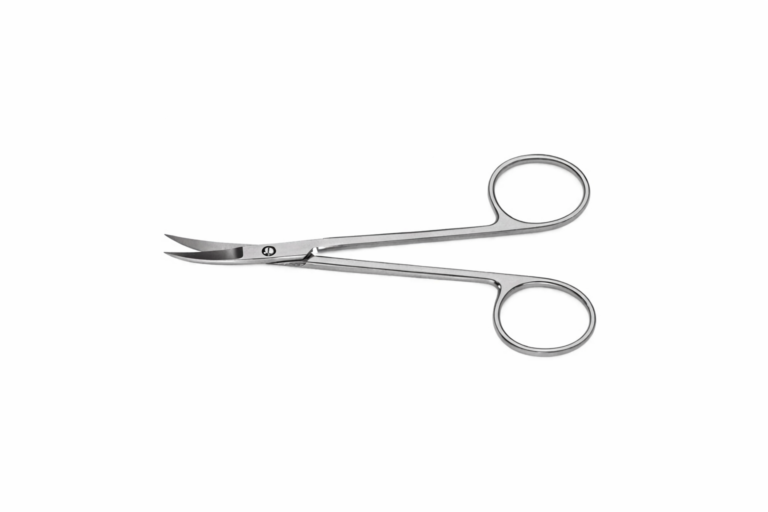
Alar Cartilage Scissors, Curved 12 cm
Plastic Surgery Instruments for Clinics, Hospitals, and Professional Buyers Mallets and Cartilage Instruments for Clinics, Hospitals, and Professional Buyers
In stock
Original price was: $ 30.$ 20Current price is: $ 20.
SKU:
NJM-14954
-33%
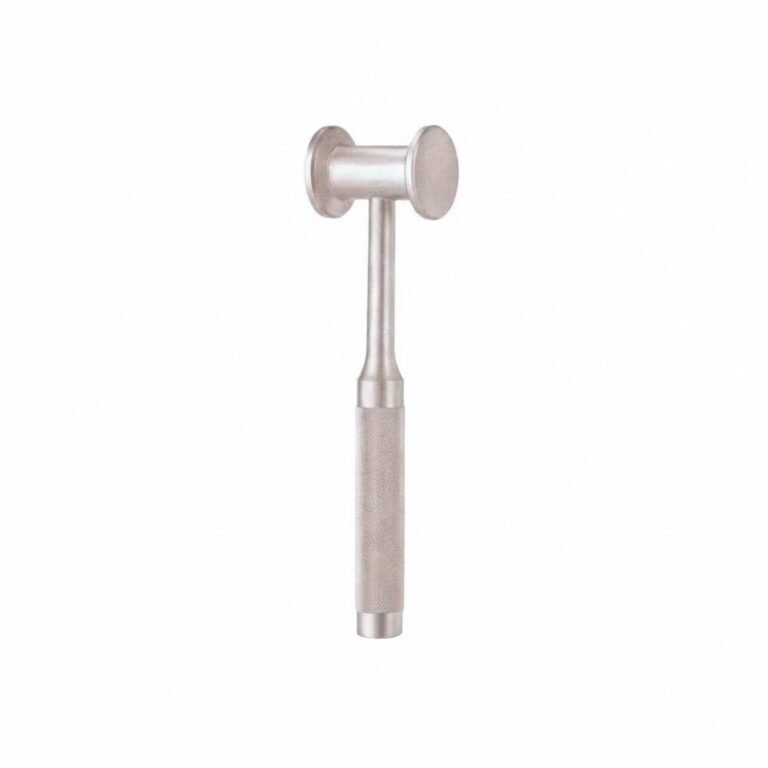
Bergmann Mallet, 22.5 cm – Solid Head, 570 g
Plastic Surgery Instruments for Clinics, Hospitals, and Professional Buyers Mallets and Cartilage Instruments for Clinics, Hospitals, and Professional Buyers
In stock
Original price was: $ 30.$ 20Current price is: $ 20.
SKU:
NJM-14955
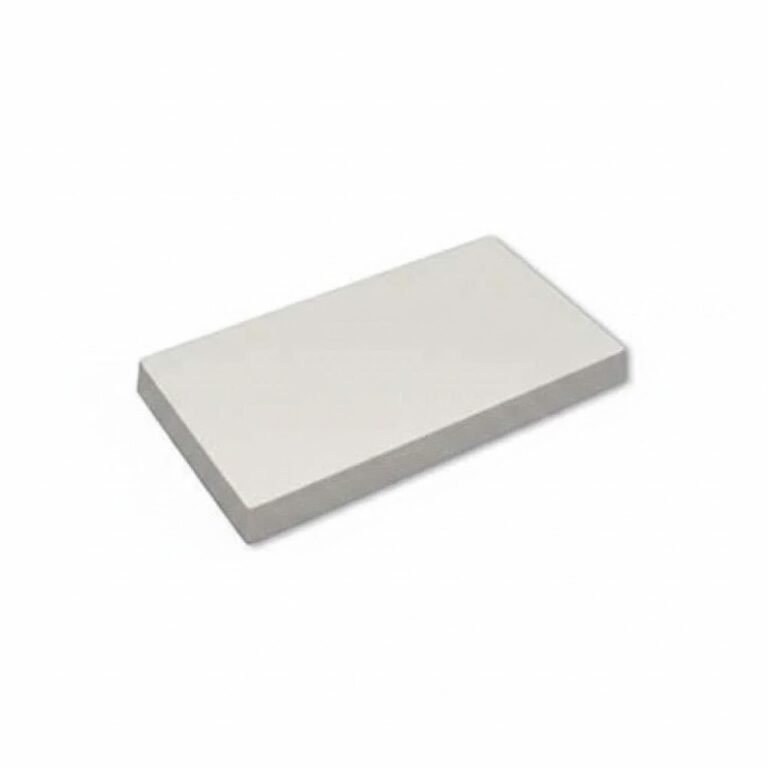
-17%
Cartilage Cutting Board, Teflon – 85 × 55 × 10 mm
Plastic Surgery Instruments for Clinics, Hospitals, and Professional Buyers Mallets and Cartilage Instruments for Clinics, Hospitals, and Professional Buyers
In stock
Original price was: $ 30.$ 25Current price is: $ 25.
SKU:
NJM-14956
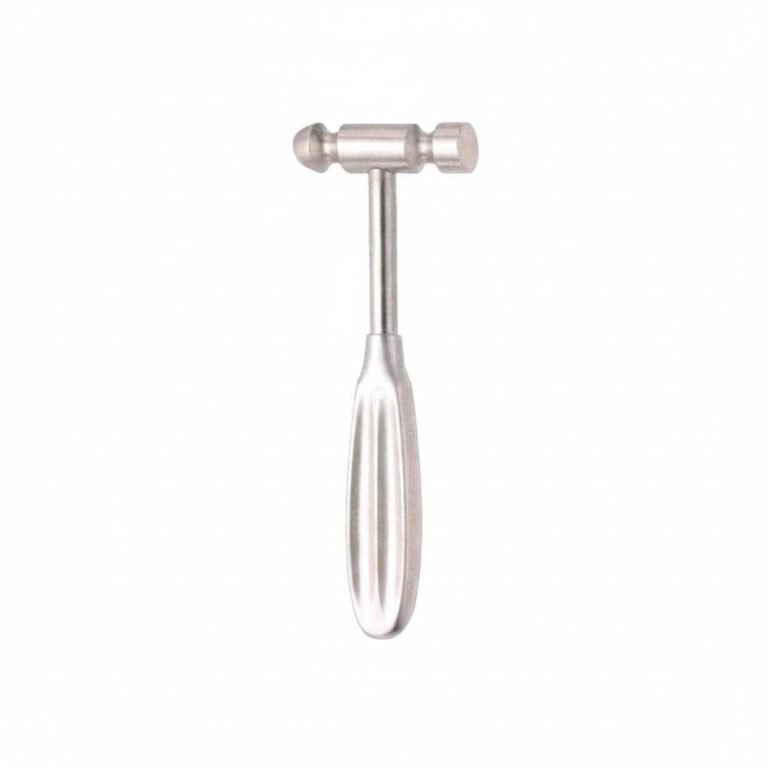
-33%
Cervical Mallet, 19 cm – Solid Head, 215 g
Plastic Surgery Instruments for Clinics, Hospitals, and Professional Buyers Mallets and Cartilage Instruments for Clinics, Hospitals, and Professional Buyers
In stock
Original price was: $ 30.$ 20Current price is: $ 20.
SKU:
NJM-14957
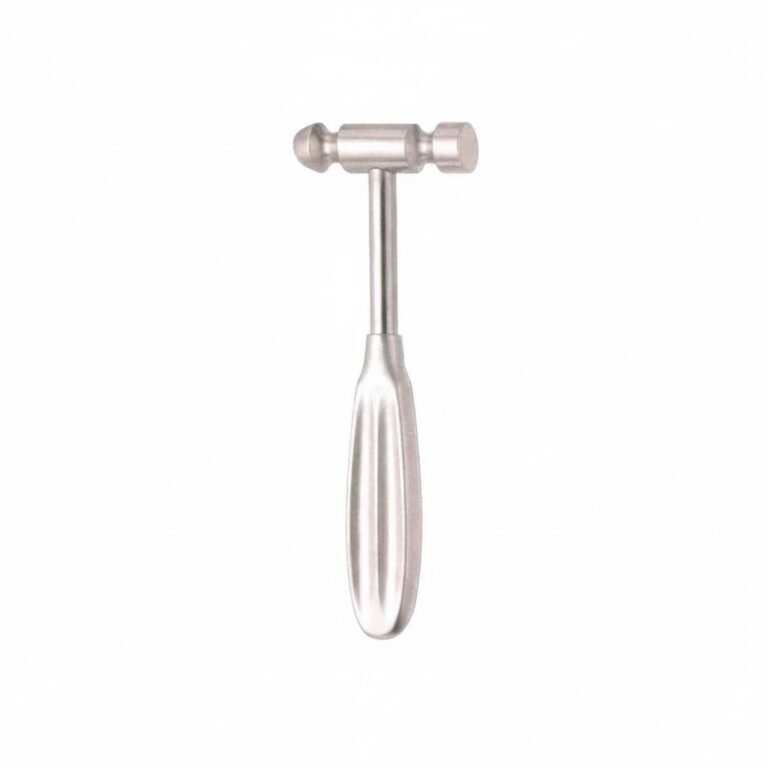
-19%
Cervical Mallet, 23 cm – Solid Head, 335 g
Plastic Surgery Instruments for Clinics, Hospitals, and Professional Buyers Mallets and Cartilage Instruments for Clinics, Hospitals, and Professional Buyers
In stock
Original price was: $ 27.$ 22Current price is: $ 22.
SKU:
NJM-14958
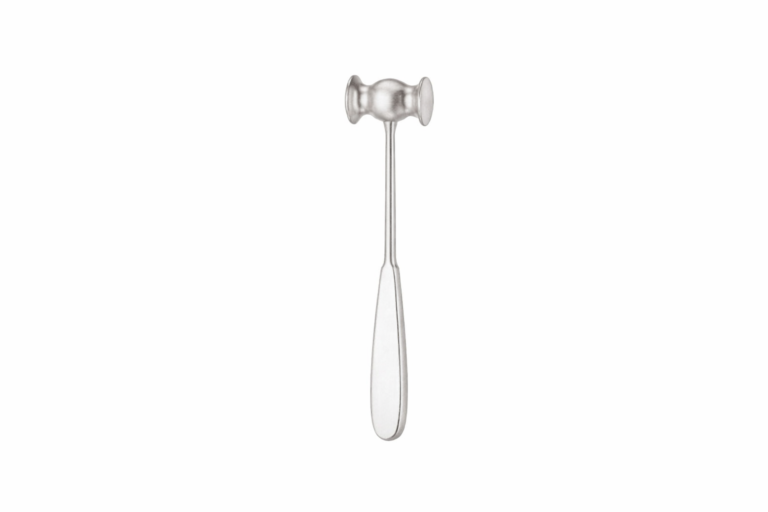
-33%
Collin-Lucae Mallet, 21 cm – Solid Metal Head
Plastic Surgery Instruments for Clinics, Hospitals, and Professional Buyers Mallets and Cartilage Instruments for Clinics, Hospitals, and Professional Buyers
In stock
Original price was: $ 30.$ 20Current price is: $ 20.
SKU:
NJM-14959
-13%
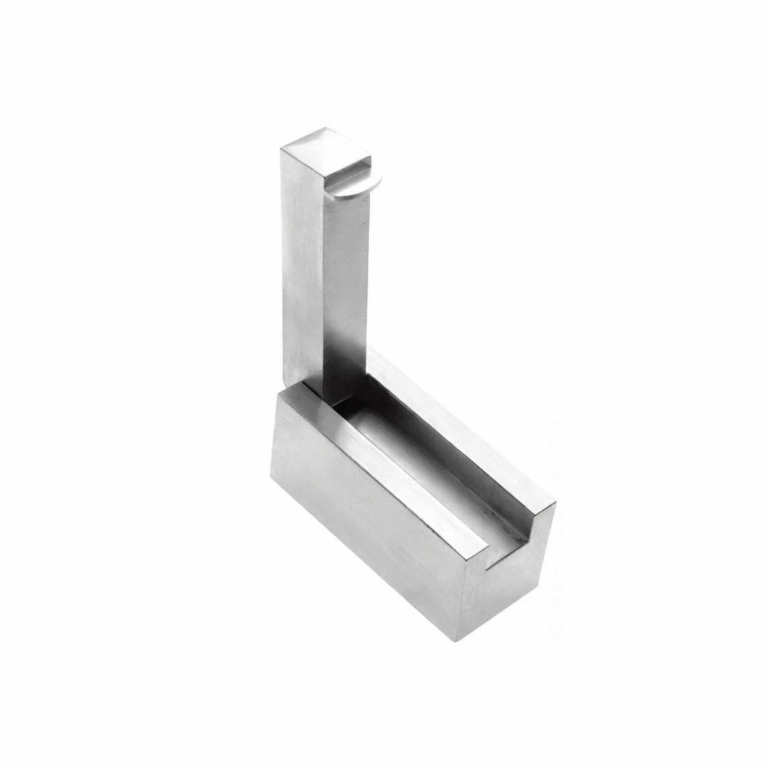
Cottle Cartilage Crusher, 15 × 60 mm – Bone Morselizer
Plastic Surgery Instruments for Clinics, Hospitals, and Professional Buyers Mallets and Cartilage Instruments for Clinics, Hospitals, and Professional Buyers
In stock
Original price was: $ 56.$ 49Current price is: $ 49.
SKU:
NJM-14960
-33%
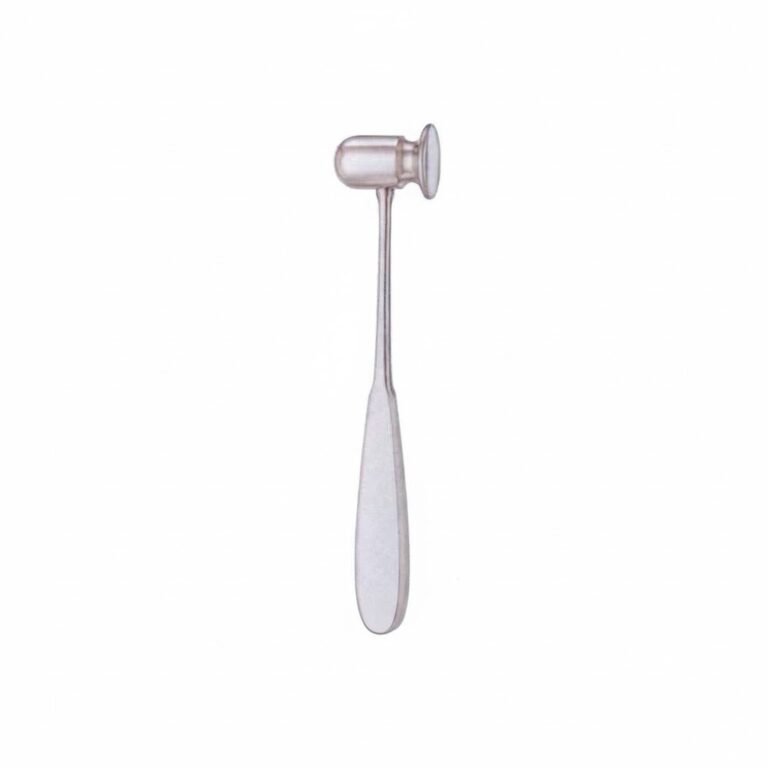
Doyen Bone Mallet, 20 cm – Solid Head, 200 g
Plastic Surgery Instruments for Clinics, Hospitals, and Professional Buyers Mallets and Cartilage Instruments for Clinics, Hospitals, and Professional Buyers
In stock
Original price was: $ 30.$ 20Current price is: $ 20.
SKU:
NJM-14962
-33%
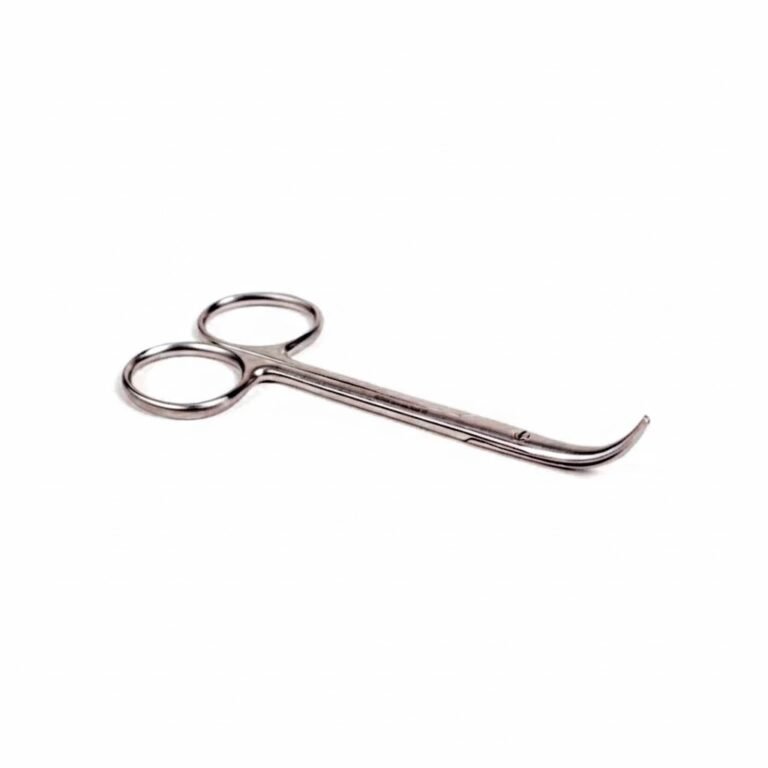
Fomon Lower Lateral Cartilage Scissors, 14 cm – Strongly Curved
Plastic Surgery Instruments for Clinics, Hospitals, and Professional Buyers Mallets and Cartilage Instruments for Clinics, Hospitals, and Professional Buyers
In stock
Original price was: $ 30.$ 20Current price is: $ 20.
SKU:
NJM-14963
-16%
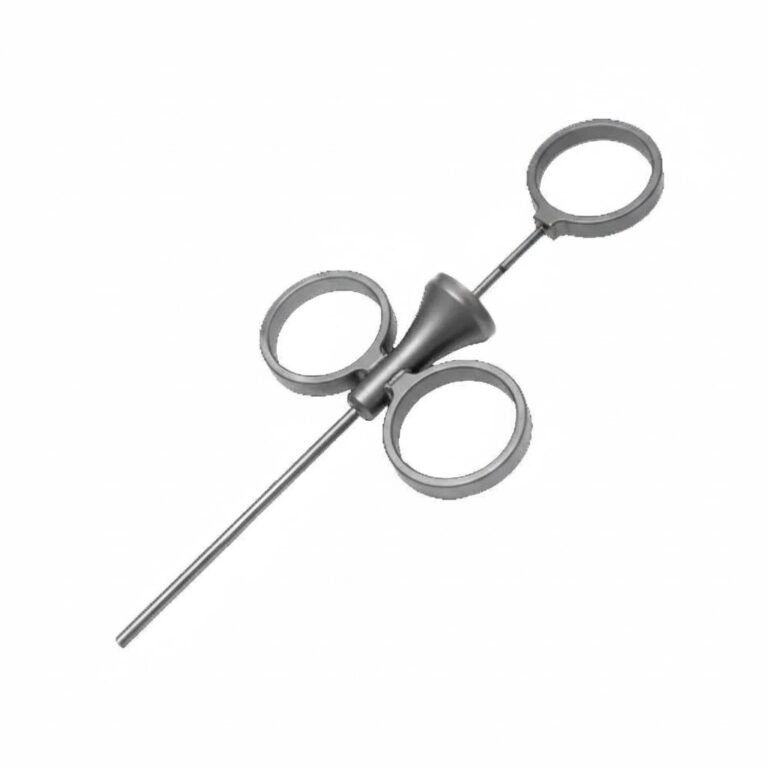
Free Diced Cartilage Trocar – Dorsal Augmentation
Plastic Surgery Instruments for Clinics, Hospitals, and Professional Buyers Mallets and Cartilage Instruments for Clinics, Hospitals, and Professional Buyers
In stock
Original price was: $ 103.$ 87Current price is: $ 87.
SKU:
NJM-14964
Mallets & Cartilage Instruments: Controlled Force & Graft Preparation
A surgical mallet delivers the controlled force that drives an osteotome or chisel through bone, while cartilage instruments prepare and shape the grafts used to rebuild contour. The two belong together on the same tray because rhinoplasty and reconstructive work alternate constantly between cutting bone and shaping cartilage. What separates a surgical mallet from an ordinary hammer is predictability: the head weight and material are chosen so each blow transmits a known, repeatable amount of energy, because in bone surgery an unpredictable strike is what causes an unintended fracture line. NJ Medical Instruments manufactures the full range in surgical-grade stainless steel, supplied worldwide direct from the factory for individual purchase and for bulk, wholesale, and OEM/private-label supply.Mallet head weight and material
Lighter mallets suit fine nasal osteotomies, where the surgeon wants many small taps and maximum control over how far the osteotome travels. Heavier mallets are used in maxillofacial and orthopaedic work where denser bone needs more energy per blow. Some mallets use nylon or composite faces, which soften the strike and reduce the metallic ring and rebound compared with an all-steel head — a real advantage when working close to the patient's ear on a nasal osteotomy.Cartilage instruments
Cartilage grafts — septal, conchal, or costal — have to be harvested, then crushed, morselised, or precisely trimmed to fit the recipient site. Cartilage crushers and morselisers soften and flatten a graft so it sits smoothly under thin skin without a visible edge; the degree of crushing is a judgement call, since over-crushing weakens the graft's structural support. Cartilage holders and cutting blocks stabilise the graft while it is carved to shape.Which instrument do you need?
| Instrument | Character | Best for |
|---|---|---|
| Light mallet | Low head weight | Fine nasal osteotomies |
| Heavy mallet | Higher head weight | Maxillofacial & dense bone |
| Nylon-faced mallet | Softer strike face | Less ring & rebound |
| Cartilage crusher | Flattening plates | Softening grafts for smooth contour |
| Cartilage holder | Stabilising jaws | Carving grafts to shape |
Explore related plastic surgery instruments
- Osteotomes & Chisels — used with every mallet
- Rasps for refining bone after cutting
- Nasal Forceps & Dissectors & Elevators
- All Plastic Surgery Instruments