


Adjustable Shoulder Support Brace
In stock
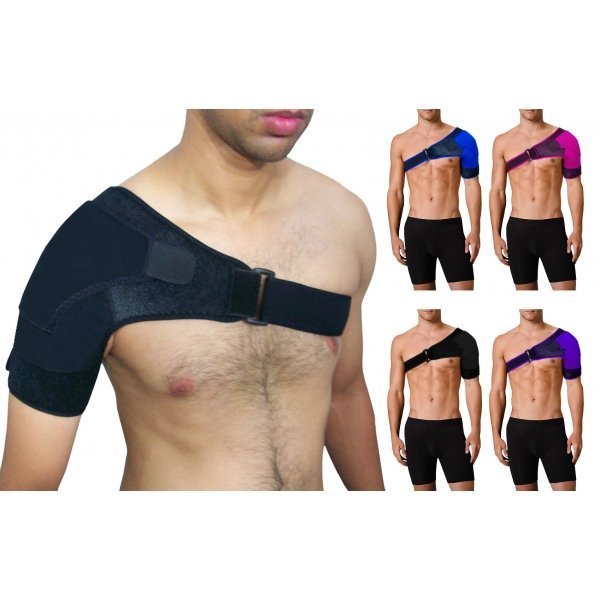
Quality Shoulder Support Strap Neoprene Pain Injury Arthritis Gym Sport
In stock
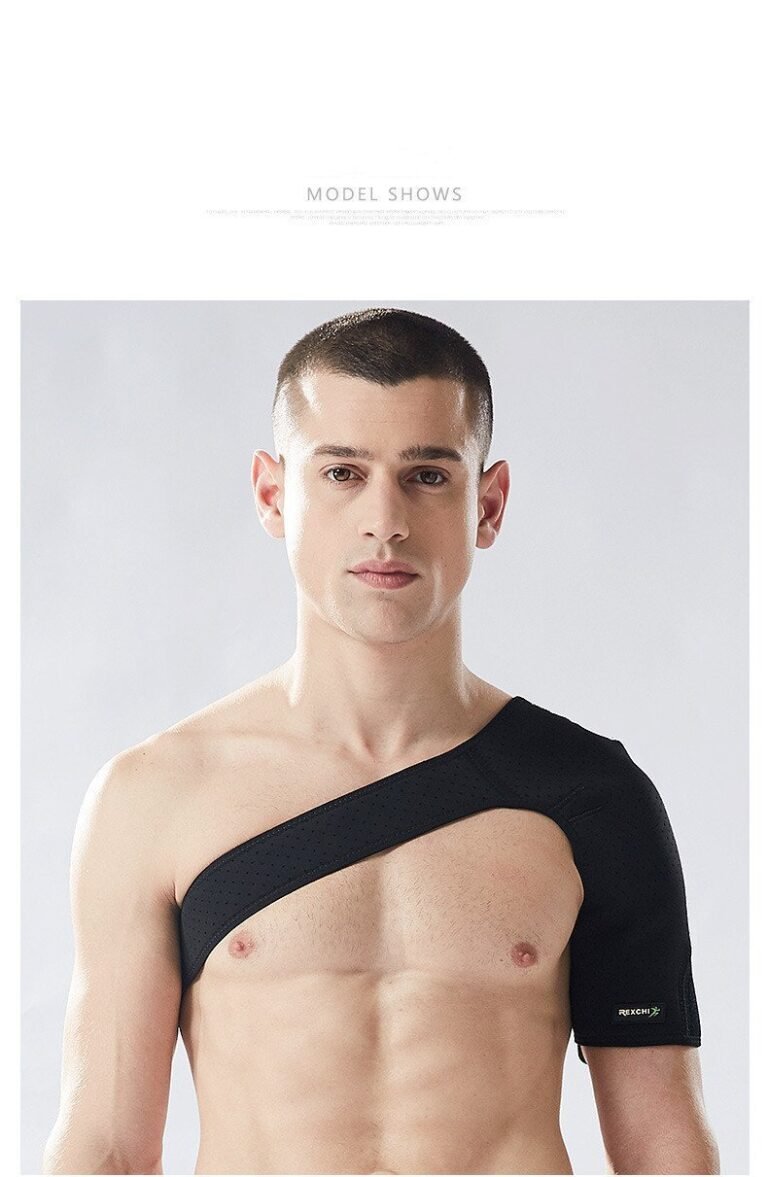
Sports Harness, Shoulder Pads, Compression Protection Type, Adjustable Shoulder Pads
In stock
Shoulder Supports and Braces: Bracing the Body's Least Constrained Joint
The shoulder gives up stability to buy range of movement, and that trade is what makes it the hardest joint to brace. There is no deep socket doing the work — the joint depends on surrounding soft tissue to stay in place, and it moves in more directions than any other joint in the body. A brace therefore cannot simply block one axis the way an ankle or knee brace does. It has to anchor somewhere other than the joint itself, which is why almost every design in this category wraps around the torso.
Why the chest strap is not optional
There is nothing above the shoulder to brace against. Any support that restricts shoulder movement has to take its purchase from the trunk, which is why these products run a strap around the chest or across the opposite side of the body. That anchoring band is doing most of the work, and it is also the part most often left too loose — a shoulder brace with a slack body strap slides on the arm and controls nothing.
Supporting the joint versus limiting a movement
Two different products live in this category. Compression sleeves and wraps apply pressure around the shoulder and upper arm, giving warmth and a stronger sense of where the limb is, without much restriction. Immobilising and position-limiting designs deliberately prevent certain movements — commonly holding the arm across the body or restricting how far it can be raised or rotated outward. The first is a garment worn during activity; the second changes what the wearer is able to do, and should be selected on professional advice rather than by preference.
Left, right and universal fitting
The shoulder is the category where handedness matters most. Straps cross the body diagonally, so a brace built for the left shoulder does not simply reverse onto the right. Many designs are supplied as universal and are reconfigured by rerouting the straps; others are handed and must be ordered for the correct side. Checking this before ordering avoids the most common return in this part of the range.
Bulk, clothing and consistent wear
Shoulder braces sit under or over clothing across the widest part of the torso, and a bulky one is difficult to dress around. Neoprene gives firm compression and warmth but is thick and warm to wear all day; lighter breathable knits are thinner and more tolerable for long periods but give less. As with every support, the model that is actually worn through the day is worth more than a firmer one that is taken off by mid-morning.
Which shoulder support do you need?
| Priority | Type | Restriction level | Notes |
|---|---|---|---|
| Compression and warmth | Neoprene wrap with chest strap | Low | Firm feel; warm to wear for long periods |
| All-day wear | Breathable knit sleeve | Low | Thinner and cooler, less firm |
| Limiting outward rotation or lift | Position-limiting brace | Medium to high | Changes what the wearer can do — take professional advice |
| Holding the arm across the body | Immobiliser with body strap | High | Sizing and side must both be correct |
| Either shoulder | Universal, reroutable straps | Varies | Check handedness before ordering |
Related supports in this range
- Orthopedic Supports & Braces — the full range this category sits within
- Elbow Supports — upper-limb bracing
- Lumbar & Back Supports — trunk and lower-back bracing
- Thumb Supports — small-joint bracing
- Knee Supports — hinged and sleeve knee bracing
Wholesale, OEM and private-label supply
NJ Medical Instruments supplies shoulder supports and braces to individual customers through this shop and in bulk to clinics, pharmacies, sports facilities and distributors. As a manufacturer we produce to specification — material and thickness, strap routing and handedness, closure type, level of restriction, size range, colourways, labelling and private-label packaging. For volume pricing, size-range planning or an OEM quotation, email info@njmedicalinstruments.com or message +92-333-8733922.
Frequently asked questions
Why does a shoulder brace need a chest strap?
Because there is nothing above the shoulder to brace against. Any restriction of shoulder movement has to take its purchase from the trunk, so the body strap is doing most of the work. If it is left slack, the brace slides on the arm and controls very little.
Are shoulder braces left- and right-specific?
Often, yes — the straps cross the body diagonally, so a left-shoulder design does not simply reverse onto the right. Some models are universal and are adapted by rerouting the straps. Confirm which you are ordering, as getting this wrong is the most common reason for a return in this category.
What is the difference between a compression wrap and an immobiliser?
A compression wrap applies pressure and improves awareness of limb position while leaving movement largely free. An immobiliser or position-limiting brace deliberately prevents certain movements, commonly holding the arm across the body or restricting outward rotation. The second changes what the wearer can do and should be chosen on professional advice.
Neoprene or breathable knit?
Neoprene gives firmer compression and retains warmth, but it is thick and can be uncomfortable across a full day. Breathable knits are thinner and cooler with less compression. The right answer is usually whichever will actually stay on for the intended wearing time.
How do I choose a size?
Shoulder sizing usually depends on chest circumference, sometimes combined with an upper-arm measurement. Measure directly rather than using clothing size, and use the chart for the specific model — these vary considerably between designs.
Can I order these in bulk or with our own branding?
Yes. We supply retail quantities through this shop and bulk orders direct from the factory, including full size ranges and both handed and universal configurations. Custom materials, strap routing, restriction levels, sizing, colourways and private-label packaging are available. Send your specification and quantities for a quotation.
Product information only. For advice on whether a brace is appropriate for your situation, and on fitting and wear, consult a qualified healthcare professional.