


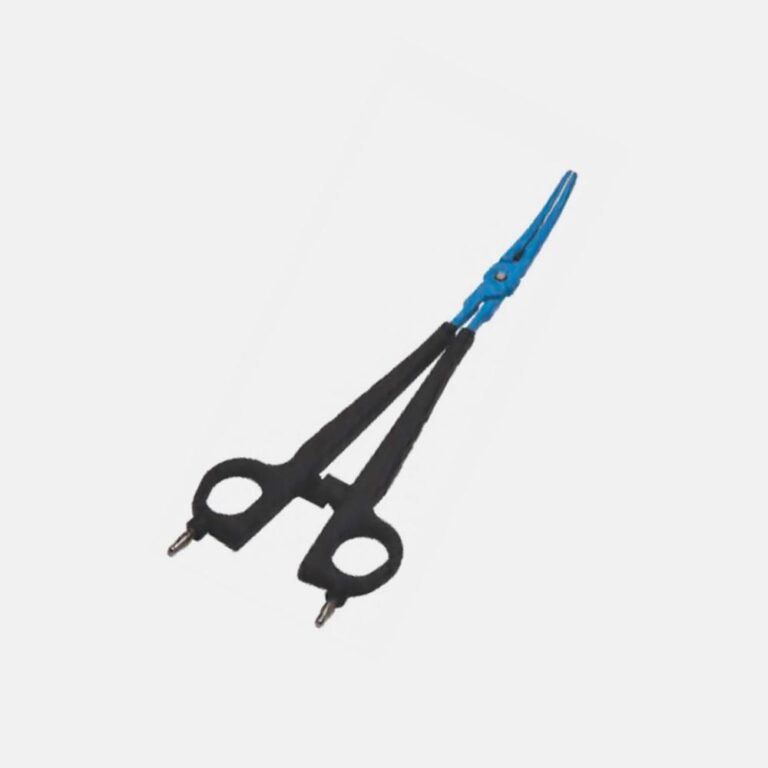
Artery Forceps (Bi-Clamp) | NJ Medical Instruments
In stock
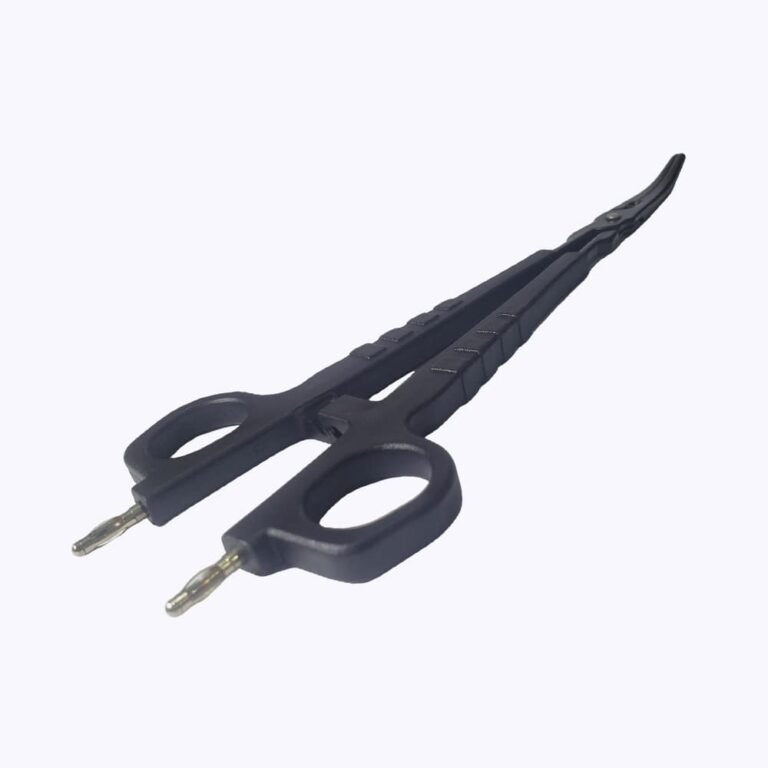
Artery Forceps (Non-Stick) | NJ Medical Instruments
In stock
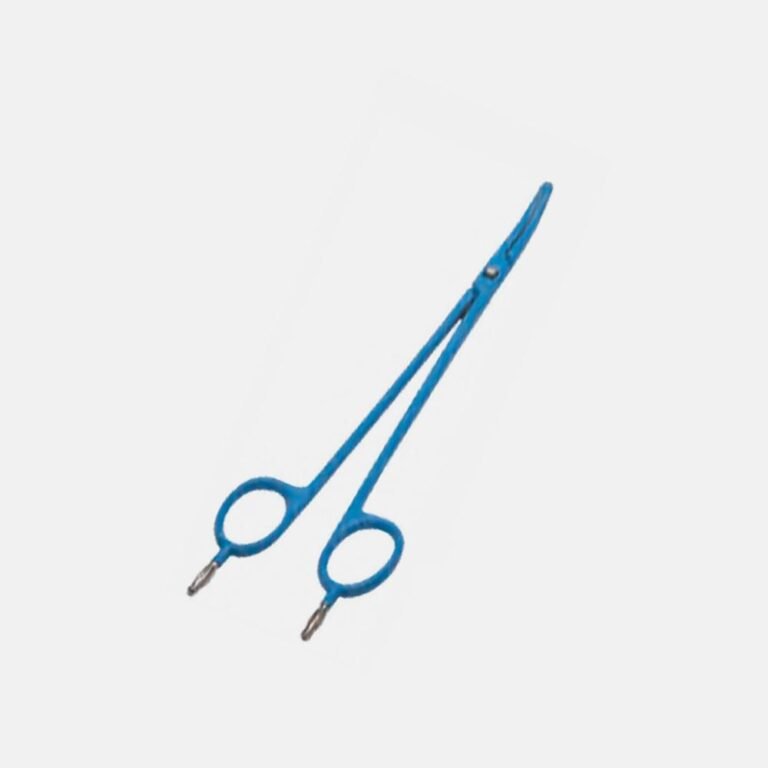
Artery Forceps | NJ Medical Instruments
In stock
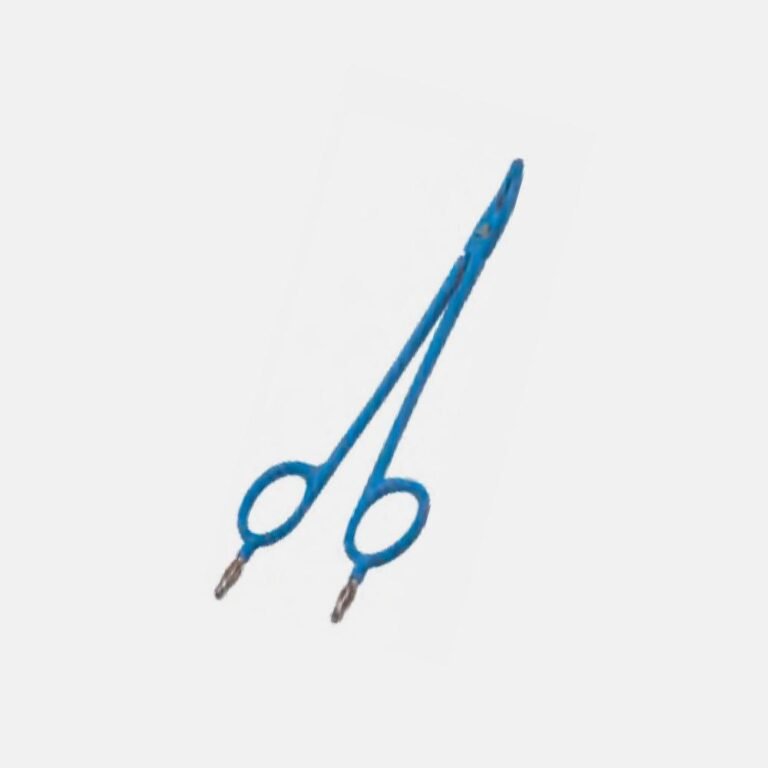
Artery Forceps | NJ Medical Instruments
In stock
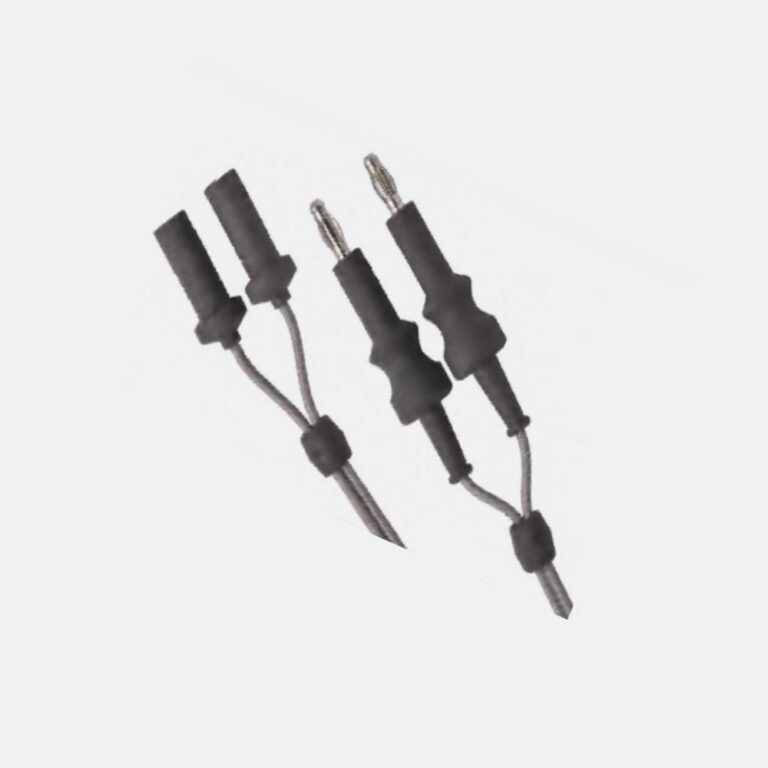
Silicone Bi-Clamp Connecting Cord | NJ Medical Instruments
In stock
Bipolar Artery Sealers: Sealing Vessels Without a Ligature
A bipolar artery sealer permanently fuses a blood vessel closed, so it can be divided without a clip or a tie. This is not the same as ordinary bipolar coagulation, which denatures the surface and forms a clot. A sealer applies controlled pressure through the jaws while delivering energy, and the combination denatures collagen and elastin in the vessel wall and reforms them into a solid seal — the two walls become one structure rather than two surfaces stuck together. That is why a properly formed seal can withstand arterial pressure, and why sealers are used on vessels that would otherwise require ligation. NJ Medical Instruments manufactures the range in surgical-grade stainless steel, supplied worldwide direct from the factory for individual purchase and for bulk, wholesale, and OEM/private-label supply.
Why pressure matters as much as energy
The seal depends on both. Energy alone coagulates; pressure holds the vessel walls in apposition while the collagen reforms across the gap. If the jaws do not close evenly, or tissue is bunched between them, the walls are not in contact at every point and the seal forms incompletely — which is the mechanism behind most seal failures. Grasping only the vessel, without surrounding fat or extra tissue in the jaws, is what makes a reliable seal.
Vessel size and its limit
Sealers are rated for vessels up to a stated diameter, commonly in the region of 7 mm depending on the system. That rating is a genuine boundary rather than a guideline: above it, the vessel wall is too thick for the energy and pressure to fuse reliably through its full thickness, and a seal that looks complete may fail under pressure. Larger vessels still require ligation or clips.
Time and thermal spread
Seal formation takes a few seconds, and the cycle should be allowed to complete — releasing early leaves a partially formed seal. Against that, holding energy longer than needed spreads heat laterally into adjacent tissue, which matters when working near bowel, ureter, or nerve. Most systems signal cycle completion for exactly this reason, so the operator neither cuts short nor overruns.
What the seal replaces
| Method | Mechanism | Consideration |
|---|---|---|
| Bipolar artery sealer | Pressure plus energy fuses the wall | Rated to a stated vessel diameter |
| Ordinary bipolar coagulation | Surface denaturation and clot | Not equivalent to a fused seal |
| Suture ligature | Mechanical constriction | Leaves foreign material in situ |
| Metal clip | Mechanical compression | Can dislodge; imaging artefact |
| Sealer with integrated cutter | Seals then divides in one action | Fewer instrument exchanges |
| Laparoscopic sealer | Long insulated shaft | Inspect insulation along full length |
Explore related electrosurgical instruments
- European Bipolar Forceps and USA 2 Pin Bipolar Forceps
- Bipolar Cables and Bipolar Electrodes
- Laparoscopic Electrodes
- All Electrosurgical Instruments
All manufactured in surgical-grade stainless steel to international standards, with worldwide shipping.
Bulk, wholesale & OEM supply
As a direct manufacturer, NJ Medical Instruments supplies bipolar artery sealers in bulk and wholesale quantities to hospitals, surgical centres, and distributors, and produces OEM / private-label instruments to custom specifications and laser marking. Contact us by email at info@njmedicalinstruments.com or by WhatsApp for volume pricing — no minimum-order barriers, no middlemen.
Frequently asked questions
What is a bipolar artery sealer?
It is an instrument that permanently fuses a blood vessel closed using controlled jaw pressure combined with bipolar energy, so the vessel can be divided without a clip or ligature.
How is vessel sealing different from bipolar coagulation?
Coagulation denatures the surface and forms a clot. Sealing uses pressure to hold the vessel walls in apposition while energy reforms the collagen and elastin, so the two walls fuse into a single structure that withstands arterial pressure.
What size vessel can be sealed?
Systems are rated to a stated diameter, commonly around 7 mm. That rating is a real limit — above it the wall is too thick to fuse reliably through its full thickness, and larger vessels still require ligation or clips.
Why do seals sometimes fail?
Usually because the vessel walls were not in full apposition. Uneven jaw closure, or surrounding fat and extra tissue caught in the jaws, prevents contact at every point and the seal forms incompletely.
How long should the seal cycle be held?
Until the cycle completes. Releasing early leaves a partially formed seal, while holding energy beyond completion spreads heat laterally into adjacent tissue. Most systems signal completion for this reason.
Do you supply bipolar artery sealers in bulk or for OEM / private label?
Yes. As a direct manufacturer we supply bipolar artery sealers in bulk and wholesale quantities and offer OEM / private-label production to custom specifications. Contact us by email or WhatsApp for volume pricing.