


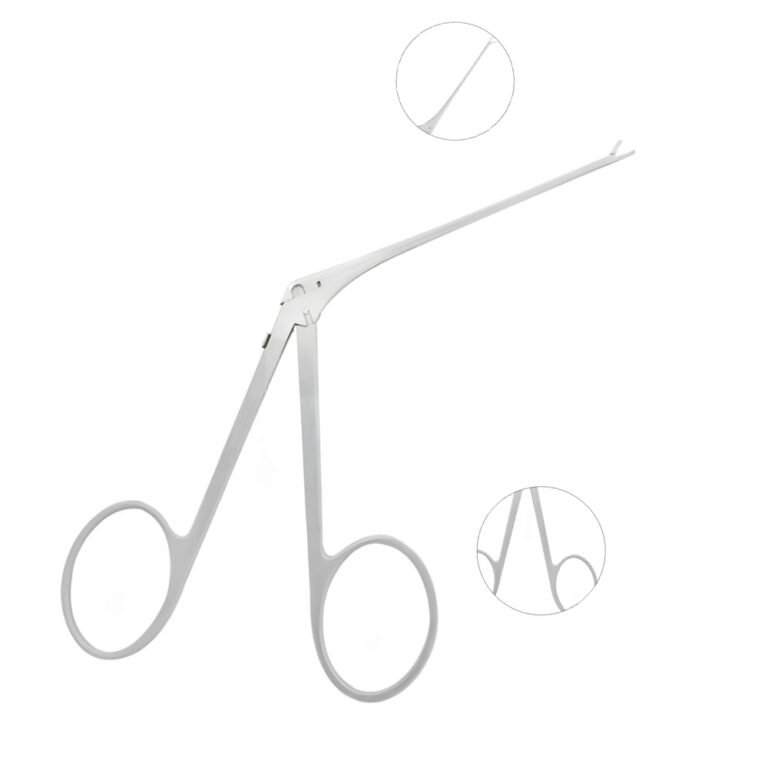
Bellucci Ear Scissor 8 cm Long | NJ Medical Instruments
In stock
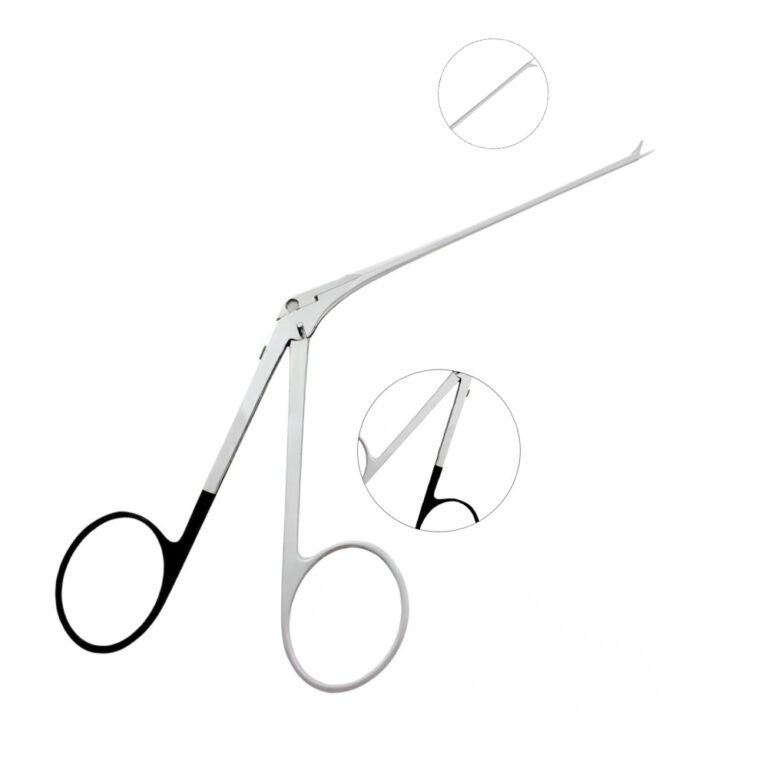
Bellucci Ear Scissors Straight 8 cm Long | NJ Medical Instruments
In stock
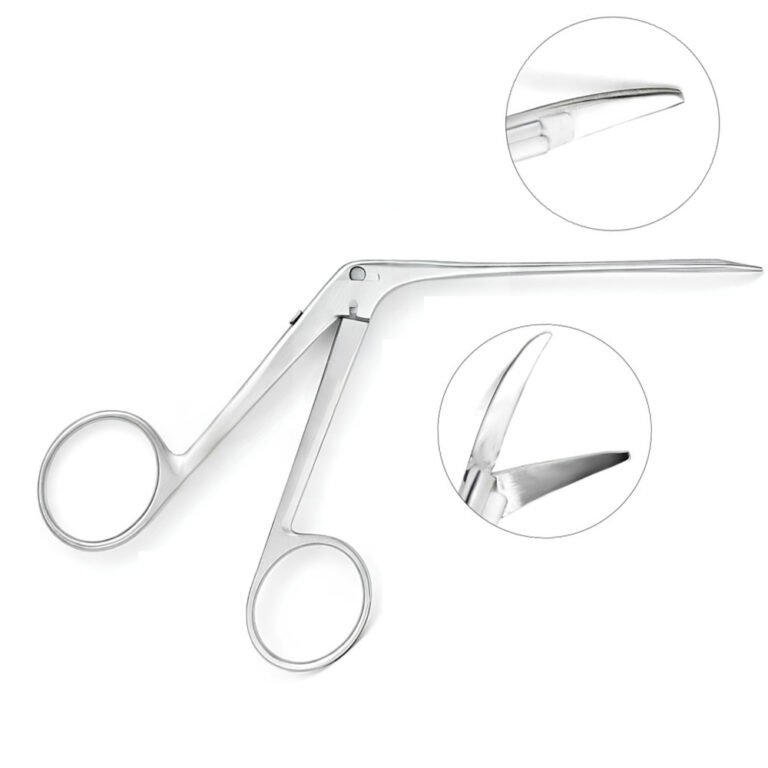
Bellucci Scissors | NJ Medical Instruments
In stock
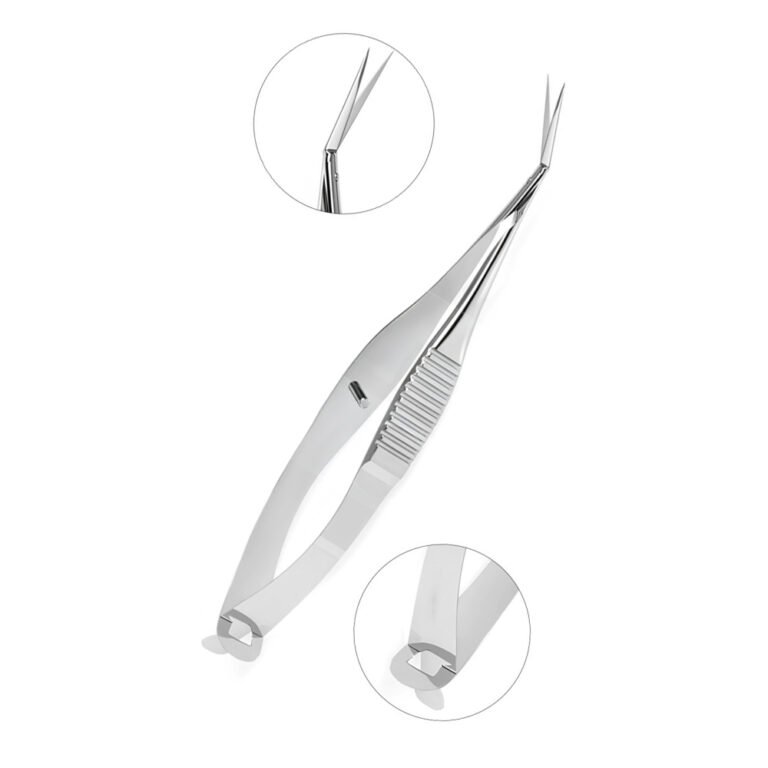
Capsulotomy Scissors – Extremely Delicate, Curved, 8 cm Long | NJ Medical Instruments
In stock
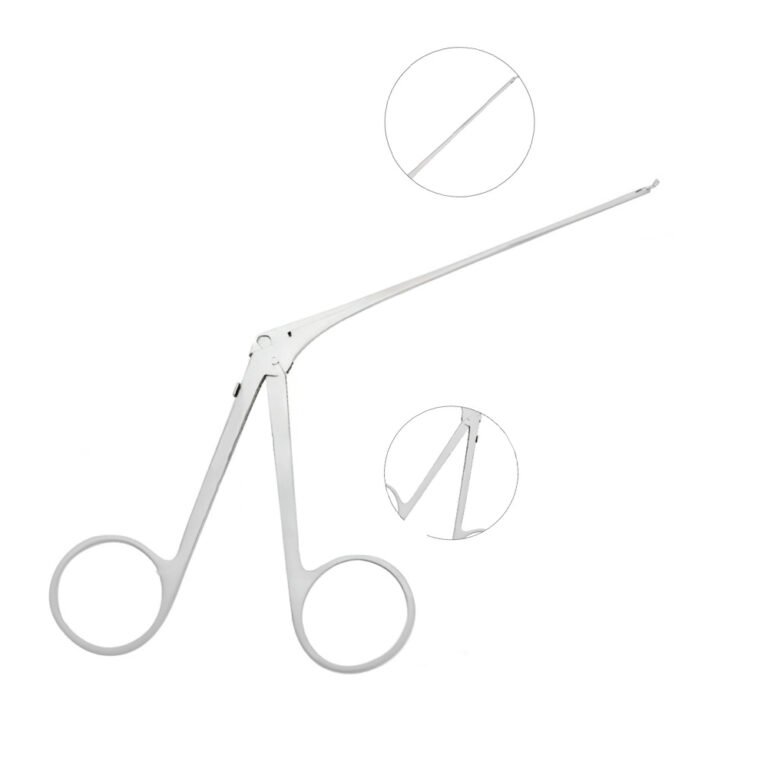
Fisch Crurotomy Scissors, 8 cm
In stock
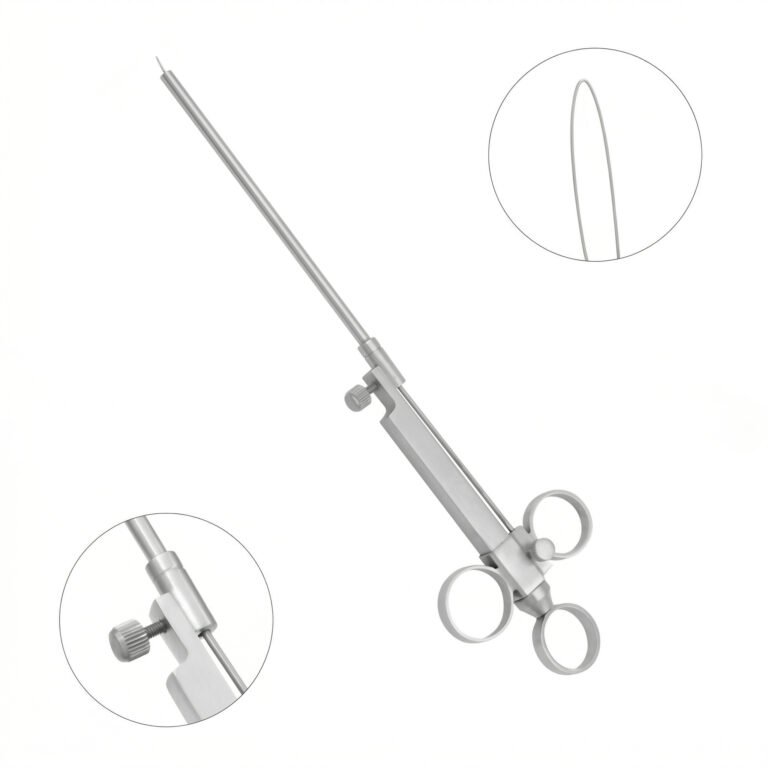
Krause Nasal Polyp Snare Sharp 25 cm Long | NJ Medical Instruments
In stock
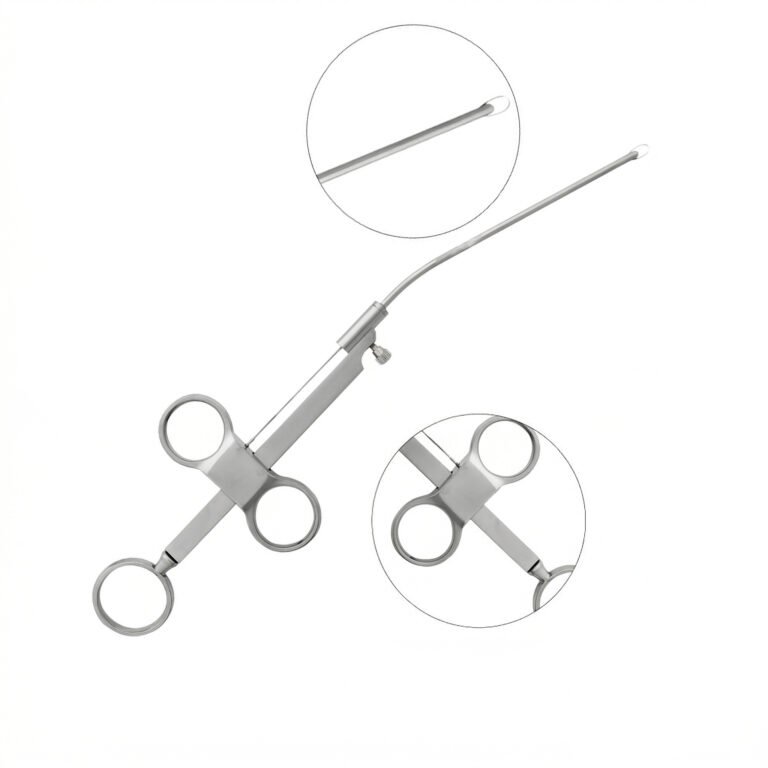
Krause Voss–Nasal Polyp Snare Blunt 25 cm Long | NJ Medical Instruments
In stock
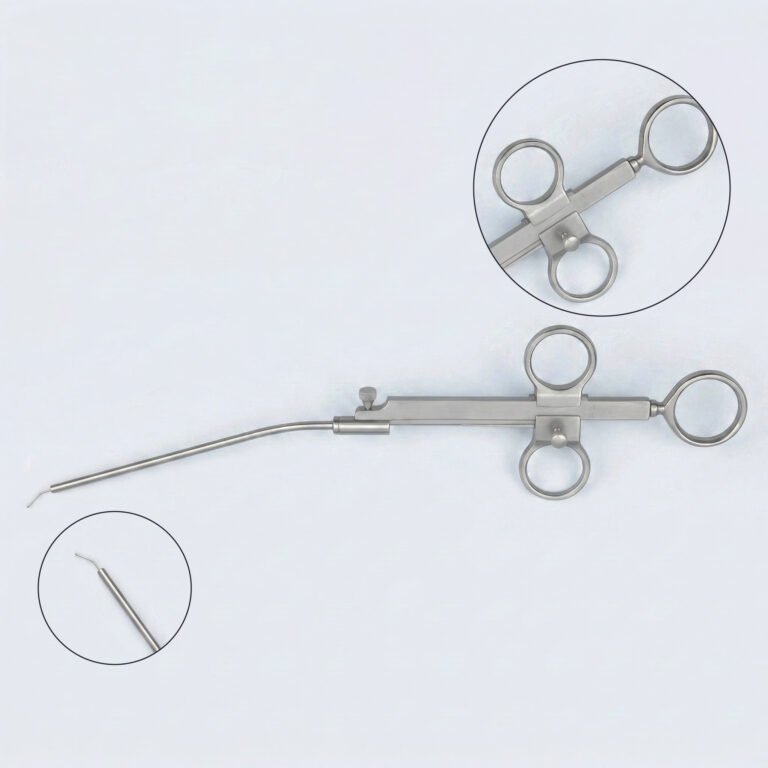
Krause-Voss Polypus Snare, 18.5cm – 7 1/4 inches | NJ Medical Instruments
In stock
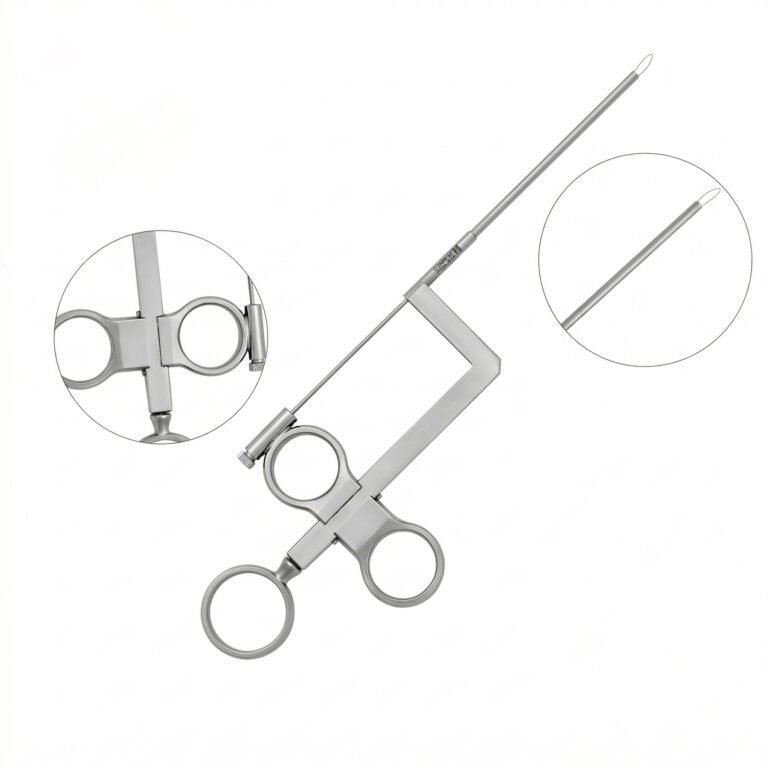
Lange Nasal Polyp Snare Bayonet Sharp 25 cm Long | NJ Medical Instruments
In stock
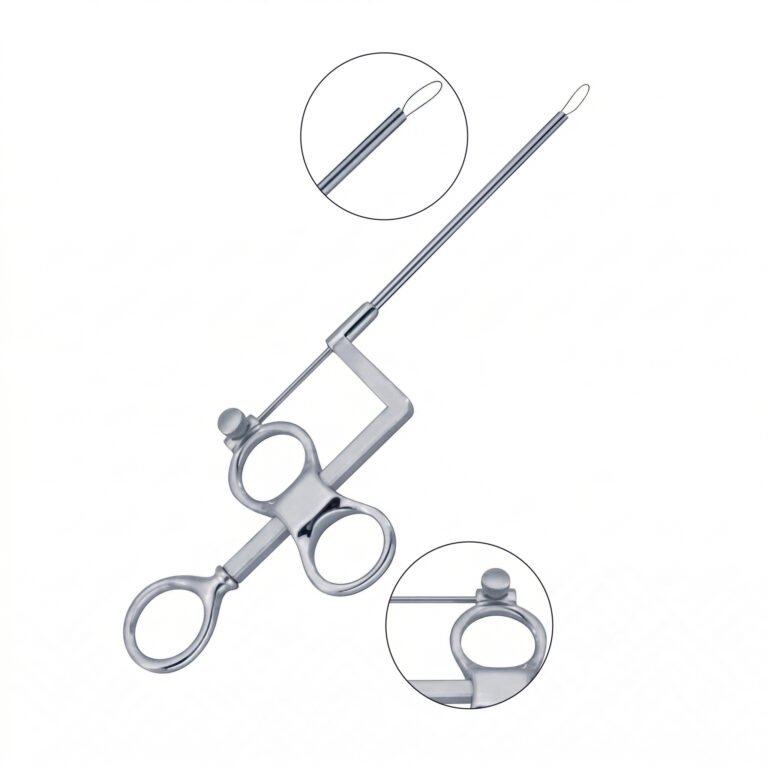
Lange-Wilde Polypus Snare, 16 cm (6 ¼”) | NJ Medical Instruments
In stock
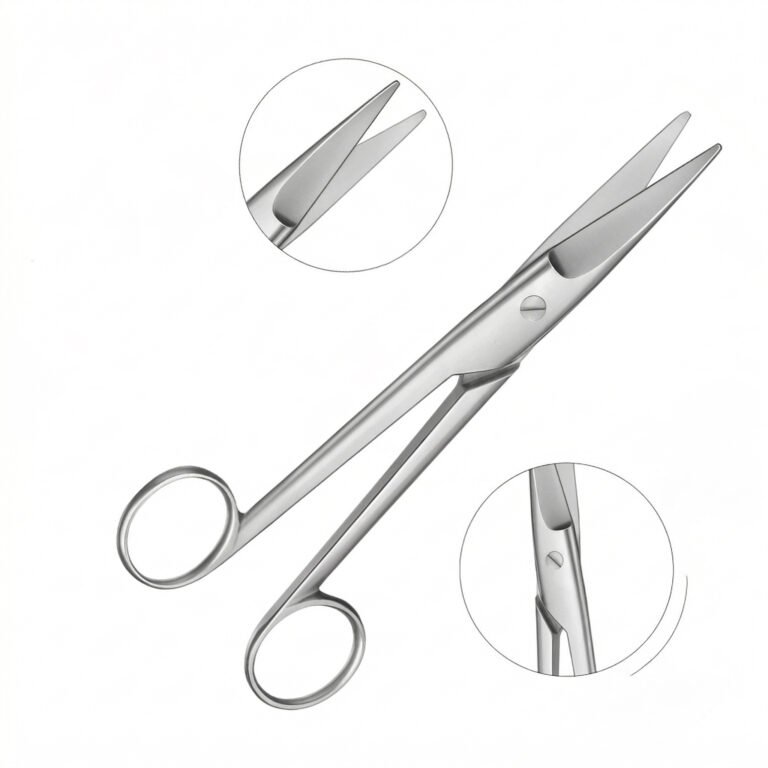
Mayo Noble Dissecting Scissors | NJ Medical Instruments
In stock
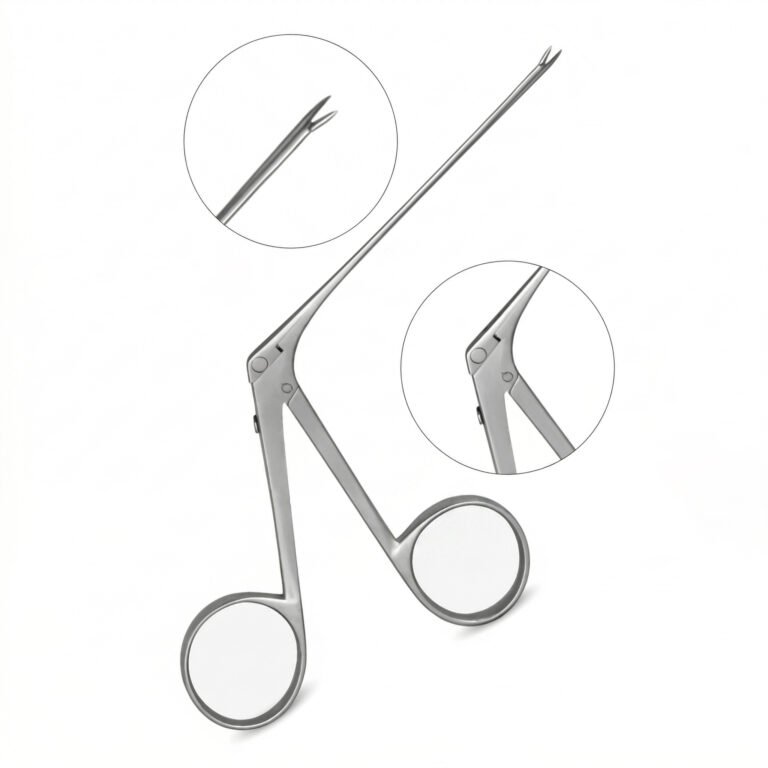
Micro Crocodile Scissors | NJ Medical Instruments
In stock
Ear Scissors & Ear Snares: Cutting and Removing Tissue in the Ear Canal
Ear scissors and ear snares are the two instruments used to divide and remove tissue inside the ear canal, and they work on completely different principles. Ear scissors cut — fine, short-bladed, often angled or bayonet-shaped so the shaft does not block the surgeon's view down a canal only a few millimetres wide. Ear snares do not cut in the conventional sense: a thin wire loop is passed over a polyp, positioned at its base, and tightened, so the growth is severed at the stalk and withdrawn intact. That distinction matters clinically, because a snare removes a pedunculated polyp with far less bleeding than cutting across its body would cause. NJ Medical Instruments manufactures the full range in surgical-grade stainless steel, supplied worldwide direct from the factory for individual purchase and for bulk, wholesale, and OEM/private-label supply.
Ear scissors
Ear and aural scissors are built around the constraint of the canal. The blades are short and fine, the shanks long enough to reach the tympanic membrane, and the working end is frequently angled up, down, or sideways so the tips can be seen and positioned under otoscopic or microscopic view. Bayonet patterns step the shaft laterally for the same reason. They are used to divide adhesions and bands, trim graft material to size during tympanoplasty, and cut fine tissue where a larger instrument could not be introduced.
Ear snares
A snare consists of a tube or shaft carrying a loop of fine wire, with a mechanism at the handle that draws the loop back into the tube. The loop is advanced over the lesion, seated at its base, and then retracted, the tightening wire cutting through the stalk. Because the wire crushes as it severs, the vessels in the stalk are compressed at the same moment, which is why snare removal of a polyp typically bleeds less than sharp excision. Wire is supplied separately and replaced after use, as a stretched or kinked loop will not close cleanly.
Which instrument for which task?
| Instrument | Action | Best for |
|---|---|---|
| Straight ear scissors | Fine short blades | Direct cutting at the canal opening |
| Angled ear scissors | Up- or down-angled tips | Keeping the tips in view at depth |
| Bayonet ear scissors | Stepped shaft | Hand clear of the sightline |
| Ear snare | Tightening wire loop | Pedunculated polyps, less bleeding |
| Snare wire (replacement) | Fine gauge wire | Renewed after each use |
Explore related ENT instruments
- Ear Forceps — crocodile and micro alligator patterns
- Ear Instruments
- Otoscopes for examination before and after
- All ENT Diagnostic Instruments and ENT Complete Sets
All manufactured in surgical-grade stainless steel to international standards, reusable and autoclavable, with worldwide shipping.
Bulk, wholesale & OEM supply
As a direct manufacturer, NJ Medical Instruments supplies ear scissors, snares, and replacement snare wire in bulk and wholesale quantities to hospitals, ENT clinics, and distributors, and produces OEM / private-label instruments to custom specifications and laser marking. Contact us by email at info@njmedicalinstruments.com or by WhatsApp for volume pricing — no minimum-order barriers, no middlemen.
Frequently asked questions
What are ear scissors used for?
Ear scissors are fine, short-bladed scissors used inside the ear canal to divide adhesions and bands, trim graft material during tympanoplasty, and cut fine tissue in a space too narrow for standard surgical scissors.
What is an ear snare used for?
An ear snare removes polyps and pedunculated lesions from the ear canal. A wire loop is passed over the growth, seated at its base, and tightened so the lesion is severed at the stalk and withdrawn intact.
Why use a snare instead of scissors for a polyp?
The snare wire crushes as it severs, compressing the vessels in the stalk at the same moment it divides them. Removal by snare therefore usually bleeds less than cutting across the body of the polyp with scissors.
Why are ear scissors angled or bayonet shaped?
The ear canal is only a few millimetres wide and the working point sits at its far end. Angling the tips or stepping the shaft keeps the instrument body and the surgeon's hand out of the line of sight, so the tips stay visible under otoscopic or microscopic view.
Is the snare wire replaceable?
Yes. Snare wire is supplied separately and renewed after use. A stretched or kinked loop will not close cleanly, so the wire is treated as a consumable rather than part of the reusable instrument.
Do you supply ear scissors and snares in bulk or for OEM / private label?
Yes. As a direct manufacturer we supply ear scissors, snares, and snare wire in bulk and wholesale quantities and offer OEM / private-label production to custom specifications. Contact us by email or WhatsApp for volume pricing.