


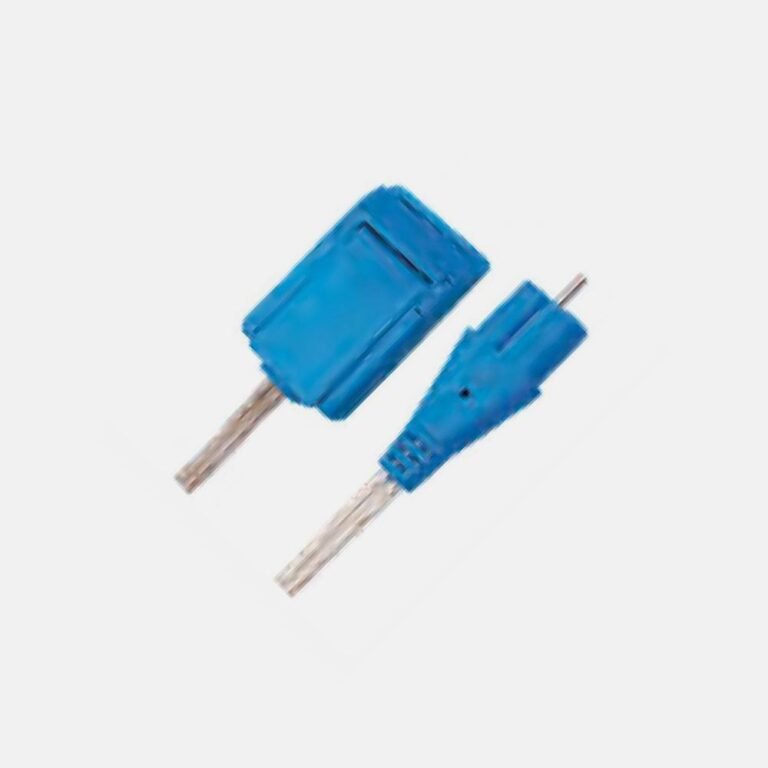
Patient Return Cable | NJ Medical Instruments
In stock
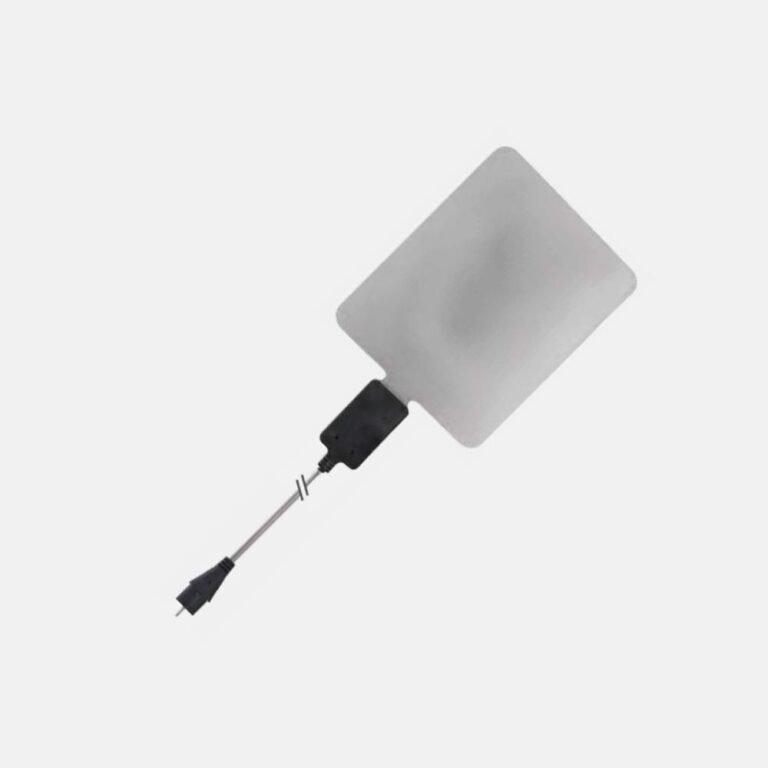
Patient Return Plate Reusable | NJ Medical Instruments
In stock
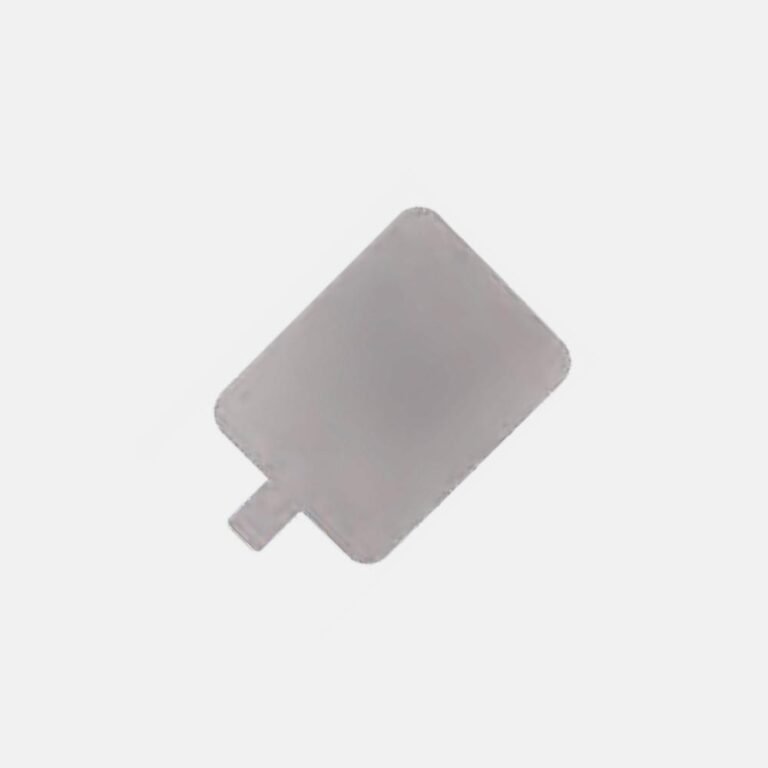
S.S Patient Return Plate | NJ Medical Instruments
In stock
Patient Return Plates: The Safety Component of Every Monopolar Circuit
In monopolar electrosurgery the current has to leave the patient somewhere, and the return plate is what decides whether that exit is safe. Current enters through the small tip of the electrode, where high current density produces the cutting or coagulating effect, then travels through the body and out via the plate. The plate works precisely because it is large — the same current spread over a wide contact area produces low current density and no thermal effect at all. Reduce that contact area, by poor adhesion or partial lift-off, and current density at the remaining contact rises. That is the mechanism behind return-site burns, and it is why plate application is a safety step rather than a formality. NJ Medical Instruments supplies patient return plates worldwide direct from the factory for individual purchase and for bulk, wholesale, and OEM/private-label supply.
Where and how to apply
The plate goes on clean, dry skin over a well-vascularised muscle mass — thigh, buttock, or upper arm — as close to the operative site as practical, so current takes a short route. Areas to avoid are bony prominences, scar tissue, and any site with implanted metal, since none of these conduct evenly. Hair should be clipped rather than shaved, because razor abrasions increase resistance at the very interface where even contact matters.
Full-surface adhesion is the requirement. A plate that is half-applied, wrinkled, or lifting at an edge concentrates the current into the remaining contact area. The plate should also be checked after the patient is repositioned, since draping and moving are common causes of partial lift.
Split plates and contact quality monitoring
A split return plate is divided into two conductive halves. The generator continuously measures impedance between them, and if adhesion degrades on either side the impedance changes and the unit alarms or stops firing. This is contact quality monitoring, and it is the reason split plates are preferred in most modern practice — they detect the problem before it becomes a burn, rather than relying on the plate being correctly applied and staying that way.
Single-use versus reusable
Most return plates in current use are single-use adhesive, supplied sterile or clean and discarded after one patient. Reusable metal plates require a conductive gel and careful positioning to achieve even contact, and the burden of verifying that contact falls entirely on the operator. Where single-use plates are available, they remove that variable.
Which plate do you need?
| Type | Feature | Notes |
|---|---|---|
| Split adhesive plate | Two conductive halves | Enables contact quality monitoring |
| Solid adhesive plate | Single conductive area | No adhesion monitoring |
| Adult size | Standard surface area | General adult use |
| Paediatric size | Reduced surface area | Sized to smaller patients |
| Reusable metal plate | Requires conductive gel | Even contact must be verified manually |
| Cable connector | Generator specific | Return cable must match the unit |
Explore related electrosurgical instruments
- Monopolar Cables — active and return cables
- Diathermy Instruments and Electrodes (4.0 mm)
- Bipolar Forceps — no return plate required
- All Electrosurgical Instruments
All supplied to international standards, with worldwide shipping.
Bulk, wholesale & OEM supply
As a direct manufacturer and supplier, NJ Medical Instruments provides patient return plates in bulk and wholesale quantities to hospitals, surgical centres, and distributors, and produces OEM / private-label plates with custom sizing, packaging, and branding. Because single-use plates are consumables, they are commonly ordered on repeat schedules. Contact us by email at info@njmedicalinstruments.com or by WhatsApp for volume pricing — no minimum-order barriers, no middlemen.
Frequently asked questions
What does a patient return plate do?
It provides the exit path for monopolar current from the patient back to the generator. Its large surface area spreads the current so that density at the skin is too low to produce any thermal effect.
Why do return plates cause burns?
Because a reduced contact area concentrates the same current into a smaller space, raising current density at the remaining contact. Partial lift-off, wrinkling, or incomplete adhesion is the usual cause.
Where should the return plate be placed?
On clean, dry skin over a well-vascularised muscle mass such as the thigh, buttock, or upper arm, as close to the operative site as practical. Avoid bony prominences, scar tissue, and sites with implanted metal.
What is a split return plate?
A split plate is divided into two conductive halves. The generator measures impedance between them continuously, so if adhesion degrades the unit alarms or stops firing — detecting the problem before it becomes a burn.
Should hair be shaved before applying a plate?
Clipped rather than shaved. Razor abrasions increase resistance at the skin interface, which works against the even contact the plate depends on.
Do you supply return plates in bulk or for OEM / private label?
Yes. We supply patient return plates in bulk and wholesale quantities, commonly on repeat schedules as consumables, and offer OEM / private-label plates with custom sizing, packaging, and branding. Contact us by email or WhatsApp for volume pricing.