


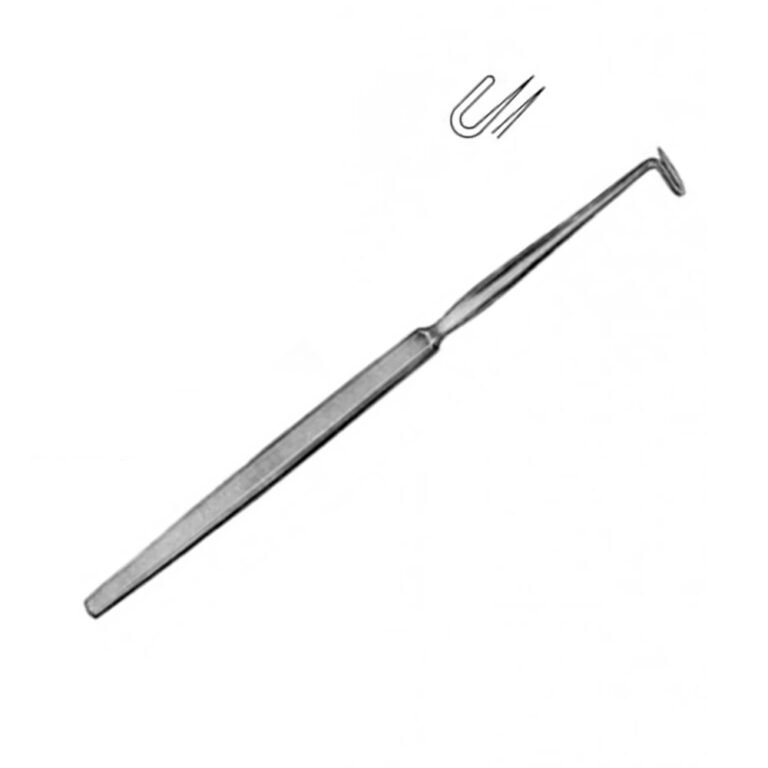
Bose Tracheal Hook | NJ Medical Instruments
In stock
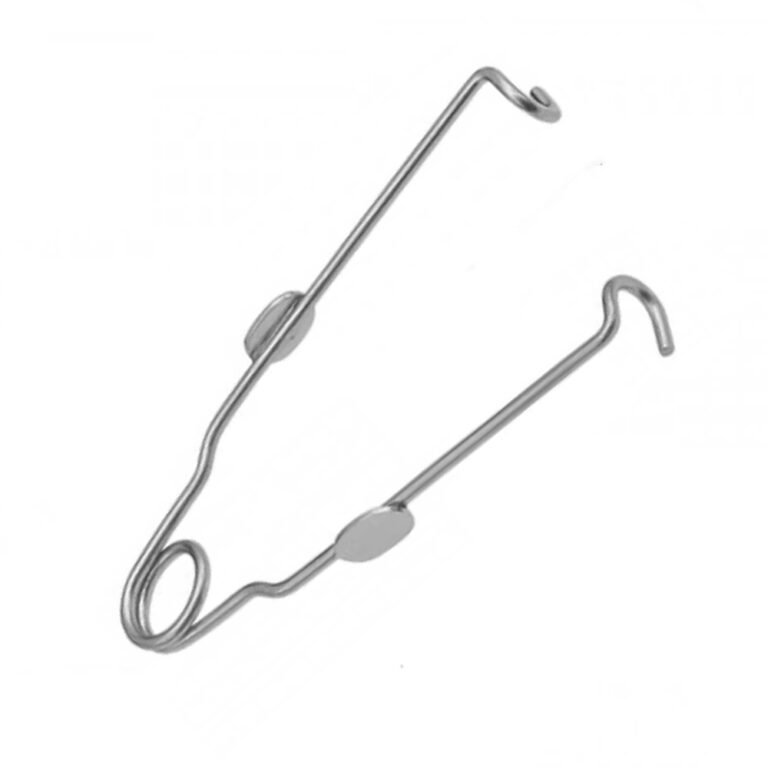
Bose Tracheal Retractor | NJ Medical Instruments
In stock
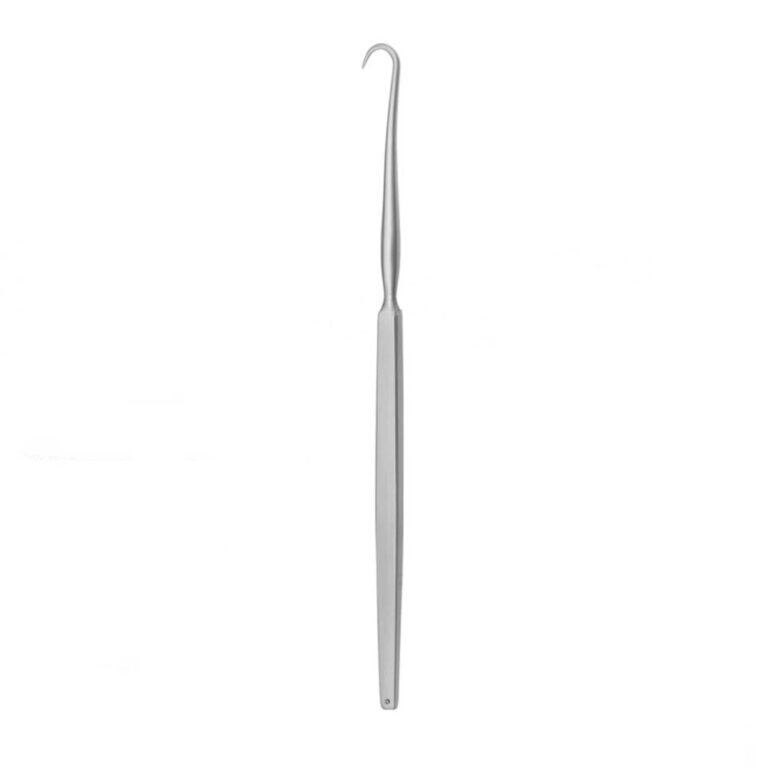
Iterson Tracheal Hook | NJ Medical Instruments
In stock
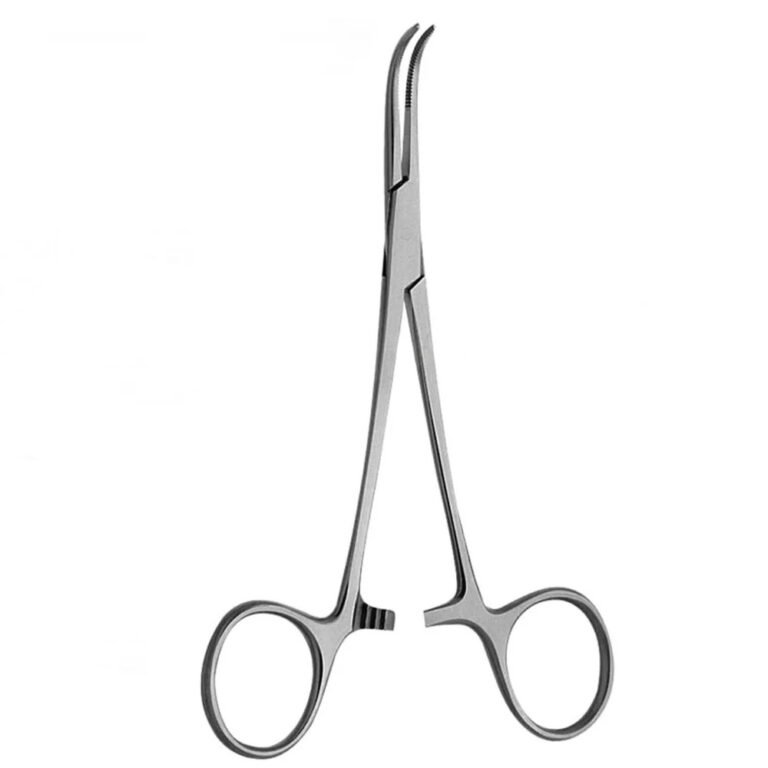
Jackson Tracheal Retractor | NJ Medical Instruments
In stock
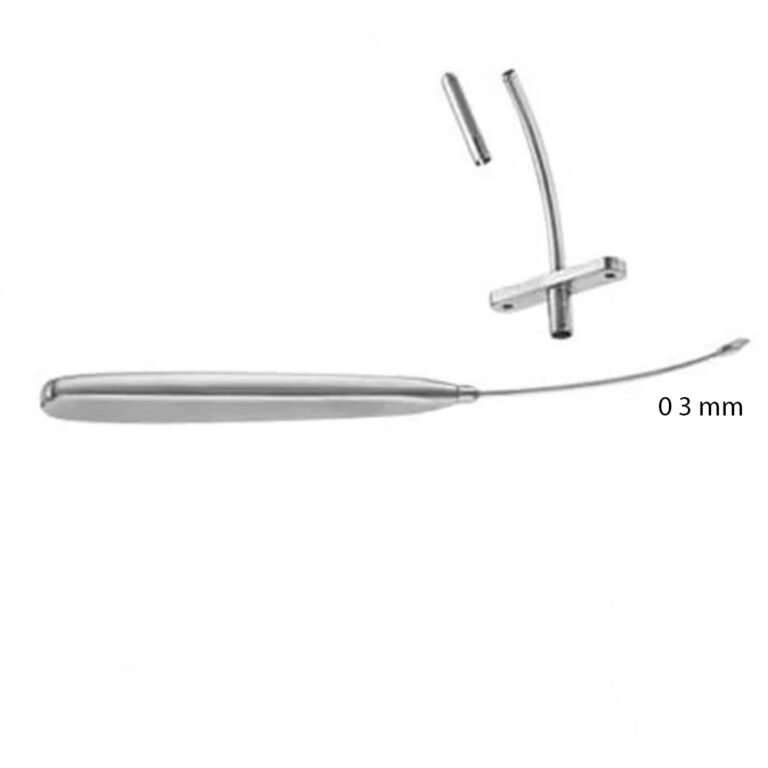
Tracheotomy Trocar for Babies | NJ Medical Instruments
In stock
Tracheostomy Instruments: Holding the Airway Open Once It Is Made
The defining problem in tracheostomy is not making the opening — it is keeping it open long enough to place the tube. The trachea sits deep in the neck, the tissue planes above it close as soon as pressure is released, and the incision through the tracheal wall is small and springy. Once the airway is entered, the surgeon has a narrow window in which the stoma must be held apart and the tube inserted. Every instrument in this set exists to hold something open or hold something still during that window, which is why the set is so heavily weighted toward dilators, hooks, and retractors rather than cutting instruments. NJ Medical Instruments manufactures the range in surgical-grade stainless steel, supplied worldwide direct from the factory for individual purchase and for bulk, wholesale, and OEM/private-label supply.
The tracheal dilator
The tracheal dilator works in reverse of most instruments: squeezing the handles opens the blades rather than closing them. The blades are introduced through the tracheal incision and spread to widen it, holding the stoma apart while the tube is passed. That reversed action is deliberate — it means the surgeon's natural grip force holds the airway open rather than having to maintain an unnatural spread grip at the critical moment.
The tracheal hook
A tracheal hook is used to stabilise the trachea, which is mobile and tends to slide away from the incision as pressure is applied. The hook engages the cricoid or a tracheal ring and holds it steady and forward so the incision can be made accurately in a structure that would otherwise move. Both sharp and blunt patterns are used, the choice depending on the tissue and the surgeon's preference.
Exposure and depth
The pretracheal tissue is retracted throughout, and the thyroid isthmus frequently lies across the intended site. So the set includes self-retaining and hand-held retractors to keep the planes open without an assistant's hand occupying the field. Instruments are longer than their general-surgery equivalents because the working point sits several centimetres below the skin.
What a tracheostomy set contains
| Instrument | Action | Stage |
|---|---|---|
| Tracheal dilator | Squeeze to open blades | Holding the stoma apart for the tube |
| Tracheal hook, sharp | Engages cricoid or ring | Stabilising a mobile trachea |
| Tracheal hook, blunt | Atraumatic engagement | Stabilising where a sharp point is unwanted |
| Self-retaining retractor | Locks open | Maintaining pretracheal exposure |
| Hand-held retractor | Adjustable by assistant | Responsive exposure |
| Long artery forceps | Ratcheted, extended | Haemostasis at depth |
| Suction tube | Fine bore | Clearing the airway on entry |
Explore related instruments
- ENT Diagnostic Instruments and ENT Instrument Sets
- Suction Tubes — essential on entry to the airway
- Surgical Retractors
- Artery Forceps & Ligature Clamps
All manufactured in surgical-grade stainless steel to international standards, reusable and autoclavable, with worldwide shipping.
Bulk, wholesale & OEM supply
As a direct manufacturer, NJ Medical Instruments supplies tracheostomy instruments in bulk and wholesale quantities to hospitals, ENT and critical care units, and distributors, and assembles complete tracheostomy sets. OEM and private-label production with custom laser marking is available. Contact us by email at info@njmedicalinstruments.com or by WhatsApp for volume pricing — no minimum-order barriers, no middlemen.
Frequently asked questions
What instruments are used in a tracheostomy?
A tracheostomy set centres on a tracheal dilator to hold the stoma open, a tracheal hook to stabilise the trachea, self-retaining and hand-held retractors for pretracheal exposure, long artery forceps for haemostasis at depth, and fine suction for clearing the airway on entry.
How does a tracheal dilator work?
It works in reverse of most instruments — squeezing the handles opens the blades rather than closing them. The blades are introduced through the tracheal incision and spread to hold the stoma apart while the tube is passed.
Why is a tracheal hook needed?
The trachea is mobile and tends to slide away as pressure is applied. The hook engages the cricoid or a tracheal ring and holds the airway steady and forward so the incision can be made accurately.
Why are tracheostomy instruments longer than general ones?
The trachea sits several centimetres below the skin, and the tissue planes above it close as soon as pressure is released. Longer instruments reach the working point while the handles stay clear of the field.
Should a sharp or blunt tracheal hook be used?
Both patterns are in use. A sharp hook engages tissue more securely; a blunt hook is chosen where a sharp point against the airway is unwanted. The choice follows the tissue and the surgeon's preference.
Do you supply tracheostomy instruments in bulk or as complete sets?
Yes. We supply tracheostomy instruments in bulk and wholesale quantities, assemble complete sets to your instrument list, and offer OEM or private-label production. Contact us by email or WhatsApp for volume pricing.