


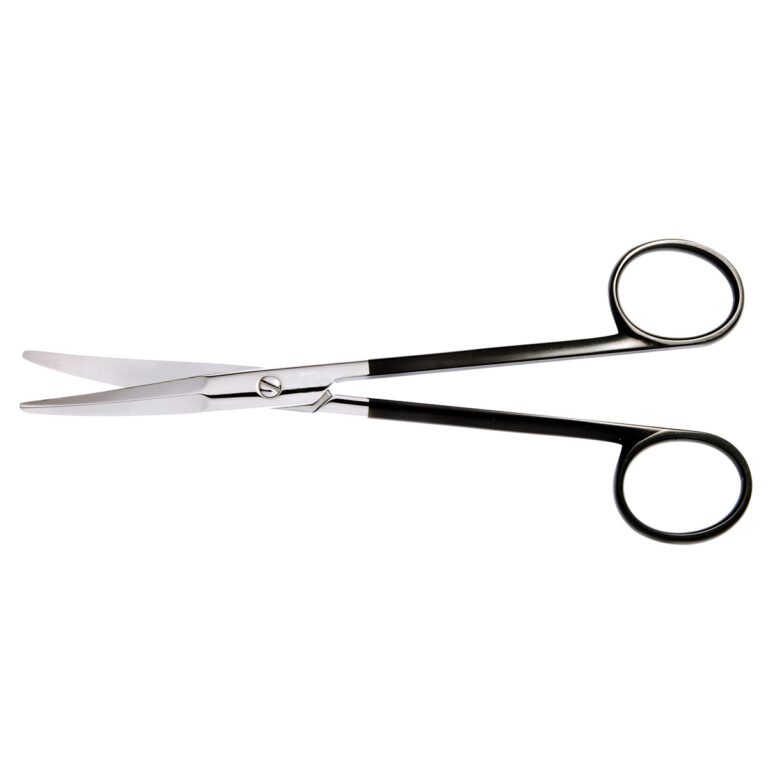
Aston Supercut Face-lift Scissors | NJ Medical Instruments
In stock
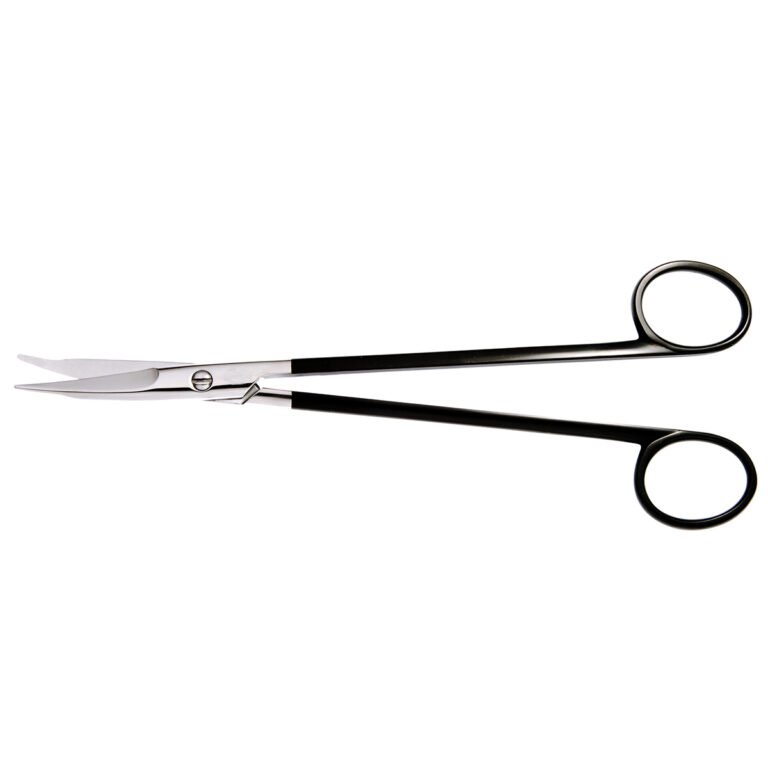
Davis Supercut Face-lift Scissors | NJ Medical Instruments
In stock
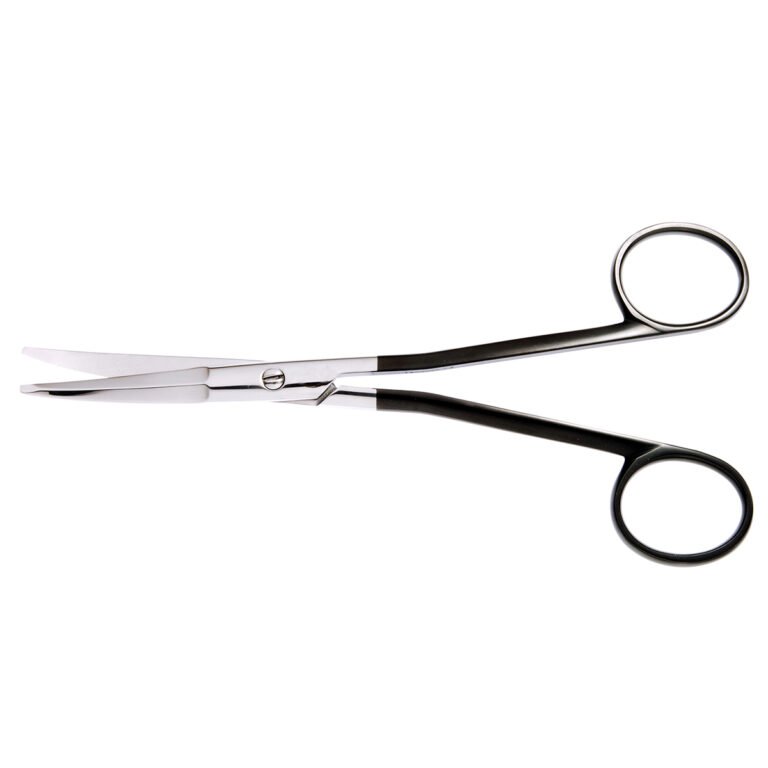
Gorney Supercut Ergonomic Face-lift Scissors | NJ Medical Instruments
In stock
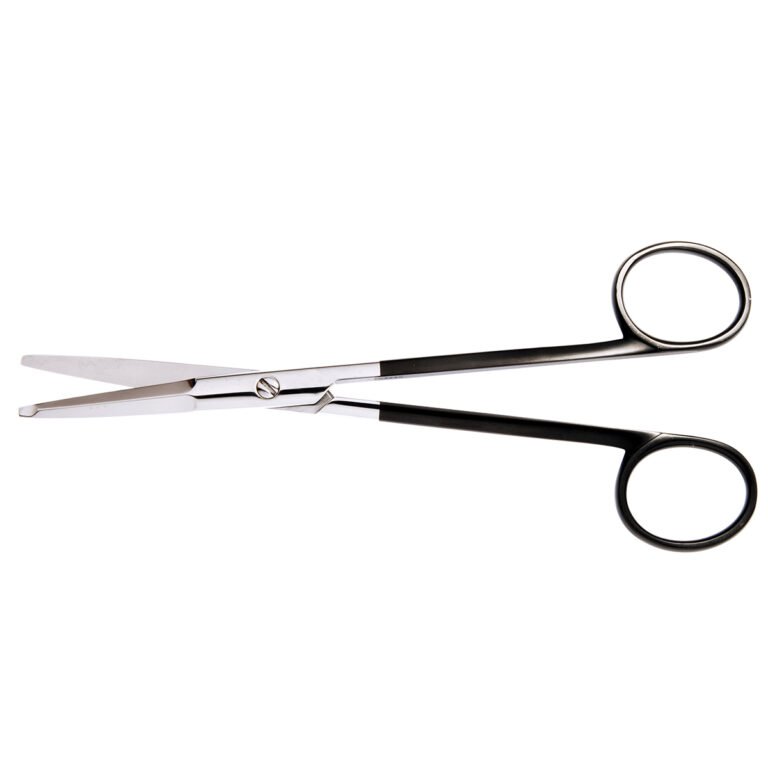
Gorney Supercut Face-lift Scissors | NJ Medical Instruments
In stock
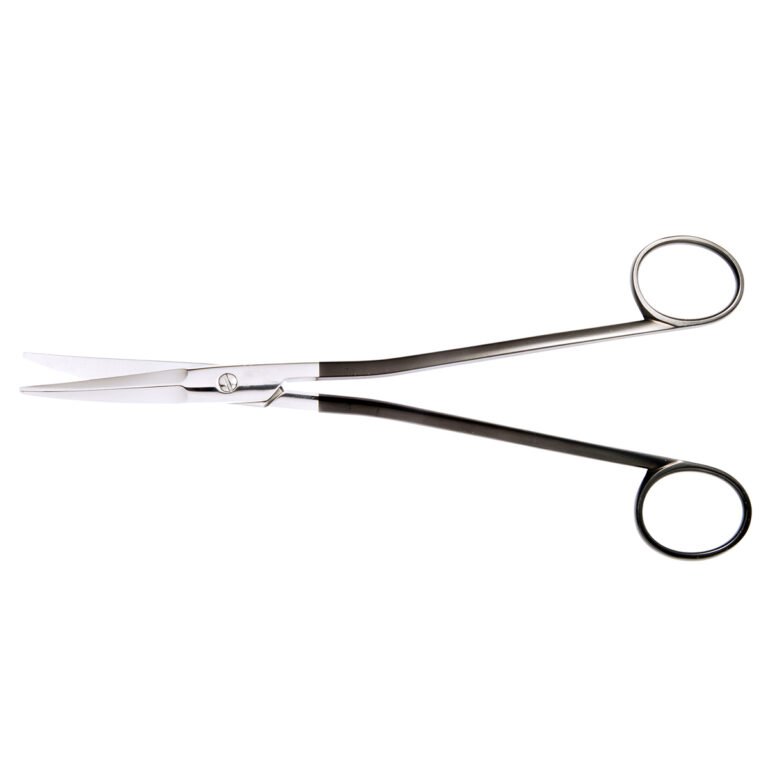
Matarasso Supercut Ergonomic Face-lift Scissors | NJ Medical Instruments
In stock
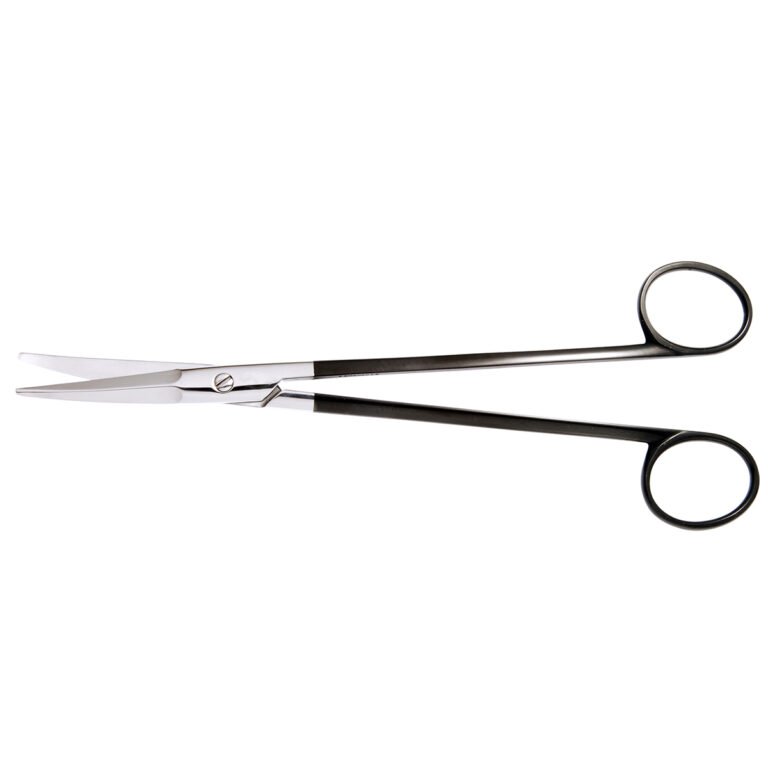
Matarasso Supercut Face-lift Scissors | NJ Medical Instruments
In stock
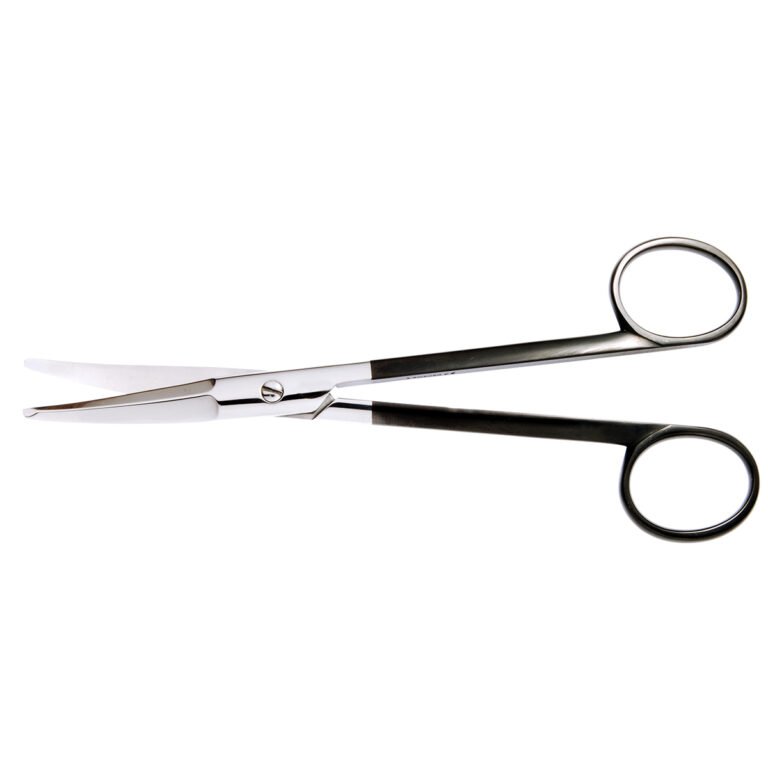
Rees Supercut Face-lift Scissors | NJ Medical Instruments
In stock
Face-lift Scissors: Long Blades That Separate Rather Than Cut
Face-lift scissors are used mostly with the blades apart, not closed — which is the opposite of how scissors normally work, and the key to understanding the pattern. The surgeon inserts the closed blunt tips into the plane between skin and the tissue beneath, then opens them to push that plane apart. Repeating this advances the dissection while vessels and facial nerve branches are pushed aside rather than divided. Actual cutting happens only where a fibrous band genuinely needs releasing. Everything about the instrument follows from that: blunt tips so they can be pushed safely, long shanks so a dissection extending several centimetres can be reached from an incision hidden at the hairline, and a gentle curve so the surgeon can see the tips and follow the contour of the face. NJ Medical Instruments manufactures the full range in surgical-grade stainless steel, supplied worldwide direct from the factory for individual purchase and for bulk, wholesale, and OEM/private-label supply.
Why blunt tips are non-negotiable
The dissection passes close to branches of the facial nerve, and a divided branch does not recover. A blunt tip meets a nerve or vessel and displaces it; a sharp tip divides whatever it encounters. Because much of the work happens under skin the surgeon cannot see through, the instrument itself has to provide that margin of safety rather than direct vision.
Length, curve and serration
Length is chosen for how far the undermining extends — longer patterns for a full face and neck lift, shorter for limited or secondary procedures. Curved blades keep the tips visible and follow facial contours; straight patterns are used where the surgeon wants a direct line. Serrated or SuperCut edges appear on face-lift patterns because when a fibrous band does need cutting, it is often tough and slippery, and a plain edge lets it slide forward instead of dividing it.
Handling and maintenance
These instruments are used to spread tissue, which puts lateral force on the blades — force scissors are not primarily designed for. Over time that can loosen the box joint, and a loose joint lets the blades separate slightly when they should meet. Face-lift scissors should therefore be checked for joint play as well as edge condition, and kept separate from heavier instruments in the tray so the fine tips are not damaged.
Which face-lift scissors do you need?
| Specification | Character | Best for |
|---|---|---|
| Long curved, blunt tips | Standard undermining pattern | Full face and neck undermining |
| Shorter curved | Reduced reach | Limited or secondary lifts |
| Straight blades | Direct line of force | Cutting bands in a straight approach |
| Serrated edge | Grips tissue while cutting | Tough fibrous bands |
| SuperCut edge | Razor plus micro-serrated blade | Cleanest cut where division is needed |
| Tungsten carbide | TC inserts, gold rings | Longer edge life in frequent use |
Explore related instruments
- Plastic Surgery Scissors and All Surgical Scissors
- Dissectors & Elevators and Hooks & Retractors
- Endoscopic Face & Forehead Lift instruments
- Facelift Surgery Sets
All manufactured in surgical-grade stainless steel to international standards, reusable and autoclavable, with worldwide shipping.
Bulk, wholesale & OEM supply
As a direct manufacturer, NJ Medical Instruments supplies face-lift scissors in bulk and wholesale quantities to hospitals, aesthetic clinics, and distributors, and produces OEM / private-label scissors in custom lengths and edge types with laser marking. Contact us by email at info@njmedicalinstruments.com or by WhatsApp for volume pricing — no minimum-order barriers, no middlemen.
Frequently asked questions
What are face-lift scissors used for?
They separate skin and superficial tissue from the layers beneath during a facelift. The closed blunt tips are pushed into the plane and opened to spread it apart, so the instrument is used mostly with the blades opening rather than closing.
Why are face-lift scissors blunt-tipped?
The dissection passes close to branches of the facial nerve, which do not recover if divided. A blunt tip displaces a nerve or vessel it meets; a sharp tip would divide it. Since much of the work is under skin the surgeon cannot see through, the instrument provides that safety margin.
Why are they so long?
The undermining extends several centimetres from incisions hidden at the hairline and around the ear. Long shanks reach the far edge of the dissection while the surgeon works from that small access point.
Should face-lift scissors be curved or straight?
Curved is the usual choice, because the surgeon can see the tips and follow the contour of the face. Straight patterns are used where a direct line of force is wanted, typically to divide a band.
Why do some face-lift scissors have serrated or SuperCut edges?
When a fibrous band does need cutting it is often tough and slippery, and a plain edge lets it slide forward rather than dividing. A serrated or SuperCut blade grips the tissue so the opposing edge can cut it cleanly.
Do you supply face-lift scissors in bulk or for OEM / private label?
Yes. As a direct manufacturer we supply face-lift scissors in bulk and wholesale quantities and produce OEM / private-label scissors in custom lengths and edge types. Contact us by email or WhatsApp for volume pricing.