


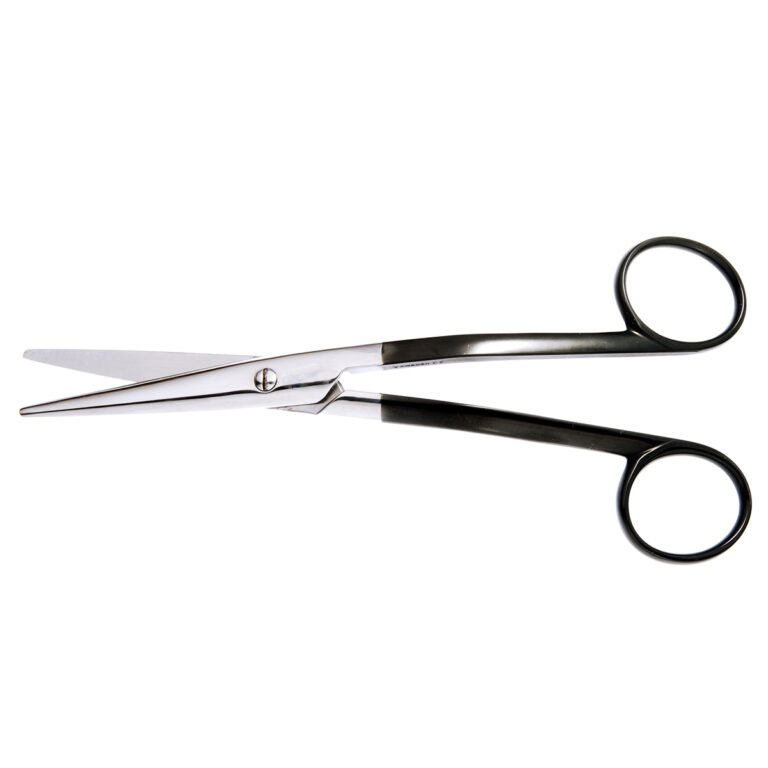
Cottle SuperCut Nasal Scissors – Heavy Serrated Blades, Angled Shanks
In stock
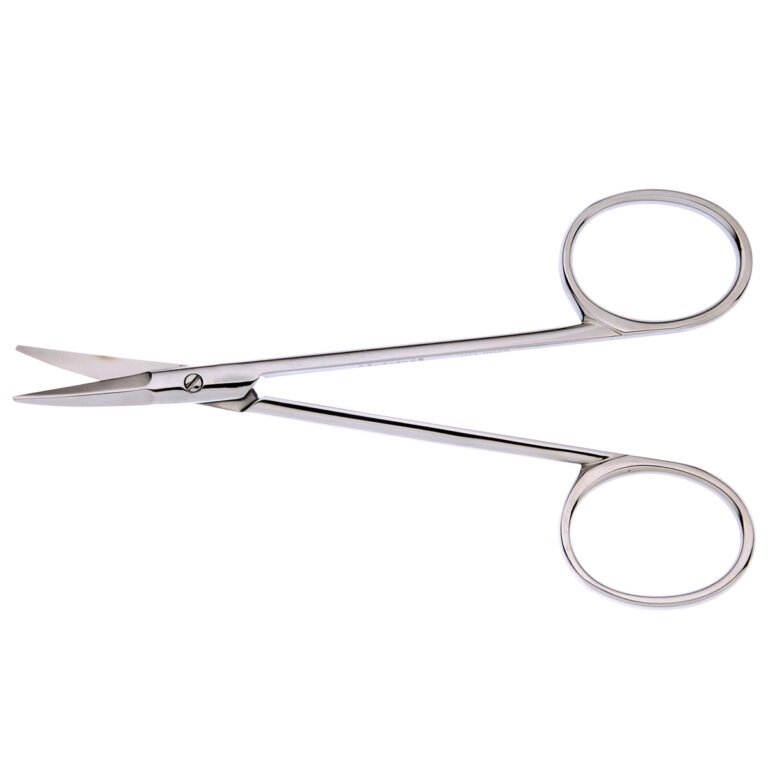
Fomon Nasal Scissors – Curved, Double-Beveled Blades
In stock
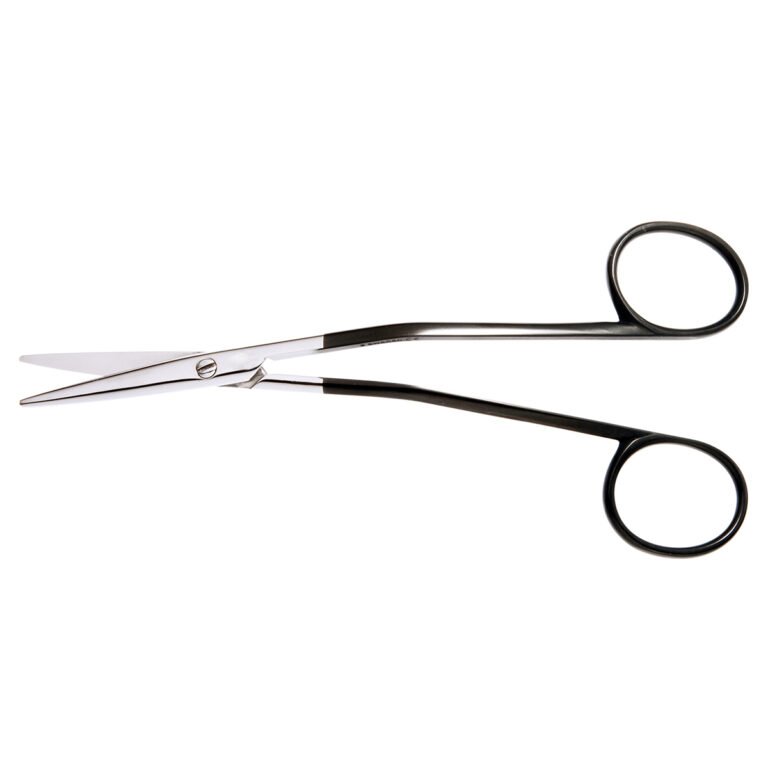
Fomon Supercut Nasal Scissors | NJ Medical Instruments
In stock
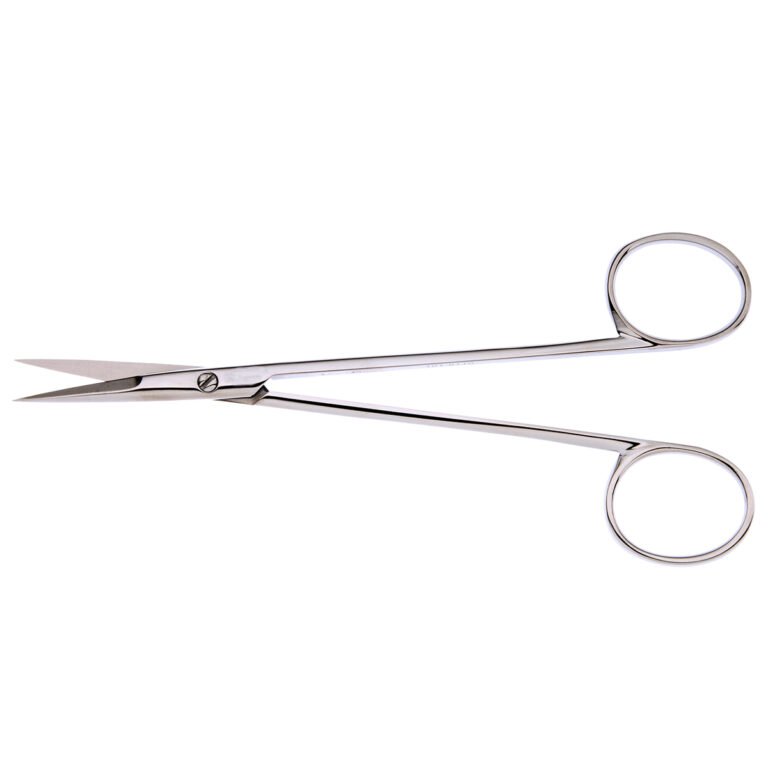
Joseph Nasal Scissors – Straight, Beveled Blades
In stock
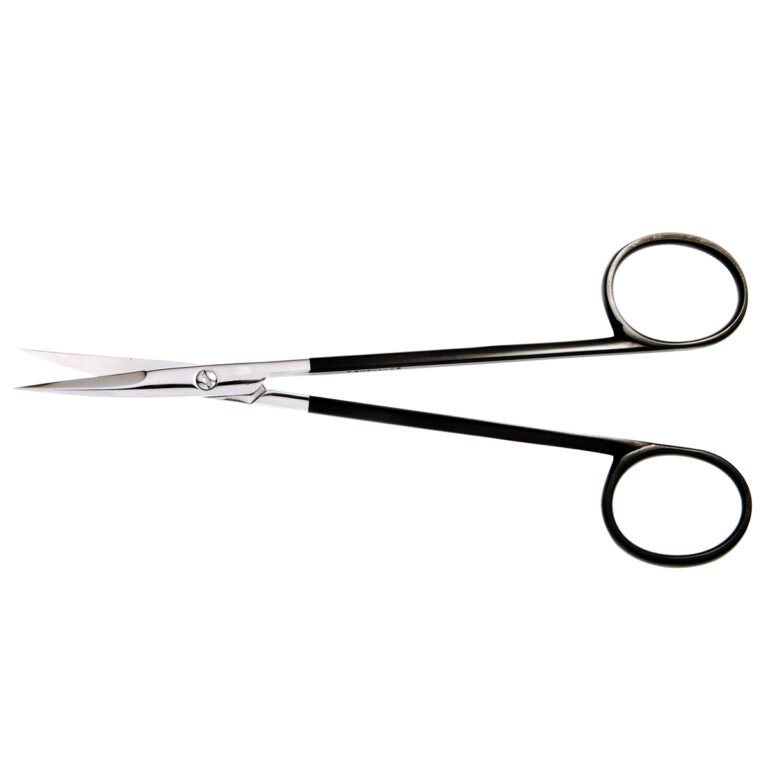
Joseph Supercut Nasal Scissors | NJ Medical Instruments
In stock
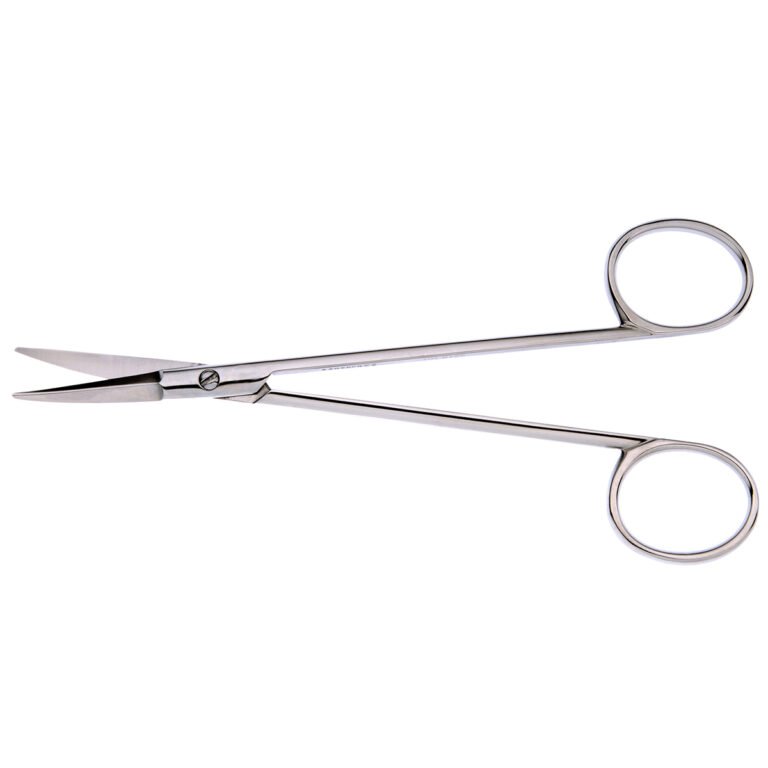
Peck-Joseph Nasal Scissors – Straight, Sharp, Double-Beveled
In stock
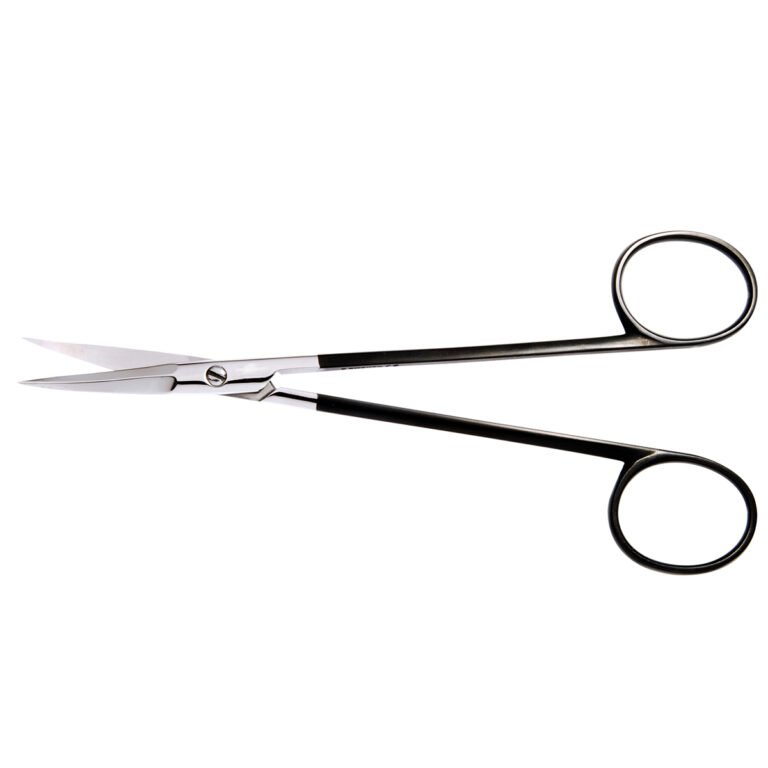
Peck-joseph Supercut Nasal Scissors | NJ Medical Instruments
In stock
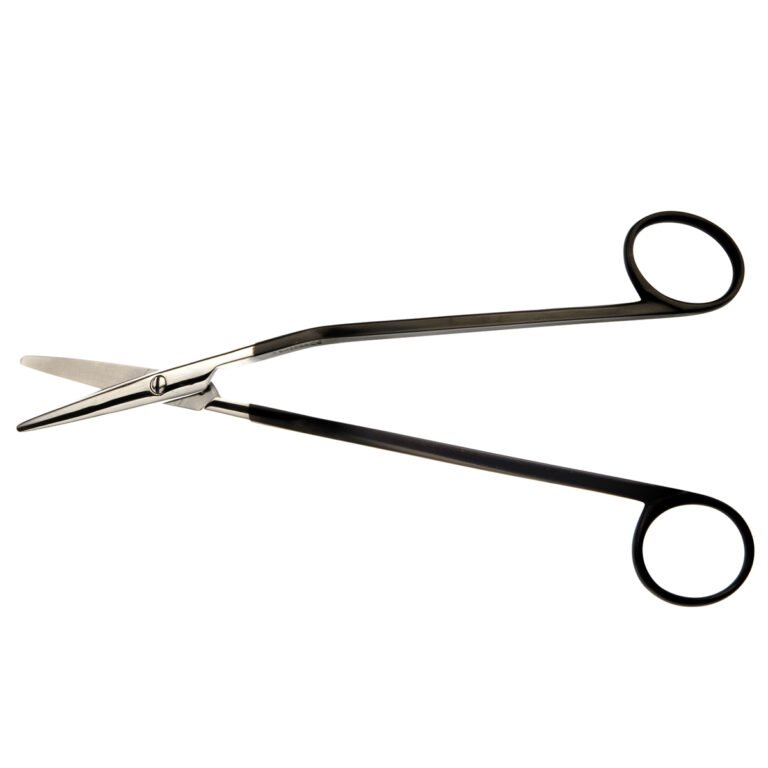
Supercut Nasal Scissors | NJ Medical Instruments
In stock
Nasal Scissors: Cutting Inside a Space You Can Barely See Into
Nasal scissors are short-bladed, long-shanked, and almost always angled — every one of those features answers the same problem, which is that the nostril is a small opening leading to a working space several centimetres deep. A standard pair of surgical scissors introduced into that space blocks the light and the line of sight with its own body before the blades reach anything. Nasal patterns solve this by putting all the cutting action at the far tip and getting everything else out of the way: shanks that are long and slim, blades that are short so they sit within the narrow field, and an angle or upward turn so the surgeon looks past the shaft to see what is being cut. NJ Medical Instruments manufactures the full range in surgical-grade stainless steel, including Converse, Knight, Fomon and Cottle patterns, supplied worldwide direct from the factory for individual purchase and for bulk, wholesale, and OEM/private-label supply.
Named patterns and what distinguishes them
Converse scissors are the classic angled rhinoplasty pattern, made in left and right angled versions so the blades can address either side of the nose without the hand crossing the field.
Knight nasal scissors are heavier, used to trim cartilage and firmer tissue where a fine pattern would flex rather than cut.
Fomon scissors have a strong angled blade set used in dorsal and septal work.
Cottle scissors are finer and used for the delicate dissection around septal mucosa where preserving the flap matters.
Sharp or blunt tips
The tip choice follows the task. Sharp tips cut precisely into cartilage and make clean incisions. Blunt tips allow the closed scissors to be pushed into a plane and opened to spread tissue apart — separating mucosa from cartilage without perforating it. Septal work in particular relies on blunt-tipped dissection, because a perforated mucosal flap is far harder to repair than an intact one is to raise.
Which nasal scissors do you need?
| Pattern | Character | Best for |
|---|---|---|
| Converse, angled L/R | Fine, side-specific | General rhinoplasty dissection |
| Knight | Heavier blades | Trimming cartilage and firm tissue |
| Fomon | Strong angled set | Dorsal and septal work |
| Cottle | Fine and delicate | Septal mucosa dissection |
| Blunt-tipped | Rounded points | Spreading planes without perforating |
| Sharp-tipped | Pointed blades | Precise cartilage incision |
Explore related instruments
- All Surgical Scissors and Plastic Surgery Scissors
- Nasal Forceps and Dissectors & Elevators
- Knives and Handles including Cottle nasal knives
- Rhinoplasty Sets
All manufactured in surgical-grade stainless steel to international standards, reusable and autoclavable, with worldwide shipping.
Bulk, wholesale & OEM supply
As a direct manufacturer, NJ Medical Instruments supplies nasal scissors in bulk and wholesale quantities to hospitals, ENT and aesthetic clinics, and distributors, and produces OEM / private-label scissors to custom specifications and laser marking. Contact us by email at info@njmedicalinstruments.com or by WhatsApp for volume pricing — no minimum-order barriers, no middlemen.
Frequently asked questions
What are nasal scissors used for?
Nasal scissors cut and dissect tissue inside the nasal cavity during rhinoplasty and septal surgery — trimming cartilage, separating mucosa, and dividing soft tissue in a space too narrow for standard surgical scissors.
Why are nasal scissors angled?
The angle keeps the shanks and the surgeon's hand out of the line of sight so the blade tips remain visible. A straight instrument in that space blocks both the light and the view before the blades reach the tissue.
Why are the blades so short?
Short blades fit within the narrow working field and give control at the tip. Longer blades would extend beyond the area being worked on and cut where the surgeon cannot see.
When should blunt-tipped nasal scissors be used?
For separating tissue planes, particularly lifting mucosa off septal cartilage. The closed blunt tips are pushed into the plane and opened to spread it, which avoids perforating a mucosal flap that would be difficult to repair.
Why are Converse scissors made in left and right versions?
So each side of the nose can be addressed with the blades correctly oriented without the surgeon's hand crossing over and obstructing the operative field.
Do you supply nasal scissors in bulk or for OEM / private label?
Yes. As a direct manufacturer we supply nasal scissors in bulk and wholesale quantities and offer OEM / private-label production to custom specifications. Contact us by email or WhatsApp for volume pricing.