


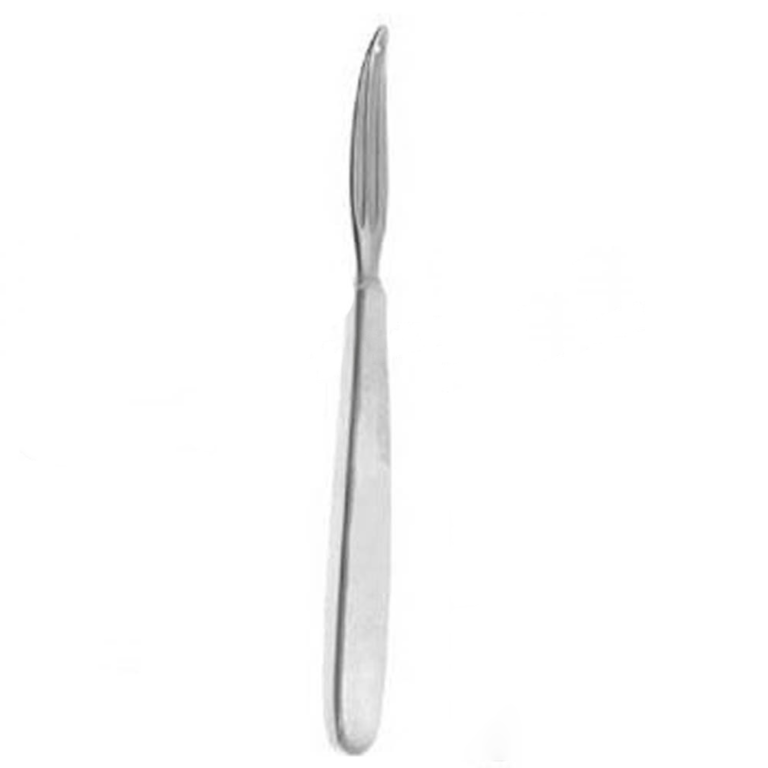
Kocher Thyroid Dissector | NJ Medical Instruments
In stock
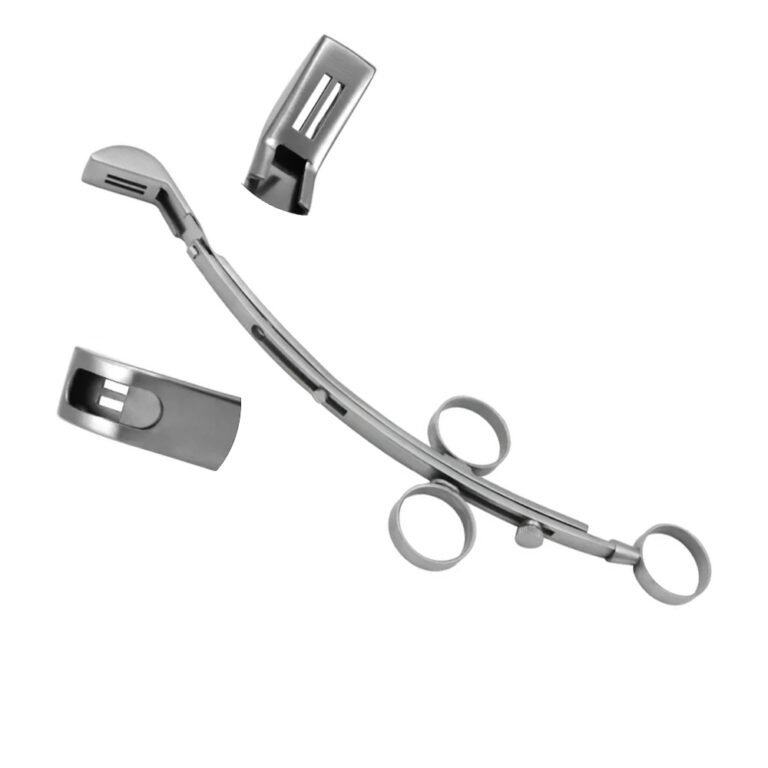
LaForce Adenotome | NJ Medical Instruments
In stock
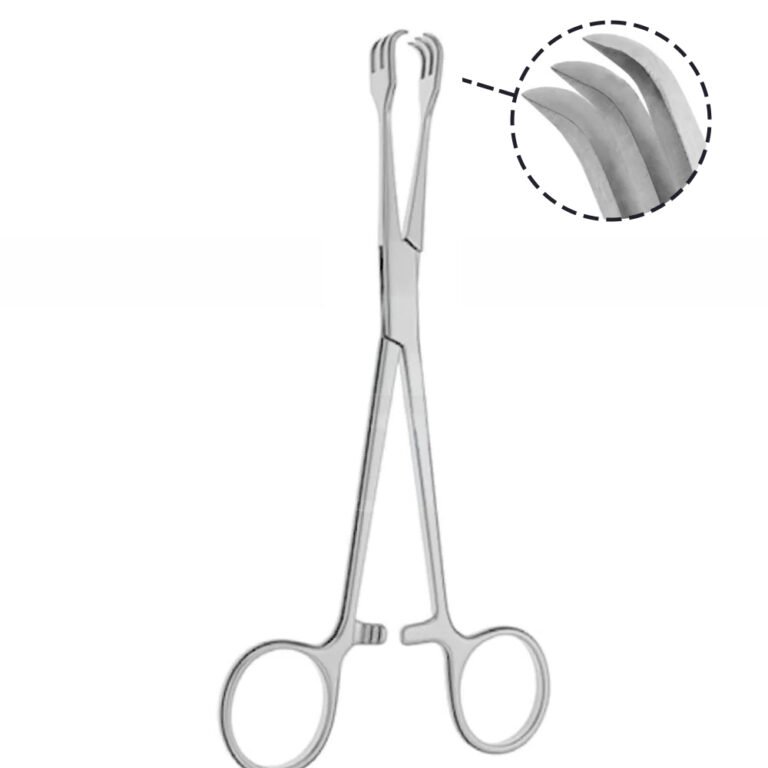
Lahey Traction Forceps – 3×3 teeth | NJ Medical Instruments
In stock
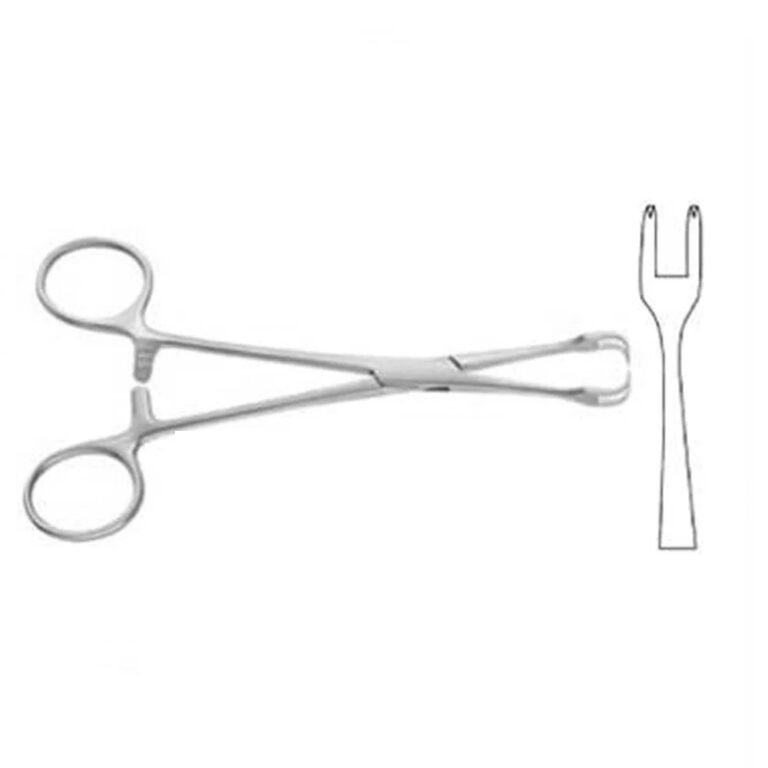
Lovelace Goiter Traction Clamp | NJ Medical Instruments
In stock
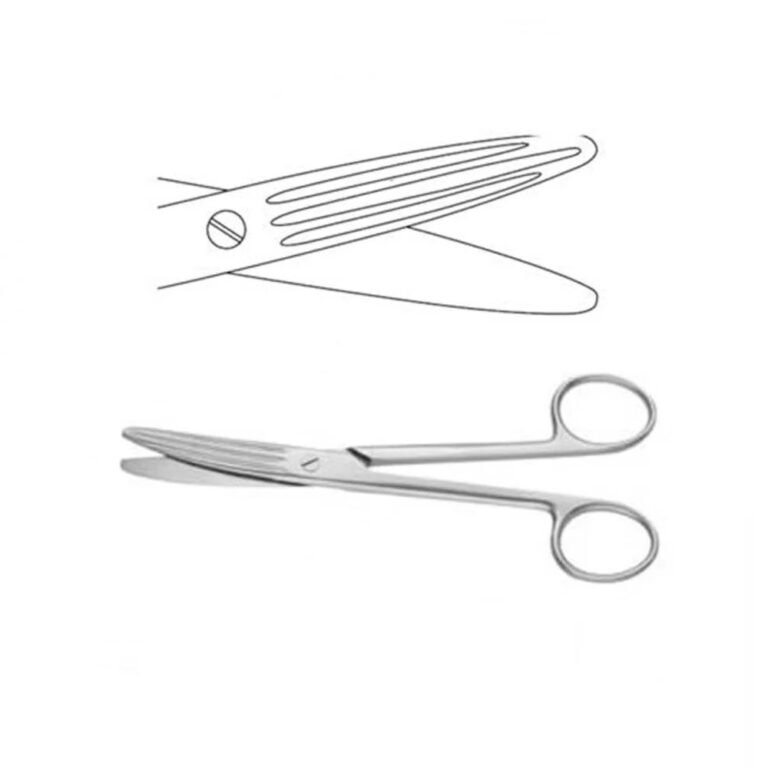
Schoemaker Goiter Dissecting Scissors | NJ Medical Instruments
In stock
Thyroidectomy Instruments: Working Around Structures That Must Be Preserved
Thyroid surgery is defined less by what is removed than by what has to be left intact. The recurrent laryngeal nerve runs immediately behind the gland and controls the vocal cord; the parathyroid glands sit on its posterior surface and are the size of a grain of rice. Damage either and the consequence is permanent — a hoarse voice or lifelong calcium management — from an operation that otherwise went well. Meanwhile the gland itself is highly vascular, so bleeding obscures precisely the field where those structures need to be identified. The instrument set answers that combination: fine atraumatic instruments for dissecting close to nerve, and reliable haemostasis so the field stays clear enough to see it. NJ Medical Instruments manufactures the range in surgical-grade stainless steel, supplied worldwide direct from the factory for individual purchase and for bulk, wholesale, and OEM/private-label supply.
Exposure without an assistant's hands
Access is through a low transverse collar incision, and flaps are raised above and below it. Self-retaining retractors hold those flaps and the strap muscles apart for the duration, which matters in an operation where both the surgeon and the assistant need their hands for dissection and haemostasis rather than for holding.
Dissecting toward the nerve
The dissection proceeds in small steps with fine right-angled and Mixter forceps, which pass behind a vessel or band so it can be tied or sealed before division — nothing is divided until what lies behind it is known. Atraumatic tissue forceps handle the gland and the strap muscles without crushing, and fine artery forceps in quantity control the vessels as they are encountered.
Why haemostasis is a visibility problem
Bleeding here is not just blood loss — it fills the exact plane where the recurrent laryngeal nerve and parathyroids need to be identified. That is why bipolar forceps are preferred over monopolar in the vicinity of the nerve: current confined between two tips does not spread laterally into a structure a millimetre away. Vessel sealers are used similarly, replacing ties on the superior and inferior pedicles.
What a thyroidectomy set contains
| Instrument | Character | Purpose |
|---|---|---|
| Self-retaining retractor | Locks open | Holding flaps and strap muscles apart |
| Fine right-angled forceps | Mixter type | Passing behind vessels before division |
| Atraumatic tissue forceps | Non-crushing jaws | Handling gland and muscle |
| Fine artery forceps | Ratcheted, in quantity | Controlling vessels as encountered |
| Bipolar forceps | Current confined to tips | Haemostasis near the nerve |
| Fine dissecting scissors | Blunt-tipped | Separating planes atraumatically |
| Fine suction | Narrow bore | Keeping the plane visible |
| Needle holders | Fine and standard | Layered closure |
Explore related instruments
- Artery Forceps & Ligature Clamps including Mixter patterns
- Bipolar Forceps and Bipolar Artery Sealer
- Surgical Retractors and Suction Tubes
- All Surgical Instruments
All manufactured in surgical-grade stainless steel to international standards, reusable and autoclavable, with worldwide shipping.
Bulk, wholesale & OEM supply
As a direct manufacturer, NJ Medical Instruments supplies thyroidectomy instruments in bulk and wholesale quantities to hospitals, head and neck surgical units, and distributors, and assembles complete thyroidectomy sets. OEM and private-label production with custom laser marking is available. Contact us by email at info@njmedicalinstruments.com or by WhatsApp for volume pricing — no minimum-order barriers, no middlemen.
Frequently asked questions
What instruments are used in a thyroidectomy?
A thyroidectomy set contains self-retaining retractors for flap and strap muscle exposure, fine right-angled forceps for passing behind vessels, atraumatic tissue forceps, fine artery forceps in quantity, bipolar forceps for haemostasis near the nerve, fine blunt-tipped scissors, suction, and needle holders for closure.
Why are the instruments finer than in general surgery?
The recurrent laryngeal nerve and the parathyroid glands lie immediately behind and on the gland. Dissection proceeds in small steps close to structures that must be preserved, which requires finer, more controlled instruments than general tissue work.
Why is bipolar preferred over monopolar in thyroid surgery?
Bipolar current passes only between the two tips, so it does not spread laterally into a nerve lying a millimetre away. Monopolar current disperses through tissue, which is a greater risk in that proximity.
What are right-angled forceps used for here?
They pass behind a vessel or fibrous band so it can be tied or sealed before it is divided. The principle throughout is that nothing is divided until what lies behind it has been identified.
Why does haemostasis matter so much in this operation?
Because the gland is highly vascular and bleeding fills the exact plane where the nerve and parathyroids need to be identified. Good haemostasis is a visibility requirement, not only a blood loss one.
Do you supply thyroidectomy instruments in bulk or as complete sets?
Yes. We supply thyroidectomy instruments in bulk and wholesale quantities, assemble complete sets to your instrument list, and offer OEM or private-label production. Contact us by email or WhatsApp for volume pricing.