


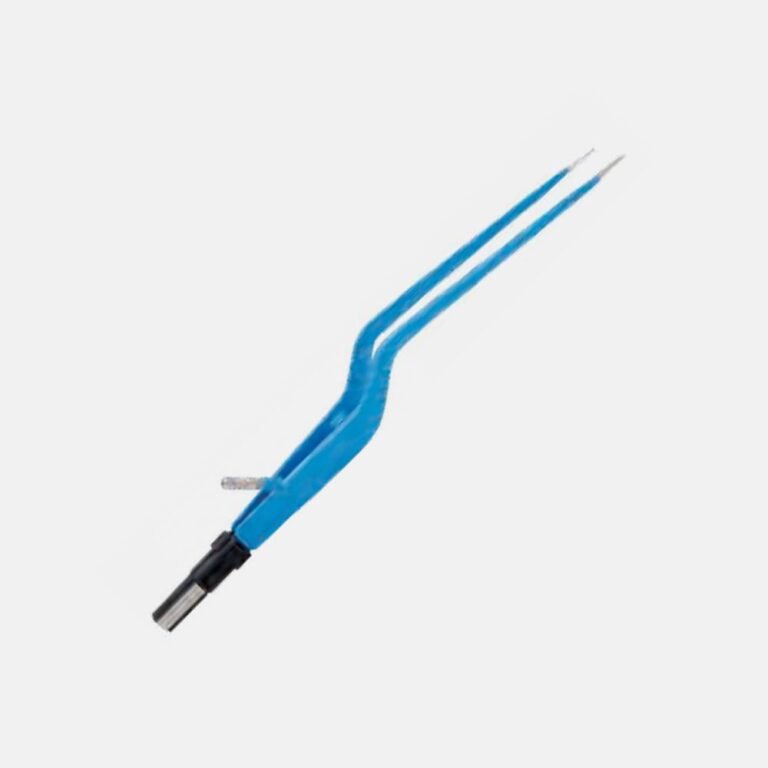
Bayonet European Irrigation Bipolar Forceps
In stock
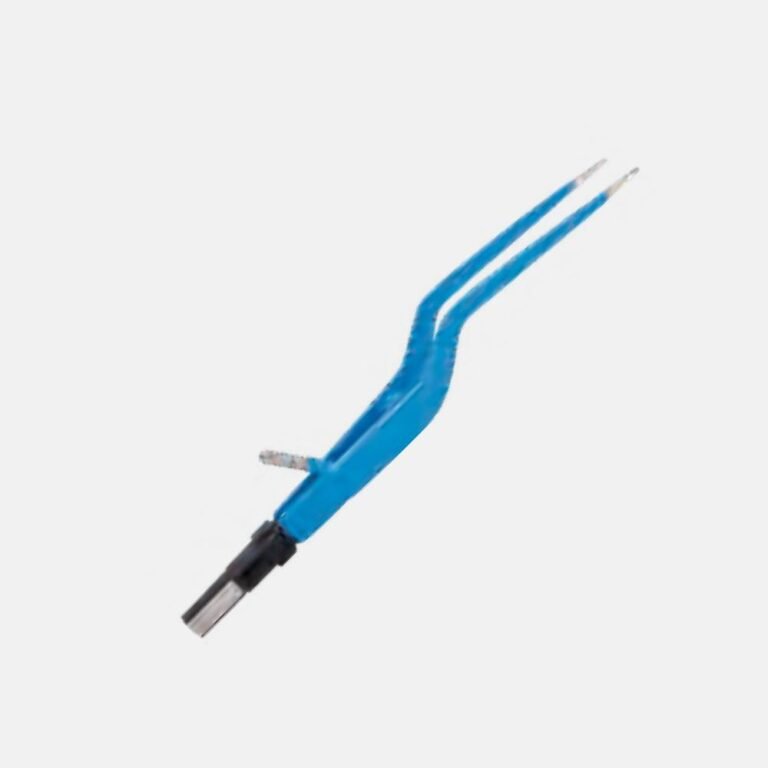
Bayonet European Irrigation Bipolar Forceps – NJM-13163
In stock
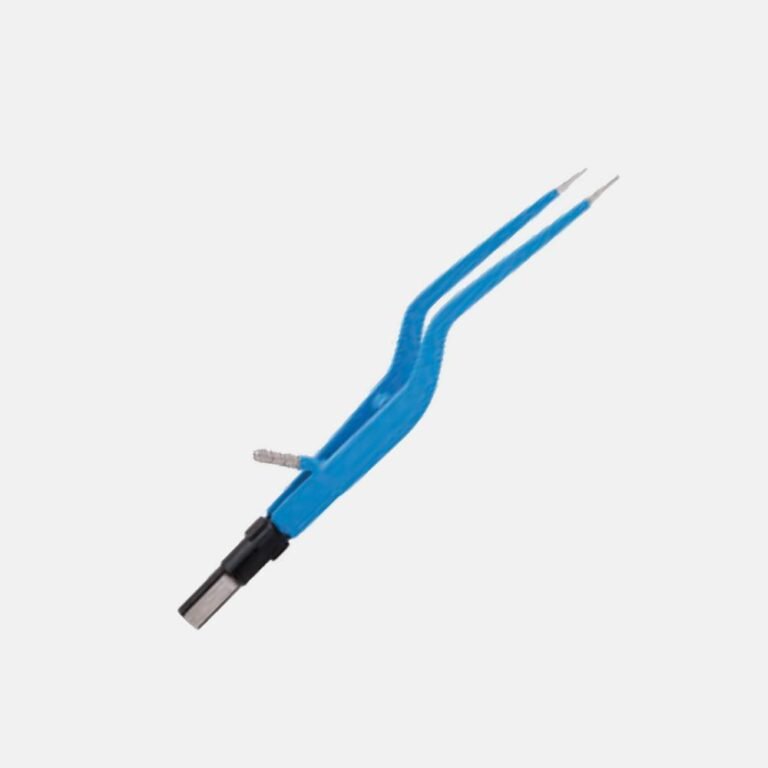
Bayonet Irrigation Bipolar Forceps – 16 cm, 1 mm Tip
In stock
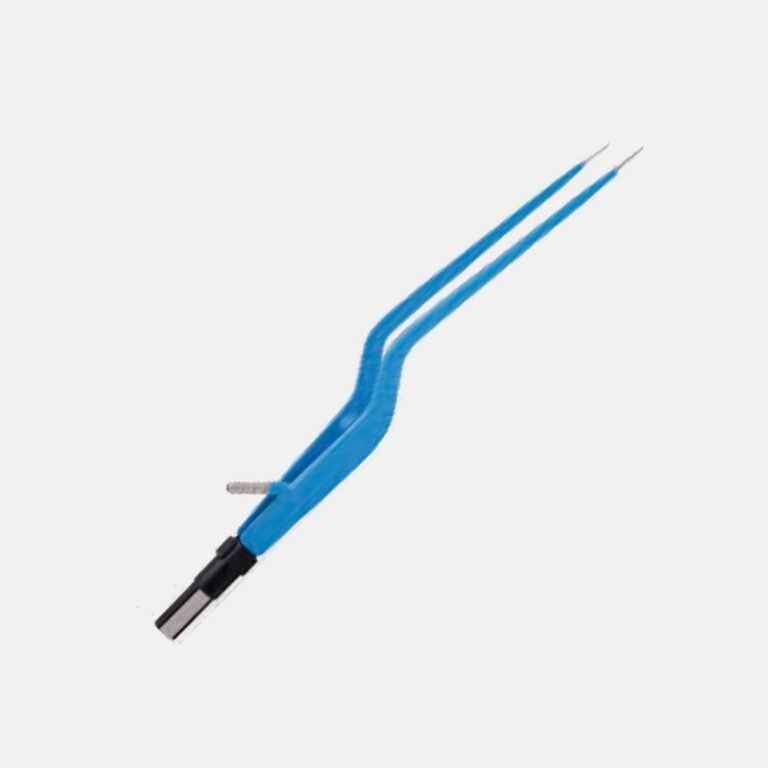
Bayonet Irrigation Bipolar Forceps – 20 cm, 1 mm Tip
In stock
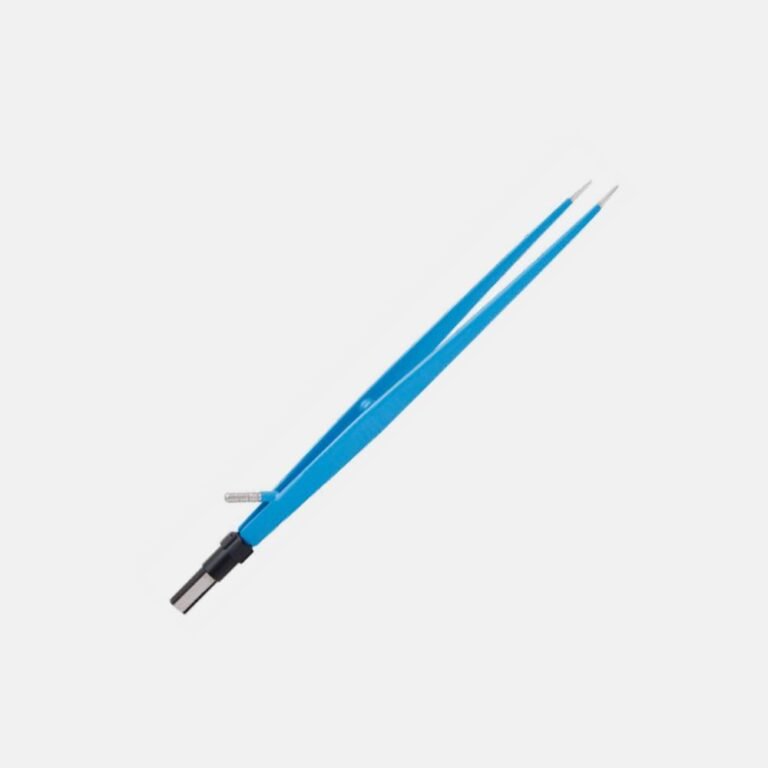
Straight European Irrigation Bipolar Forceps – NJM-13165
In stock
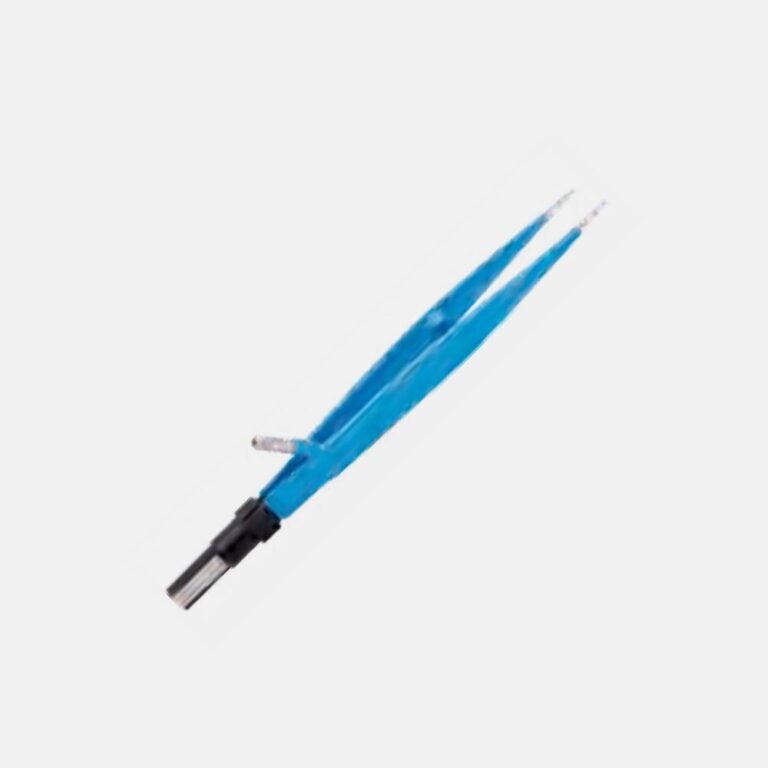
Straight European Irrigation Bipolar Forceps – NJM-13166
In stock
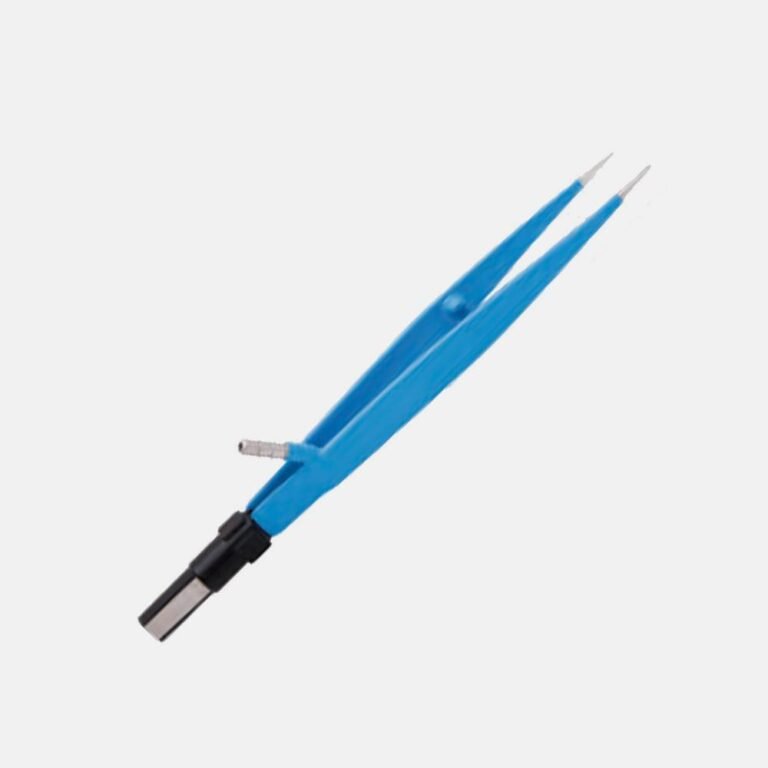
Straight Irrigation Bipolar Forceps – 16 cm, 1 mm Tip
In stock
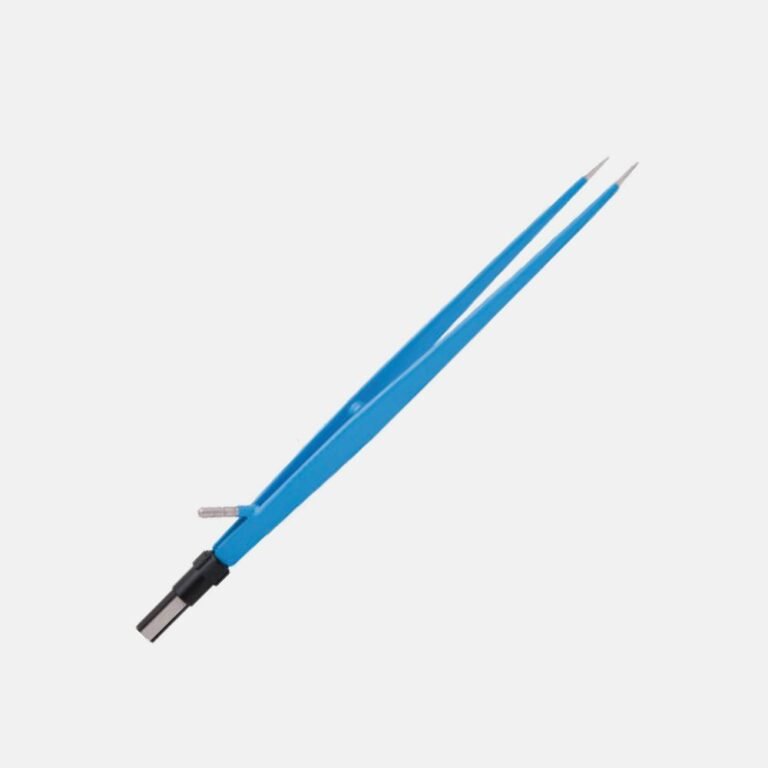
Straight Irrigation Bipolar Forceps – 20 cm, 1 mm Tip
In stock
European Irrigation Bipolar Forceps: Coagulating With Continuous Saline
Irrigation bipolar forceps deliver a fine stream of saline to the tips while coagulating, and that continuous flow solves the central problem of bipolar coagulation in delicate surgery: heat. Ordinary bipolar tips heat the tissue held between them, but they also heat themselves, and that retained heat spreads sideways into surrounding structures after the current stops. In neurosurgery, working millimetres from cortex or cranial nerves, that lateral thermal spread is the injury risk. Saline flowing over the tips carries heat away as it is generated, so the coagulation stays confined and the tips stay cool enough that tissue releases rather than sticking. NJ Medical Instruments manufactures the range in surgical-grade stainless steel with integrated irrigation channels and the European flat two-pin connector, supplied worldwide direct from the factory for individual purchase and for bulk, wholesale, and OEM/private-label supply.
Three effects of continuous irrigation
Reduced thermal spread. Saline absorbs and removes heat at the moment of generation, so less energy travels into adjacent tissue — the reason these forceps are standard in neurosurgical and microsurgical practice.
Less sticking and char. Cooler tips mean protein does not bond to the metal, so coagulum releases cleanly and the surgeon is not stopping to clean tips through a long case.
A clearer field. The irrigation itself washes the immediate working area, which matters when the target vessel is small and blood obscures it faster than suction alone can clear.
Setting up the irrigation
Flow rate is the practical variable. Too little and the cooling effect is lost, leaving an ordinary bipolar forceps with an unused channel. Too much and saline pools in the field, dispersing current and reducing coagulation efficiency — the surgeon then increases power to compensate, which defeats the purpose. Flow is set to keep the tips wet, not to flood the site.
The irrigation channel is the maintenance point. It is a narrow lumen carrying saline and, inevitably, some tissue debris, so it must be flushed thoroughly during reprocessing. A blocked channel is not visible from outside and is only discovered when irrigation fails mid-procedure.
Which forceps do you need?
| Option | Specification | Best for |
|---|---|---|
| Fine tip with irrigation | 0.3–0.5 mm | Neurosurgery and microsurgery |
| Medium tip with irrigation | 0.7–1.0 mm | General ENT and plastic surgery |
| Bayonet shape | Stepped shaft | Deep corridors, microscope work |
| Straight shape | Inline shaft | Open, shallow fields |
| Non-stick irrigation tips | Treated tip surface | Maximum resistance to sticking |
| European two-pin connector | Flat EU standard | European cables and generators |
Explore related electrosurgical instruments
- European Bipolar Forceps (standard, non-irrigating)
- European Non-Stick Bipolar Forceps and SilverGlide Non-Stick
- Bipolar Cables — must match the connector standard
- All Electrosurgical Instruments
All manufactured in surgical-grade stainless steel to international standards, reusable and autoclavable, with worldwide shipping.
Bulk, wholesale & OEM supply
As a direct manufacturer, NJ Medical Instruments supplies irrigation bipolar forceps in bulk and wholesale quantities to hospitals, neurosurgical and ENT units, and distributors, and produces OEM / private-label instruments to custom specifications and laser marking. Contact us by email at info@njmedicalinstruments.com or by WhatsApp for volume pricing — no minimum-order barriers, no middlemen.
Frequently asked questions
What are irrigation bipolar forceps?
They are bipolar coagulation forceps with an integrated channel delivering a fine stream of saline to the tips during use. The saline carries heat away as it is generated, keeping coagulation confined and the tips cool.
Why use irrigation bipolar forceps in neurosurgery?
Because lateral thermal spread is the main injury risk when coagulating millimetres from cortex or cranial nerves. Continuous saline removes heat at the point of generation, so less energy travels into adjacent tissue.
Do irrigation forceps stop tissue sticking?
Largely, yes. Sticking happens when tips get hot enough for protein to bond to the metal. Cooler tips mean coagulum releases cleanly, so the surgeon pauses far less often to clean them.
What irrigation flow rate should be used?
Enough to keep the tips wet, not enough to flood the field. Too little loses the cooling benefit; too much pools saline, disperses the current and reduces coagulation efficiency, prompting a power increase that defeats the purpose.
How should the irrigation channel be cleaned?
It must be flushed thoroughly during reprocessing. The channel is a narrow lumen carrying saline and tissue debris, and a blockage is invisible from outside — typically discovered only when irrigation fails during a procedure.
Do you supply irrigation bipolar forceps in bulk or for OEM / private label?
Yes. As a direct manufacturer we supply irrigation bipolar forceps in bulk and wholesale quantities and offer OEM / private-label production to custom specifications. Contact us by email or WhatsApp for volume pricing.