


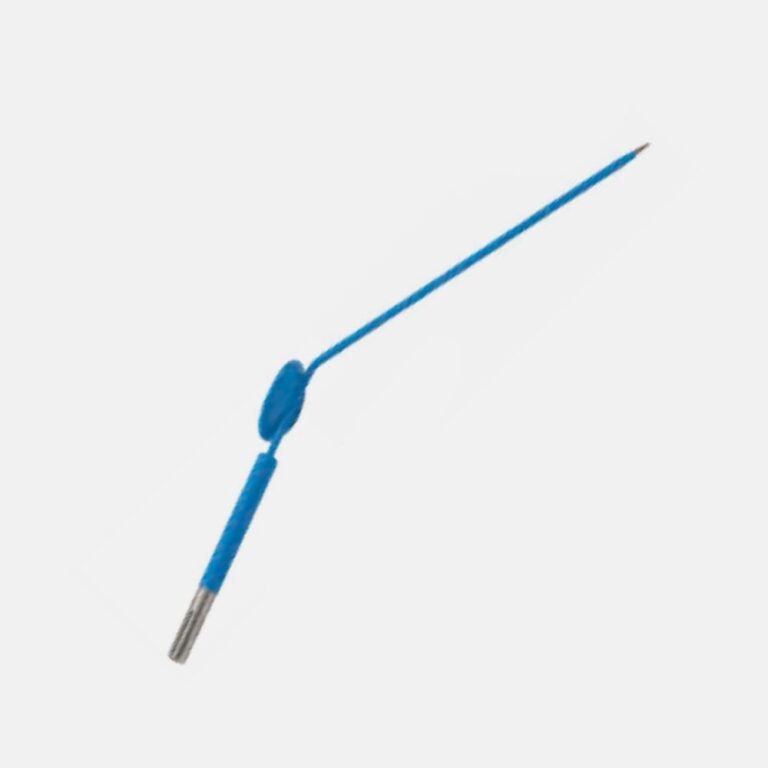
-12%
Abbey Sub Needle, 17.5 cm
In stock
Original price was: $ 41.$ 36Current price is: $ 36.
SKU:
NJM-1343
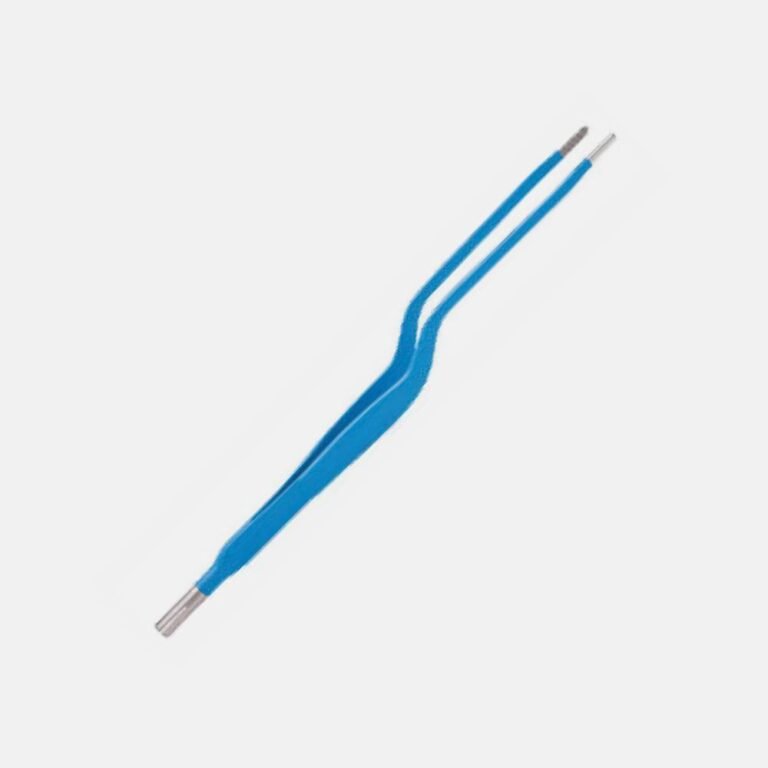
-12%
Adson Bayonet Dressing Forceps, 19 cm – Tungsten Carbide
In stock
Original price was: $ 42.$ 37Current price is: $ 37.
SKU:
NJM-1339
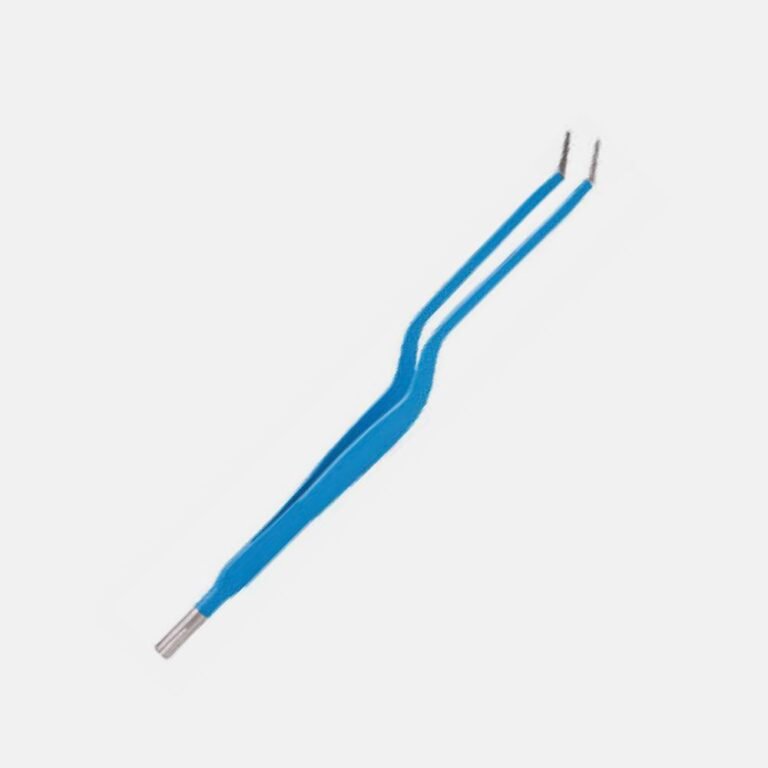
-22%
Adson Bayonet Forceps, Angle Up, 19 cm – Tungsten Carbide
In stock
Original price was: $ 41.$ 32Current price is: $ 32.
SKU:
NJM-1329
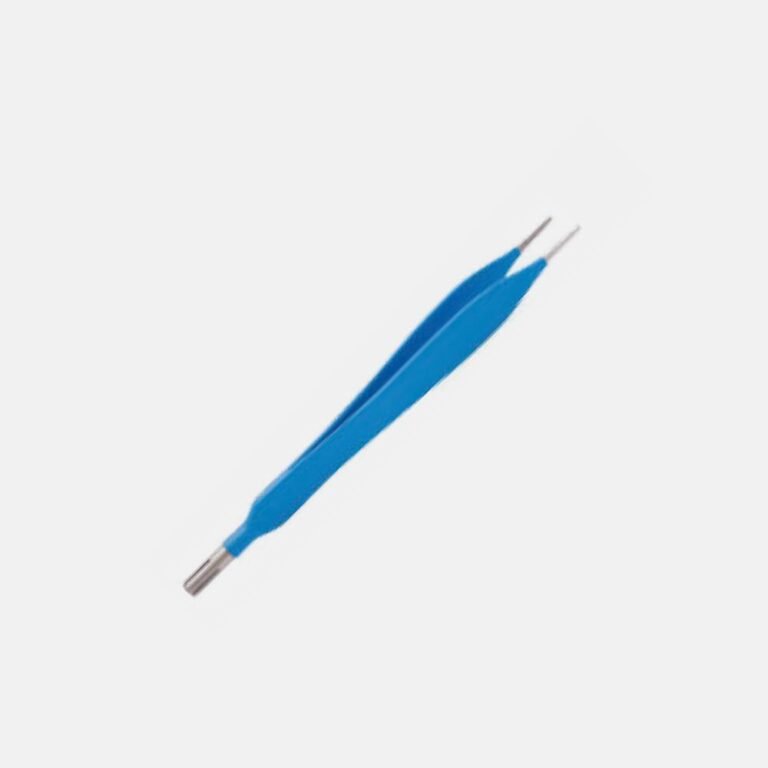
-10%
-16%
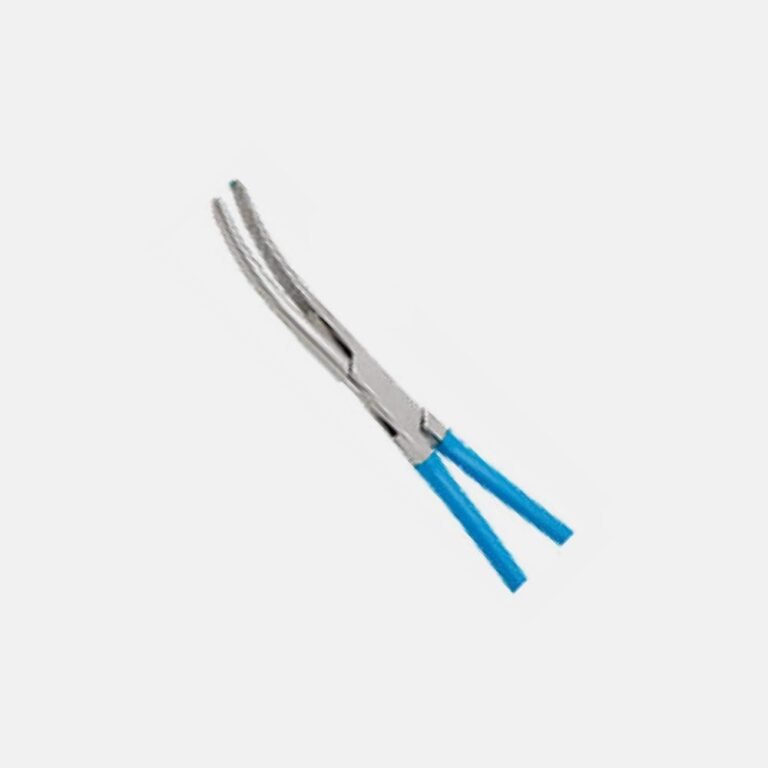
Artery Forceps, Curved – Artery and Vessel Clamping
In stock
Original price was: $ 43.$ 36Current price is: $ 36.
SKU:
NJM-1333
-21%
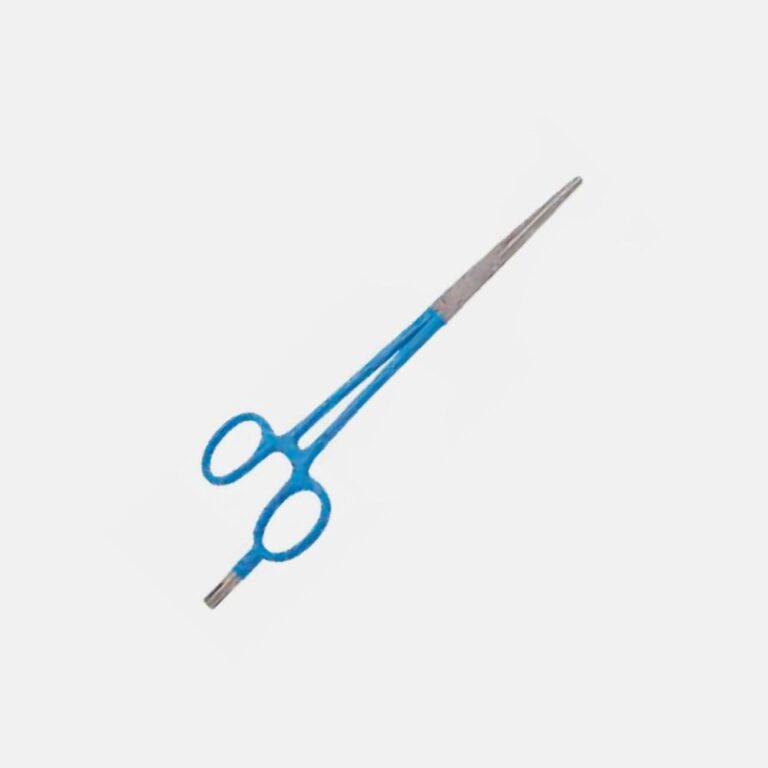
Artery Forceps, Straight – Artery and Vessel Clamping
In stock
Original price was: $ 48.$ 38Current price is: $ 38.
SKU:
NJM-1332
-10%
-10%
Dissecting Forceps – Tissue Grasping and Handling
In stock
Original price was: $ 41.$ 37Current price is: $ 37.
SKU:
NJM-1336
-12%
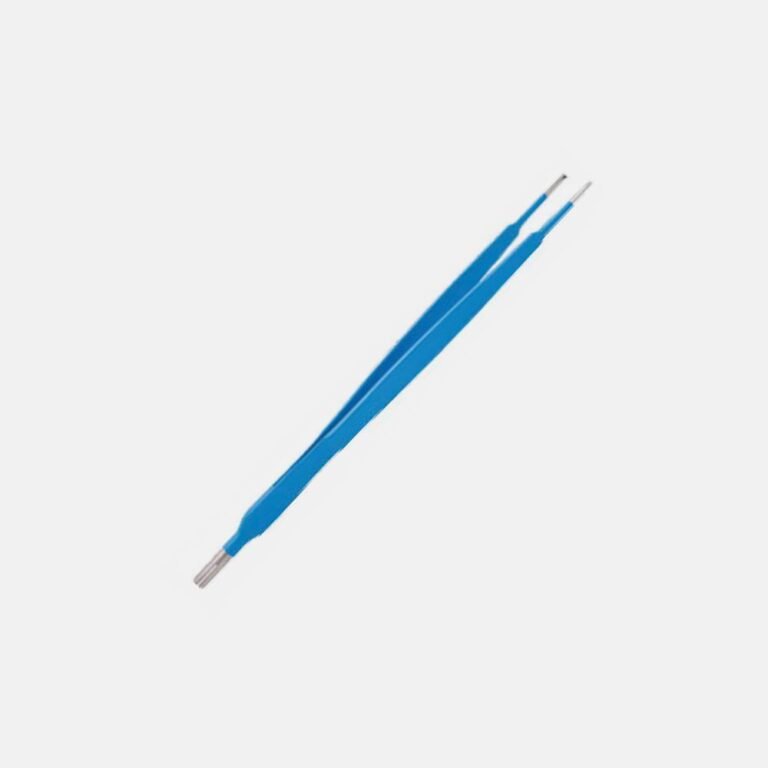
Gerald Forceps, 1×2 Teeth – Microsurgical Dissection
In stock
Original price was: $ 41.$ 36Current price is: $ 36.
SKU:
NJM-1338
-10%
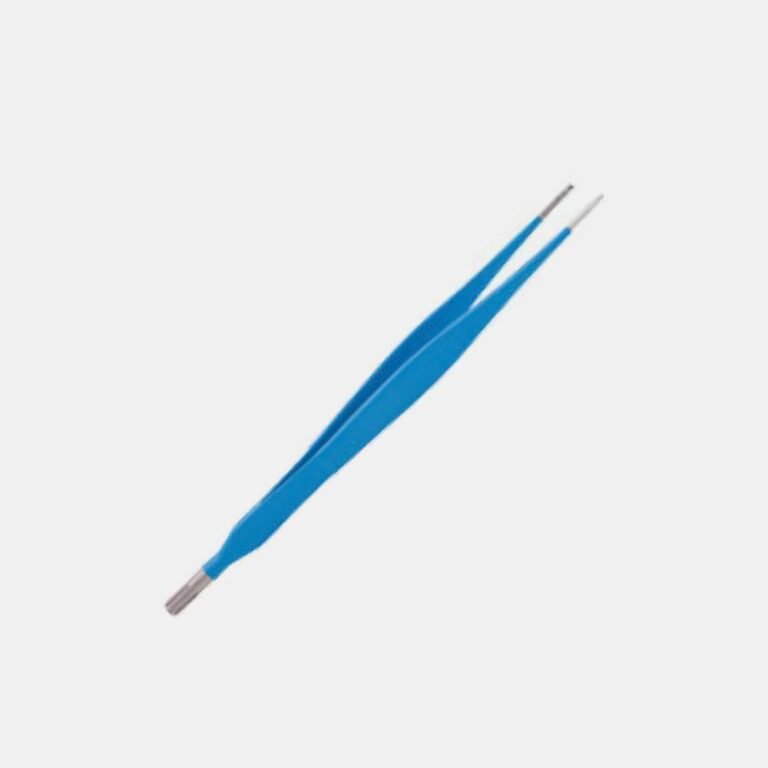
Gillies Forceps – Microsurgical Tissue Handling
In stock
Original price was: $ 41.$ 37Current price is: $ 37.
SKU:
NJM-1337
-10%
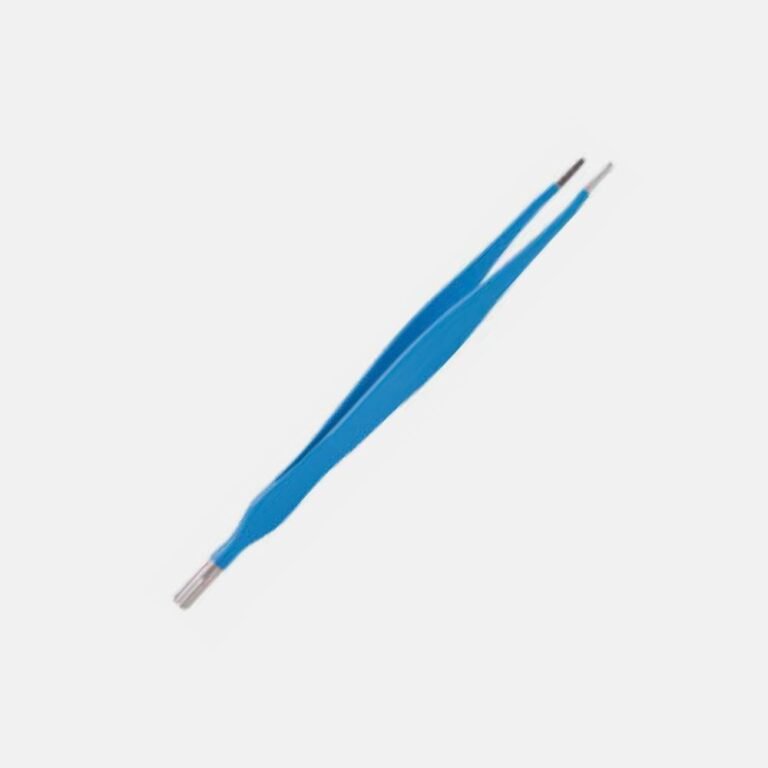
McIndoe Vaginal Retractor – Long Pattern
In stock
Original price was: $ 41.$ 37Current price is: $ 37.
SKU:
NJM-1335
-22%
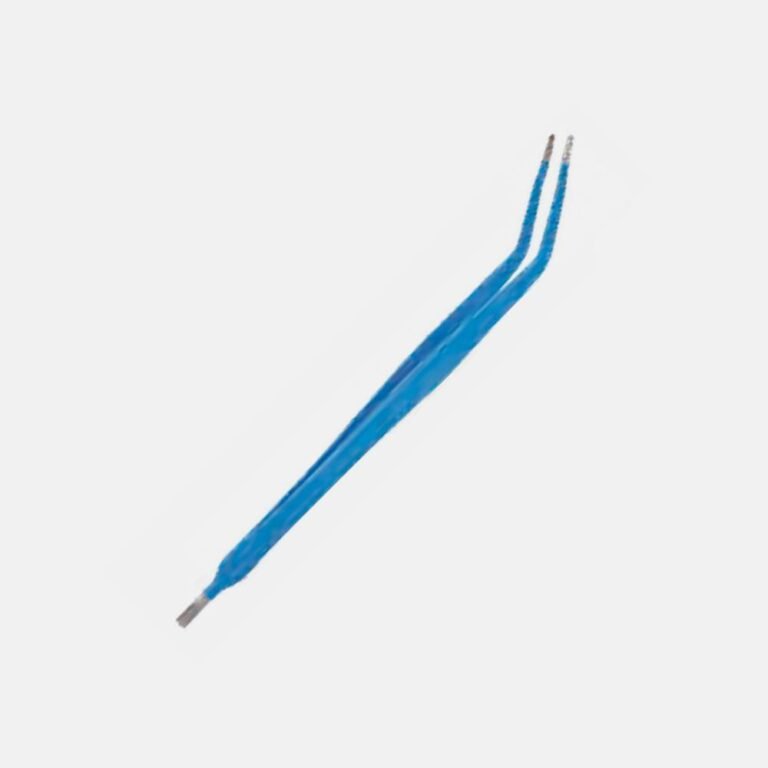
Remington Hob – Bone Shaping and Contouring
In stock
Original price was: $ 41.$ 32Current price is: $ 32.
SKU:
NJM-1327
Diathermy Instruments: Pencils, Forceps & Insulated Handpieces
Diathermy is the surgical use of high-frequency current to cut tissue and stop bleeding, and diathermy instruments are the handpieces that deliver it. The name comes from the physics — current passing through tissue generates heat within the tissue itself rather than in the instrument, which is why a diathermy pencil is not hot to the touch but coagulates on contact. That distinction has a practical consequence: the effect depends on current density at the tip, so a fine tip concentrates energy and cuts, while a broad or blunt tip spreads it and coagulates. NJ Medical Instruments manufactures the range in surgical-grade stainless steel with insulated shafts, supplied worldwide direct from the factory for individual purchase and for bulk, wholesale, and OEM/private-label supply.Cutting and coagulation modes
The generator produces different waveforms for different effects. Cutting uses a continuous waveform that vaporises cells along a narrow line with minimal lateral heat. Coagulation uses an interrupted waveform that heats tissue more slowly, denaturing protein and sealing vessels rather than dividing them. Blend settings sit between the two, cutting while providing some haemostasis — useful in vascular tissue where a pure cut would bleed.Why insulation matters
An insulated shaft confines the current to the working tip. If the insulation is damaged — a crack or a worn patch anywhere along the shaft — current can escape at that point and burn tissue the surgeon cannot see, which is a recognised cause of unintended injury in both open and laparoscopic surgery. Insulated diathermy instruments should therefore be inspected along their full length before each use, not just at the tip.Which diathermy instrument do you need?
| Instrument | System | Used for |
|---|---|---|
| Diathermy pencil | Monopolar | Cutting & coagulating with hand control |
| Diathermy forceps | Mono or bipolar | Grasping & coagulating a vessel |
| Insulated dressing forceps | Monopolar | Touch coagulation via forceps |
| Fine / needle tip | Monopolar | Precise cutting, high current density |
| Blade / broad tip | Monopolar | Broader coagulation |
| Patient return plate | Monopolar | Safe current return path |
Explore related electrosurgical instruments
- Electrodes (2.4 mm) & Electrodes (4.0 mm)
- European Bipolar Forceps & Bipolar Artery Sealer
- Monopolar Cables & Patient Return Plates
- All Electrosurgical Instruments