


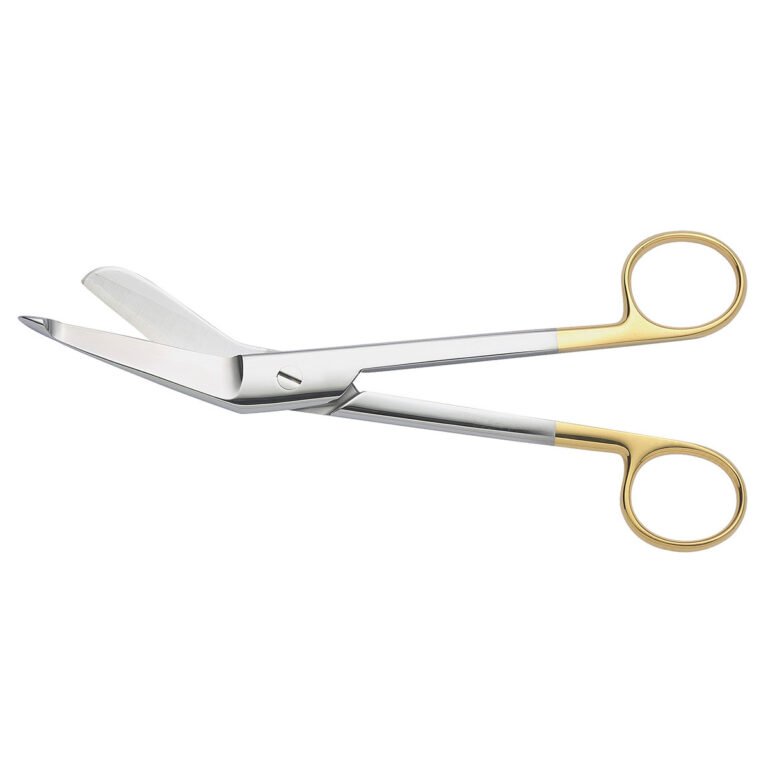
Lister Bandage Scissors – Angled, Blunt Tip, TC Inserts
In stock
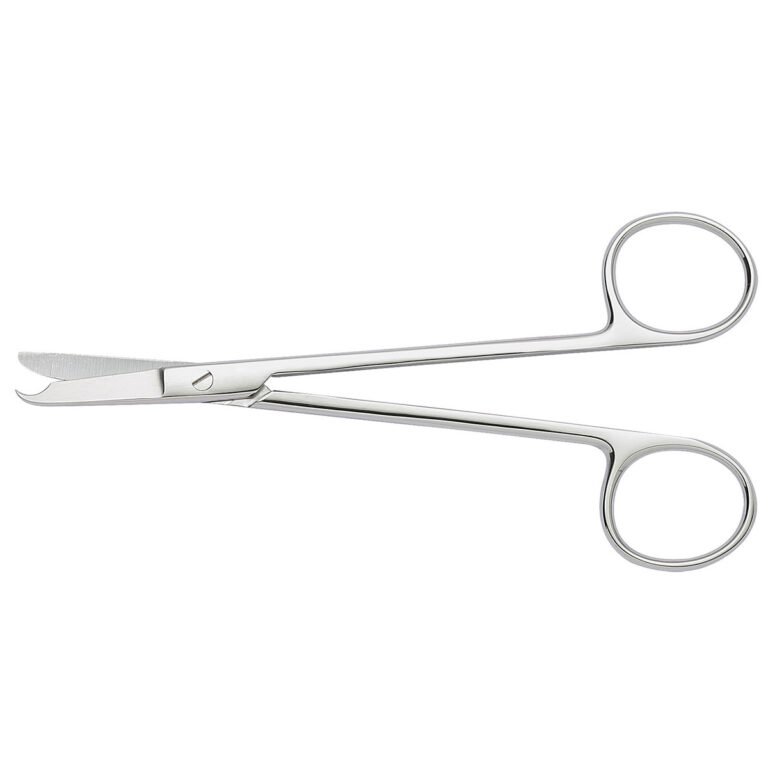
Littauer Stitch Scissors – Suture-Lifting Tip
In stock
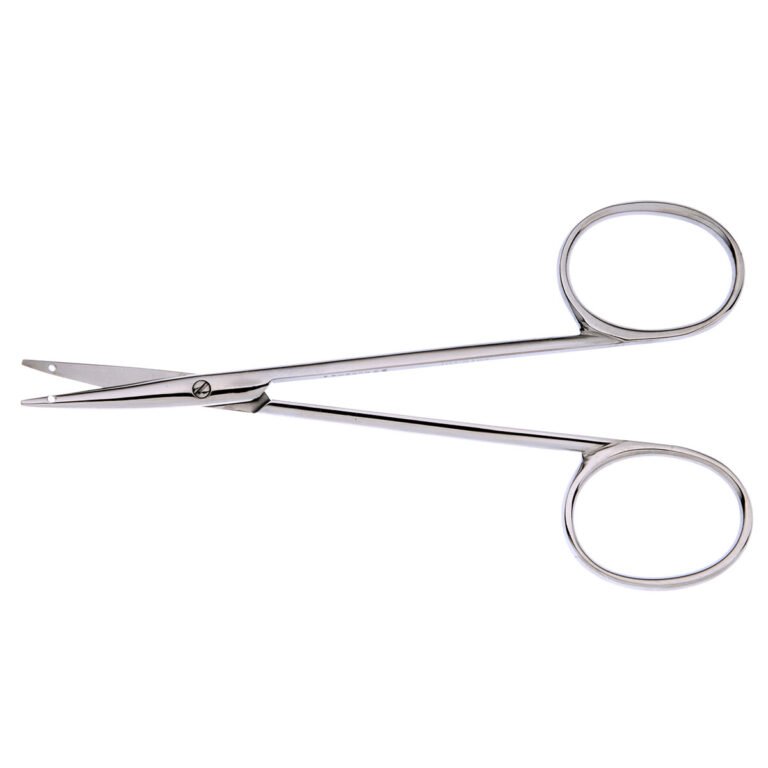
Littler Suture Carrying Scissors – Curved, Rounded Blades
In stock
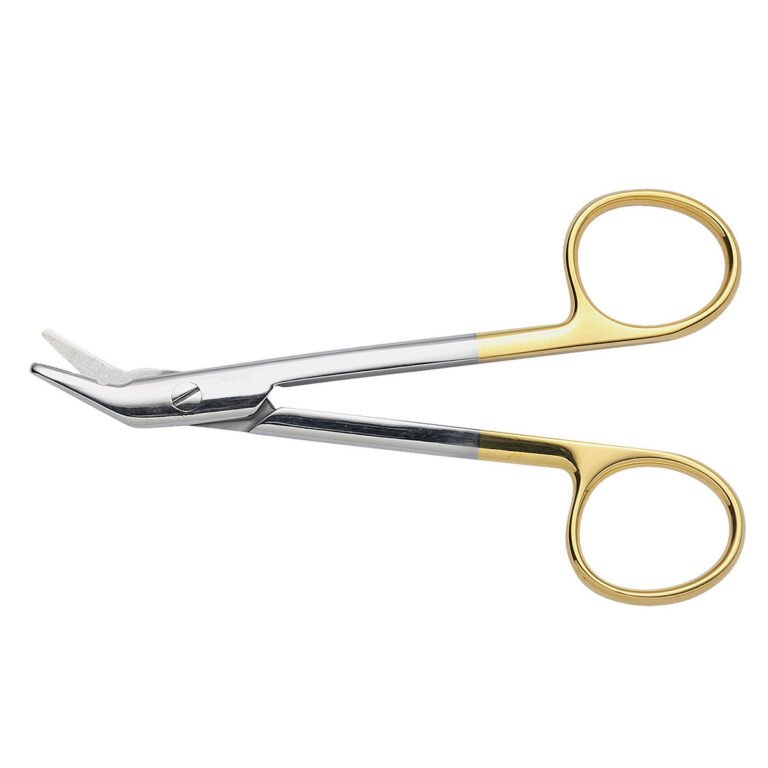
Universal Wire Cutting Scissors – TC Inserts, Soft 1.2 mm / Hard 0.8 mm
In stock
Suture Scissors: The Pair That Protects Every Other Pair
A dedicated suture scissors exists for one reason — so that nobody cuts suture with the dissecting scissors. Suture material is harder than tissue, and a single pass through a monofilament is enough to notch a fine edge. Metzenbaum, vascular, and tenotomy scissors are all expensive instruments honed for tissue, and all of them are ruined the same way: someone needed to cut a thread, the nearest pair was in reach, and the damage was done in one second. Putting a purpose-made suture pair on the tray costs very little and prevents exactly that. NJ Medical Instruments manufactures the range in surgical-grade stainless steel, supplied worldwide direct from the factory for individual purchase and for bulk, wholesale, and OEM/private-label supply.
What makes a suture scissors different
The edges are ground for durability rather than fineness. A tissue scissors is honed to slice something soft and yielding; a suture scissors needs to divide a material that resists and springs. So the blades are heavier in section, the edge angle is less acute, and the instrument tolerates repeated cutting of nylon, polypropylene, silk, and braided material without deteriorating.
Many patterns carry a notch or hook near the tip, which catches the suture and holds it while the blades close — a genuinely useful feature when cutting a fine monofilament that would otherwise slide forward along the blade instead of being cut.
Suture removal scissors
A stitch or suture removal scissors has a distinctive hooked lower blade that slides under a suture lying against the skin. The hook lifts the thread away from the surface so the upper blade can cut it without pressing into healing tissue. That is why an ordinary scissors is awkward for removal — it has no way to get beneath the stitch without lifting the skin with it.
Suture-carrying instruments
Suture-carrying forceps and ligature passers are a related group. They carry a ligature around or behind a structure so it can be tied where fingers cannot reach — typically a vessel deep in a cavity. The right-angled tip is what allows the thread to be passed and retrieved on the far side.
Which instrument do you need?
| Instrument | Feature | Used for |
|---|---|---|
| Suture scissors, straight | Heavier edge, durable grind | General suture cutting |
| Suture scissors with notch | Catches the thread | Fine monofilament that slides |
| Stitch removal scissors | Hooked lower blade | Lifting and cutting sutures on skin |
| Ligature passer | Right-angled tip | Carrying a tie behind a vessel |
| Suture-carrying forceps | Grooved or eyed tip | Passing thread in a deep field |
| Tungsten carbide | TC inserts, gold rings | Longest life under heavy use |
Explore related instruments
- All Surgical Scissors and Operating Scissors
- Dissecting Scissors — keep these away from suture
- Needle Holders
- Artery Forceps & Ligature Clamps
All manufactured in surgical-grade stainless steel to international standards, reusable and autoclavable, with worldwide shipping.
Bulk, wholesale & OEM supply
As a direct manufacturer, NJ Medical Instruments supplies suture and stitch removal scissors in bulk and wholesale quantities to hospitals, clinics, and distributors. Because every tray needs at least one dedicated pair, these are commonly ordered in depth. OEM and private-label production with custom laser marking is available. Contact us by email at info@njmedicalinstruments.com or by WhatsApp for volume pricing — no minimum-order barriers, no middlemen.
Frequently asked questions
Why is a dedicated suture scissors necessary?
Because suture is harder than tissue, and a single cut can notch the fine edge of a Metzenbaum, vascular, or tenotomy pair. A dedicated suture scissors on the tray removes the temptation to use whatever is nearest.
How does a suture scissors differ from a tissue scissors?
The edges are ground for durability rather than fineness. Heavier blade section and a less acute edge angle let it divide nylon, polypropylene, silk, and braided material repeatedly without deteriorating.
What is the notch near the tip for?
It catches and holds the suture while the blades close. Fine monofilament otherwise tends to slide forward along the blade rather than being cut.
What is a stitch removal scissors?
It has a hooked lower blade that slides under a suture lying against the skin, lifting the thread clear so the upper blade can cut it without pressing into healing tissue.
What is a ligature passer used for?
It carries a tie around or behind a structure so a ligature can be placed where fingers cannot reach, typically a vessel deep in a cavity. The right-angled tip allows the thread to be passed and retrieved on the far side.
Do you supply suture scissors in bulk or for OEM / private label?
Yes. As a direct manufacturer we supply suture and stitch removal scissors in bulk and wholesale quantities and offer OEM / private-label production. Contact us by email or WhatsApp for volume pricing.