


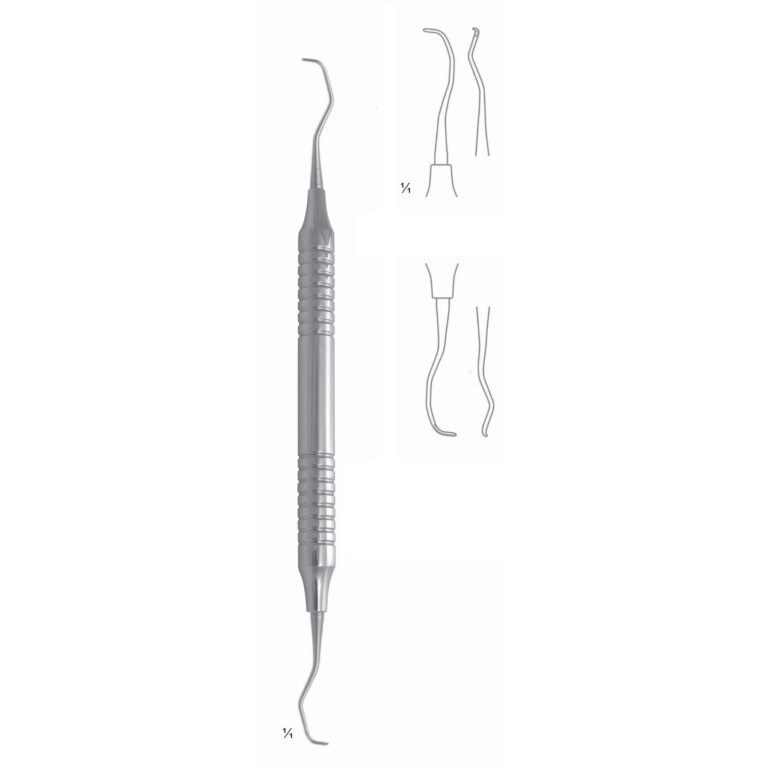
Big Gracey Scalers 17.5cm Hollow Handle | NJ Medical Instruments
In stock
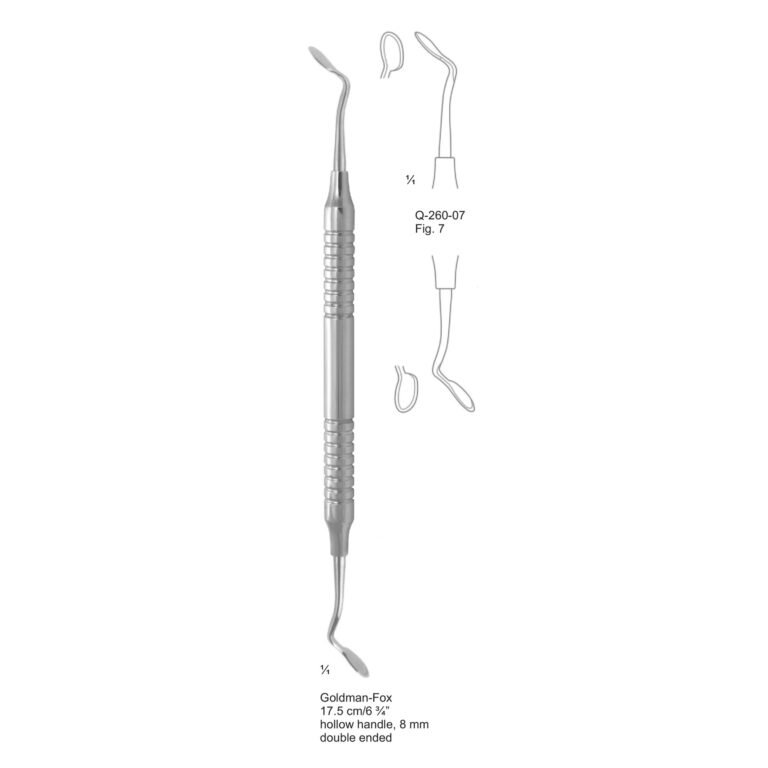
Goldman-Fox Scalers 17.5cm | NJ Medical Instruments
In stock
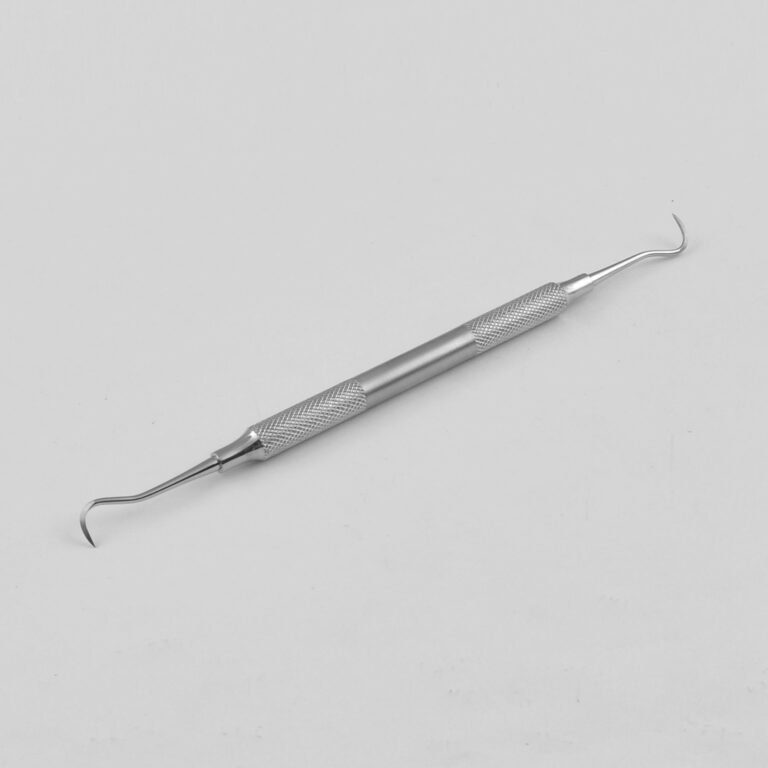
Hygienist Sickle Scalers | NJ Medical Instruments
In stock
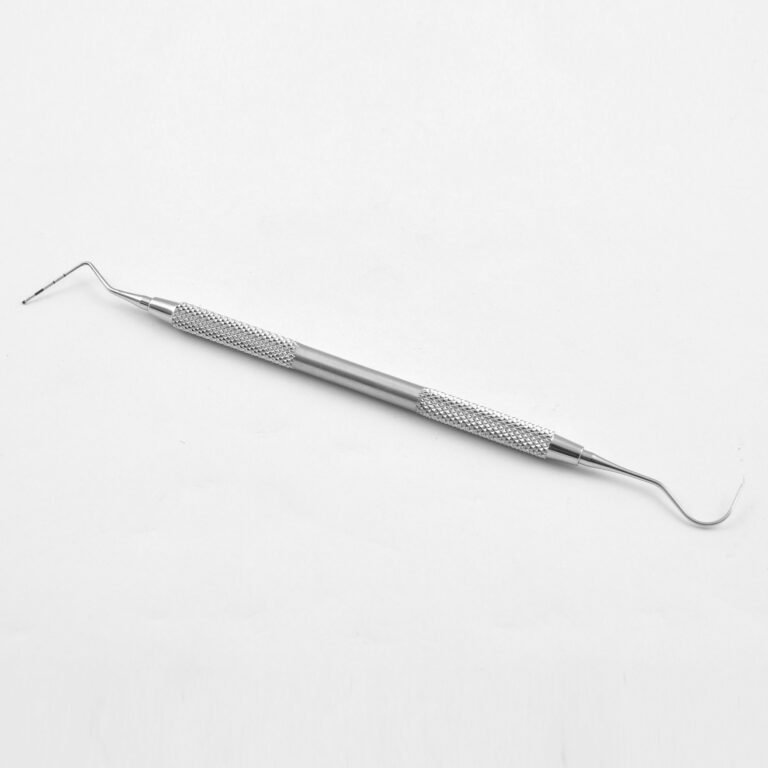
Scalers Root Instrument 16.5cm | NJ Medical Instruments
In stock
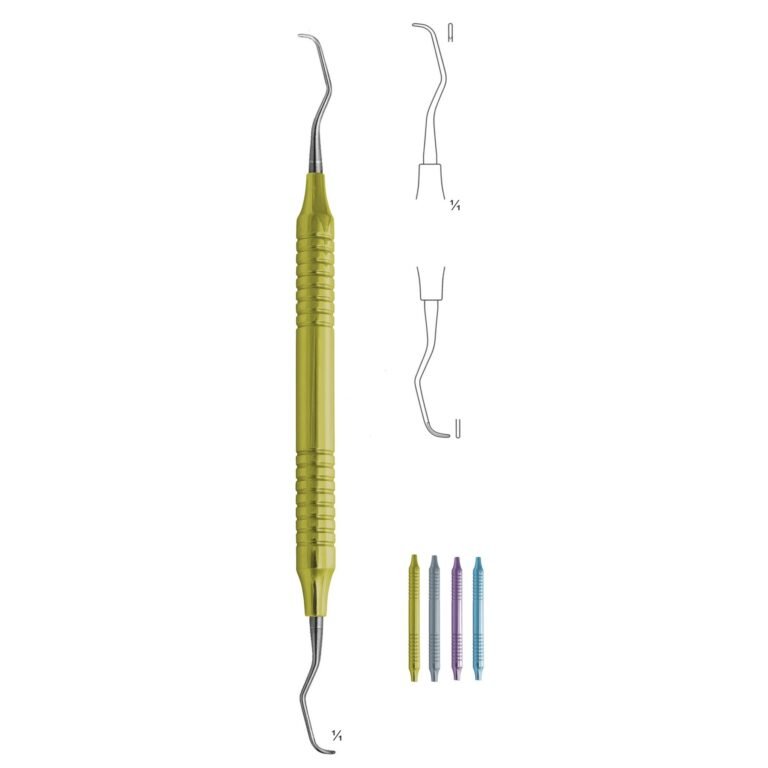
Scalers Ti 17.5cm Handle Titanium | NJ Medical Instruments
In stock
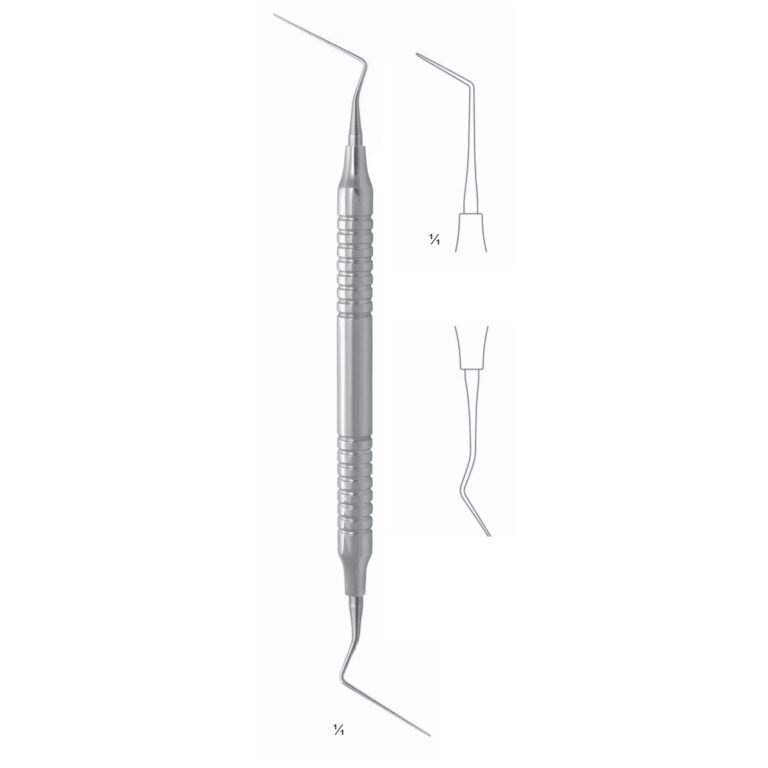
Stewart Scalers 17.5cm | NJ Medical Instruments
In stock
Mouth Mirrors, Scalers, Explorers & Probes: The Dental Examination Set
These are the instruments a dentist picks up before anything else — the set that establishes what is actually going on before any treatment decision is made. Three of the four are diagnostic rather than therapeutic: the mirror provides vision, the explorer provides touch, and the periodontal probe provides measurement. The scaler is the one that treats. Together they answer the questions that determine everything that follows — is there caries, are the restorations sound, how deep are the pockets, and how much calculus is present. NJ Medical Instruments manufactures the full range in surgical-grade stainless steel, supplied worldwide direct from the factory for individual purchase and for bulk, wholesale, and OEM/private-label supply.
Mouth mirrors: more than reflection
A mouth mirror does three jobs at once. It gives indirect vision of surfaces that cannot be seen directly — the lingual of upper teeth, distal surfaces. It provides retraction, holding cheek or tongue clear. And it supplies illumination by reflecting operatory light into the area being examined. Front-surface mirrors have the reflective coating on the front of the glass rather than behind it, which removes the faint double image a rear-surface mirror produces — a real difference when reading a fine margin or a hairline crack.
Explorers detect by feel
An explorer has a fine sharp tip used to detect what the eye cannot see: a catch in enamel indicating caries, a defective restoration margin, or subgingival calculus. It works entirely by tactile feedback — the operator is feeling for resistance, not looking. The sickle (No. 23) pattern reaches interproximal surfaces; the No. 17 pattern addresses posterior teeth.
Probes measure
A periodontal probe is graduated in millimetres and used to measure pocket depth around each tooth. Those measurements are the basis of periodontal diagnosis and of tracking whether treatment is working, so marking clarity matters — a probe whose graduations have worn faint produces unreliable readings, and the readings are compared visit to visit.
Scalers remove calculus
Sickle scalers have a pointed tip and triangular cross-section for supragingival calculus. Curettes such as Gracey and universal patterns have rounded toes and backs so they can work subgingivally without lacerating the pocket lining. Gracey curettes are area-specific, each number designed for particular tooth surfaces.
The examination set
| Instrument | Function | Key detail |
|---|---|---|
| Mouth mirror, front surface | Vision, retraction, light | No double image |
| Mouth mirror, rear surface | Vision and retraction | More durable coating |
| Explorer No. 23 (sickle) | Detecting caries by feel | Interproximal reach |
| Explorer No. 17 | Detecting caries by feel | Posterior access |
| Periodontal probe | Measuring pocket depth | Clear millimetre markings |
| Sickle scaler | Removing calculus | Supragingival, pointed tip |
| Gracey curette | Removing calculus | Subgingival, area specific |
| Universal curette | Removing calculus | Subgingival, all surfaces |
Explore related dental instruments
- All Dental Instruments
- Extracting Forceps and Dental Elevators
- Amalgam Pluggers, Condensers & Burnishers
- Orthodontic Pliers
All manufactured in surgical-grade stainless steel to international standards, reusable and autoclavable, with worldwide shipping.
Bulk, wholesale & OEM supply
As a direct manufacturer, NJ Medical Instruments supplies dental examination instruments in bulk and wholesale quantities to dental clinics, hospitals, dental schools, and distributors. Because these are used at every appointment and turn over faster than any other dental instruments, they are commonly ordered in depth. OEM and private-label production with custom laser marking is available. Contact us by email at info@njmedicalinstruments.com or by WhatsApp for volume pricing — no minimum-order barriers, no middlemen.
Frequently asked questions
What is a front surface mouth mirror?
A front surface mirror has the reflective coating on the front of the glass rather than behind it, which eliminates the faint double image a rear-surface mirror produces. The difference is noticeable when reading a fine restoration margin or a hairline crack.
What is a dental explorer used for?
An explorer detects by touch what cannot be seen — a catch in enamel indicating caries, a defective restoration margin, or subgingival calculus. It relies on tactile feedback rather than vision.
What is the difference between an explorer and a periodontal probe?
An explorer has a fine sharp tip for detecting surface defects by feel. A periodontal probe is blunt and graduated in millimetres, used to measure pocket depth. They answer different questions and are not interchangeable.
What is the difference between a sickle scaler and a curette?
A sickle scaler has a pointed tip and triangular cross-section, used supragingivally. A curette has a rounded toe and back so it can work below the gum line without lacerating the pocket lining.
What are Gracey curettes and why are they numbered?
Gracey curettes are area-specific, each number designed for particular tooth surfaces, with the blade angled to adapt correctly to that area. Universal curettes, by contrast, are designed to work on all surfaces.
Do you supply dental examination instruments in bulk or for OEM / private label?
Yes. As a direct manufacturer we supply mirrors, explorers, probes, and scalers in bulk and wholesale quantities and offer OEM / private-label production with custom laser marking. Contact us by email or WhatsApp for volume pricing.