


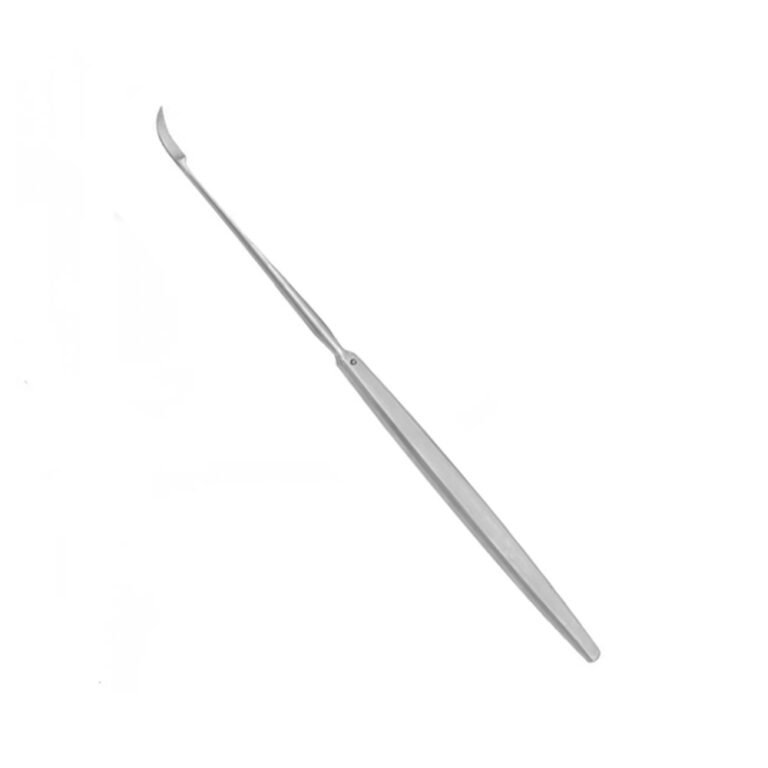
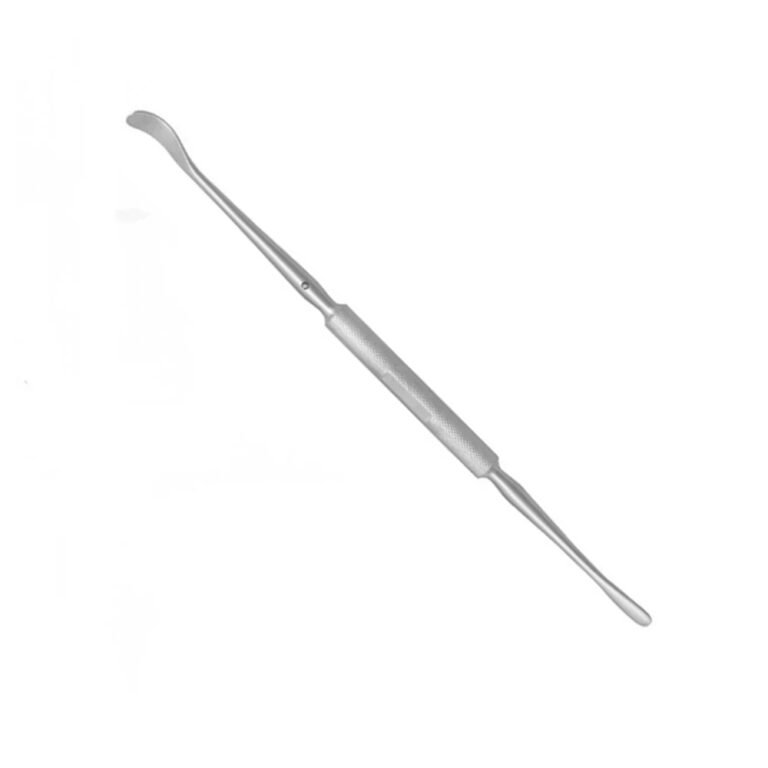
Carpenter Tonsil Dissector | NJ Medical Instruments
In stock
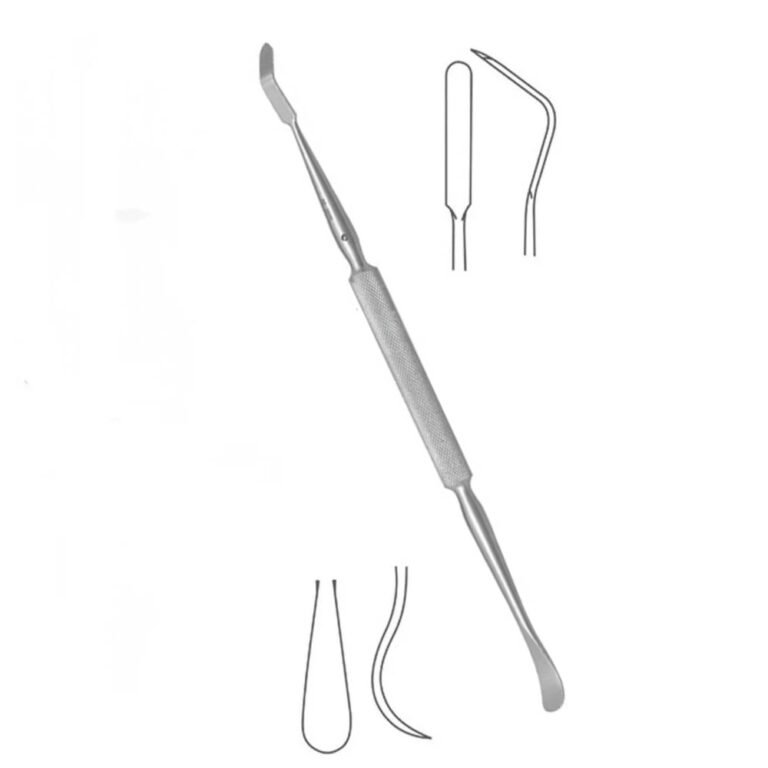
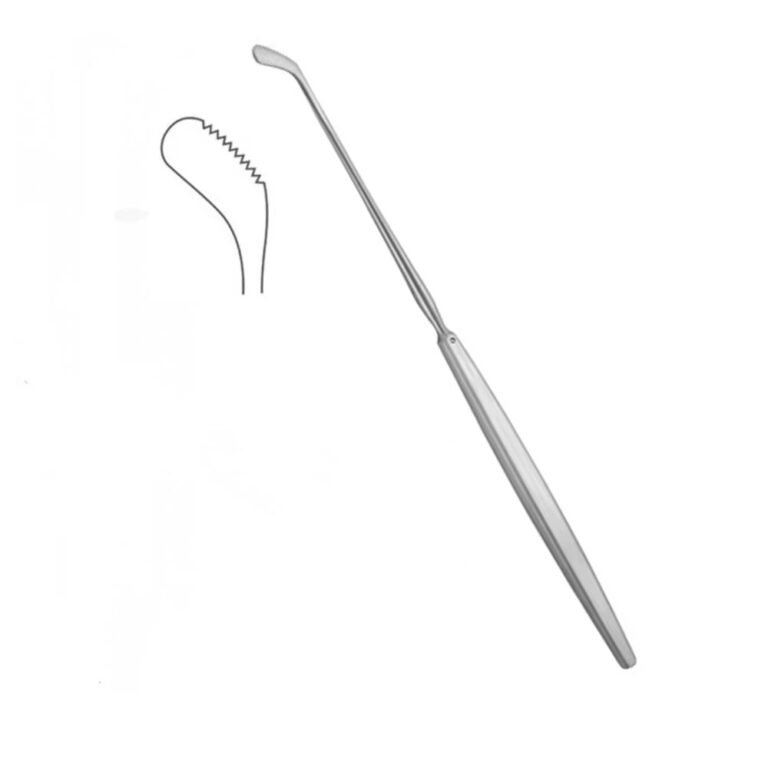
Fischer Tonsil Knife | NJ Medical Instruments
In stock
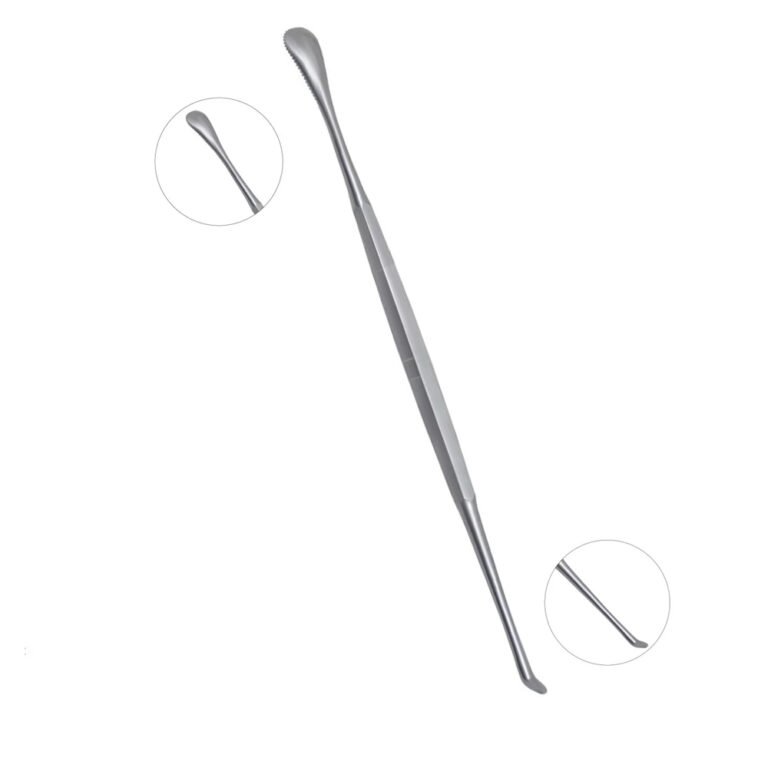
Henke Dissector Double Ended | NJ Medical Instruments
In stock
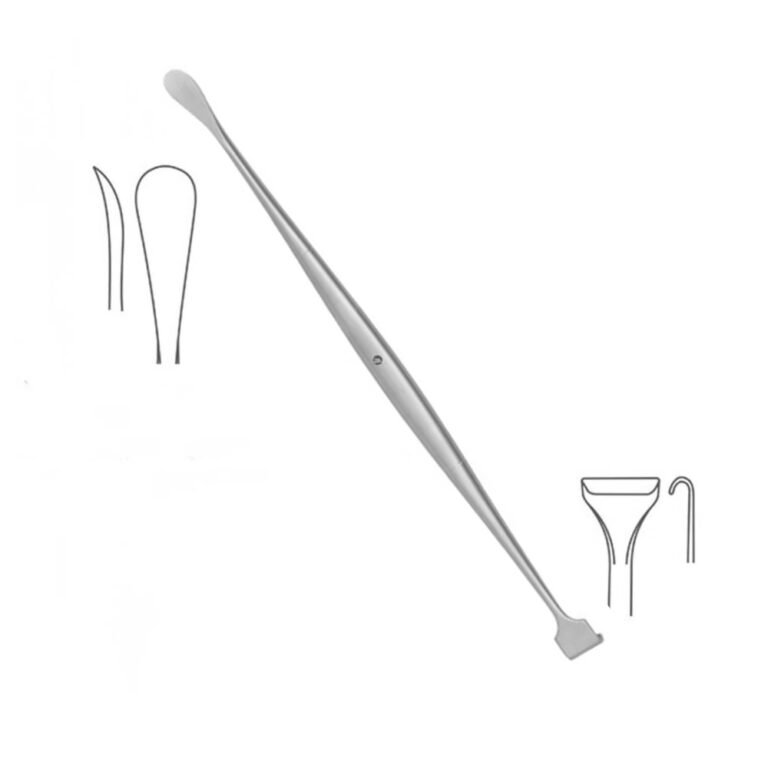
Hurd Tonsil Dissector | NJ Medical Instruments
In stock
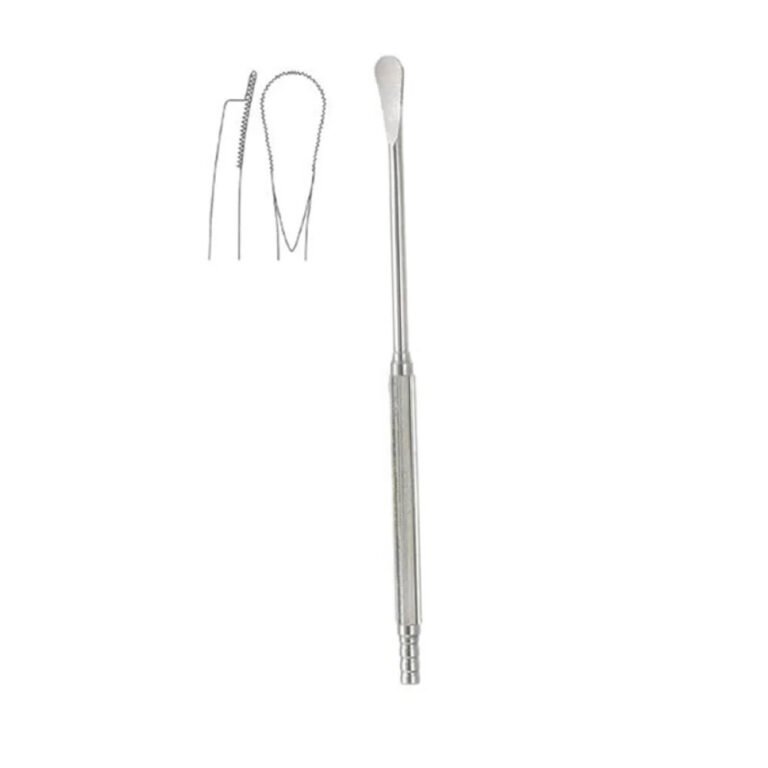
Lopez Reinke Tonsil Dissector With Suction | NJ Medical Instruments
In stock
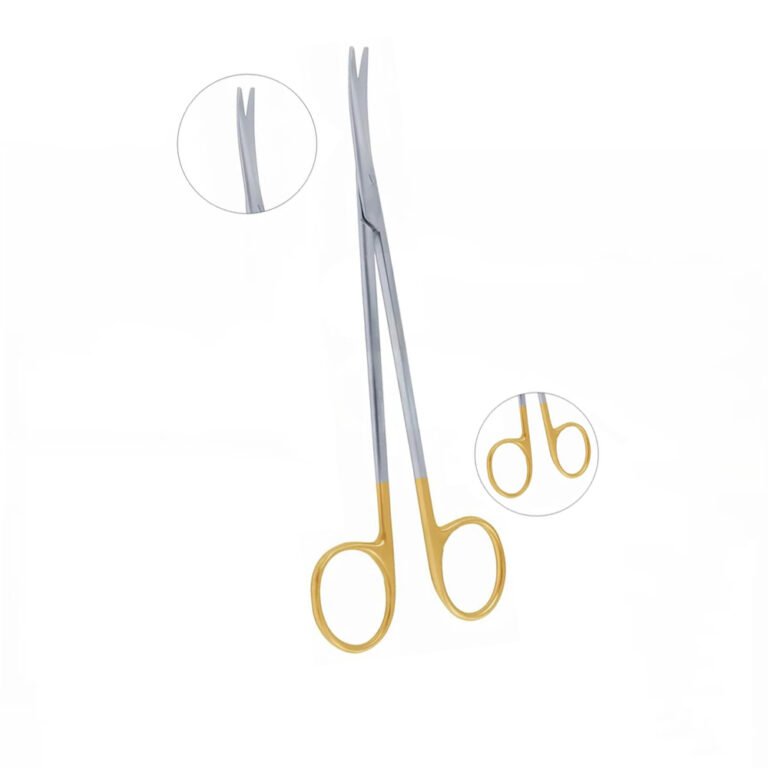
Toennis Adson Tonsil Scissor | NJ Medical Instruments
In stock
Tonsil Knives & Dissectors: Finding and Following the Capsule
Tonsillectomy is a dissection along a plane, and these instruments exist to find that plane and stay in it. The tonsil sits within a fibrous capsule, and between that capsule and the muscle bed beneath lies a layer of loose tissue — the plane the surgeon works in. Staying in it means the tonsil comes out whole and the bed bleeds minimally. Straying out of it, into the muscle, causes bleeding and pain that the patient feels for days afterward. So the instrument set is built around one job: define the capsule at the start, then follow it to the pedicle. NJ Medical Instruments manufactures the full range in surgical-grade stainless steel, supplied worldwide direct from the factory for individual purchase and for bulk, wholesale, and OEM/private-label supply.
Knives define the plane
A tonsil knife makes the initial incision through the mucosa of the anterior pillar to expose the capsule. This first cut sets up everything that follows — too superficial and the capsule is never reached, too deep and the dissection starts in the wrong layer. Fisher and similar patterns are angled and long-shanked so the working end reaches the tonsillar fossa while the handle stays out of the sightline through the mouth gag.
Dissectors follow it
Once the capsule is exposed, a blunt dissector takes over. The blunt working end is deliberate: pushed into the loose tissue layer and swept along, it separates capsule from bed by finding the path of least resistance — which is precisely the plane the surgeon wants. A sharp instrument would cut its own path regardless of the anatomy, which is how dissection ends up in muscle. Some patterns combine a knife end and a dissector end on one instrument, reducing swaps in a field where every instrument change means repositioning through the gag.
Reaching the pedicle
At the inferior pole the tonsil remains attached by a pedicle carrying its blood supply. This is where a snare is often used — the wire loop is passed over the tonsil, tightened at the pedicle, and crushes as it severs, compressing the vessels at the same moment it divides them. That is why snare removal typically bleeds less than sharp division at the same point.
Which instrument for which stage?
| Instrument | Working end | Stage |
|---|---|---|
| Tonsil knife (Fisher type) | Angled cutting edge | Incising mucosa to expose capsule |
| Blunt tonsil dissector | Rounded blunt end | Separating capsule from muscle bed |
| Combined knife and dissector | Two ends in one | Fewer instrument changes |
| Pillar retractor | Blade end | Holding the anterior pillar aside |
| Tonsil snare | Tightening wire loop | Dividing the pedicle |
| Tonsil holding forceps | Fenestrated jaws | Traction throughout dissection |
Explore related ENT instruments
- Tonsil and Adenoid Forceps and Punches
- Mouth Gags and Suction Tubes
- ENT Diagnostic Instruments and ENT Instrument Sets
- Artery Forceps & Ligature Clamps
All manufactured in surgical-grade stainless steel to international standards, reusable and autoclavable, with worldwide shipping.
Bulk, wholesale & OEM supply
As a direct manufacturer, NJ Medical Instruments supplies tonsil knives, dissectors, and snares in bulk and wholesale quantities to hospitals, ENT departments, teaching institutions, and distributors, and assembles complete tonsillectomy sets. OEM and private-label production with custom laser marking is available. Contact us by email at info@njmedicalinstruments.com or by WhatsApp for volume pricing — no minimum-order barriers, no middlemen.
Frequently asked questions
What is a tonsil knife used for?
A tonsil knife makes the initial incision through the mucosa of the anterior pillar to expose the tonsillar capsule. That first cut establishes the plane the rest of the dissection follows.
Why are tonsil dissectors blunt?
A blunt end pushed into the loose tissue between capsule and muscle bed separates them by following the path of least resistance, which is exactly the correct plane. A sharp instrument would cut its own path regardless of the anatomy and risks entering muscle.
What is the tonsillar capsule and why does it matter?
It is the fibrous layer surrounding the tonsil. Dissecting immediately outside it removes the tonsil whole with minimal bleeding; straying into the muscle beneath causes more bleeding and more post-operative pain.
Why is a snare used at the pedicle?
The snare wire crushes as it severs, compressing the vessels in the pedicle at the same moment it divides them, so removal typically bleeds less than sharp division at that point.
Why are these instruments long and angled?
The tonsillar fossa is reached through a mouth gag, several centimetres from the lips. Long angled instruments put the working end at the tonsil while keeping the handle and the surgeon's hand clear of the line of sight.
Do you supply tonsil instruments in bulk or as complete sets?
Yes. We supply tonsil knives, dissectors, and snares in bulk and wholesale quantities, assemble complete tonsillectomy sets, and offer OEM or private-label production. Contact us by email or WhatsApp for volume pricing.