


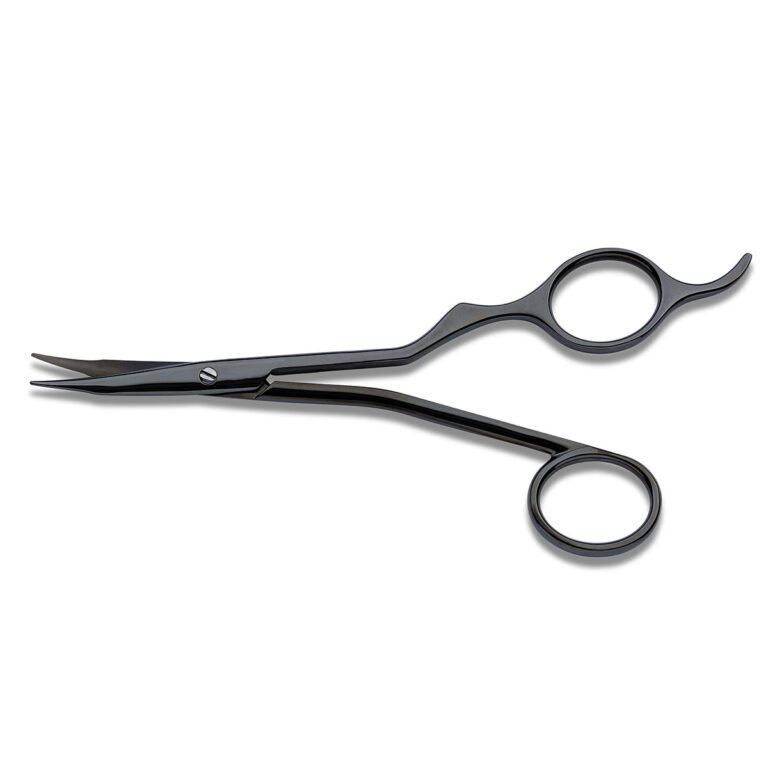
Ekberg Stevens Diamond Ergonomic Supercut Tenotomy Scissors | NJ Medical Instruments
In stock
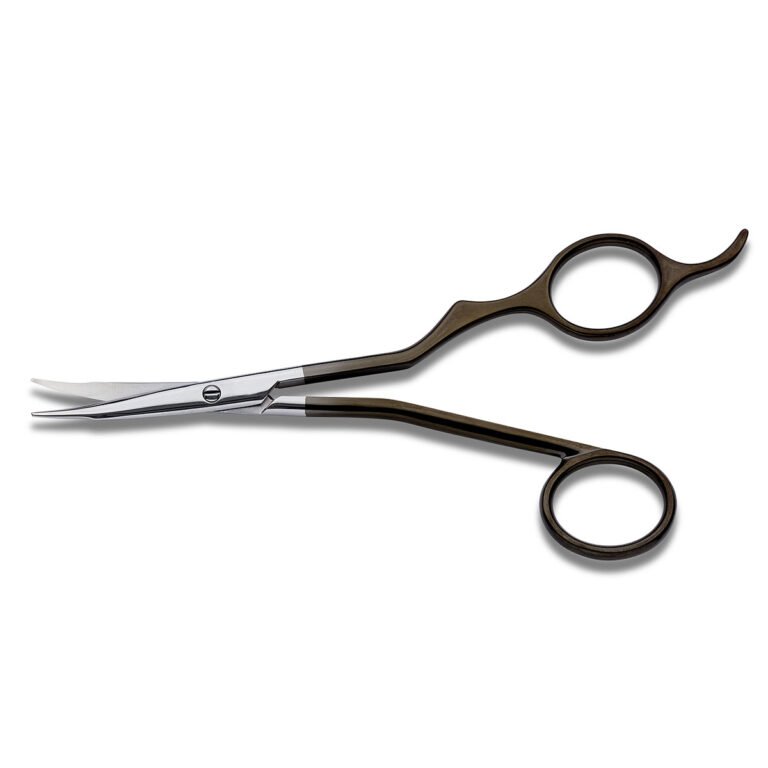
Ekberg Stevens Ergonomic Supercut Tenotomy Scissors | NJ Medical Instruments
In stock
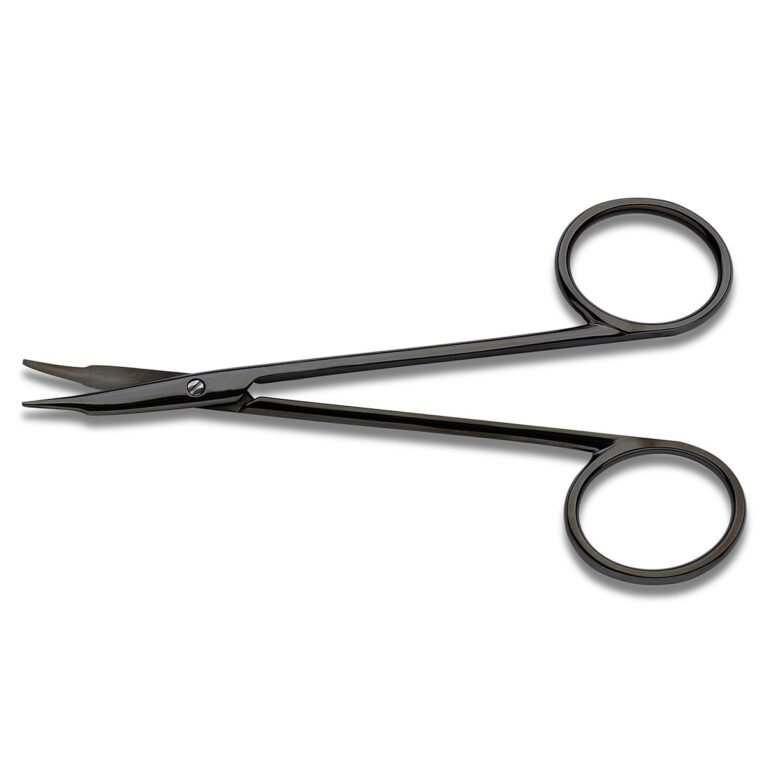
Stevens Diamond SuperCut Tenotomy Scissors – Curved Blades
In stock
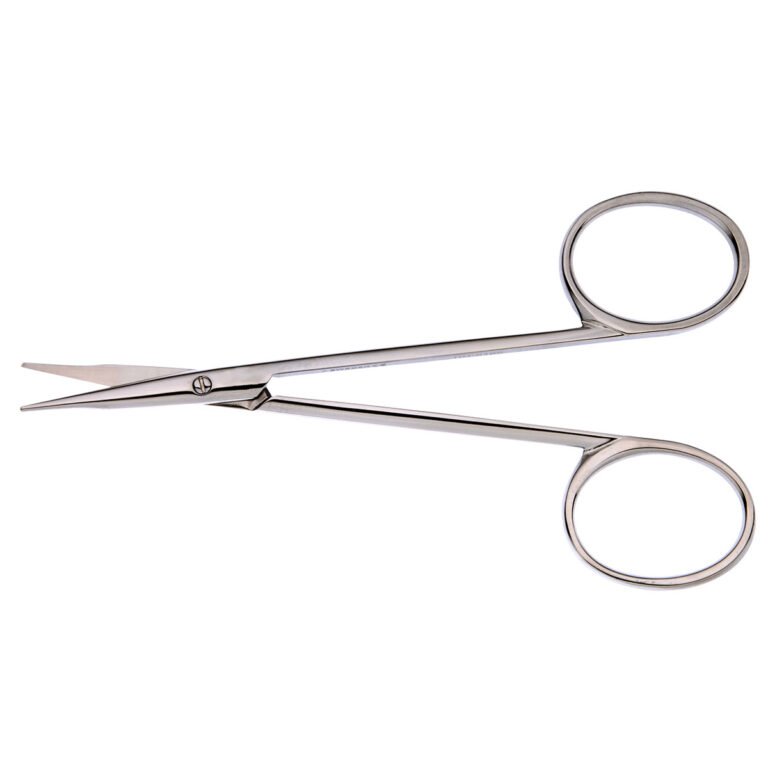
Stevens Tenotomy Scissors – Straight, Thin Blades, Tapered Tips
In stock
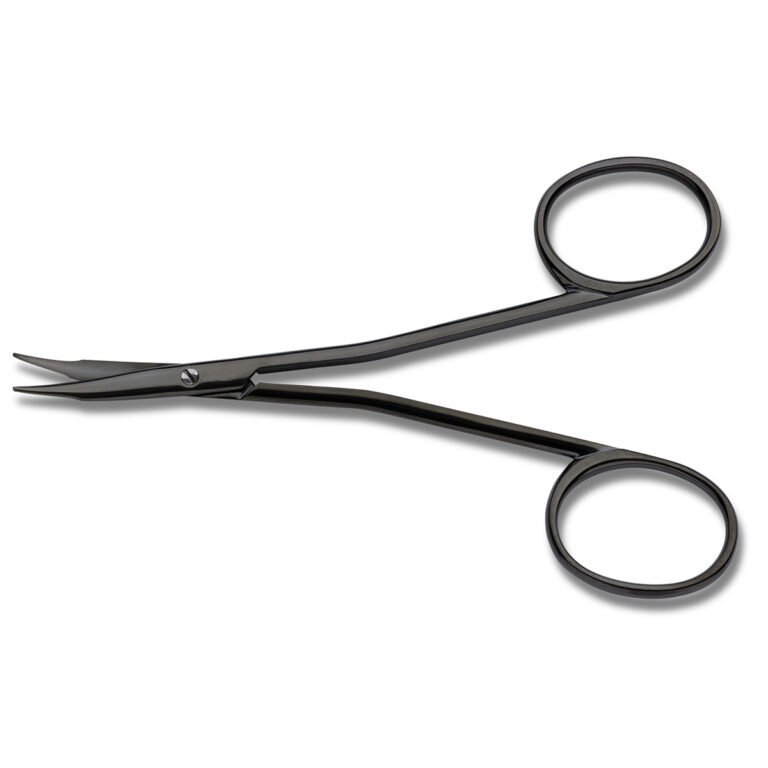
Stevens-Diamond Supercut Ergonomic Tenotomy Scissors
In stock
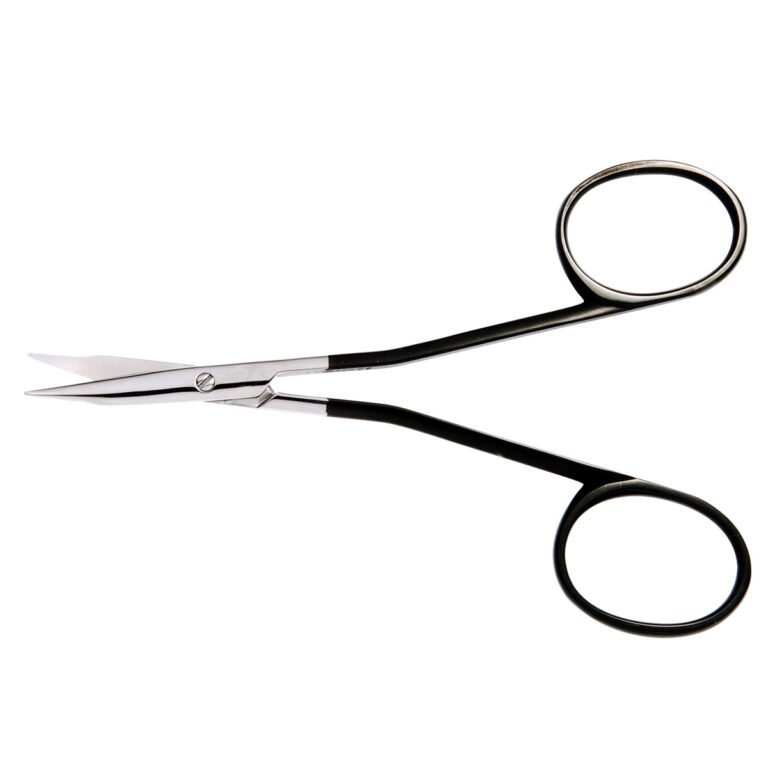
Stevens-Supercut Ergonomic Tenotomy Scissors | NJ Medical Instruments
In stock
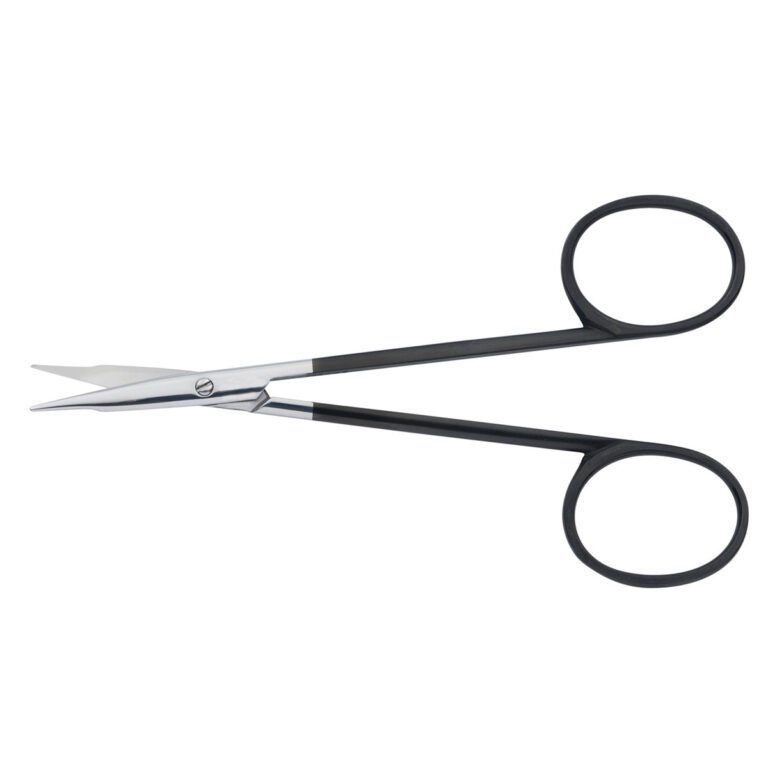
Stevens-Supercut Tenotomy Scissors | NJ Medical Instruments
In stock
Tenotomy Scissors: The Finest Scissors on the Tray
Tenotomy scissors are the smallest and finest scissors in general use, and their defining characteristic is the length of the blade relative to the handle. The blades are very short — often barely more than a centimetre — while the shanks and rings are full size. That ratio is deliberate: a long handle moving through a large arc produces only a small movement at the tip, so the surgeon's hand movement is effectively scaled down. Fine control does not come from a steady hand alone; it comes from an instrument that converts a coarse input into a fine output. Named for tenotomy, dividing a tendon, they are now used wherever tissue is too delicate or too small for anything larger. NJ Medical Instruments manufactures the full range in surgical-grade stainless steel, supplied worldwide direct from the factory for individual purchase and for bulk, wholesale, and OEM/private-label supply.
Where they are used
Ophthalmic and oculoplastic surgery uses them constantly — on extraocular muscle, conjunctiva, and eyelid tissue where a millimetre is a meaningful distance. Blepharoplasty uses them to trim skin and open the orbital septum. Microsurgery and hand surgery use them on tendon sheath and fine soft tissue. Plastic surgery reaches for them for the final refining cuts where a Metzenbaum is simply too big to be accurate.
Curved, straight, sharp, blunt
Curved blades let the surgeon see past the instrument to the tips, which matters when the working field is a few millimetres across. Straight blades give a direct line for precise division. Sharp tips cut into tissue and make entry incisions; blunt tips allow the closed scissors to be pushed into a plane and opened to spread, separating structures without perforating them. Many trays carry a curved sharp pair and a curved blunt pair, because the two do genuinely different jobs.
Why they fail early
Tenotomy scissors are the instrument most often damaged by misuse, and always the same way: being used on something too heavy for them. Cutting suture, dressing material, or fibrous tissue with a fine pair rolls or chips the edge immediately, and once the tips no longer meet precisely the instrument cannot do the only job it exists for. They should be kept for tissue only, stored with tip protectors, and separated from heavier instruments in the tray.
Which tenotomy scissors do you need?
| Pattern | Blade | Best for |
|---|---|---|
| Curved, sharp tips | Short curved blades | Precise cutting with tip visibility |
| Curved, blunt tips | Rounded points | Spreading planes without perforating |
| Straight, sharp tips | Short straight blades | Direct line division |
| Stevens pattern | Very fine, short blades | Ophthalmic and eyelid tissue |
| Westcott pattern | Spring handle, fine blades | Pencil grip for microsurgery |
| Tungsten carbide | TC inserts, gold rings | Longer edge life in frequent use |
Explore related instruments
- All Surgical Scissors and Eye Scissors
- Plastic Surgery Scissors including blepharoplasty patterns
- Needle Holders including Castroviejo
- Blepharoplasty Sets
All manufactured in surgical-grade stainless steel to international standards, reusable and autoclavable, with worldwide shipping.
Bulk, wholesale & OEM supply
As a direct manufacturer, NJ Medical Instruments supplies tenotomy scissors in bulk and wholesale quantities to hospitals, ophthalmic and aesthetic clinics, and distributors, and produces OEM / private-label scissors to custom specifications and laser marking. Contact us by email at info@njmedicalinstruments.com or by WhatsApp for volume pricing — no minimum-order barriers, no middlemen.
Frequently asked questions
What are tenotomy scissors used for?
They are the finest scissors in general use, for cutting and dissecting very delicate tissue — ophthalmic and eyelid work, tendon sheath, microsurgery, and the final refining cuts in plastic surgery where a larger pair cannot be accurate.
Why are the blades so short relative to the handles?
The ratio scales down hand movement. A long handle moving through a large arc produces only a small movement at the tip, so the instrument converts a coarse input into a fine output — which is where the control comes from.
When should blunt-tipped tenotomy scissors be used?
For separating tissue planes. The closed blunt tips are pushed into the plane and opened to spread it, which parts structures without perforating them. Sharp tips are used where an actual cut is needed.
Can tenotomy scissors be used to cut suture?
No. Cutting suture, dressings, or fibrous tissue with a fine pair rolls or chips the edge immediately, and once the tips no longer meet precisely the instrument cannot do the job it exists for. Keep a dedicated suture pair on the tray.
What is the difference between tenotomy and iris scissors?
Both are very fine. Tenotomy scissors are generally slightly longer in the shank with short blades for delicate dissection, while iris scissors are shorter overall and were designed specifically for ophthalmic use. In practice the terms are often used interchangeably.
Do you supply tenotomy scissors in bulk or for OEM / private label?
Yes. As a direct manufacturer we supply tenotomy scissors in bulk and wholesale quantities and offer OEM / private-label production to custom specifications. Contact us by email or WhatsApp for volume pricing.