


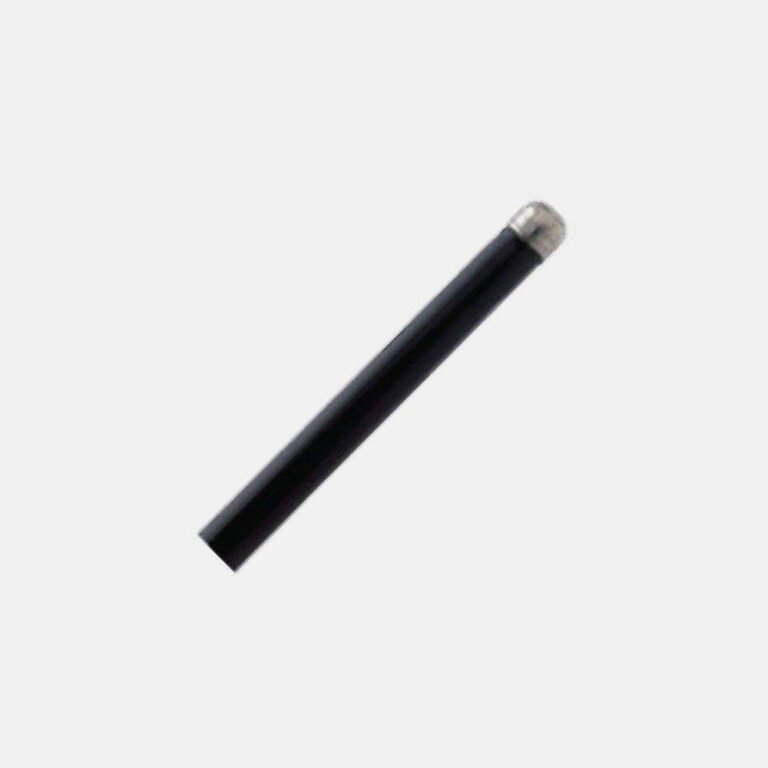
Ball-Hook Electrode (36cm) with Suction Laparoscopic Electrodes | NJ Medical Instruments
In stock
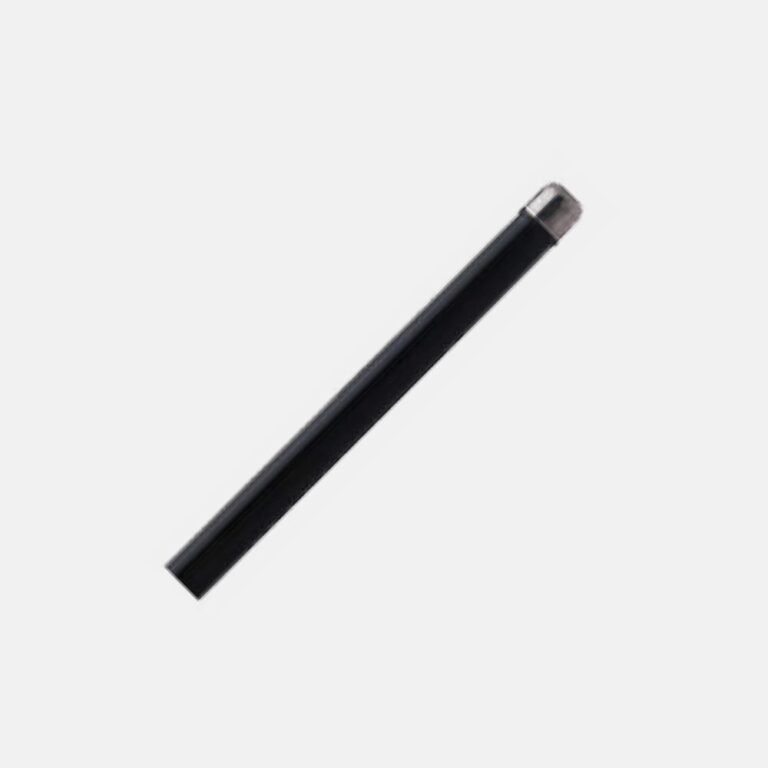
Ball-Hook Electrode (36cm) without Suction Laparoscopic Electrodes | NJ Medical Instruments
In stock
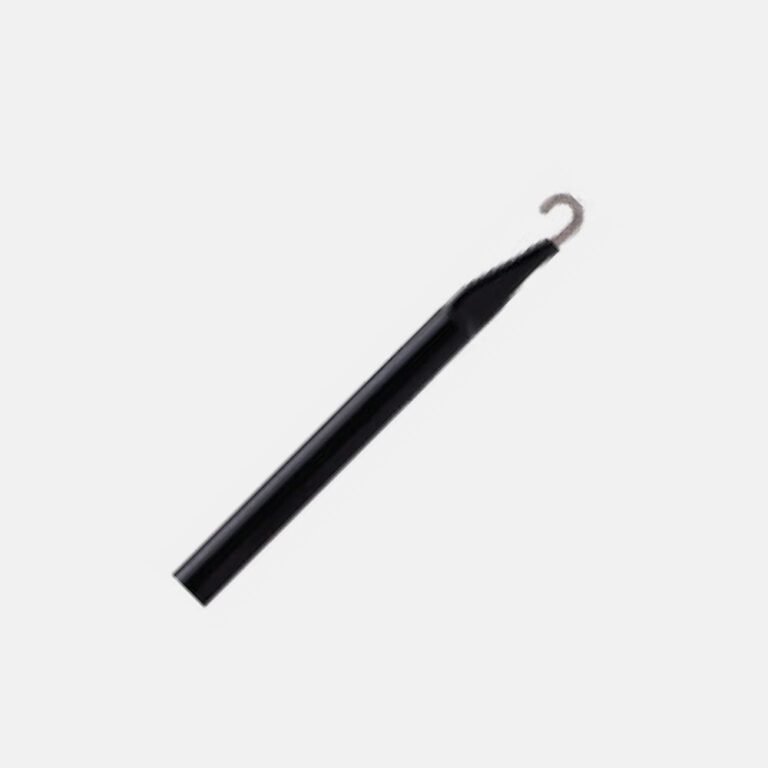
J-Hook Electrode (36cm) without Suction Laparoscopic Electrodes | NJ Medical Instruments
In stock
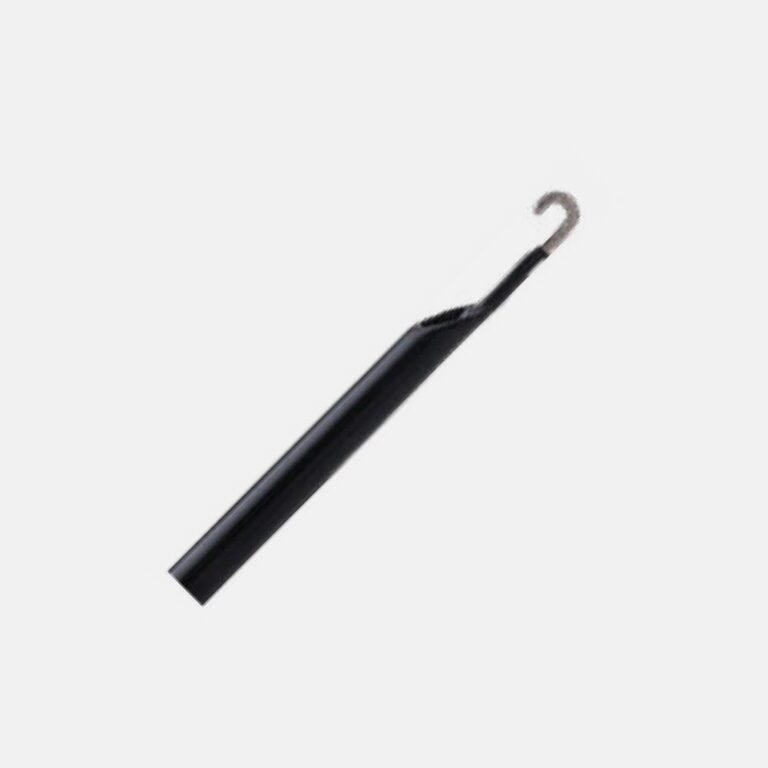
J-Hook Electrode (Irrigation) with Suction Laparoscopic Electrodes | NJ Medical Instruments
In stock
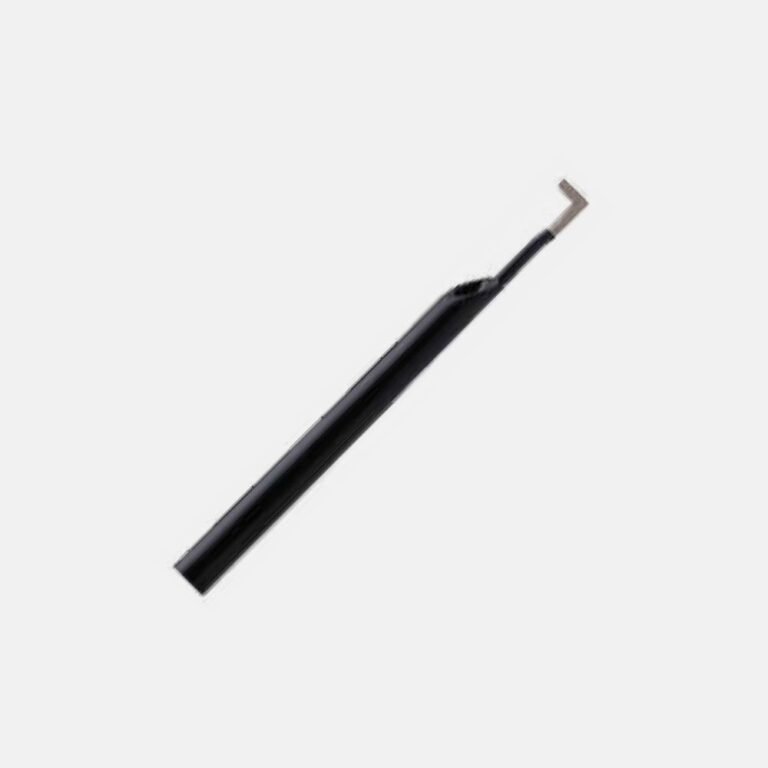
L-Hook Electrode (Irrigation) (36cm) with Suction Laparoscopic Electrodes | NJ Medical Instruments
In stock
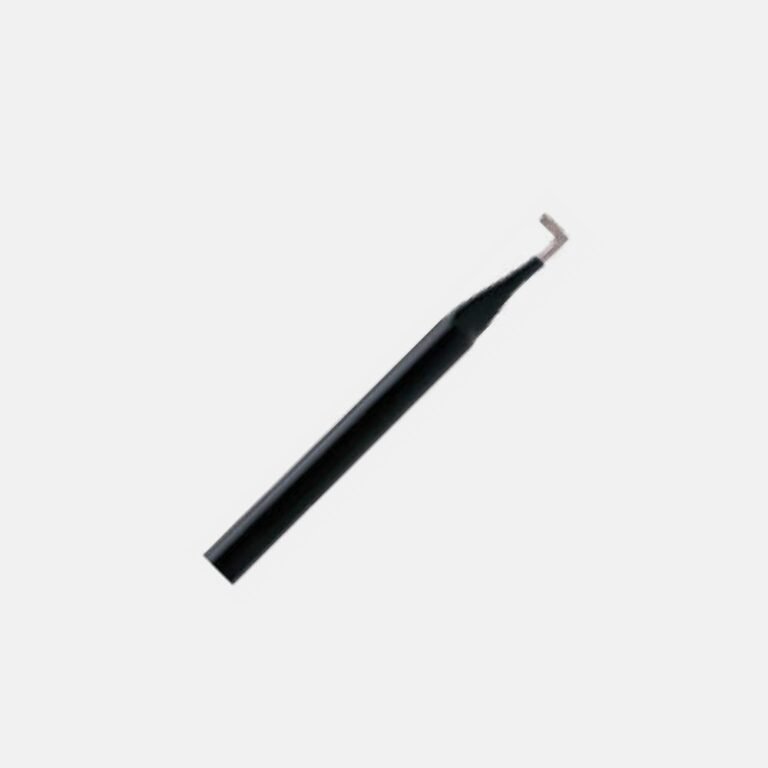
L-Hook Electrode, 36 cm, without Suction (Laparoscopic)
In stock
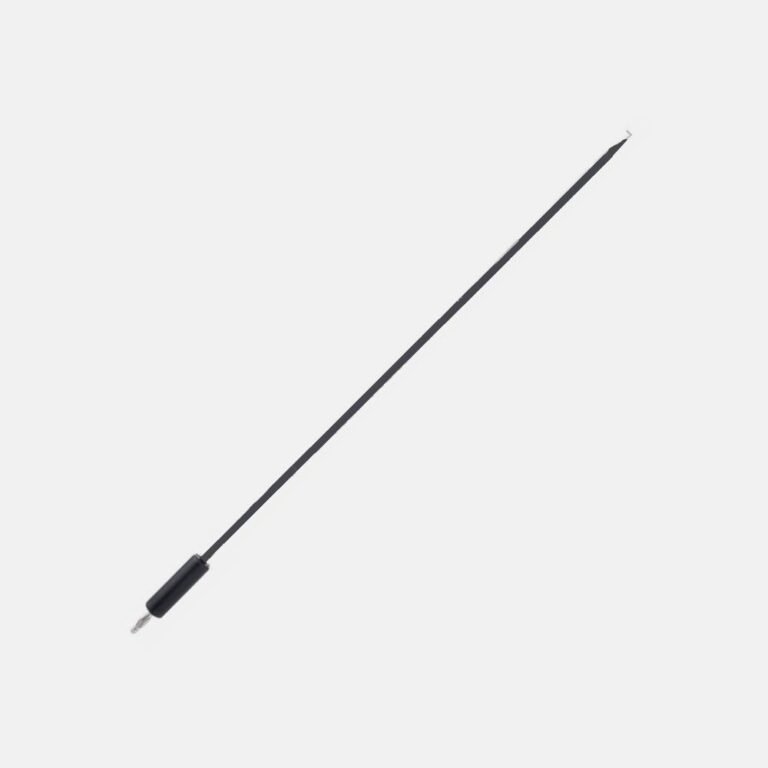
Laparoscopic Electrodes | NJ Medical Instruments
In stock
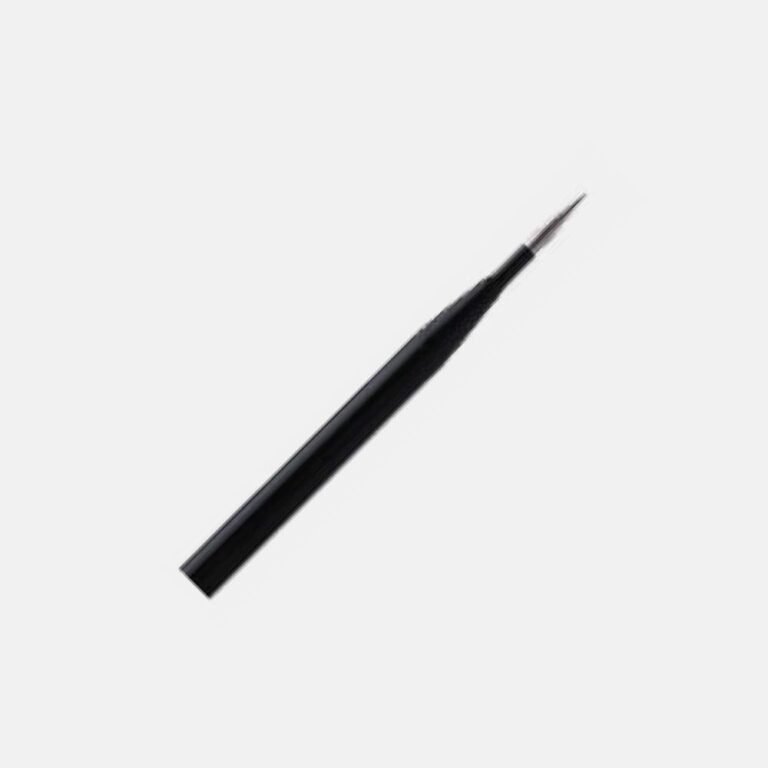
Needle-Hook Electrode (36cm) without Suction Laparoscopic Electrodes | NJ Medical Instruments
In stock
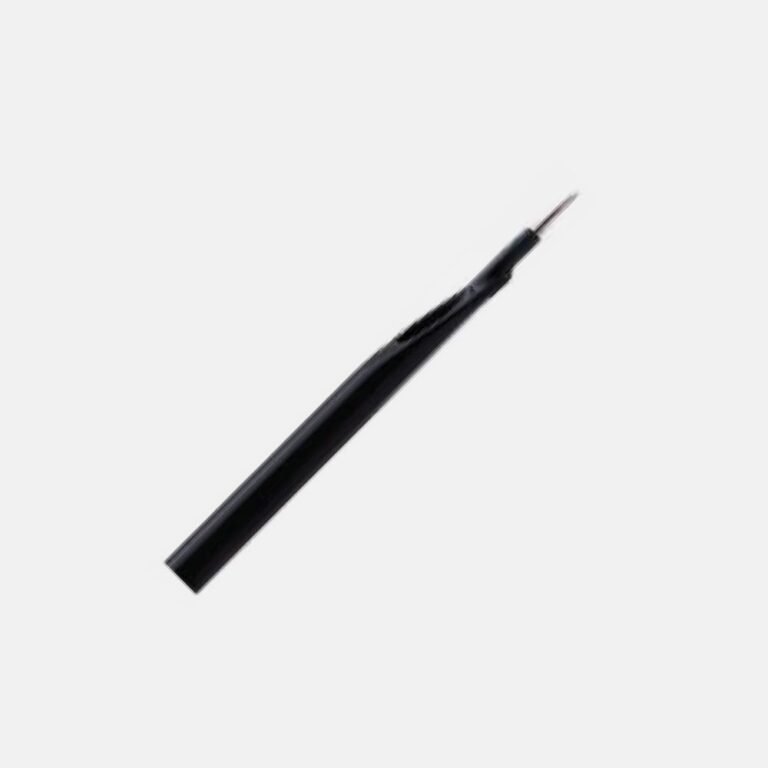
Needle-Hook Electrode (Irrigation) (36cm) with Suction Laparoscopic Electrodes | NJ Medical Instruments
In stock
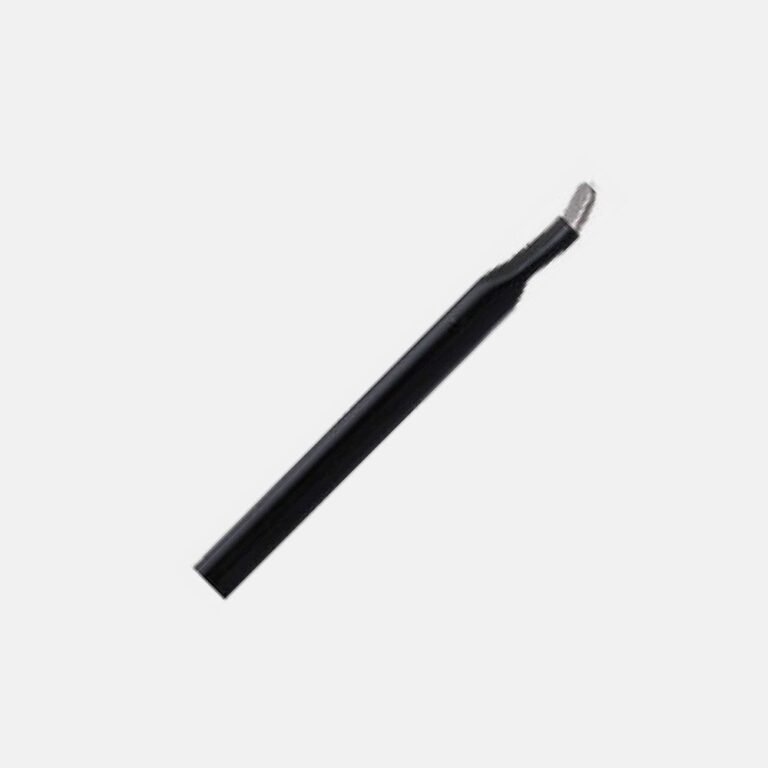
Spatula-Hook Electrode (36cm) without Suction | NJ Medical Instruments
In stock
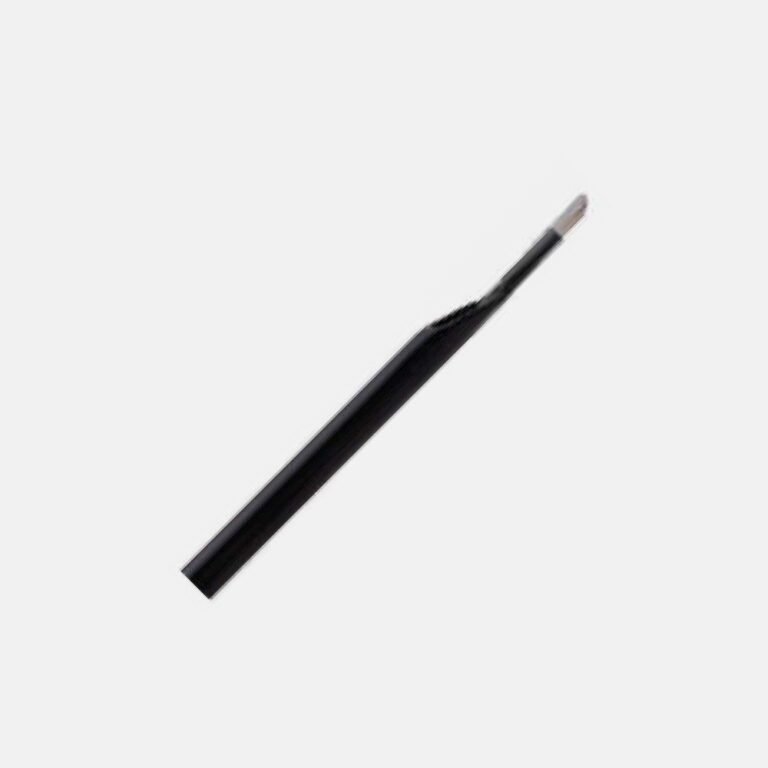
Spatula-Hook Electrode (Irrigation) (36cm) with Suction | NJ Medical Instruments
In stock
Laparoscopic Electrodes: Long-Shaft Monopolar Instruments for Keyhole Surgery
A laparoscopic electrode is a monopolar electrode built onto a long insulated shaft that passes through a trocar port to reach the operative site. The electrical behaviour at the tip is the same as in open surgery, but the setting changes the risk profile entirely: the shaft passes through a narrow port, most of its length sits inside the abdomen where the surgeon cannot see it, and the camera shows only a small portion of the field at any moment. The consequence is that insulation integrity matters more here than anywhere else in electrosurgery — a fault mid-shaft can deliver current to bowel or vessel entirely outside the view of the camera. NJ Medical Instruments manufactures the range in surgical-grade stainless steel with fully insulated shafts, supplied worldwide direct from the factory for individual purchase and for bulk, wholesale, and OEM/private-label supply.
The L-hook and why it dominates
The L-hook is the most-used laparoscopic electrode, and its shape explains why. The right-angled tip lets the surgeon slide behind a tissue band, lift it away from underlying structures, and then apply current with the tissue tented and isolated — cutting only what is hooked and held clear. That combination of retract-then-divide in a single instrument is what makes it the default for dissection in cholecystectomy and much general laparoscopic work. J-hooks and spatula tips offer variations: a shallower hook for finer tissue, a spatula for broader coagulation and blunt dissection.
Insulation failure and capacitive coupling
Two specific hazards belong to this instrument group. Insulation failure — a crack, pinhole, or worn patch anywhere along the shaft — allows current to escape at that point, often out of camera view. Shafts should be inspected along their full length before every use, not just at the tip. Capacitive coupling can induce current in a nearby conductive instrument or a metal trocar even where insulation is intact, which is why all-metal or all-plastic port systems are preferred over hybrid combinations.
Which laparoscopic electrode do you need?
| Tip | Shape | Best for |
|---|---|---|
| L-hook | Right-angled hook | Hook, lift and divide tissue bands |
| J-hook | Shallower curve | Finer tissue, gentler engagement |
| Spatula | Flat blade | Broad coagulation, blunt dissection |
| Needle tip | Fine point | Precise incision, minimal spread |
| Ball tip | Spherical | Surface coagulation over an area |
| Extended shaft | Longer length | Bariatric and deep-cavity access |
Explore related electrosurgical instruments
- Electrodes (2.4 mm) and Electrodes (4.0 mm) for open surgery
- Diathermy Instruments and Monopolar Cables
- Patient Return Plates — required for monopolar use
- All Electrosurgical Instruments
All manufactured in surgical-grade stainless steel to international standards, with reusable and single-use options and worldwide shipping.
Bulk, wholesale & OEM supply
As a direct manufacturer, NJ Medical Instruments supplies laparoscopic electrodes in bulk and wholesale quantities to hospitals, surgical centres, and distributors, and produces OEM / private-label electrodes in custom tip shapes and shaft lengths. Contact us by email at info@njmedicalinstruments.com or by WhatsApp for volume pricing — no minimum-order barriers, no middlemen.
Frequently asked questions
What is an L-hook electrode used for?
The L-hook is the most common laparoscopic dissecting electrode. Its right-angled tip slides behind a tissue band, lifts it clear of underlying structures, and divides it with current while it is tented and isolated — retracting and cutting in one instrument.
Why is insulation so important on laparoscopic electrodes?
Most of the shaft sits inside the abdomen outside the camera view. A crack or worn patch anywhere along it can deliver current to bowel or vessels the surgeon cannot see, so shafts must be inspected along their full length before every use.
What is capacitive coupling?
Capacitive coupling is the induction of current into a nearby conductive instrument or metal trocar even when the electrode insulation is intact. It is a reason all-metal or all-plastic port systems are preferred over hybrid combinations.
What is the difference between an L-hook and a spatula electrode?
An L-hook engages and lifts tissue before dividing it, which suits dissecting bands and adhesions. A spatula presents a flat surface for broader coagulation and blunt dissection rather than hooking tissue.
Are laparoscopic electrodes reusable?
We supply both reusable and single-use versions. Reusable electrodes withstand repeated autoclave sterilisation, provided the insulation remains intact — any shaft with damaged insulation should be withdrawn from use rather than repaired.
Do you supply laparoscopic electrodes in bulk or for OEM / private label?
Yes. As a direct manufacturer we supply laparoscopic electrodes in bulk and wholesale quantities and produce OEM / private-label electrodes in custom tip shapes and shaft lengths. Contact us by email or WhatsApp for volume pricing.