


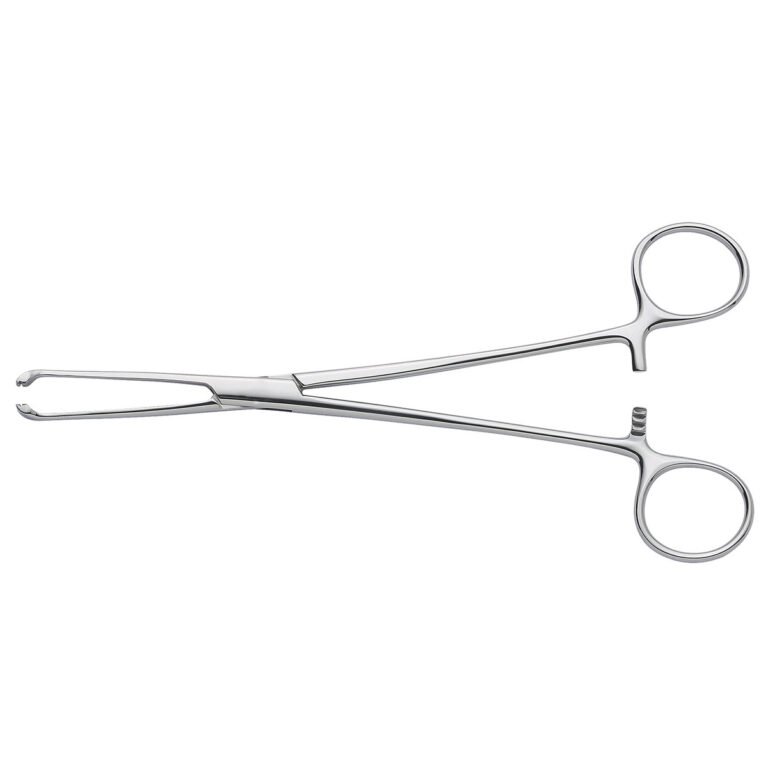
Allis Atraumatic Intestinal Grasping Forceps | NJ Medical Instruments
In stock
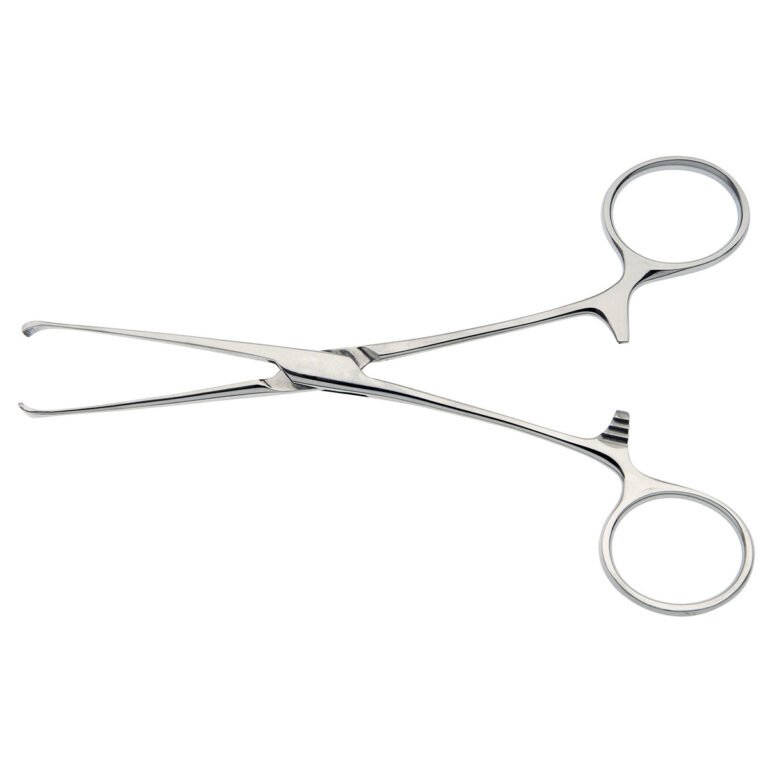
Allis Intestinal Grasping Forceps | NJ Medical Instruments
In stock
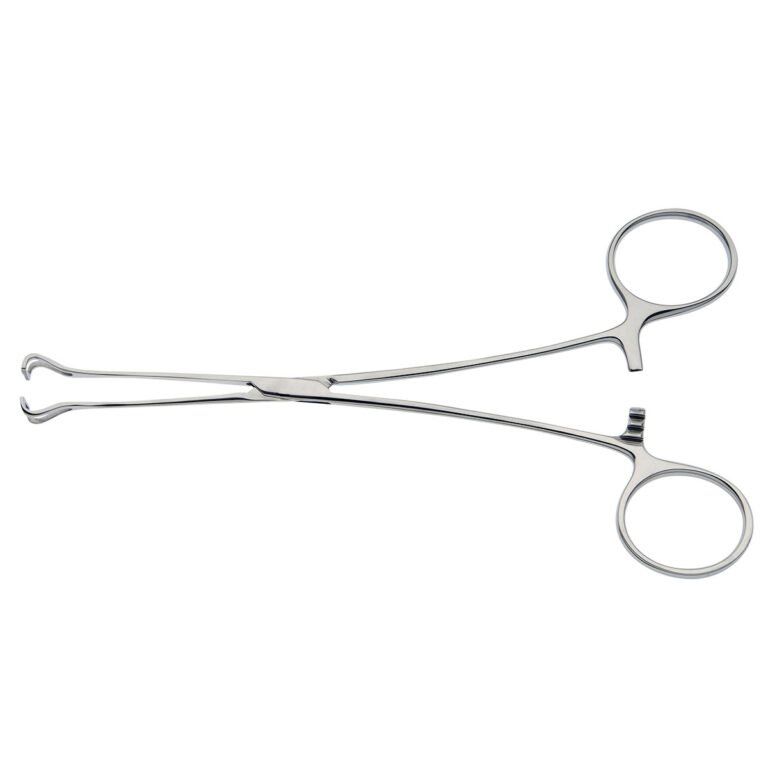
Babcock Intestinal Grasping Forceps | NJ Medical Instruments
In stock
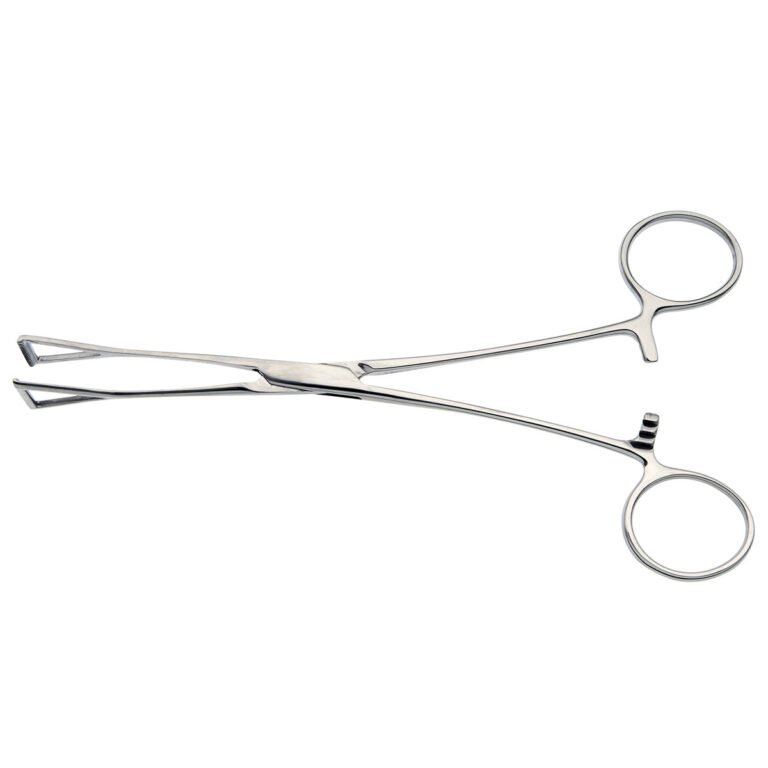
Duval Intestinal Grasping Forceps | NJ Medical Instruments
In stock
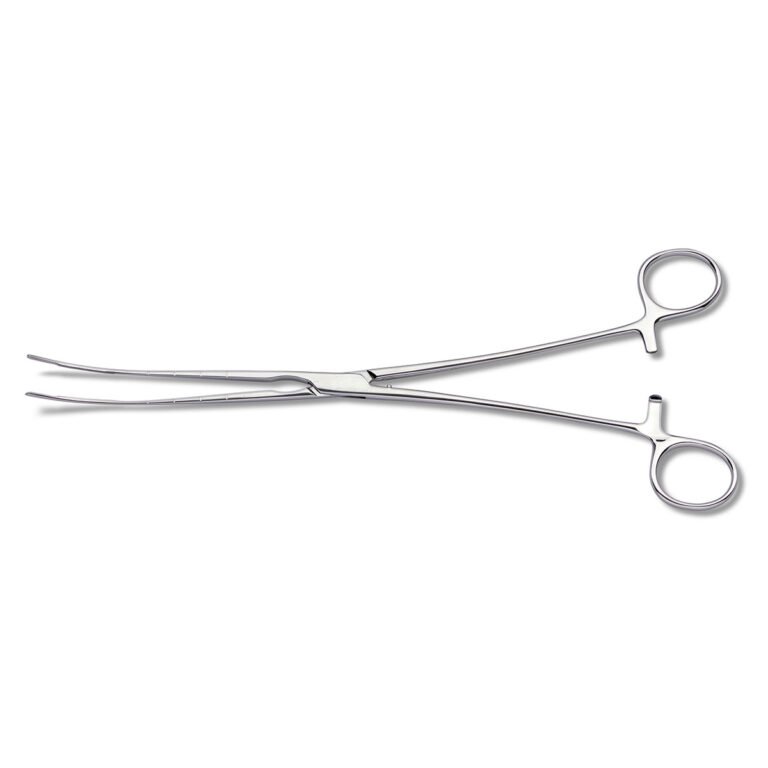
Norell Iud Forceps | NJ Medical Instruments
In stock
Intestinal Grasping Forceps: Holding Bowel Without Damaging It
Bowel is the tissue least tolerant of being gripped, and intestinal grasping forceps exist because ordinary forceps damage it. The wall is thin, its blood supply runs in the mesentery and within the wall itself, and a crush injury that looks trivial at the time can lead to a leak days later — at an anastomosis that was technically sound when it was made. So these instruments are designed around a single constraint: apply enough grip to control a slippery, mobile structure, without compressing the wall hard enough to compromise its blood supply. Every feature follows from that. NJ Medical Instruments manufactures the range in surgical-grade stainless steel, supplied worldwide direct from the factory for individual purchase and for bulk, wholesale, and OEM/private-label supply.
Fenestrated jaws and longitudinal serrations
Two design features do the work. Fenestration — an opening through the jaw — means tissue bulges into the gap rather than being flattened uniformly, so grip comes from the shape of the tissue rather than from pressure alone. Longitudinal serrations run along the jaw rather than across it, distributing pressure lengthwise instead of concentrating it in transverse ridges that would crush a line across the bowel wall.
Babcock forceps combine both: fenestrated, rounded, in-curved jaws that encircle a loop of bowel and hold it securely without a crushing line anywhere.
Atraumatic versus crushing — a deliberate choice
Not every intestinal instrument is atraumatic, and that is intentional. Where bowel is being resected, the portion being removed can be held with a crushing clamp, because that tissue is going in the specimen pot. The atraumatic forceps are reserved for the side that stays in the patient. Confusing the two is a real error: a crushing clamp applied to retained bowel leaves a devitalised line exactly where the anastomosis will sit.
Length and reach
Bowel work happens deep in the abdominal cavity, often with the loop handled some distance from the incision, so these forceps are longer than a general tissue forceps. Some patterns carry a slight curve so the jaws can be brought around a loop rather than approaching it directly.
Which forceps do you need?
| Pattern | Jaw | Best for |
|---|---|---|
| Babcock | Fenestrated, in-curved | Encircling and holding bowel loops |
| Atraumatic intestinal forceps | Longitudinal serrations | Holding retained bowel |
| Allis | Toothed, gripping | Tissue being removed, not retained |
| Doyen intestinal clamp | Long flexible blades | Occluding bowel atraumatically |
| Crushing intestinal clamp | Firm serrated jaws | The resection side only |
| Long curved pattern | Extended, curved | Deep cavity access around a loop |
Explore related instruments
- Clamps including intestinal and occlusion patterns
- Ring Forceps for atraumatic holding
- Artery Forceps & Ligature Clamps
- All Surgical Instruments
All manufactured in surgical-grade stainless steel to international standards, reusable and autoclavable, with worldwide shipping.
Bulk, wholesale & OEM supply
As a direct manufacturer, NJ Medical Instruments supplies intestinal grasping forceps in bulk and wholesale quantities to hospitals, general and colorectal surgical units, and distributors, and produces OEM / private-label instruments to custom specifications and laser marking. Contact us by email at info@njmedicalinstruments.com or by WhatsApp for volume pricing — no minimum-order barriers, no middlemen.
Frequently asked questions
What are intestinal grasping forceps used for?
They hold and manipulate bowel during resection, anastomosis, and general abdominal surgery, gripping firmly enough to control a slippery mobile structure without compressing the wall hard enough to compromise its blood supply.
Why are the jaws fenestrated?
Fenestration lets tissue bulge into the opening rather than being flattened uniformly, so grip comes from the shape of the held tissue rather than from pressure alone. That is what makes the hold secure without crushing.
Why do the serrations run lengthwise?
Longitudinal serrations distribute pressure along the jaw. Transverse ridges would concentrate pressure in lines across the bowel wall, which is exactly the crush pattern that risks devitalising tissue.
What is a Babcock forceps used for?
Babcock forceps have fenestrated, rounded, in-curved jaws designed to encircle a loop of bowel or a tubular structure and hold it securely without creating a crushing line.
When is a crushing clamp appropriate on bowel?
Only on the side being removed. The specimen side can be crushed because that tissue is coming out; the retained side must be held atraumatically, since a devitalised line there sits exactly where the anastomosis will be made.
Do you supply intestinal forceps in bulk or for OEM / private label?
Yes. As a direct manufacturer we supply intestinal grasping forceps in bulk and wholesale quantities and offer OEM / private-label production to custom specifications. Contact us by email or WhatsApp for volume pricing.