



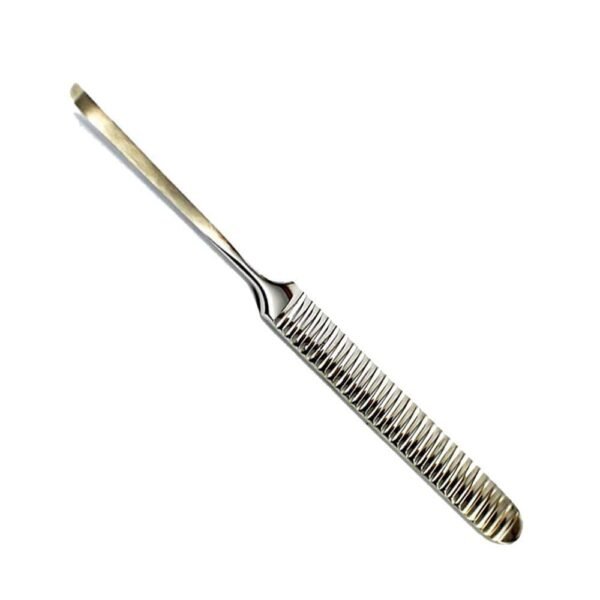

Elevator Curved – Raspatory | NJ Medical Instruments
Original price was: $ 17.$ 13Current price is: $ 13.
Aufricht Nasal Rasp curved | NJ Medical Instruments
Original price was: $ 26.$ 21Current price is: $ 21.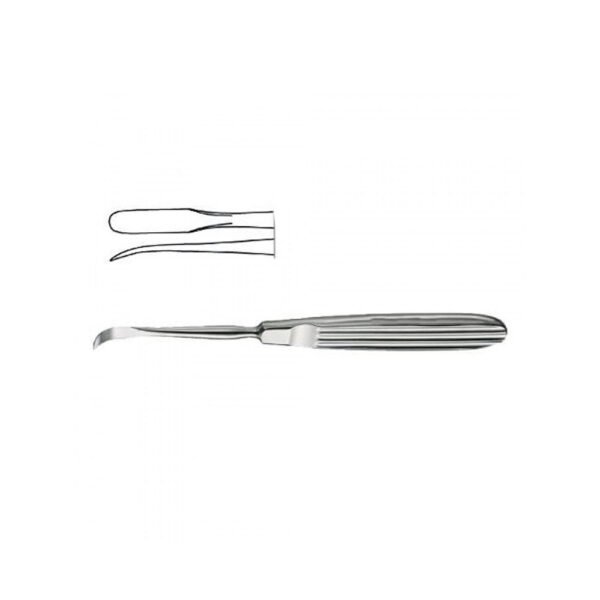
Daniel Gubisch Raspatory – Curved | NJ Medical Instruments
Original price was: $ 26.$ 21Current price is: $ 21.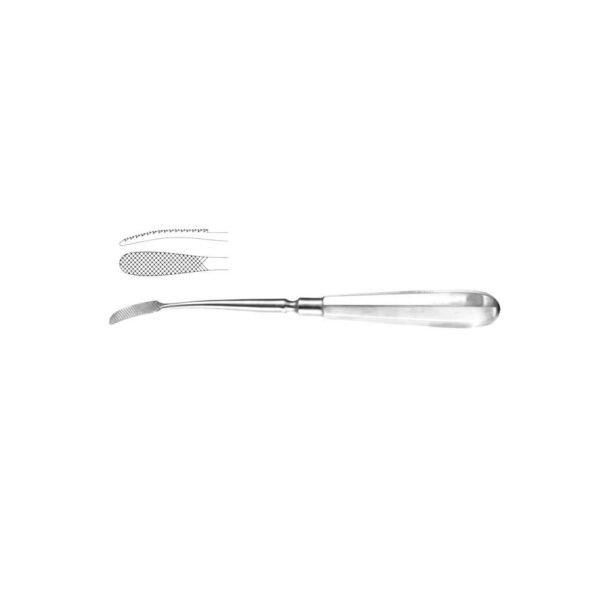
Reidy Nasal Rasp – Curved Cross Cut Serrations | NJ Medical Instruments
SKU:
NJM-14185
Original price was: $ 39.$ 24Current price is: $ 24.
Aufricht Glabella Rasp – Cross serrated Curved backward Up & Down Cutting | NJ Medical Instruments
SKU:
NJM-14108
Original price was: $ 29.$ 24Current price is: $ 24.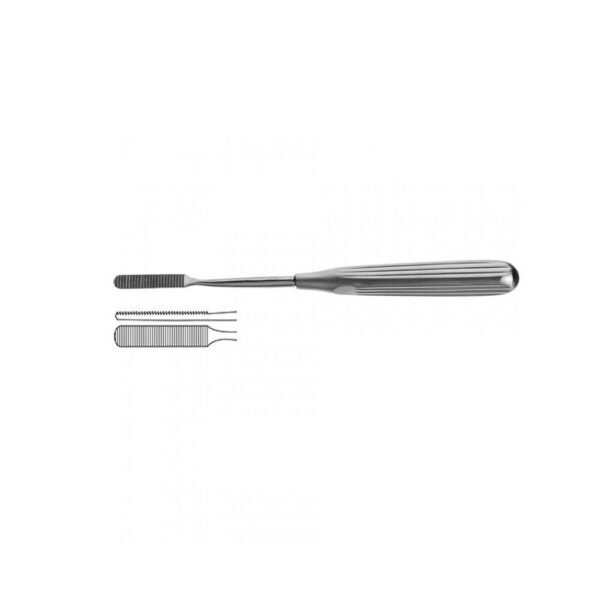
Cottle Nasal Rasp down cutting Fine teeth | NJ Medical Instruments
SKU:
NJM-14119
Original price was: $ 29.$ 24Current price is: $ 24.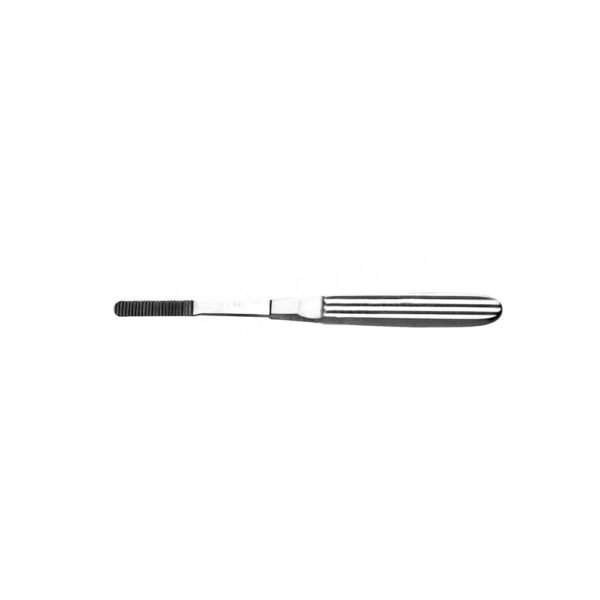
Mcindoe Nasal Rasp Straight – Reverse Cutting | NJ Medical Instruments
SKU:
NJM-14156
Original price was: $ 29.$ 24Current price is: $ 24.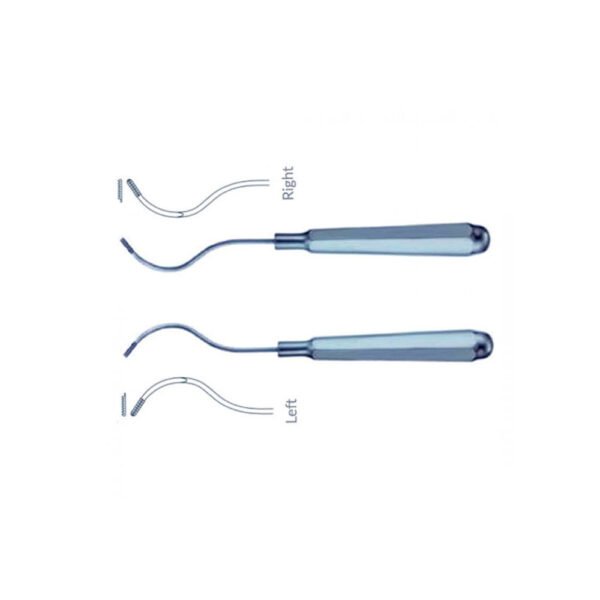
KISTLER ANTHELIX CARTILAGE RASP | NJ Medical Instruments
Original price was: $ 30.$ 25Current price is: $ 25.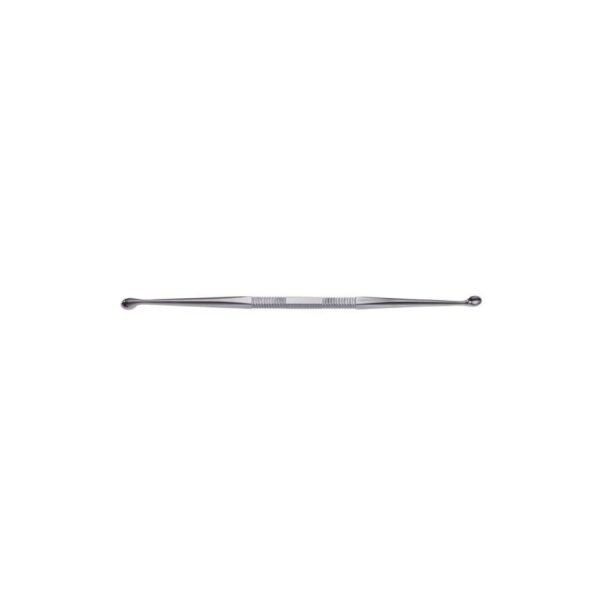
Converse Double-Ended Curette | NJ Medical Instruments
SKU:
NJM-14116
Original price was: $ 32.$ 27Current price is: $ 27.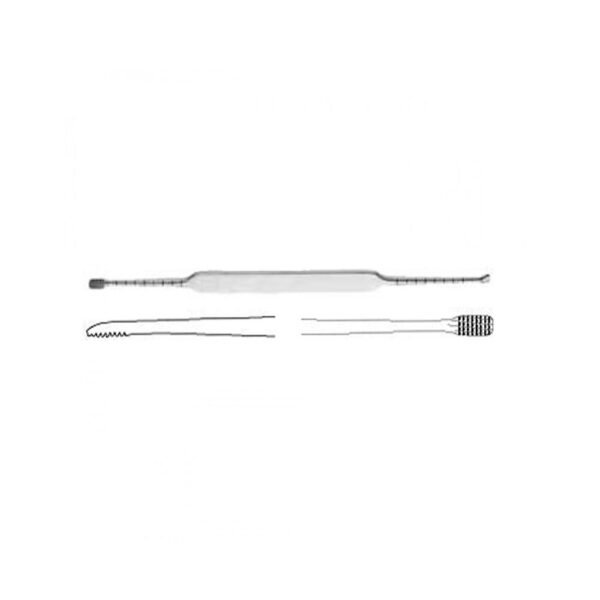
Daniel Gubisch Raspatory / Elevator – Double Ended | NJ Medical Instruments
SKU:
NJM-14124
Original price was: $ 32.$ 27Current price is: $ 27.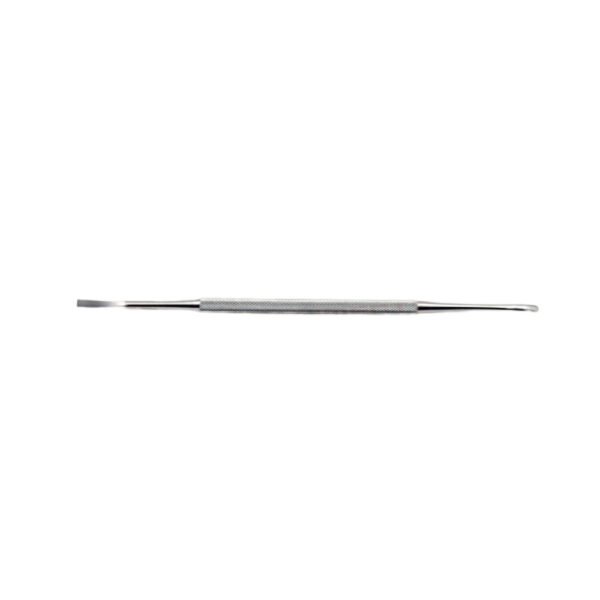
Daniel Cakir Raspatory Double-Ended | NJ Medical Instruments
SKU:
NJM-14120
Original price was: $ 33.$ 28Current price is: $ 28.

Barsky Cleft Palate raspatories Double- Ended | NJ Medical Instruments
SKU:
NJM-14112
Original price was: $ 34.$ 29Current price is: $ 29.Nasal Rasps for Rhinoplasty - Aston, Aufricht, Cakir, Converse and More
The rasp is the finishing instrument of rhinoplasty bone work. After osteotomies have been completed and the bony pyramid has been mobilised, it's the rasp that refines what the chisel and saw have left behind - smoothing irregularities, reducing small bony prominences that would show through the skin as visible ridges, and blending the dorsal line into a result that looks natural rather than operated. It does slow, deliberate work, and the outcome it contributes to is often what the patient actually notices most: whether the bridge looks smooth or bumpy, whether there are visible step-offs, whether the tip-dorsum relationship reads as intended under the skin envelope.
A rasp that cuts unevenly - that removes more bone on one pass than another because the tooth depth is inconsistent - produces a dorsum that requires repeated correction. One with a tooth geometry not suited to the tissue being worked creates either insufficient cutting action or too aggressive removal that overshoots the plan. Experienced rhinoplasty surgeons are specific about their rasp selection in the same way they're specific about their osteotomes, because the consequences of the wrong instrument are visible.
The nasal rasps in this category at NJ Medical Instruments cover the core patterns used in conventional reduction rhinoplasty and preservation rhinoplasty, from the Aufricht and Converse classics to the Aston push/pull design and the Cakir rasp developed specifically for preservation technique. All are manufactured from surgical-grade stainless steel, CE-certified, and autoclavable.
Rasp Cut Direction and Tooth Design - Why Both Matter
A rasp cuts on either the push stroke, the pull stroke, or both. Pull-cutting rasps are the conventional choice for nasal dorsum reduction - the surgeon draws the rasp toward themselves along the dorsal line and the tooth geometry engages on that movement. Push rasps cut on the forward stroke. Push/pull rasps cut on both, which gives the surgeon more control over how much is removed per pass and allows the instrument to be used in either direction depending on the anatomy and access.
Tooth coarseness determines how much bone is removed with each pass. Coarse teeth work faster but leave a rougher surface requiring more finishing. Fine teeth remove less per pass and leave a smoother surface. Many rhinoplasty surgeons work from coarse to fine - initial reduction with a coarser rasp, then finishing with a finer one. The ability to switch between ends on a double-ended instrument without swapping instruments streamlines this sequence.
Products Available in This Category
Aston Reduction Push/Pull Nasal Rasp - Tungsten Carbide Fine
The Aston Reduction Push/Pull Nasal Rasp - Tungsten Carbide Fine is built for precise finishing work. The push/pull mechanism lets the surgeon control cut direction without repositioning, and the TC tooth surface maintains its cutting consistency across repeated sterilisation cycles significantly better than plain stainless. The fine tooth grade makes this the right instrument for the final smoothing passes after bulk reduction is complete, when incremental control matters most. CE-certified, autoclavable.
Aufricht Nasal Rasp - Curved
The Aufricht pattern is one of the oldest and most widely used rasp designs in rhinoplasty. Its curved profile follows the dorsal nasal line naturally, and the weight and length balance suit the pulling motion most surgeons use for dorsal reduction. The curved configuration makes it easier to stay on the planned reduction plane along the entire dorsal length without inadvertently torquing the instrument off-axis.
The Aufricht Nasal Rasp Curved available here follows the classic design specification. For surgeons who were trained with an Aufricht rasp and built their technique around it, this is simply the instrument they want on the tray.
Cakir Preservation Rhinoplasty Rasp
The Cakir Preservation Rhinoplasty Rasp reflects the specific instrument demands of preservation technique. In preservation rhinoplasty the dorsal ligament and periosteum are kept intact, and reduction is achieved through subdorsal bone work rather than open-sky dorsum resection. The rasp geometry used in preservation technique needs to work in a more confined plane than the conventional open approach. The Cakir rasp is designed for that subdorsal corridor, with dimensions and tooth orientation suited to working beneath the preserved soft tissue envelope rather than directly on the exposed dorsum.
Converse Nasal Rasp - Double-Ended, Down-Cutting, Fine and Coarse Ends
The Converse Nasal Rasp - Double-Ended, Down-Cutting, Fine and Coarse Ends covers both stages of the reduction sequence in a single instrument. The fine end handles finishing work; the coarse end manages initial reduction. The down-cutting tooth orientation suits the pulling stroke direction most surgeons default to, and the double-ended configuration reduces instrument swaps during the rasping phase of the procedure. For surgeons who prefer to work with a minimum of instruments on the tray, this one handles the full reduction and smoothing sequence.
Ordering and Supply
NJ Medical Instruments ships rhinoplasty rasps and plastic surgery instruments worldwide with ISO and CE certification. Bulk pricing available for plastic surgery units and distributors. Contact info@njmedicalinstruments.com or WhatsApp +92-333-8733922 for enquiries.