



Dental Instruments for Clinics, Hospitals, and Professional Dental Buyers
Dental instruments form the working foundation of everyday oral healthcare, supporting tasks that range from routine examination and hygiene to restorative treatment, extraction, periodontal therapy, and orthodontic adjustment. For dental practices, hospital dental departments, laboratories, procurement teams, and professional buyers, sourcing the right instruments goes beyond simply checking items off a supply list. It requires choosing tools that hold up to daily clinical demand, support accurate handling, and fit naturally into existing procedural workflows.
NJ Medical Instruments offers a comprehensive, organized selection of dental instruments built for professionals who need dependable tools for clinical and procedural use. Whether you’re equipping a new operatory, restocking a busy general practice, or sourcing instruments for a hospital-based dental unit, this category is structured to help buyers compare options clearly and order with confidence.
From mouth mirrors and explorers to extraction forceps, periodontal scalers, restorative instruments, orthodontic pliers, and laboratory tools, dental practice depends on having the right instrument on hand for the right task. Each category of instrument serves a distinct clinical purpose, and choosing correctly supports smoother chairside workflow and more efficient patient care.
About Dental Instruments
Dental instruments are purpose-built tools used by dentists, dental hygienists, oral surgeons, orthodontists, and dental assistants throughout the full range of oral healthcare delivery — examination, diagnosis, hygiene, restorative work, surgical extraction, and laboratory preparation. Because these tools are used in and around the oral cavity, instrument design prioritizes precision, visibility, secure grip, and controlled handling above almost everything else.
The category spans several functional groups. Diagnostic and examination tools include mouth mirrors, explorers, and periodontal probes, which together allow clinicians to visualize, detect, and assess oral conditions. Periodontal instruments, including scalers and curettes, are designed for calculus removal and root surface debridement. Restorative instruments — plastic filling instruments, amalgam carriers, condensers, and burnishers — are shaped to place, pack, and finish filling materials with precision. Oral surgery instruments, such as extraction forceps and elevators, are engineered for controlled tooth removal and bone management. Orthodontic pliers serve wire-bending, cutting, and appliance-adjustment functions, while laboratory tools like wax knives and spatulas support model work and material mixing outside the mouth.
A defining feature of this category is specificity. Instruments are rarely interchangeable across procedures, even when they appear visually similar. A forceps pattern designed for a maxillary molar won’t function the same way on a mandibular incisor. A scaler built for supragingival calculus removal differs meaningfully from one designed for subgingival root planing. This is why experienced buyers shop by clinical function first, and product name second.
Professional Dental Instruments for Clinical Use
In a working dental practice, instruments are in nearly constant rotation — moving from sterilization, to tray setup, to chairside use, and back again, often many times within a single day. This pace places real demands on instrument durability, edge retention, and ease of handling. Hospital-based dental departments add another layer of requirement, often needing instruments that align with broader surgical sterilization protocols and inter-departmental supply standards. Dental schools and training programs, meanwhile, typically need consistent, repeat-order access to standard instruments for student practice and skills demonstration.
When sourcing instruments online, the most useful approach is to think procedure-first. Forceps are generally chosen by tooth position and root anatomy. Curettes and scalers are matched to treatment area and personal handle preference. Restorative instruments are selected according to the materials and techniques a practice uses most. Laboratory tools are chosen based on the specific mixing or modeling task at hand.
NJ Medical Instruments structures its dental category around these functional groupings, making it easier for clinics, procurement departments, and individual buyers to narrow down options quickly and purchase with a clear sense of what each tool is actually built to do.
Why Buy Dental Instruments from NJ Medical Instruments
Sourcing dental instruments through NJ Medical Instruments means shopping a category built specifically around dental and clinical purchasing — not a general medical catalog where dental tools are buried among unrelated products. That focus alone saves buyers meaningful time.
For practicing clinics, the appeal is mostly operational: instruments wear out, trays need new configurations, and patient volume sometimes calls for duplicate sets to keep sterilization turnaround from becoming a bottleneck. Having a well-organized, dedicated category makes it simple to compare instrument options side by side and order exactly what’s needed.
Procurement teams benefit from the same structure in a different way — being able to quickly check product names, types, SKUs, and pricing supports faster internal approval and purchasing cycles. Distributors and resellers can use the category layout to spot frequently reordered items and stock accordingly for their own customer base.
For solo practitioners and smaller buyers, the experience is simpler still: browse, compare, and select instruments suited to specific clinical needs without wading through irrelevant inventory. As always, reviewing each product listing closely before ordering remains the best way to confirm a tool’s suitability for its intended use.
Common Uses of Dental Instruments
Across general dental practice, instruments support nearly every stage of patient care — diagnostic exams, professional cleanings, anesthesia preparation, restorative procedures, extractions, and day-to-day chairside assistance. In oral surgery contexts, instruments are selected for tissue management, controlled tooth removal, and root-level access. Periodontal therapy relies heavily on scalers and curettes for root debridement and pocket management, while restorative dentistry depends on filling instruments, condensers, and burnishers to shape and finish materials accurately.
Orthodontic practice introduces its own instrument needs — pliers built for wire bending, cutting, and appliance adjustment are central to day-to-day treatment. Dental laboratories and training environments, meanwhile, rely on a different set of tools entirely: wax knives, spatulas, and mixing instruments suited to model-building and material preparation rather than direct patient contact.
Because clinical focus varies so widely from one practice to another, instrument needs vary right along with it. A general practice centered on routine exams and cleanings will lean heavily on mirrors, probes, explorers, and scalers. A practice that performs frequent extractions needs a broader range of forceps and elevators. A restoratively focused practice will prioritize filling and finishing instruments over surgical ones. Matching the instrument list to the actual scope of services offered is the most reliable way to build out a practical, well-used inventory.
Key Features Buyers Should Look For
Shopping for dental instruments online works best when buyers look past the product name and into the specific details that determine real-world fit.
Instrument type comes first — confirming that a tool is genuinely designed for its intended use. An extraction forceps needs to match the tooth type and position it’s meant for; a scaler needs to suit the treatment area it will be used on; a filling instrument needs to complement the restorative material and technique in play.
Design and handling come next. Handle texture, grip diameter, balance, and working-end shape all influence comfort during repeated use throughout a clinical day — a detail that matters more than it might seem given how frequently dental instruments change hands during a single procedure.
Size and specification round out the practical considerations. Many instruments come in multiple sizes, tip angles, or working patterns, and small variations can meaningfully affect procedural fit. Reading product specifications carefully before ordering helps avoid mismatches.
Care and maintenance requirements also deserve attention. Instruments should be cleanable, sterilizable, and durable enough to withstand a facility’s standard protocols without premature wear. Lastly, quantity planning matters — clinics, hospitals, and training programs all need enough units on hand to keep daily schedules, tray turnover, and sterilization cycles running smoothly without gaps.
How to Choose the Right Dental Instruments
The most reliable starting point for instrument selection is the procedure itself. Buyers should pin down exactly what the tool needs to accomplish — examination, scaling, extraction, restoration, orthodontic adjustment, anesthesia support, or laboratory work — before looking at specific products.
From there, it helps to think about who’s actually using the instruments and how often. A small solo practice may only need a compact, standard set of common tools. A high-volume clinic often needs duplicate sets purely to keep up with sterilization turnaround between patients. A hospital-based dental department may need to match instruments to formalized clinical protocols, while a distributor needs to anticipate what a range of different customers are likely to request.
It’s also worth thinking about how new instruments will slot into existing tray systems. An extraction tray typically calls for a coordinated set of forceps, elevators, mirrors, and probes; a hygiene-focused setup leans more on scalers, explorers, and mirrors. Comparing similar-looking products carefully before ordering — checking size, shape, and category details — helps avoid the kind of small mismatches that only become obvious once a tool is already on the tray.
Dental Instruments for Clinics, Hospitals, and Procurement Teams
Dental clinics need a dependable, properly organized instrument supply to keep patient care moving without interruption. Because sterilization takes time, many practices keep multiple sets of their most frequently used tools on hand so that turnaround doesn’t end up dictating scheduling.
Hospitals and larger healthcare facilities typically route dental instrument purchasing through formal procurement channels, where decisions are shaped by departmental need, budget constraints, internal approval processes, and alignment with broader clinical protocols already in place across the facility.
Distributors and resellers approaching this category tend to focus on instruments with consistent reorder demand — forceps, scalers, orthodontic pliers, elevators, syringes, and restorative tools are common examples, since dental practices routinely need replacements, expansions, or backup stock over time. Dental schools and training centers represent a related but distinct buyer group, generally prioritizing affordability and reliable availability over premium features, since instruments are used heavily across student cohorts.
Ordering Dental Instruments Online
Online ordering gives dental buyers the ability to browse by category, compare similar products side by side, check pricing and specifications, and place orders aligned to actual clinical or procurement needs. NJ Medical Instruments’ ecommerce structure is built to support exactly this kind of comparison shopping within the dental category.
Before finalizing any order, it’s worth taking a moment to review each listing in detail — product name, SKU, size, type, pattern, and intended use are all worth confirming, especially when a tool is being purchased for a specific department or procedure. This extra step helps prevent the kind of mismatch that only surfaces once supplies arrive.
Many professional buyers find it useful to work from a checklist when ordering. A clinic might organize its list by tray type — examination, extraction, restorative, hygiene — while a procurement team might cross-reference quantities against known replacement cycles and departmental requests. Distributors typically work the other direction, identifying high-demand items first and ordering to match anticipated customer need. Whatever the approach, careful review beats relying on product names alone.
Bulk and Professional Dental Instrument Purchasing
Dental instrument purchasing rarely happens one item at a time in a professional setting. Clinics typically need multiple units of commonly used tools — mirrors, probes, scalers, syringes, forceps, filling instruments — simply to support steady daily patient flow. Hospitals tend to order at a larger scale to cover departmental supply needs, while dental schools require enough units to outfit full training labs and student cohorts. Distributors, in turn, need to maintain repeat stock to serve their own customer base reliably.
Smart bulk purchasing starts with looking at actual usage patterns rather than guessing at quantities. Relevant factors include the number of active operatories, average daily appointment volume, sterilization turnaround time, and the specific procedures a practice performs most often. A clinic with a heavy extraction caseload will need a broader range of forceps and elevators on hand; one focused on hygiene and periodontal care will lean toward stocking more scalers and curettes; a restoratively oriented practice will want extra filling instruments, burnishers, and placement tools in rotation.
Storage and organization deserve equal attention alongside quantity planning. Instruments kept in clearly labeled trays or containers, organized according to a facility’s existing protocols, help reduce delays and protect tools from unnecessary wear between uses.
Product Quality and Safe Use Considerations
Dental instruments are professional-grade tools intended for use by trained clinicians or supervised students in educational settings — not general consumer use. Before putting any instrument into service, buyers should confirm it’s genuinely suited to its intended clinical purpose.
Safe, effective use depends on more than just selecting the right tool. Cleaning, sterilization, regular inspection, and proper storage all play a role in keeping instruments performing reliably over time. Facilities should follow applicable infection-control protocols and manufacturer guidance, and instruments should be checked periodically for dullness, corrosion, looseness, or misalignment. Any tool that no longer meets a facility’s safety or performance standards should be pulled from rotation without hesitation.
It’s also worth remembering that the wrong instrument — even a high-quality one — can complicate a procedure unnecessarily. An ill-suited forceps pattern can reduce control during extraction; a mismatched restorative instrument can make material handling more difficult than it needs to be. Sound professional judgment at the point of purchase goes a long way toward avoiding these issues later.
Why Product Details Matter Before Buying
Dental instruments can look deceptively similar in a product listing, but small specifications often carry real clinical weight. Working-end shape, handle style, size, curvature, and angle can all determine whether a given tool actually fits the job it’s being bought for.
Buyers should make a habit of reading the full product title and any accompanying specifications closely — not just the headline name. Where a listing specifies tooth designation, side, pattern, or size, that detail is worth double-checking against the intended use. Extraction forceps, for instance, are frequently designed around specific tooth groups or positions; syringes can differ meaningfully by cartridge compatibility; scalers can vary by handle type and blade form even within what looks like the same general category.
Taking this extra step at the point of purchase tends to pay off later, particularly for clinics and procurement teams trying to avoid the friction of returns, mismatched tools, or incomplete tray setups down the line.
Customer-Focused Buying Support
NJ Medical Instruments is built around the needs of buyers who already understand their clinical requirements and simply want a dependable place to source dental instruments. Whether shopping for a dental clinic, hospital department, training center, laboratory, or supply business, this category is organized to make that process as straightforward as possible.
Customers can browse by instrument type, compare similar products, check specifications, and select tools that match their actual professional needs — without having to sort through unrelated inventory to get there. If you’re ever uncertain whether a specific instrument fits your intended use, the product details page is the best starting point for comparison, and clinical decisions should always be guided by trained dental professionals and your facility’s internal standards.
Buy Dental Instruments Online from NJ Medical Instruments
Explore the full dental instruments category at NJ Medical Instruments and find the tools that fit your clinic, hospital, dental school, laboratory, or procurement needs. Browse extraction forceps, scalers, elevators, syringes, orthodontic pliers, restorative instruments, mirrors, probes, spatulas, wax knives, and other essential dental tools — all organized for professional purchasing.
Take a moment before ordering to confirm suitability, size, and quantity against your intended use. Thoughtful instrument selection pays off in smoother procedures, better tray organization, and more efficient purchasing overall.
Frequently Asked Questions About Dental Instruments
1. Can I buy dental instruments online from NJ Medical Instruments? Yes. The dental instruments category is built for professional dental, clinical, and healthcare purchasing. Before ordering, it’s worth reviewing each listing’s product name, type, size, and SKU closely to confirm the instrument fits your intended clinical setting — whether that’s a clinic, hospital, dental practice, or laboratory.
2. What types of dental instruments are available in this category? The category spans extraction forceps, elevators, scalers, explorers, probes, mouth mirrors, aspirating syringes, orthodontic pliers, amalgam pluggers, condensers, burnishers, composite placement instruments, plastic filling instruments, wax knives, spatulas, and related tools. Availability can shift over time, so it’s worth checking individual listings on the category page before finalizing an order.
3. Who usually buys professional dental instruments? Buyers typically include dental clinics, hospitals, oral surgery departments, dental schools, laboratories, procurement teams, distributors, resellers, and individual clinicians. Some are buying for daily clinical use, others for training, replacement stock, or resale — the right product mix really depends on the buyer’s specific setting and purpose.
4. How do I choose the right dental instrument? Start with the procedure the instrument needs to support, then narrow down by type, size, handle design, and working-end shape. Extraction forceps, for example, should match tooth position and use case; scalers and probes should align with the examination or periodontal task at hand. Comparing listings carefully and applying professional judgment goes a long way here.
5. Are dental instruments suitable for clinics and hospitals? Yes — this category is built specifically for professional dental and healthcare purchasing. Clinics, hospitals, and procurement teams can browse and select according to their internal needs, though it’s always worth reviewing product details closely and following applicable sterilization and handling protocols once instruments arrive.
6. Can dental instruments be ordered in bulk? Definitely. Most professional buyers need multiple units to support clinic setups, sterilization rotation, replacement stock, or training programs. Bulk quantities are best planned around actual factors like appointment volume, number of operatories, and the specific procedures a practice performs most often.
7. What should buyers check before ordering dental instruments? Product name, category, size, pattern, side, intended use, SKU, and price are all worth confirming — along with making sure the instrument actually matches the procedure it’s intended for. This matters especially for forceps, elevators, syringes, scalers, and orthodontic pliers, where small design differences can have real clinical impact.
8. Are dental instruments reusable? Many professional dental instruments are designed for repeated use, provided they’re properly cleaned, sterilized, and maintained according to facility protocols and product-specific guidance. That said, reuse suitability varies by instrument type, so it’s worth checking product instructions and inspecting tools regularly for wear or damage.
9. What dental instruments are commonly used in everyday practice? Mouth mirrors, probes, explorers, scalers, tweezers, syringes, filling instruments, burnishers, condensers, elevators, forceps, and trays all see regular use in general practice. Exactly which tools see the most use depends heavily on what services a given clinic actually offers — exams, hygiene, restorative care, extraction, orthodontics, or oral surgery.
10. Can distributors and resellers buy dental instruments from this category? Yes — this category works well for distributors and resellers looking to identify instruments suited to professional supply chains. Forceps, scalers, elevators, syringes, restorative instruments, and orthodontic pliers tend to be among the more consistently in-demand items, though selection should ultimately track customer demand and intended market.
11. Why is choosing the correct dental instrument important? Because dental tools are built around specific tasks, even small differences in size, angle, or working-end shape can affect how well an instrument actually performs in practice. Choosing based on genuine procedural fit — rather than price alone — tends to pay off in smoother, safer clinical workflows.
12. How should dental instruments be maintained after purchase? Routine cleaning, sterilization, inspection, and proper storage are all essential, following applicable clinical protocols and manufacturer guidance. Instruments should be checked periodically for dullness, damage, corrosion, looseness, or alignment issues, since proper maintenance directly supports both safety and instrument longevity over time.
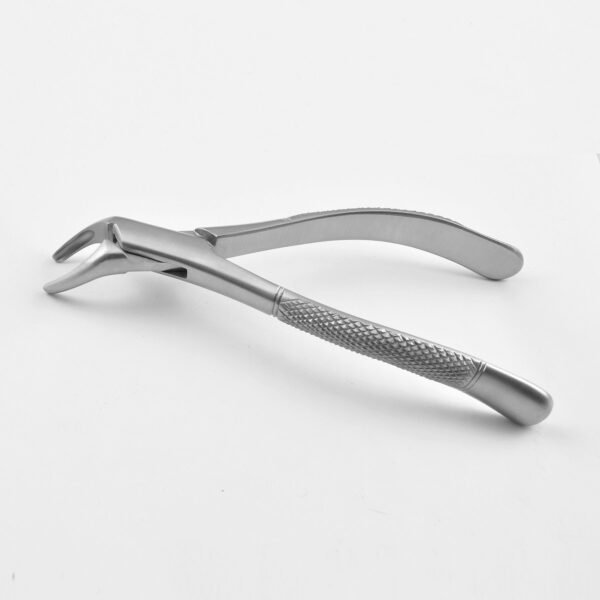

151 Lower Incisors Cuspids Bicuspids | NJ Medical Instruments
SKU:
NJM-26024
Original price was: $ 30.$ 20Current price is: $ 20.
18R Harris 1st & 2nd Upper Molar Right | NJ Medical Instruments
SKU:
NJM-26025
Original price was: $ 30.$ 20Current price is: $ 20.

53R 1st & 2nd Upper Molar Right | NJ Medical Instruments
SKU:
NJM-26026
Original price was: $ 30.$ 20Current price is: $ 20.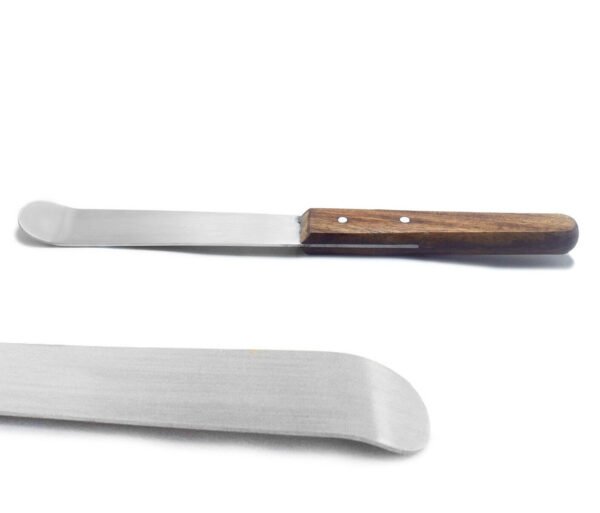
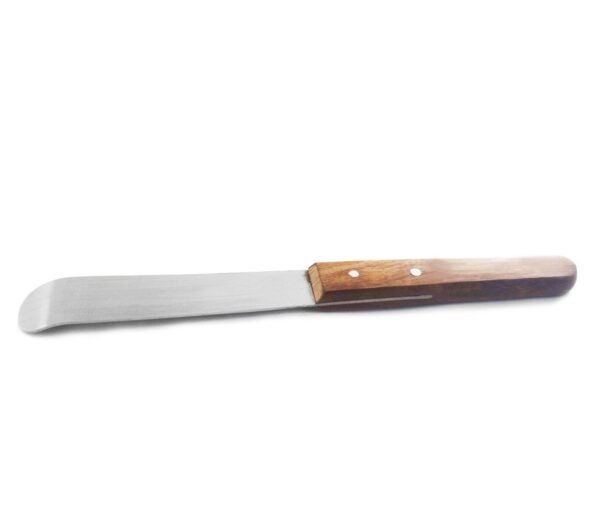
Alginate Mixing Spatula | NJ Medical Instruments
SKU:
NJM-26065
Original price was: $ 30.$ 20Current price is: $ 20.
Apical Root Elevator 3.5mm, Right, Handle No.3 | NJ Medical Instruments
SKU:
NJM-26042
Original price was: $ 30.$ 20Current price is: $ 20.
Apical Root Elevators | NJ Medical Instruments
SKU:
NJM-26043
Original price was: $ 30.$ 20Current price is: $ 20.
Artery Forceps Micro-Mosquito Teeth 10cm Curved | NJ Medical Instruments
SKU:
NJM-26016
Original price was: $ 30.$ 20Current price is: $ 20.
Artery Forceps Smooth Non-Ratchet 14cm Curved | NJ Medical Instruments
SKU:
NJM-26017
Original price was: $ 30.$ 20Current price is: $ 20.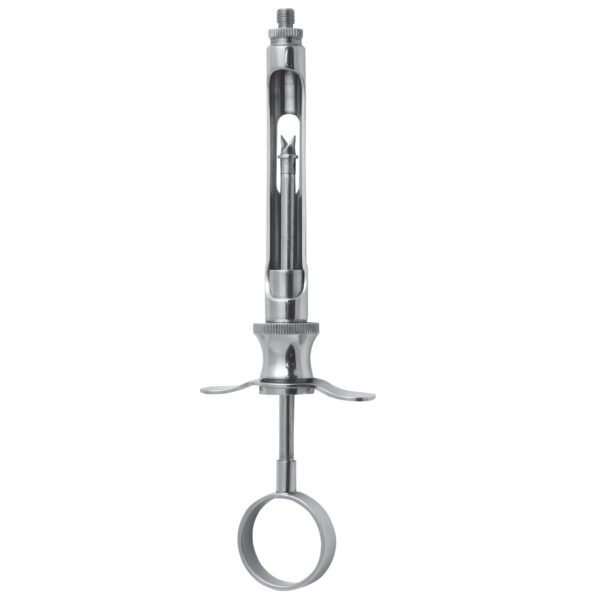
Aspirating Syringe 1.8ml with fix tip | NJ Medical Instruments
SKU:
NJM-26059
Original price was: $ 30.$ 20Current price is: $ 20.
Aspirating Syringe 2.2ml With fix tip | NJ Medical Instruments
SKU:
NJM-26060
Original price was: $ 30.$ 20Current price is: $ 20.
Bein Root Elevators Fig OA | NJ Medical Instruments
SKU:
NJM-26044
Original price was: $ 30.$ 20Current price is: $ 20.
Big Gracey Scalers 17.5cm Hollow Handle | NJ Medical Instruments
SKU:
NJM-26052
Original price was: $ 30.$ 20Current price is: $ 20.