


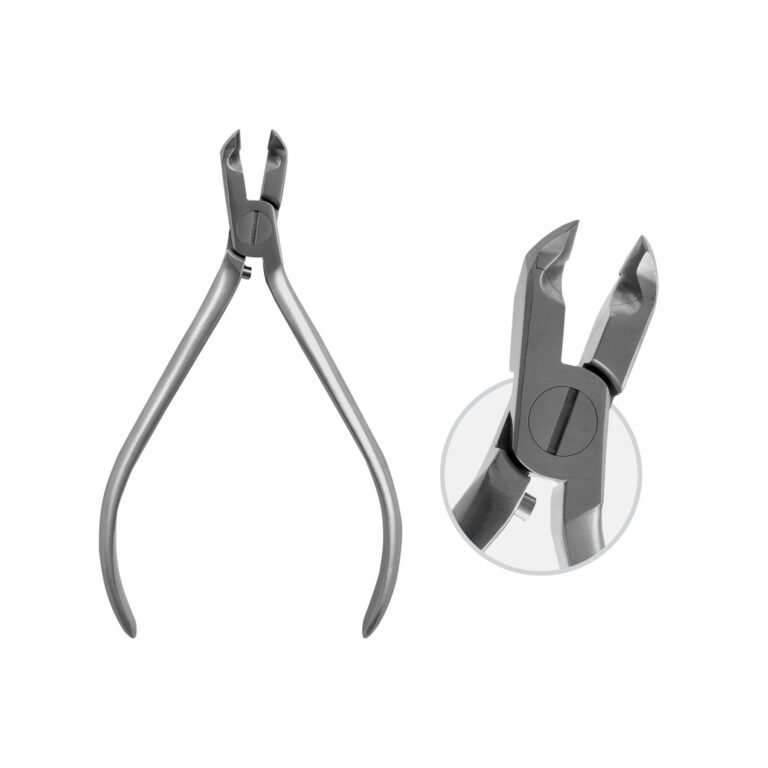
Special Bracket Debonding Pliers, 45° Angled 12cm | NJ Medical Instruments
In stock
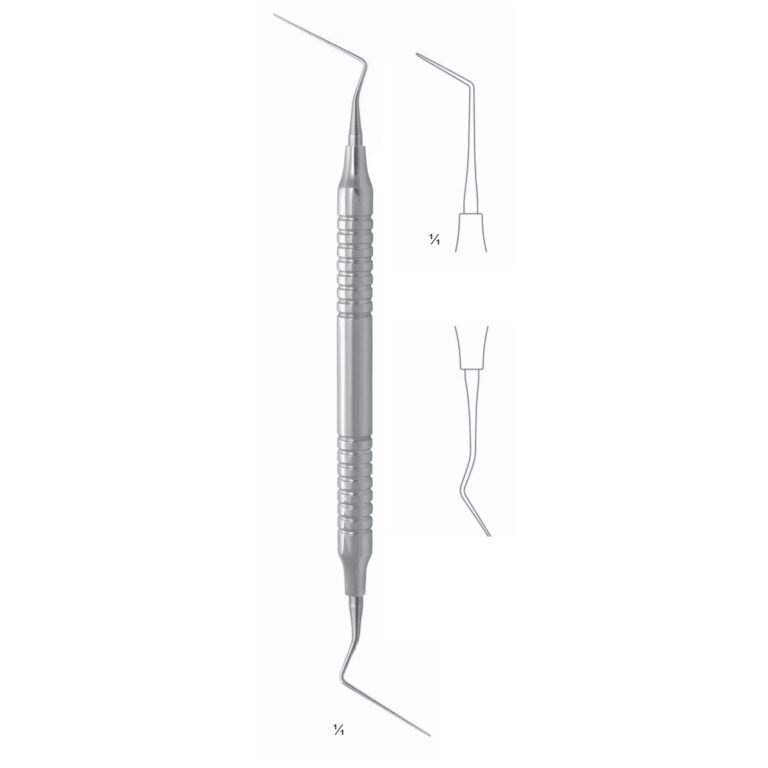
Stewart Scalers 17.5cm | NJ Medical Instruments
In stock
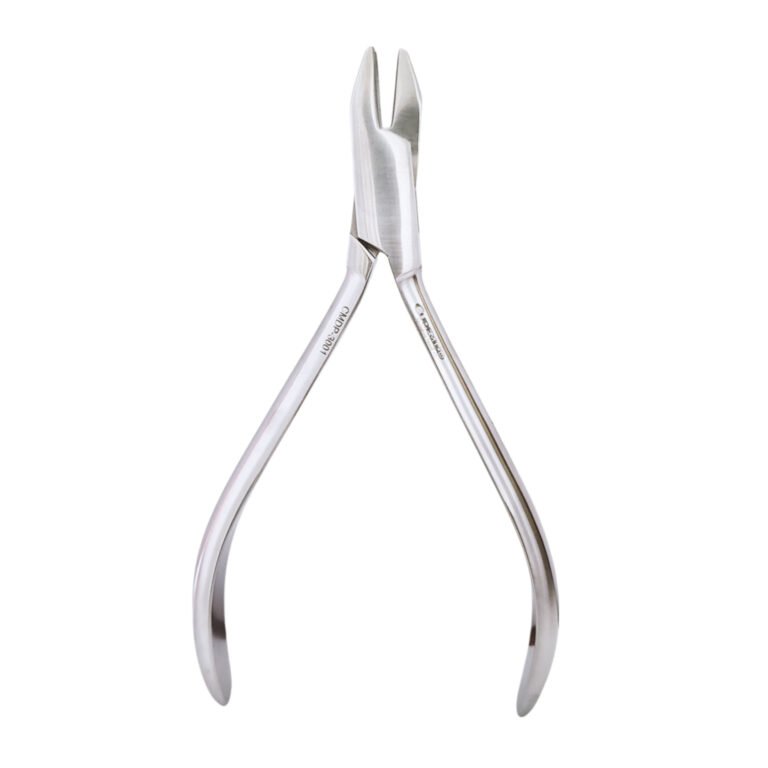
Three-Jaw Orthodontic Aderer Pliers | NJ Medical Instruments
In stock
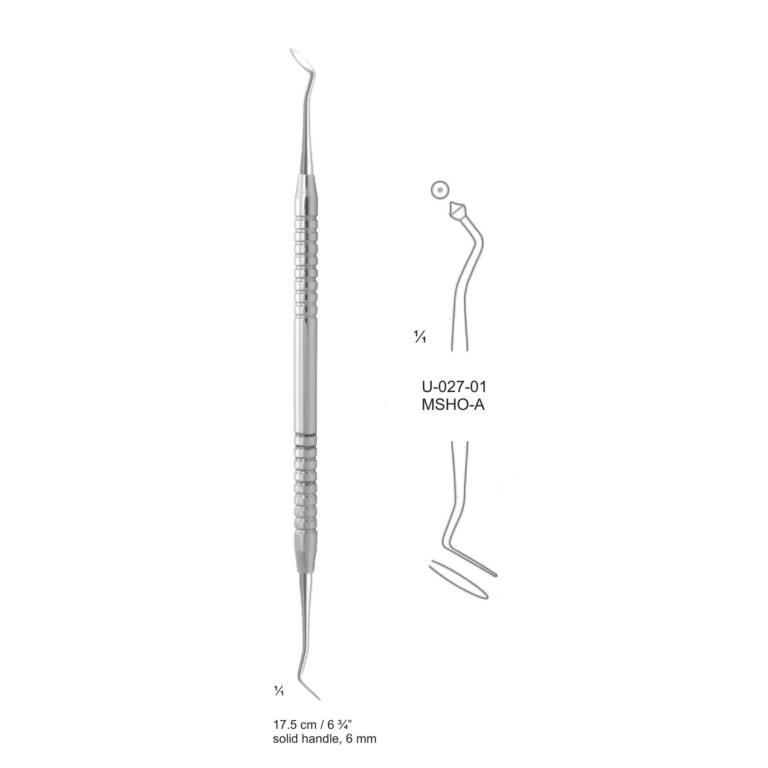
Wax 17.5cm Solid Handle Msho-A 6mm | NJ Medical Instruments
In stock
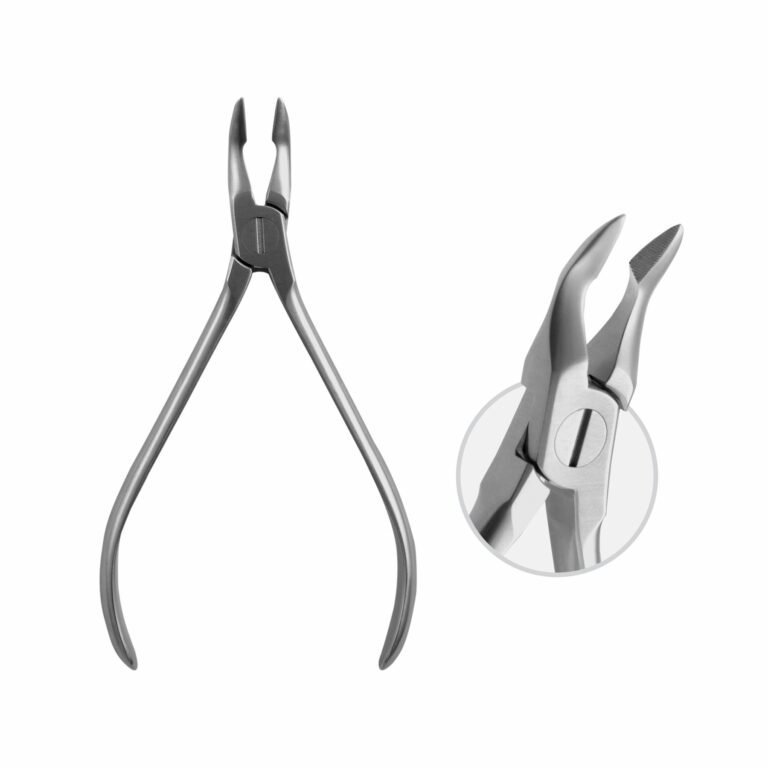
Weingart Universal Pliers | NJ Medical Instruments
In stock
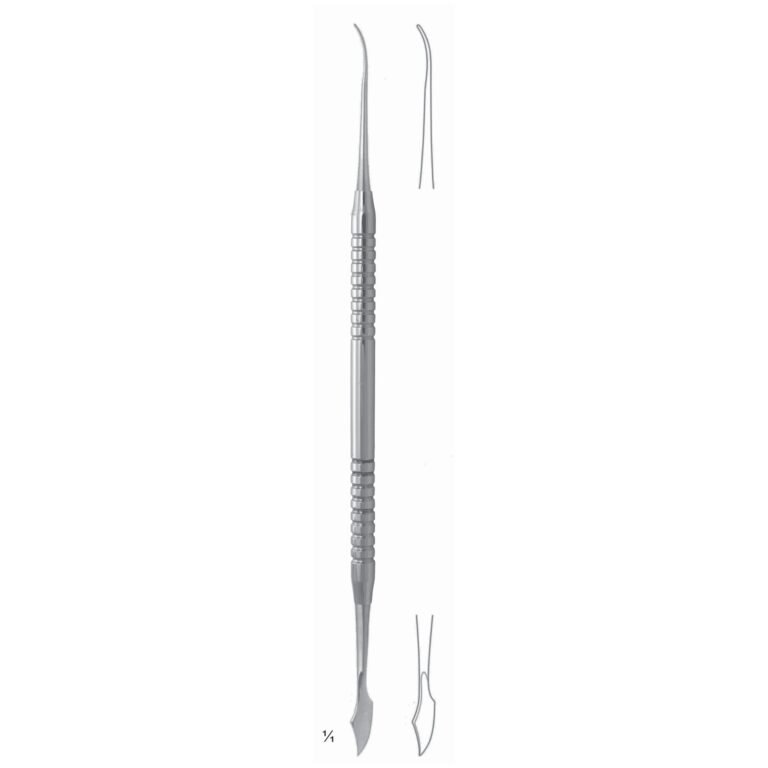
Zahle Wax | NJ Medical Instruments
In stock
Dental Instruments: Types, Uses & How to Choose
Dental instruments are the hand tools dentists and hygienists use to examine, restore, clean, and extract teeth — spanning examination mirrors and probes, restorative pluggers and burnishers, scalers and curettes for periodontal work, and forceps and elevators for extraction. NJ Medical Instruments manufactures the full range in surgical-grade stainless steel, supplied worldwide direct from the factory for individual purchase and for bulk, wholesale, and OEM/private-label supply.
The main groups of dental instruments
Examination instruments — mouth mirrors, explorers (probes), and periodontal probes — let the clinician inspect tooth surfaces, detect caries and calculus, and measure pocket depths at the start of every appointment.
Restorative & amalgam instruments place and shape filling material. Amalgam condensers (pluggers) pack and compress amalgam firmly into the prepared cavity; amalgam burnishers then smooth and adapt the surface to the tooth margins for a tight, polished finish. Carvers and plastic-filling instruments shape the restoration to the natural tooth anatomy before it sets.
Periodontal instruments — scalers and curettes — remove plaque, calculus, and diseased tissue from above and below the gumline. Their fine, angled working tips reach interproximal and subgingival surfaces a brush cannot.
Extraction instruments — extraction forceps and dental elevators — loosen and remove teeth. Elevators luxate the tooth in its socket; forceps grip and deliver it, with pattern shapes matched to upper or lower and anterior or posterior teeth.
Which dental instrument do you need?
| Instrument | Group | Primary use |
|---|---|---|
| Mouth mirror | Examination | Indirect vision, tissue retraction, illumination |
| Explorer / probe | Examination | Detect caries, calculus, restoration margins |
| Amalgam condenser (plugger) | Restorative | Pack and compress amalgam into the cavity |
| Amalgam burnisher | Restorative | Smooth and adapt the amalgam surface to margins |
| Carver | Restorative | Shape restoration to natural tooth anatomy |
| Scaler | Periodontal | Remove supragingival calculus and plaque |
| Curette | Periodontal | Remove subgingival calculus and diseased tissue |
| Extraction forceps / elevator | Extraction | Luxate and remove teeth |
Shop dental instruments by type
Browse the full range and buy individually, or request bulk pricing:
- All Dental Instruments
- Amalgam condensers, pluggers & burnishers for restorative work
- Scalers & curettes for periodontal therapy
- Extraction forceps & elevators
- Examination mirrors, explorers & probes
All manufactured in surgical-grade stainless steel to international standards, reusable and autoclavable, with worldwide shipping.
Bulk, wholesale & OEM supply
As a direct manufacturer, NJ Medical Instruments supplies dental instruments in bulk and wholesale quantities to clinics, dental schools, hospitals, and distributors, and produces OEM / private-label instruments to custom specifications and laser marking. Contact us by email at info@njmedicalinstruments.com or by WhatsApp for volume pricing — no minimum-order barriers, no middlemen.
Frequently asked questions
What are the main types of dental instruments?
Dental instruments fall into four main groups: examination instruments (mirrors, explorers, probes), restorative instruments (amalgam condensers, burnishers, carvers), periodontal instruments (scalers and curettes), and extraction instruments (forceps and elevators).
What is the difference between an amalgam condenser and a burnisher?
An amalgam condenser (plugger) packs and compresses amalgam firmly into the prepared cavity. A burnisher is used afterwards to smooth and adapt the set surface of the amalgam to the tooth margins, giving a tight, polished finish. Condensers pack; burnishers smooth.
What is a dental amalgam plugger used for?
A dental amalgam plugger, also called a condenser, is used to press and condense amalgam filling material into a prepared cavity so it fills every part of the preparation without voids before it is carved and set.
What is the difference between a scaler and a curette?
A scaler has a pointed tip and is used mainly above the gumline to remove supragingival calculus. A curette has a rounded toe and is designed to work below the gumline, removing subgingival calculus and diseased tissue without damaging the surrounding gum.
What are dental explorers used for?
Dental explorers, or probes, have fine sharp tips used to detect caries, check the margins of restorations, and locate calculus by feel during examination.
Do you supply dental instruments in bulk or for OEM or private label?
Yes. As a direct manufacturer we supply all dental instruments in bulk and wholesale quantities and offer OEM or private-label production to custom specifications. Contact us by email or WhatsApp for volume pricing.