



Adenoid Curettes for ENT Clinics, Hospitals, and Professional Surgical Buyers
Adenoid curettes are specialized surgical instruments used during adenoidectomy procedures and related ENT interventions. These tools are designed for the controlled removal or debridement of adenoid tissue from the nasopharyngeal area, where precision, reach, and appropriate instrument design are essential for safe and effective clinical outcomes. For ENT clinics, hospitals, surgical departments, pediatric healthcare facilities, procurement teams, and professional medical buyers, selecting the right adenoid curette is not simply a matter of filling a supply list. It is about choosing an instrument that supports accurate tissue handling, procedural control, and reliable performance in a surgical setting.
NJ Medical Instruments offers a focused selection of adenoid curettes for buyers who need professional-use surgical instruments for ENT and clinical environments. Whether you are sourcing adenoid curettes for a hospital operating theatre, an ENT surgical practice, or a medical procurement department, this category is designed to help customers browse relevant options and make informed purchasing decisions.
About Adenoid Curettes
Adenoid curettes are surgical instruments used primarily in adenoidectomy procedures, where adenoid tissue in the nasopharynx requires removal or reduction. These instruments are also used during related ENT diagnostic and surgical interventions that involve access to the posterior nasal cavity and nasopharyngeal region. Adenoid curettes are commonly used by ENT surgeons, pediatric surgeons, otolaryngologists, and surgical teams working in hospital theatres, day surgery units, and clinical settings where upper airway procedures are performed.
The curette design features a handle connected to a working end that is shaped and angled to allow access to the nasopharynx through the oral cavity. The working end, or blade, is typically basket-shaped or ring-shaped to facilitate controlled scraping, curettage, or tissue removal. Adenoid curettes are available in a range of sizes to accommodate different patient anatomies, particularly in pediatric versus adult cases, where the dimensions of the nasopharyngeal space vary significantly.
For buyers, it is important to understand that adenoid curettes are not a single uniform instrument. Size, blade shape, blade width, handle design, and angle can all vary across different models and manufacturers. A curette sized for a young pediatric patient may not be appropriate for an older child or adult. A blade form designed for one surgical technique may differ from one suited to another approach. This is why professional surgical buyers typically select adenoid curettes based on patient age group, procedure type, anatomical access requirements, and surgical preference.
Professional Adenoid Curettes for Surgical Use
Professional adenoid curettes are used in environments where consistency and controlled surgical performance are essential. Hospital ENT departments and surgical theatres may require instruments that fit defined procedural protocols, sterilization standards, and instrument tray specifications. Pediatric hospitals and surgical centers often maintain a range of curette sizes to accommodate different patient age groups. ENT training programs and surgical education centers may also require adenoid curettes for demonstration, supervised practice, and procedural training.
When choosing adenoid curettes online, buyers should consider the intended surgical application, the patient population being served, the required instrument sizes, and whether the curette design is compatible with the surgical approach and sterilization workflow in use at the facility. For example, a pediatric ENT unit may need a range of smaller-sized curettes to accommodate neonatal, infant, and child patients across different age ranges. A general ENT department may require both pediatric and adult sizes to support a broader patient caseload.
NJ Medical Instruments helps buyers explore adenoid curettes by type and specification, making it easier to compare instruments based on the surgical requirements they are intended to support. This helps ENT departments, surgical procurement teams, and professional medical customers source adenoid curettes online with a clearer understanding of what each instrument is designed to do.
Why Buy Adenoid Curettes from NJ Medical Instruments
Buying adenoid curettes from NJ Medical Instruments gives customers access to a dedicated surgical instruments category built for professional medical and ENT purchasing. Rather than searching through unrelated product listings, buyers can browse a focused selection of surgical tools relevant to ENT practice, hospital departments, and clinical supply operations.
For ENT clinics and surgical units, the main advantage is convenience. A surgical team may need to replace worn instruments, expand an existing instrument set, prepare for increased procedure volume, or build a new instrument tray for a specific ENT procedure. Having adenoid curette options available in an organized category allows buyers to compare instruments and select products based on their actual clinical and procedural needs.
For procurement teams in hospitals and healthcare facilities, organized product categories support faster purchasing decisions. Buyers can review product names, types, sizes, SKUs, pricing, and available specifications before preparing a purchase order or adding items to a cart. For distributors and medical resellers, the category structure can help identify instruments commonly required by ENT departments, surgical centers, and professional medical customers.
For individual professional buyers, the site offers a straightforward way to explore adenoid curettes online and select instruments for surgical use, training, replacement, or procedure preparation. Before ordering, customers should always review each product listing carefully to confirm suitability for the intended clinical application.
Common Uses of Adenoid Curettes
Adenoid curettes are used primarily in adenoidectomy, which is one of the most commonly performed ENT surgical procedures, particularly in pediatric patients. During this procedure, the curette is used to scrape, remove, or reduce hypertrophied adenoid tissue from the roof and posterior wall of the nasopharynx. This tissue removal is typically performed to relieve nasal airway obstruction, reduce recurrent middle ear infections, or address chronic upper respiratory symptoms caused by enlarged adenoids.
Beyond adenoidectomy, adenoid curettes may also be used in related nasopharyngeal procedures where tissue debridement, access, or controlled curettage is required. In some surgical settings, adenoid curettes are used alongside other ENT instruments such as adenoid mirrors, nasopharyngeal retractors, suction devices, and mouth gags to support safe access and procedural control during the operation.
In surgical training and ENT education, adenoid curettes may be used for procedural demonstrations, technique instruction, and supervised practice in clinical skills environments. In instrument tray setups for ENT theatres, adenoid curettes are typically included alongside the broader range of instruments needed for upper airway and nasopharyngeal procedures.
Because the clinical application of adenoid curettes is specific, buyers should select instruments based on the exact surgical requirement, patient population, and procedural context. A hospital performing frequent pediatric adenoidectomies will likely need a range of curette sizes, while a general ENT clinic may require a more limited selection based on procedure volume and patient demographics.
Key Features Buyers Should Look For
When buying adenoid curettes online, customers should look beyond the product name and consider the specific design features that determine whether an instrument is suitable for their needs.
The first consideration is size. Adenoid curettes are available in multiple sizes, and size selection is critical in surgical practice. Larger blade sizes are typically used for adult patients or those with more extensive adenoid tissue, while smaller sizes are used for pediatric patients across different age groups. Buyers should confirm that the available sizes match the patient population and procedures performed at their facility.
The second consideration is blade design. The working end of an adenoid curette may vary in shape, width, depth, and curvature depending on the model. Blade design affects how the curette engages tissue, how much material can be removed in a single pass, and how well the instrument can be positioned within the nasopharyngeal space. Buyers should review blade specifications carefully.
The third consideration is handle design. Handle length, shape, surface texture, and balance affect the surgeon’s grip and control during the procedure. In instruments that require controlled force and directional accuracy, handle design can meaningfully impact procedural comfort and performance.
The fourth consideration is material and sterilization compatibility. Adenoid curettes used in surgical settings must be compatible with the sterilization methods employed by the facility, such as autoclaving. Buyers should review product details and ensure that the instruments meet the facility’s sterilization and infection-control requirements.
The fifth consideration is ordering quantity. Surgical departments often maintain multiple sets of commonly used instruments to support sterilization rotation, procedure scheduling, and backup availability. Buyers should plan order quantities based on procedure volume, tray requirements, and inventory turnover.
How to Choose the Right Adenoid Curettes
Choosing the right adenoid curette starts with the procedure and the patient. Buyers should first identify the age group and anatomical requirements of the patients being treated, as this will largely determine the appropriate curette size range. A pediatric ENT unit will have different size requirements than an adult surgical facility.
Next, buyers should consider the surgical technique and instrument preferences of the operating surgeons. Different surgeons may prefer different handle designs, blade forms, or instrument weights. If an ENT department is standardizing its instrument sets, buyer input from clinical staff can help ensure that ordered instruments align with existing surgical preferences and tray configurations.
Buyers should also consider how the adenoid curettes will integrate into the existing instrument management system at the facility. Instruments need to fit sterilization containers, procedure trays, and storage systems without confusion or misidentification. Ordering instruments with clear size markings or consistent product identification can support better organization within the surgical department.
Comparing products carefully before ordering is also important. Adenoid curettes with similar descriptions may differ in blade width, handle length, or working-end geometry. Reviewing available product specifications and confirming suitability before placing an order can reduce the likelihood of receiving instruments that do not meet the clinical requirement.
Adenoid Curettes for ENT Clinics, Hospitals, and Procurement Teams
ENT clinics require adenoid curettes that support reliable and repeatable procedural outcomes for their patient caseload. In clinics where adenoidectomy is a routine procedure, having the correct curette sizes available at all times is essential for scheduling efficiency and procedural preparation. Many ENT departments maintain multiple sets to ensure that sterilization cycles do not interrupt procedure availability.
Hospitals and larger healthcare facilities often purchase adenoid curettes through central procurement or sterile services departments. In these settings, product selection typically involves departmental clinical input, budget planning, sterilization compatibility review, and alignment with approved supplier lists. Procurement teams benefit from organized product categories that allow comparison of instrument types, sizes, and specifications before finalizing purchase orders.
Distributors and medical resellers may identify adenoid curettes as a relevant product line for ENT departments, pediatric surgical units, and medical supply customers. Because adenoidectomy is one of the most frequently performed procedures in pediatric surgery, adenoid curettes represent a consistent purchasing need for facilities that perform this operation regularly.
Surgical training programs and ENT education centers may require adenoid curettes for skills training, procedural demonstration, and supervised clinical practice. In these settings, product selection may focus on affordability, availability across size ranges, and suitability for repeated educational use.
Ordering Adenoid Curettes Online
Buying adenoid curettes online allows customers to browse available options, review product details, compare sizes and specifications, check pricing, and place orders based on clinical and procurement needs. NJ Medical Instruments provides a structured ecommerce category that allows customers to explore adenoid curettes and select instruments directly from the category page.
Before ordering, customers should review each product listing carefully. Relevant details may include product name, size designation, blade type, handle design, SKU, and any available technical specifications. For buyers sourcing instruments for a specific procedure, department, or patient group, confirming that the selected curette matches the intended requirement before ordering is essential.
Professional buyers may find it helpful to prepare a checklist before placing an order. A surgical ENT department may list the required curette sizes, quantities needed for each tray setup, and any specific design preferences from clinical staff. A procurement team may cross-reference departmental requests with available product options. A distributor may identify the most commonly requested sizes for their customer base and order accordingly.
Online ordering is particularly useful when surgical departments need to restock quickly, replace worn instruments, or compare multiple adenoid curette options in one location. However, buyers should not rely on product names alone. Careful review of available specifications supports better purchasing decisions and reduces the risk of ordering instruments that do not meet the clinical requirement.
Bulk and Professional Adenoid Curette Purchasing
Many professional buyers of adenoid curettes do not purchase a single instrument at a time. ENT departments may need multiple curettes across several sizes to support different patient age groups and procedure types. Hospitals may require larger quantities for departmental supply, sterilization rotation, and backup inventory. Surgical training programs may need instruments for multiple participants in skills courses or supervised practice environments. Distributors may order in volume to maintain stock for professional medical customers.
Bulk purchasing of adenoid curettes should be planned around the facility’s actual clinical requirements. Buyers should consider the number of operating rooms or procedure spaces, daily and weekly procedure volume, sterilization cycle frequency, size range requirements, and expected instrument replacement cycles. A high-volume pediatric surgical unit performing frequent adenoidectomies will have different quantity needs than a low-volume general ENT practice.
Professional buyers should also consider instrument storage and organization as part of the purchasing plan. Adenoid curettes should be stored in appropriate trays or instrument containers, clearly organized by size, and maintained in accessible locations within the surgical department. Good instrument organization supports faster tray setup, reduces procedural delays, and helps protect instruments from damage during storage and handling.
Product Quality and Safe Use Considerations
Adenoid curettes are professional surgical instruments and should be used only by trained and qualified personnel in appropriate clinical settings. Buyers should confirm that instruments are suitable for the intended surgical application and patient population before purchase and use.
Safe use of adenoid curettes depends on correct size selection, appropriate surgical technique, proper post-use cleaning, sterilization, inspection, maintenance, and storage. All surgical instruments should be handled in accordance with applicable infection-control protocols, sterilization standards, manufacturer guidance, and institutional policies. Instruments should be inspected before and after each use for signs of wear, damage, blade deformation, handle looseness, surface corrosion, or any condition that may affect safe clinical performance. Any instrument that does not meet the facility’s safety or usability standards should be removed from service immediately.
Buyers should also recognize that using an incorrectly sized or unsuitably designed adenoid curette can create unnecessary difficulty during surgical procedures and may affect clinical outcomes. Instrument selection should always be based on professional clinical judgment, patient-specific requirements, and confirmed product suitability rather than price or availability alone.
Why Product Details Matter Before Buying
In an ecommerce environment, surgical instruments such as adenoid curettes may appear straightforward from a product name alone. However, small differences in size, blade width, blade depth, handle length, angle, and working-end design can determine whether an instrument is appropriate for the intended use.
Buyers should review the full product title and all available product information before placing an order. Size designations, blade type descriptions, and any pattern or model identifiers should be checked carefully against the clinical requirement. For example, a size 2 adenoid curette will have different blade dimensions than a size 4, and using the wrong size for a given patient may affect access, tissue engagement, and procedural control. Similarly, instruments with similar names but different working-end designs may suit different surgical techniques or anatomical approaches.
This level of attention to product detail helps reduce ordering errors and supports better purchasing outcomes. For surgical departments and procurement teams, confirming instrument suitability before purchase can also reduce the delays and costs associated with returns, instrument mismatches, or incomplete tray setups.
Customer-Focused Buying Support
NJ Medical Instruments is built for customers who need surgical and medical instruments for real professional use. Whether you are purchasing adenoid curettes for an ENT department, a pediatric surgical unit, a hospital procurement team, a training program, or a medical supply business, this category is designed to help you explore relevant instruments in one organized location.
Customers can browse available adenoid curettes, review product types and sizes, check specifications, and select instruments based on professional and clinical requirements. The goal is to make the buying process straightforward for customers who already understand their surgical needs and want a reliable platform for ordering adenoid curettes online.
If you are unsure which adenoid curette size or design is suitable for your setting, review the available product details carefully and compare instrument specifications against your clinical requirements. For decisions involving surgical application and patient safety, always rely on trained ENT professionals and internal facility protocols.
Buy Adenoid Curettes Online from NJ Medical Instruments
Explore adenoid curettes at NJ Medical Instruments and choose the sizes and designs that fit your ENT clinic, hospital surgical department, pediatric facility, procurement team, training program, or professional medical supply needs. Browse available curette sizes and types designed for professional adenoidectomy and ENT surgical purchasing.
Before ordering, review each product carefully to confirm size, blade design, suitability, quantity, and intended use. For ENT departments and surgical buyers, careful instrument selection supports better procedural preparation, reliable tray setups, and more efficient clinical purchasing.
Frequently Asked Questions About Adenoid Curettes
1. Can I buy adenoid curettes online from NJ Medical Instruments? Yes. Customers can browse and purchase adenoid curettes online through NJ Medical Instruments. The category includes instruments intended for professional ENT, surgical, and healthcare purchasing needs. Before placing an order, buyers should review each product listing carefully, including the product name, size, blade type, SKU, and any available specifications, to confirm that the selected instrument matches the intended clinical or procedural requirement.
2. What sizes of adenoid curettes are available? Adenoid curettes are typically available in multiple sizes to accommodate different patient anatomies and age groups. Common size ranges are used to differentiate instruments suited for pediatric patients of varying ages and for adult patients. Product availability may vary, so buyers should browse the category page and check individual product listings to confirm which sizes are currently in stock before ordering.
3. Who usually buys adenoid curettes? Adenoid curettes are commonly purchased by ENT clinics, hospital surgical departments, pediatric surgical units, oral and maxillofacial surgery departments, ENT training programs, medical procurement teams, surgical instrument distributors, and trained healthcare professionals. Some buyers purchase for routine clinical use, while others order for instrument replacement, tray building, training purposes, or professional resale. The appropriate selection depends on the buyer’s professional setting and intended surgical application.
4. How do I choose the right size adenoid curette? Size selection for adenoid curettes should be based primarily on the patient’s age and the anatomical dimensions of the nasopharyngeal space. Smaller sizes are generally used for younger pediatric patients, while larger sizes are used for older children or adults. Buyers should review the available size designations, compare them against the patient population served, and consult clinical staff when standardizing instrument sets for a department or tray setup.
5. Are adenoid curettes suitable for hospital surgical departments? Adenoid curettes in this category are intended for professional surgical and healthcare purchasing needs. Hospital ENT departments, pediatric surgical units, and procurement teams can browse available products and select instruments according to departmental requirements. Buyers should review product details before purchase and ensure that instruments are used, cleaned, sterilized, and maintained in accordance with applicable clinical protocols and institutional standards.
6. Can adenoid curettes be ordered in bulk? Professional buyers frequently require multiple adenoid curettes for surgical tray setups, sterilization rotation, replacement stock, training programs, or distribution. Bulk purchasing decisions should be based on procedure volume, patient population, required size range, and inventory planning. Customers should review available products and order quantities according to their facility or business needs.
7. What should buyers check before ordering adenoid curettes? Before ordering, buyers should check the product name, size designation, blade design, handle type, SKU, price, and any available specifications. They should also confirm whether the instrument matches the intended surgical application, patient age group, and sterilization compatibility requirements of the facility. This is especially important for instruments where size and blade design directly affect surgical performance and patient access.
8. Are adenoid curettes reusable? Many professional adenoid curettes are designed for repeated surgical use when properly cleaned, sterilized, maintained, and stored in accordance with applicable clinical protocols and product-specific guidance. Reuse suitability depends on the instrument type, material, and product instructions. Buyers should follow their facility’s infection-control and sterilization standards and inspect instruments regularly for blade damage, handle wear, corrosion, or any condition that may affect safe clinical use.
9. What other instruments are commonly used alongside adenoid curettes? Adenoid curettes are often used as part of a broader ENT instrument setup for adenoidectomy and nasopharyngeal procedures. Related instruments commonly used alongside adenoid curettes may include adenoid mirrors, mouth gags, nasopharyngeal retractors, suction tips, tongue depressors, tissue forceps, and other ENT surgical accessories. The exact instrument selection depends on the procedure, surgical technique, and facility protocol.
10. Can distributors and resellers purchase adenoid curettes from this category? Yes. Distributors and resellers can browse this category to identify adenoid curettes that may be suitable for professional medical supply needs. Adenoid curettes are a relevant product line for ENT departments, pediatric surgical facilities, and medical procurement customers. Product selection should be based on customer demand, intended market, required size range, quantity needs, and available product specifications.
11. Why is choosing the correct size adenoid curette important? Selecting the correct curette size directly affects the surgeon’s ability to access, engage, and manage adenoid tissue safely and effectively during the procedure. Using an instrument that is too large or too small for the patient’s nasopharyngeal anatomy can reduce procedural control, increase procedural difficulty, and affect clinical outcomes. Buyers should always select adenoid curettes based on professional surgical judgment and confirmed patient suitability.
12. How should adenoid curettes be maintained after purchase? Adenoid curettes should be cleaned, sterilized, inspected, and stored according to applicable surgical protocols, product-specific guidance, and institutional infection-control standards. After each use, instruments should be checked for blade deformation, edge wear, surface corrosion, handle integrity, and overall condition. Any instrument that shows signs of damage or does not meet the facility’s performance or safety standards should be removed from service and replaced.
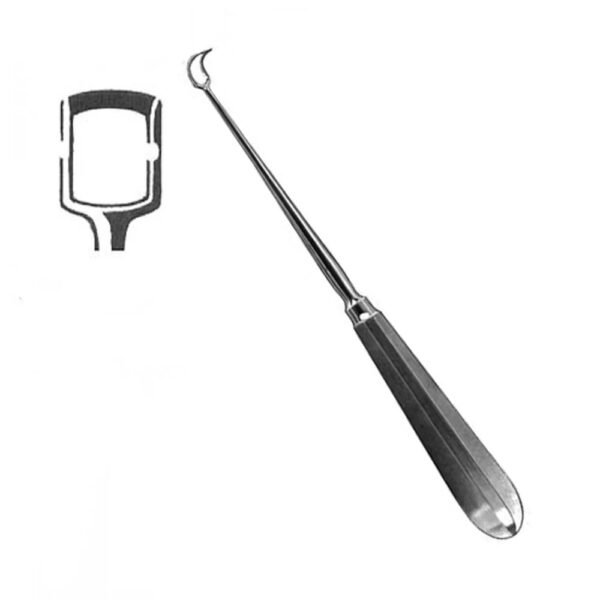
Vogel Adenoid Curette, 21.5 cm, 8 mm, Stainless Steel | NJ Medical Instruments
SKU:
NJME-73
Original price was: $ 20.$ 19Current price is: $ 19.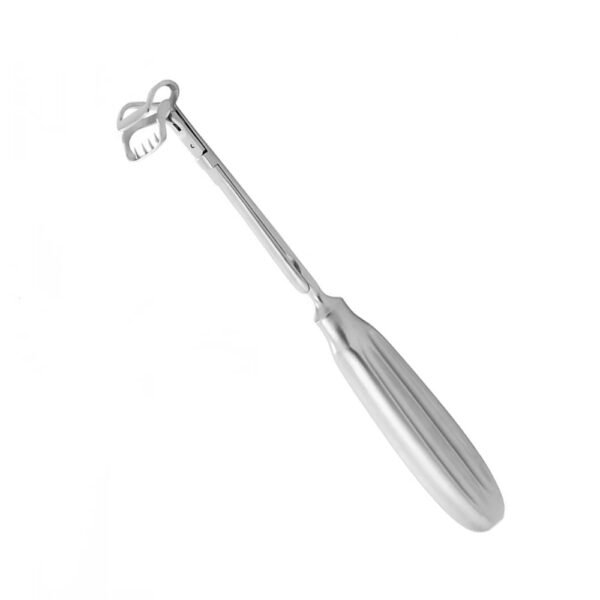
St.Clair Thomson Adenoid Curette, Stainless Steel | NJ Medical Instruments
SKU:
NJME-72
Original price was: $ 33.$ 31Current price is: $ 31.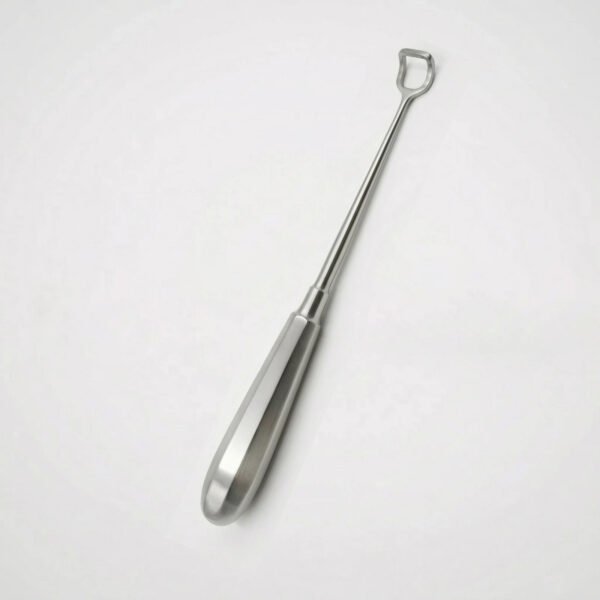
Beckmann / Barnhill Adenoid curette | NJ Medical Instruments
SKU:
NJME-71
Original price was: $ 24.$ 22Current price is: $ 22.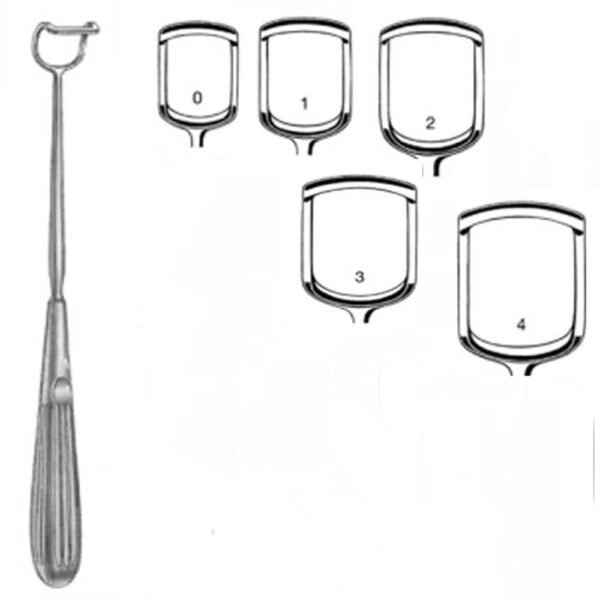
Barnhill Adenoid Curette, Stainless Steel | NJ Medical Instruments
SKU:
NJM-70
Original price was: $ 20.$ 19Current price is: $ 19.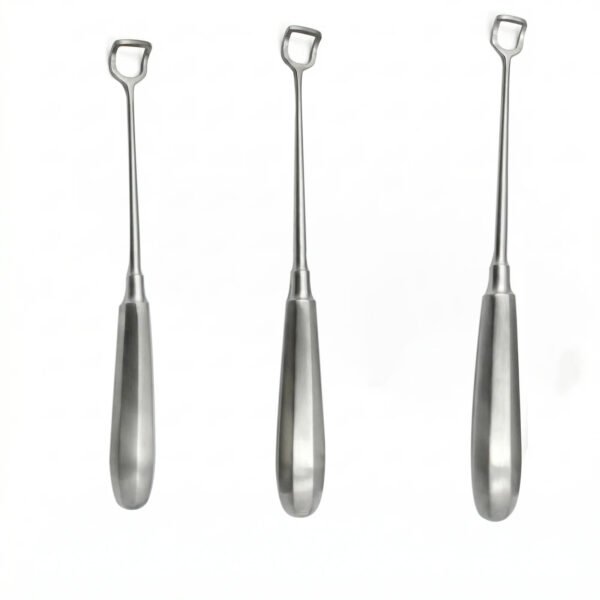
Barnhill Adenoid Curette Set of 3 Pcs | NJ Medical Instruments
SKU:
NJME-69
Original price was: $ 62.$ 55Current price is: $ 55.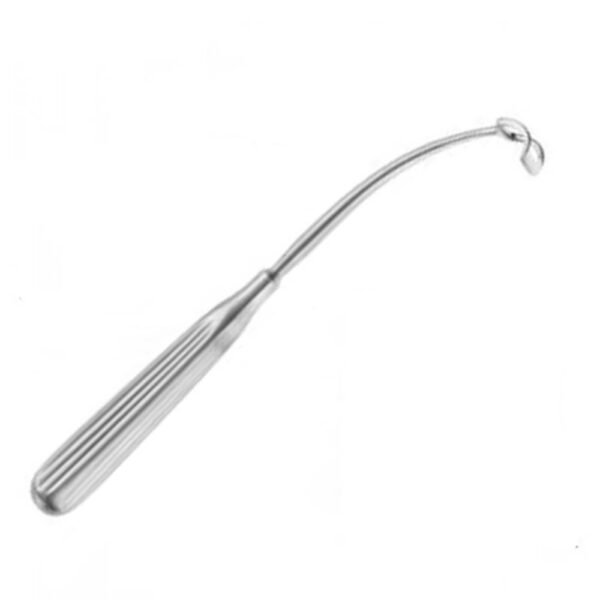
Shambaugh Adenoid Curette – Curved Backwards, Stainless Steel | NJ Medical Instruments
SKU:
NJME-68
Original price was: $ 19.$ 18Current price is: $ 18.