



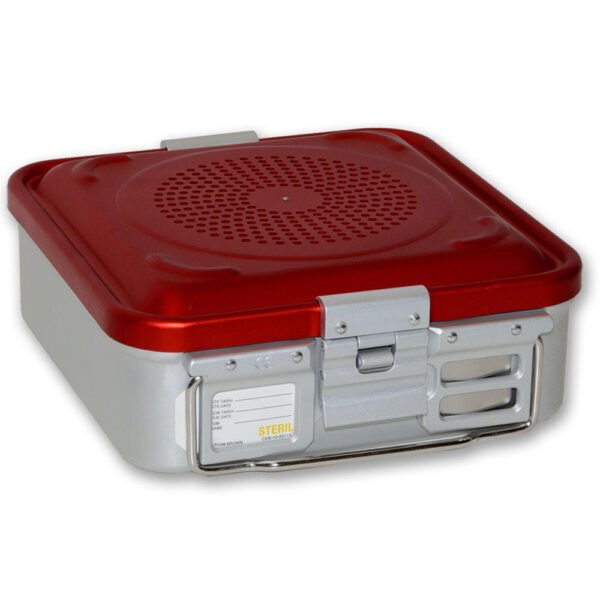
CONTAINER WITH FILTER small h 100 mm | NJ Medical Instruments
SKU:
NJM-26643
Original price was: $ 207.$ 195Current price is: $ 195.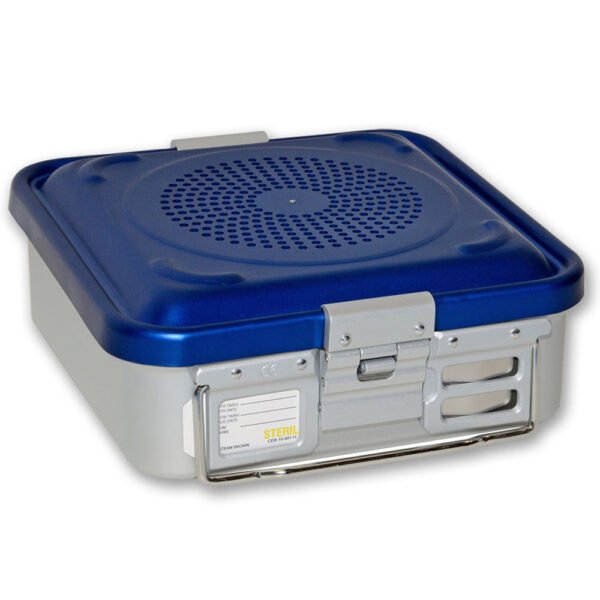
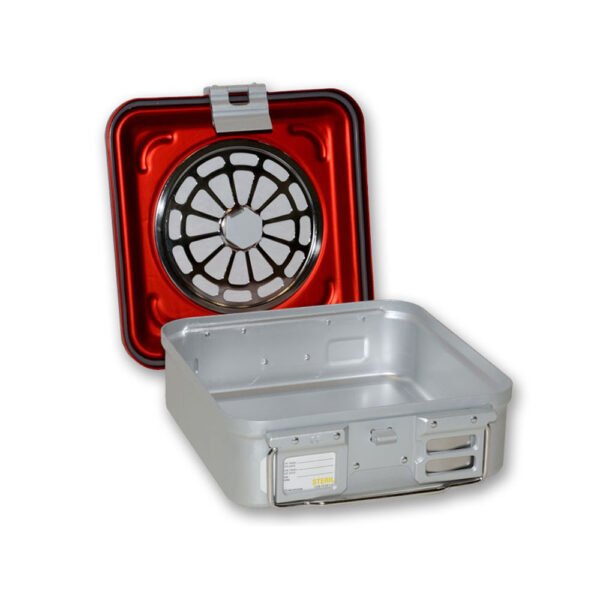
CONTAINER WITH FILTER small h 100 mm | NJ Medical Instruments
SKU:
NJM-26645
Original price was: $ 207.$ 195Current price is: $ 195.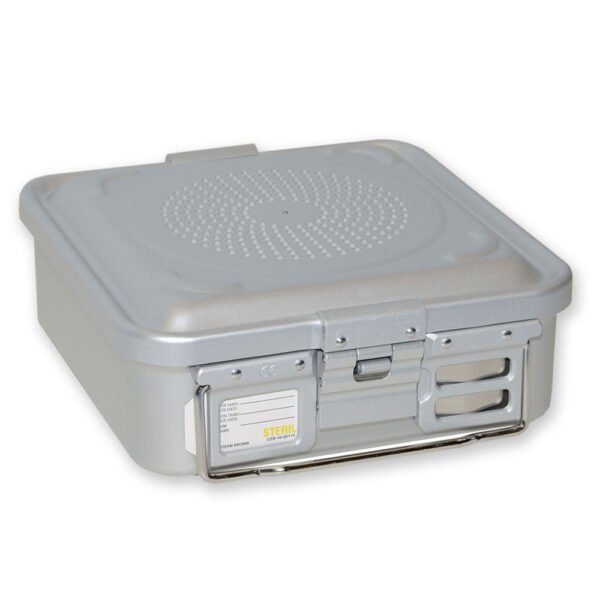
CONTAINER WITH FILTER small h 100 mm grey | NJ Medical Instruments
SKU:
NJM-26638
Original price was: $ 207.$ 195Current price is: $ 195.
CONTAINER WITH FILTER small h 135 mm | NJ Medical Instruments
SKU:
NJM-26646
Original price was: $ 207.$ 195Current price is: $ 195.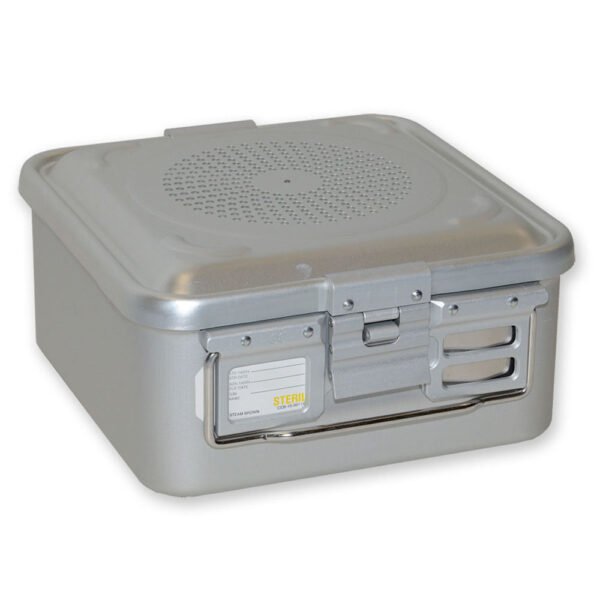
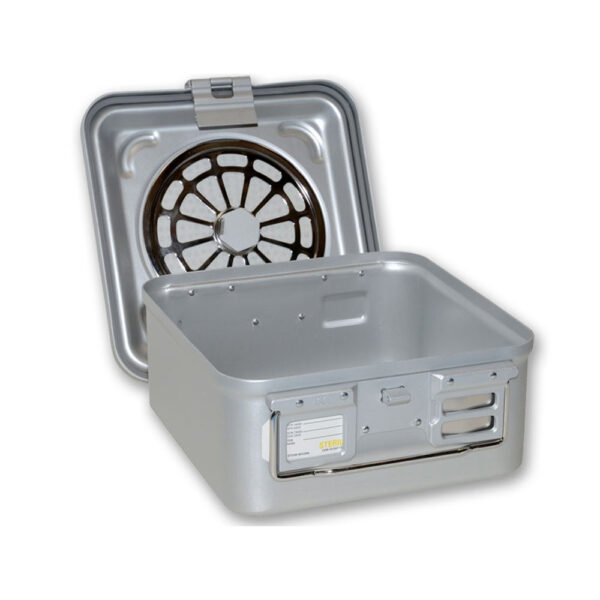
CONTAINER WITH FILTER small h 135 mm grey | NJ Medical Instruments
SKU:
NJM-26639
Original price was: $ 207.$ 195Current price is: $ 195.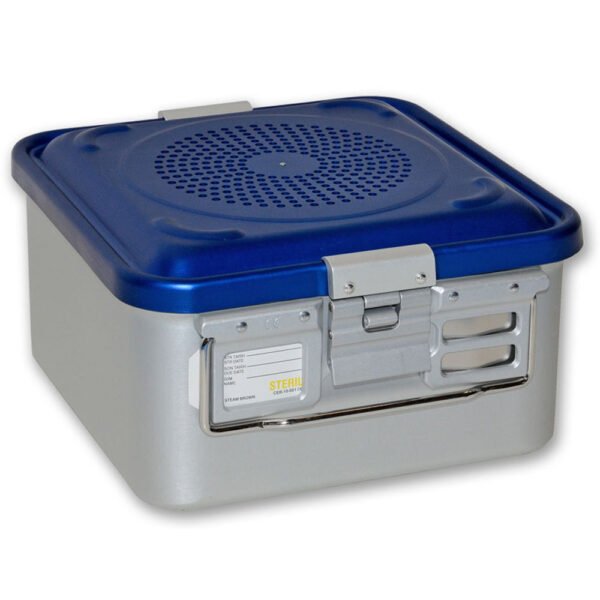
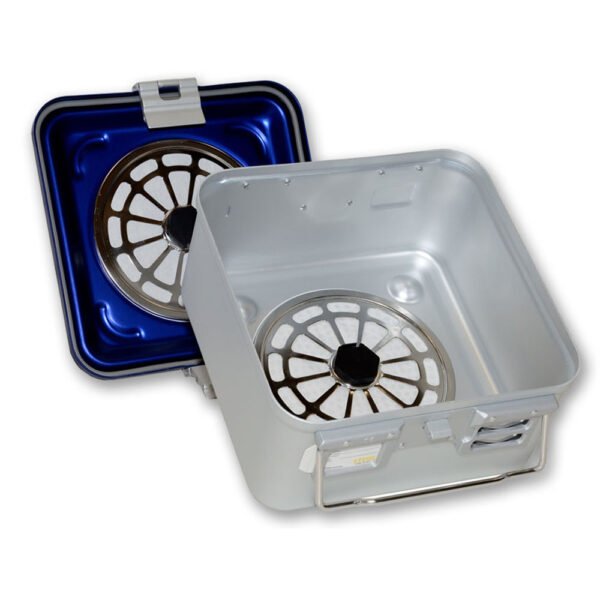
CONTAINER WITH FILTER small h 150 mm – blue – perforated | NJ Medical Instruments
SKU:
NJM-26647
Original price was: $ 207.$ 195Current price is: $ 195.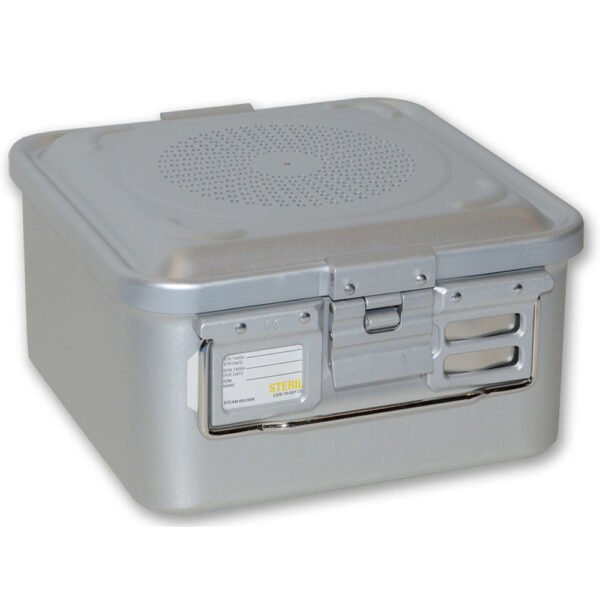
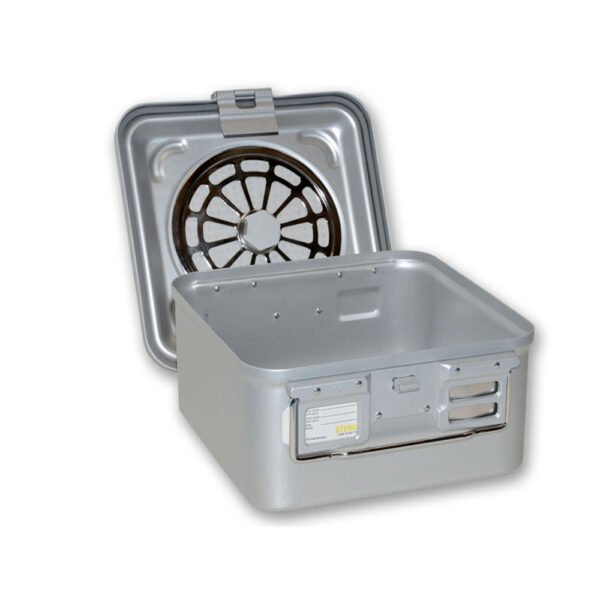
CONTAINER WITH FILTER small h 150 mm | NJ Medical Instruments
SKU:
NJM-26640
Original price was: $ 207.$ 195Current price is: $ 195.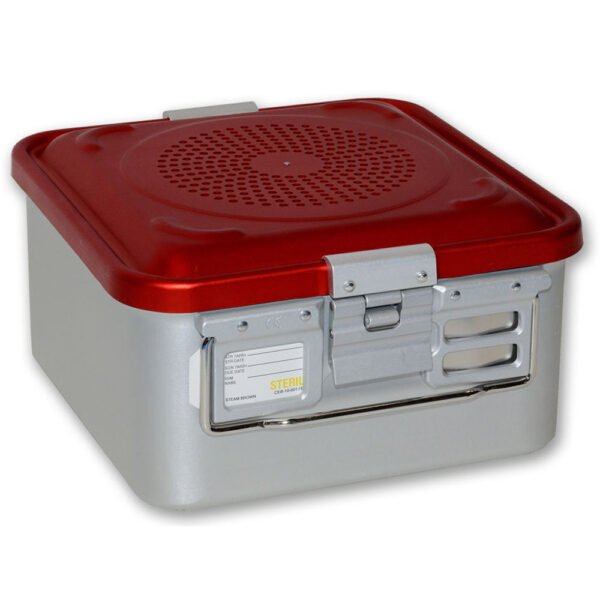
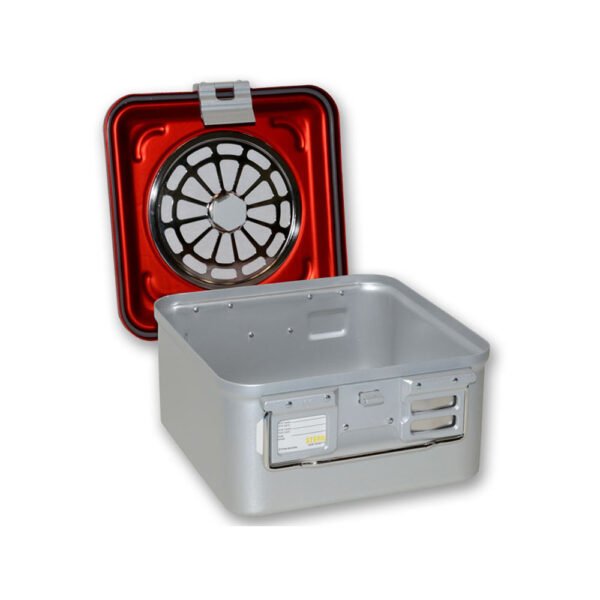
CONTAINER WITH FILTER small h 150 mm | NJ Medical Instruments
SKU:
NJM-26644
Original price was: $ 207.$ 195Current price is: $ 195.
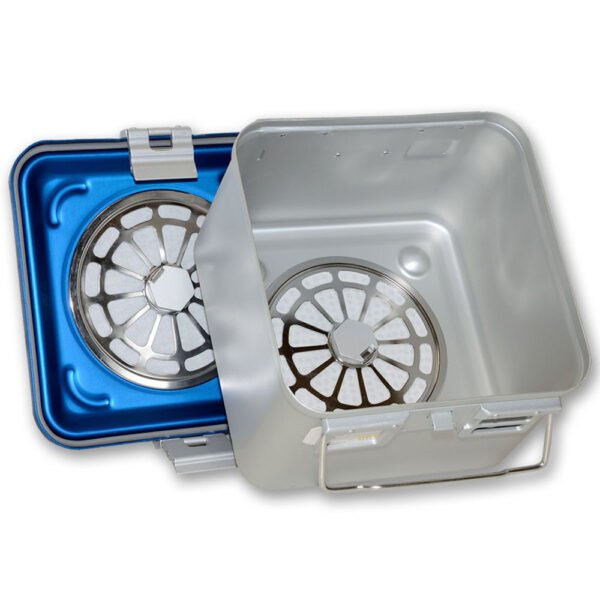
CONTAINER WITH FILTER small h 200 mm – blue – perforated | NJ Medical Instruments
SKU:
NJM-26648
Original price was: $ 207.$ 195Current price is: $ 195.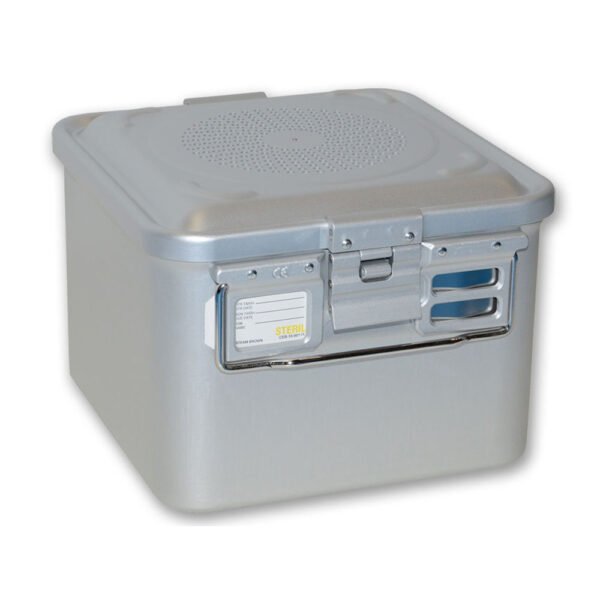
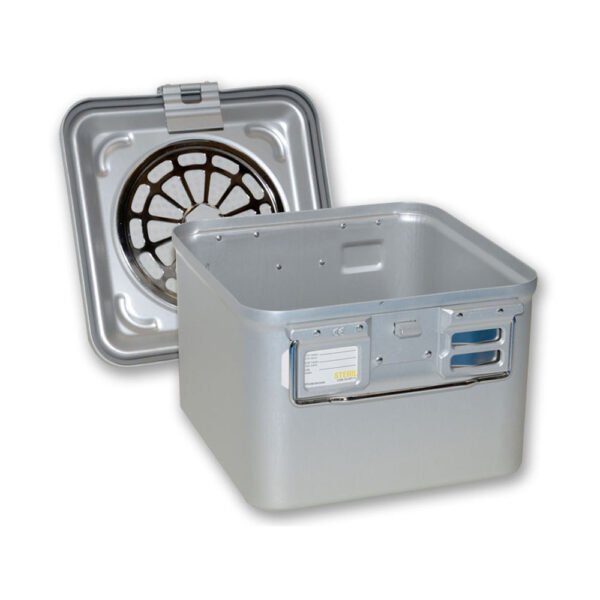
CONTAINER WITH FILTER small h 200 mm | NJ Medical Instruments
SKU:
NJM-26641
Original price was: $ 207.$ 195Current price is: $ 195.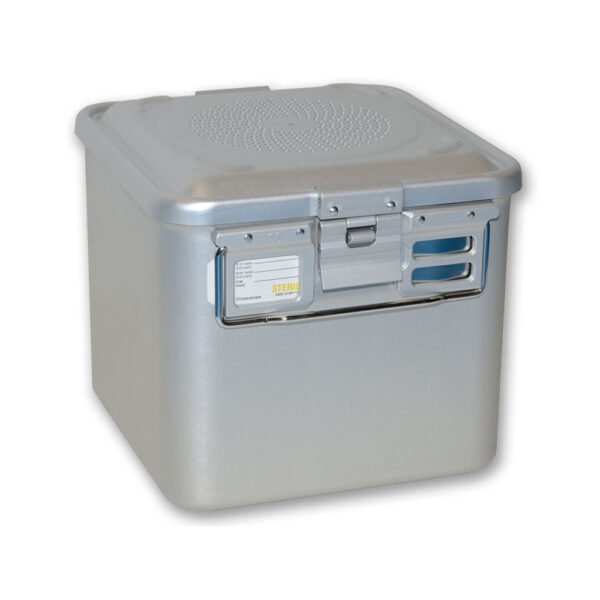
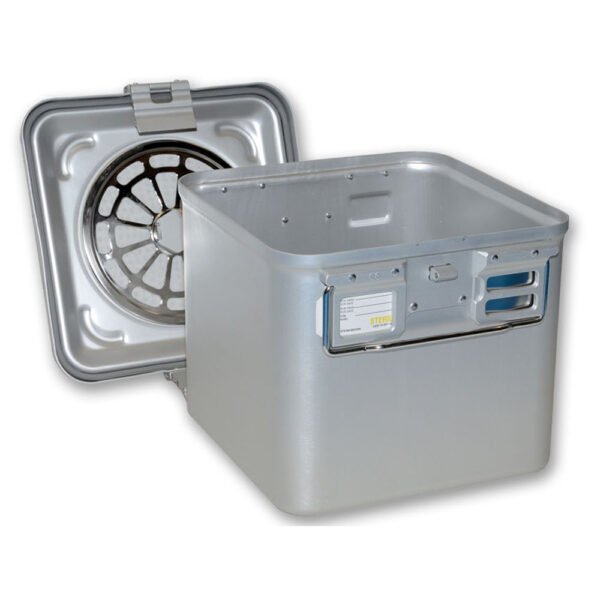
CONTAINER WITH FILTER small h 260 mm | NJ Medical Instruments
SKU:
NJM-26642
Original price was: $ 207.$ 195Current price is: $ 195.Sterilisation Containers with Filter for Sale - Autoclavable Instrument Containers in Multiple Heights
The sterilisation container is the final link in the sterility assurance chain before an instrument reaches the operative field. From the moment a container is sealed after loading in the CSSD (Central Sterilisation and Supply Department) to the moment it is opened at the sterile field, the container is responsible for maintaining the sterility of everything inside it. A container that seals poorly, whose filter fails to prevent recontamination after the cycle, or whose lid lock releases during handling between CSSD and theatre undermines the autoclave process regardless of how well the sterilisation cycle itself was run.
This matters more than it might appear from the outside. Hospital infection control incidents traced to inadequate sterile storage are not uncommon, and the chain of custody from the autoclave to the operating table is where many of them originate. The container, not the autoclave, is what the scrub nurse is actually opening at the sterile field. It needs to be right.
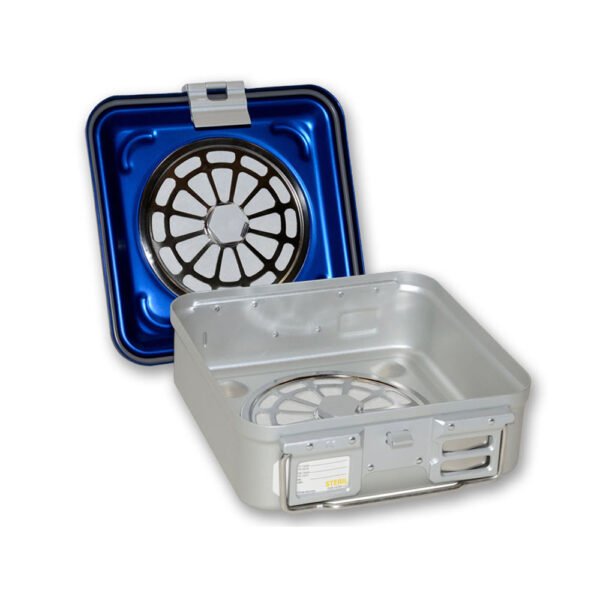
The sterilisation containers in this category at NJ Medical Instruments are rigid-walled containers with filter systems, available in multiple heights and two colour options, designed for steam sterilisation cycles and instrument transport from CSSD to operating theatre.
How Filter Containers Work and Why Height Matters
A filter container allows steam to penetrate during the autoclave cycle and prevents microbial recontamination after the cycle ends. The filter element - typically a microporous bacterial filter in the lid and/or base - allows steam in and out during the sterilisation process but blocks the passage of microorganisms once the container has cooled. This means the internal environment remains sterile until the filter is breached or the seal is broken.
Container height determines capacity - how many instruments, or how large a set, can be loaded inside. Getting height selection right matters for two reasons. First, a container that is too small for the intended set cannot be sealed properly with instruments overloading the rim. Second, a container that is too tall for the instruments it carries increases the risk of instruments shifting during transport and potentially damaging each other or the filter seals through movement.
The Available Container Configurations
Container with Filter, H 100 mm - Standard
The Container with Filter, H 100 mm is the compact option suited for smaller instrument sets - procedure-specific trays, minor surgery kits, individual instrument groups, or supplementary sets where a full-height container would be unnecessary. The 100 mm internal height suits instruments that lie flat without stacking. CE-certified, autoclavable.
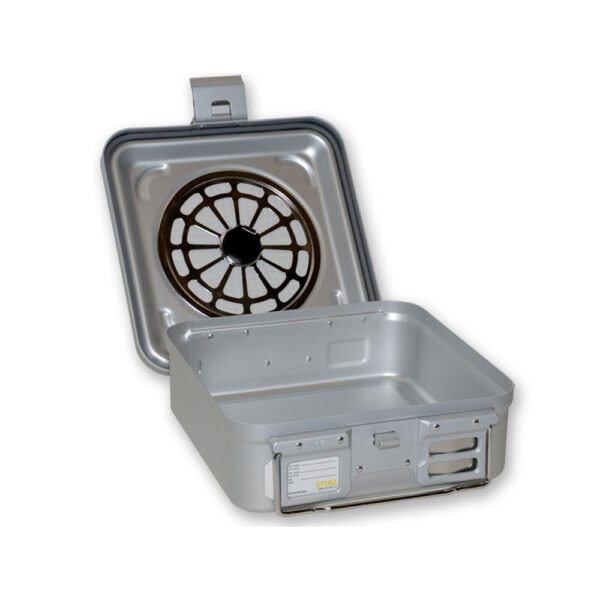
Container with Filter, H 100 mm - Grey
The Container with Filter, H 100 mm - Grey provides the same 100 mm height capacity in a grey colour variant. Colour coding in CSSD systems serves a practical function: different colours distinguish sets by specialty, risk level, or department, which reduces the chance of the wrong tray being opened at the wrong operative site. A grey container signals a specific category in the department's colour protocol. CE-certified, autoclavable.
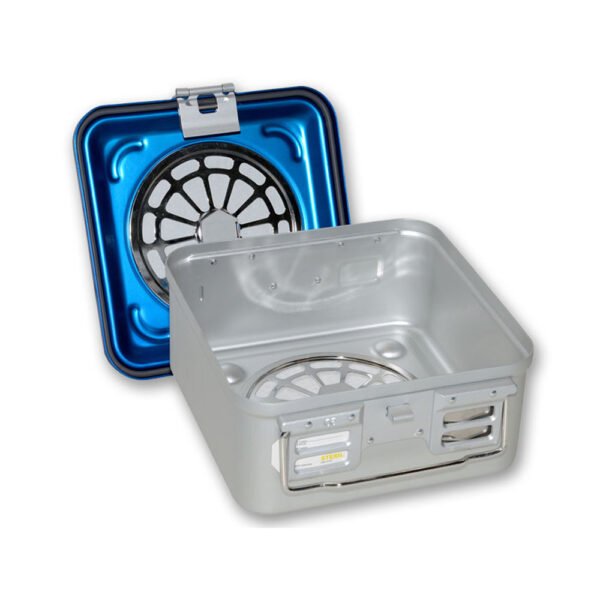
Container with Filter, H 150 mm - Blue, Perforated
The Container with Filter, H 150 mm - Blue - Perforated adds a third variable: the perforated base. Perforation in the container base allows steam and condensate to move more freely during the sterilisation cycle, improving steam penetration to all surfaces of instruments loaded inside the container. For dense or complex instrument sets where steam distribution is a concern, the perforated base option provides more consistent sterilisation exposure. The 150 mm height accommodates taller or layered instrument sets. Blue colour for specialty coding. CE-certified, autoclavable.
Container with Filter, H 200 mm - Standard
The Container with Filter, H 200 mm is the tallest option in this range - suited for full surgical trays with instruments that cannot be laid flat, sets with handles and shafts that project above the container's mid-plane, or any situation where the 100 - 150 mm options would result in instruments pressing against the lid seal. CE-certified, autoclavable.
Ordering and Supply
NJ Medical Instruments ships sterilisation containers worldwide. Bulk pricing is available for hospitals and CSSD departments. Contact info@njmedicalinstruments.com or WhatsApp +92-333-8733922.