



Nasal Scissors
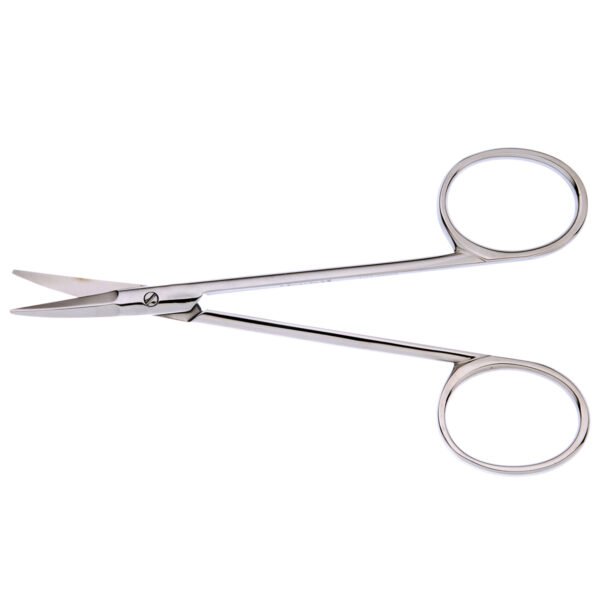
Fomon Nasal Scissors | NJ Medical Instruments
SKU:
NJM-26358
Original price was: $ 30.$ 20Current price is: $ 20.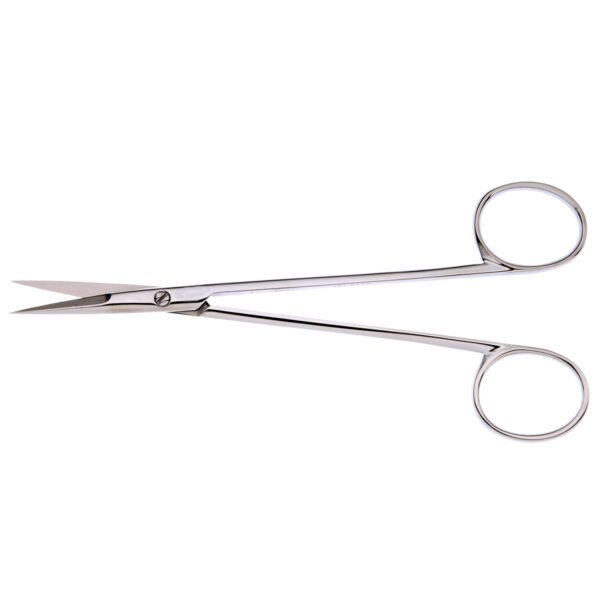
Joseph Nasal Scissors | NJ Medical Instruments
Original price was: $ 30.$ 20Current price is: $ 20.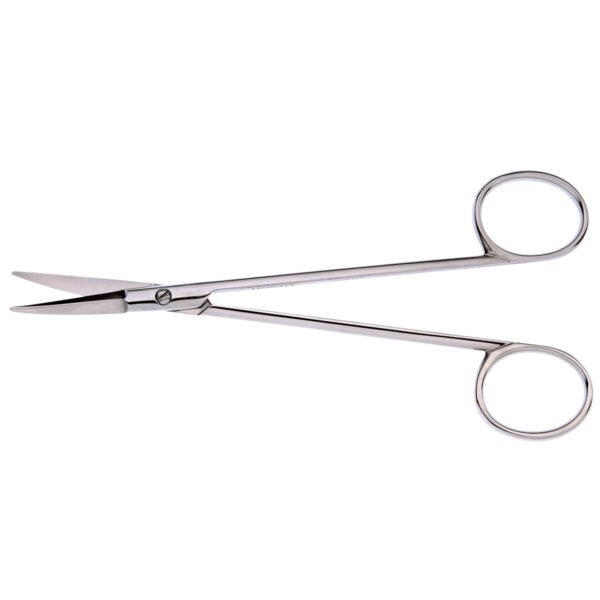
Peck-joseph Nasal Scissors | NJ Medical Instruments
Price range: $ 20 through $ 30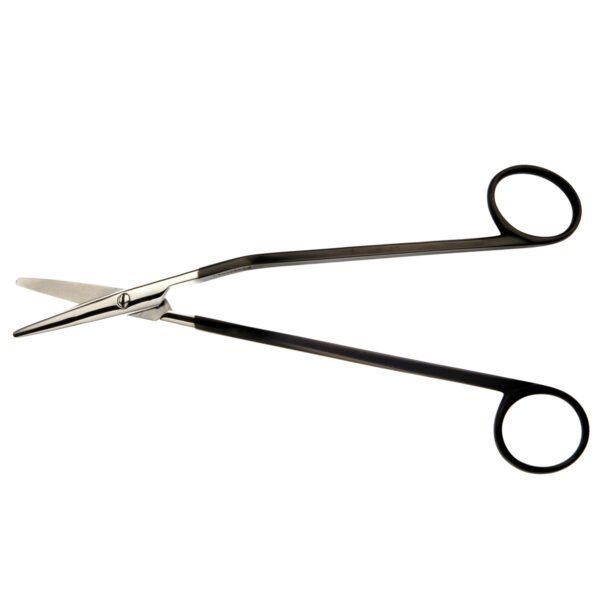
Supercut Nasal Scissors | NJ Medical Instruments
SKU:
NJM-26372
Original price was: $ 30.$ 20Current price is: $ 20.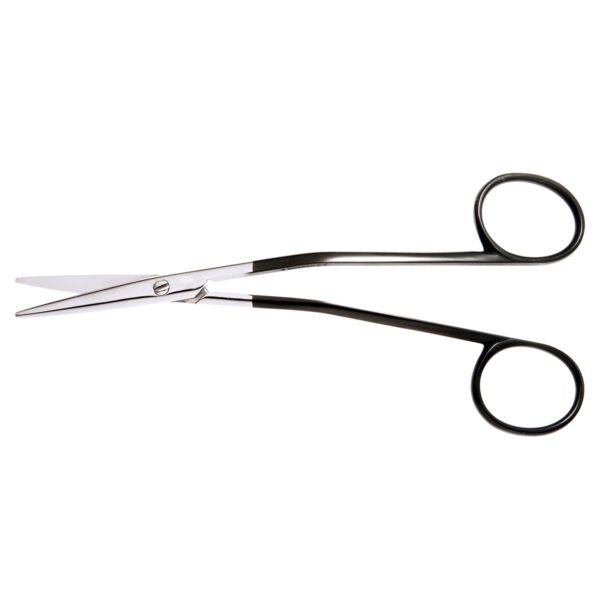
Fomon Supercut Nasal Scissors | NJ Medical Instruments
SKU:
NJM-26371
Original price was: $ 31.$ 24Current price is: $ 24.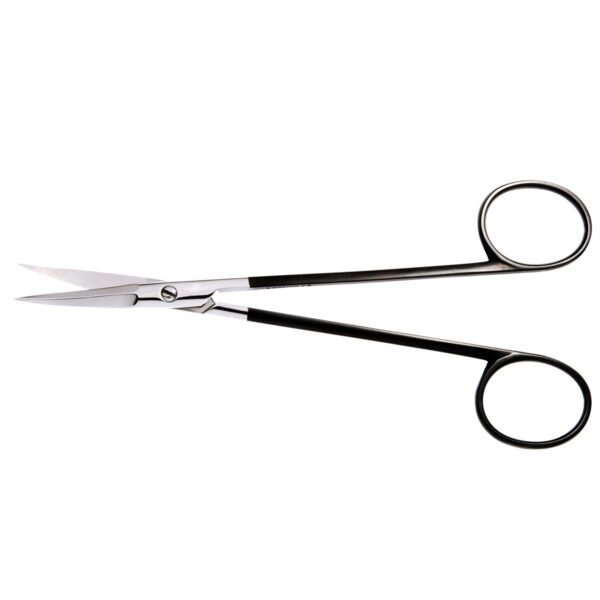
Peck-joseph Supercut Nasal Scissors | NJ Medical Instruments
Price range: $ 28 through $ 29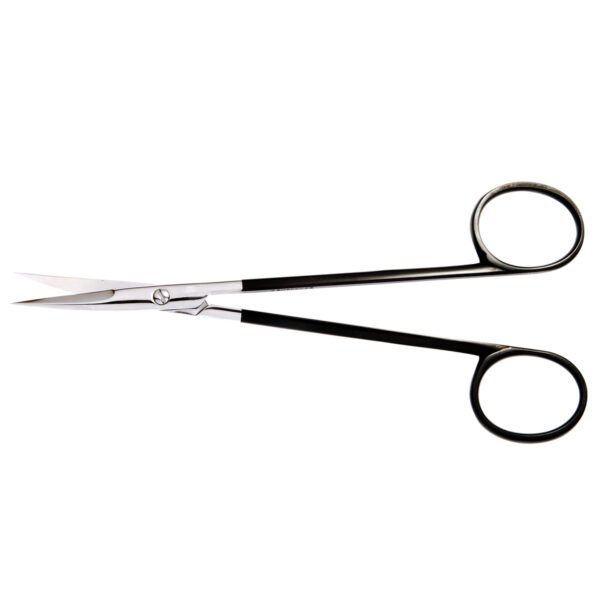
Joseph Supercut Nasal Scissors | NJ Medical Instruments
Original price was: $ 33.$ 29Current price is: $ 29.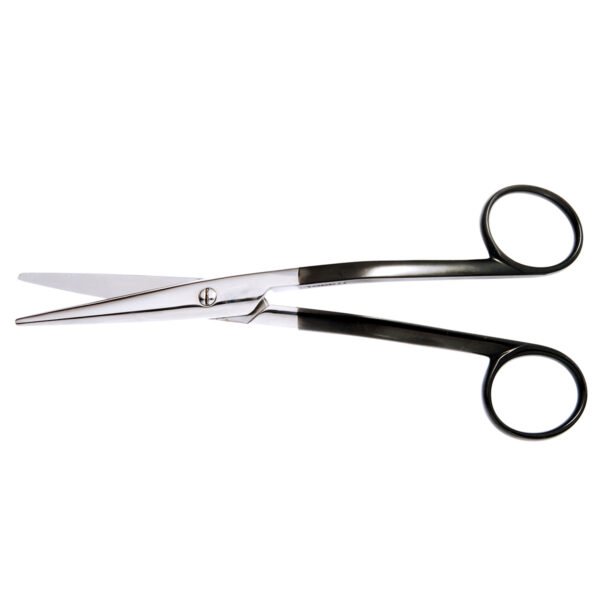
NJ Medical Instruments Cottle Supercut Nasal Scissors | NJ Medical Instruments
Original price was: $ 33.$ 29Current price is: $ 29.Nasal Scissors for Rhinoplasty and Septoplasty - SuperCut Instruments for Precise Nasal Surgery
The nasal cavity is a confined working space. The instruments that enter it during rhinoplasty, septoplasty, and septorhinoplasty have to perform their function within tight dimensional constraints - a tip that is too wide misses the tissue plane it's targeting, one that is too long hits the posterior septal margin before the cut is complete, and one with any lateral instability during closure pushes tissue rather than cutting it. Nasal scissors that don't work precisely in this context don't just produce poor results - they make the procedure take longer and give the surgeon less control over each step.
This is why nasal scissors are a specific instrument category, and why the named pattern variants - Cottle, Fomon, Peck-Joseph - exist as distinct instruments rather than one general nasal scissors covering all applications. Each surgeon who contributed their name developed their blade geometry in the context of a specific technical approach to nasal tissue, and the instruments reflect those different operative requirements.
All three nasal scissors in this subcategory use the SuperCut mechanism and are manufactured from surgical-grade stainless steel at NJ Medical Instruments' Sialkot facility, CE-certified, and autoclavable.
The SuperCut Mechanism in Nasal Surgery - Why All Three Instruments Use It
Nasal tissue - mucoperichondrium, cartilage edges, soft tissue attachments between structural components - presents the same tissue-sliding problem as other thin or fibrous tissue types. Standard plain-blade scissors close on thin mucosa and push it forward rather than cutting cleanly, which requires the surgeon to apply contact pressure to keep the tissue against the blade. Inside the nasal cavity with limited vision and restricted access, contact pressure applied to mucosa can tear it rather than cut it.
The SuperCut mechanism (one micro-serrated blade engaging tissue while one plain blade cuts) solves this: the serrated blade catches the tissue immediately on first contact, holds it in position, and the cut completes on that single closure. For the intercartilaginous incisions of open rhinoplasty, mucoperichondrial cuts in septoplasty, and soft tissue releases in tip work, this translates directly to cleaner incisions and less tissue trauma than plain-blade scissors would produce.
Named Pattern Nasal Scissors and Their Specific Applications
Cottle SuperCut Nasal Scissors
Maurice Cottle's systematic approach to septal surgery influenced instrument design directly. His nasal scissors geometry suits the specific cuts involved in Cottle-technique septoplasty - particularly mucoperichondrial incisions and the cuts needed to address deviated cartilage and bone within the nasal corridor. The blade profile and length are calibrated for intranasal access in the context of a procedure where the mucoperichondrial flap has already been elevated and the cartilage structure is exposed.
The Cottle SuperCut Nasal Scissors is the standard instrument for Cottle-influenced septoplasty technique. CE-certified, autoclavable.
Fomon SuperCut Nasal Scissors
Robert Fomon's contributions to rhinoplasty technique, particularly his systematic approach to nasal anatomy in aesthetic rhinoplasty, informed his instrument preferences. The Fomon nasal scissors has a blade geometry suited to the soft tissue cuts in rhinoplasty - intercartilaginous incisions, soft tissue attachment division, and the precise cuts needed in open rhinoplasty tip work where accuracy determines the result.
The Fomon SuperCut Nasal Scissors is the appropriate instrument for surgeons trained in Fomon-influenced rhinoplasty technique or working from similar open rhinoplasty approaches. CE-certified, autoclavable.
Peck-Joseph SuperCut Nasal Scissors
The Peck-Joseph scissors combines the influences of two rhinoplasty traditions - Gary Peck's natural-result aesthetic rhinoplasty philosophy and the Joseph nasal surgery instrument heritage. The resulting blade geometry suits intranasal cuts in both open and closed rhinoplasty, with proportions that work in the nasal corridor access typical of both approach styles.
The Peck-Joseph SuperCut Nasal Scissors is used by surgeons who work in the tradition of either Peck or Joseph approach techniques, or whose technique combines elements of both. CE-certified, autoclavable.
Ordering and Supply
NJ Medical Instruments ships nasal scissors and rhinoplasty instruments worldwide with ISO and CE certification. Bulk pricing is available for ENT and plastic surgery units. Contact info@njmedicalinstruments.com or WhatsApp +92-333-8733922.