




Aston Supercut Face-lift Scissors | NJ Medical Instruments
SKU:
NJM-26010
Original price was: $ 39.$ 31Current price is: $ 31.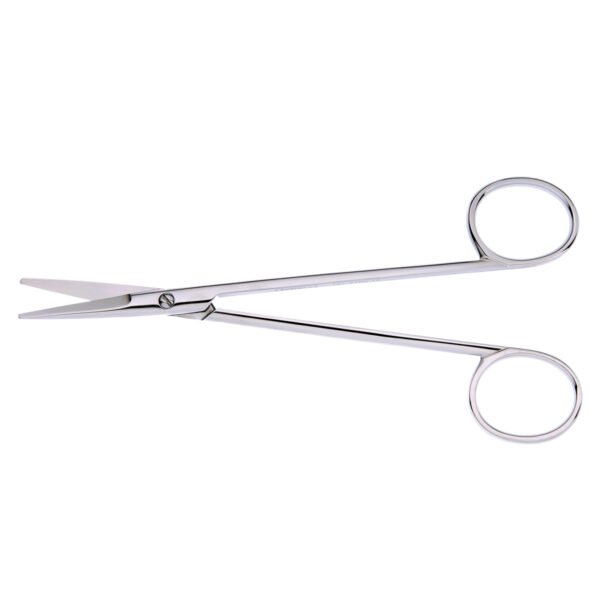
Baby Mayo Dissecting Scissors | NJ Medical Instruments
SKU:
NJM-26011
Original price was: $ 30.$ 20Current price is: $ 20.
Baby Metzenbaum Diamond Supercut Dissecting Scissors | NJ Medical Instruments
SKU:
NJM-26100
Original price was: $ 27.$ 23Current price is: $ 23.
Baby Metzenbaum Diamond Supercut Dissecting Scissors | NJ Medical Instruments
SKU:
NJM-26229
Original price was: $ 26.$ 21Current price is: $ 21.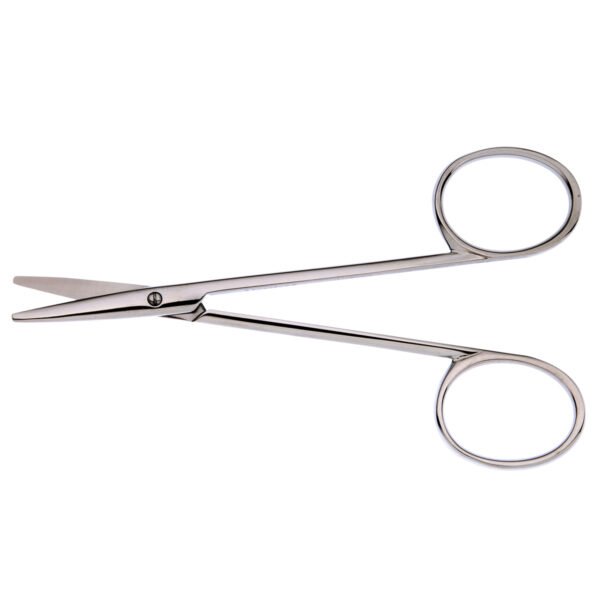
Baby Metzenbaum Dissecting Scissors | NJ Medical Instruments
SKU:
NJM-26012
Original price was: $ 30.$ 20Current price is: $ 20.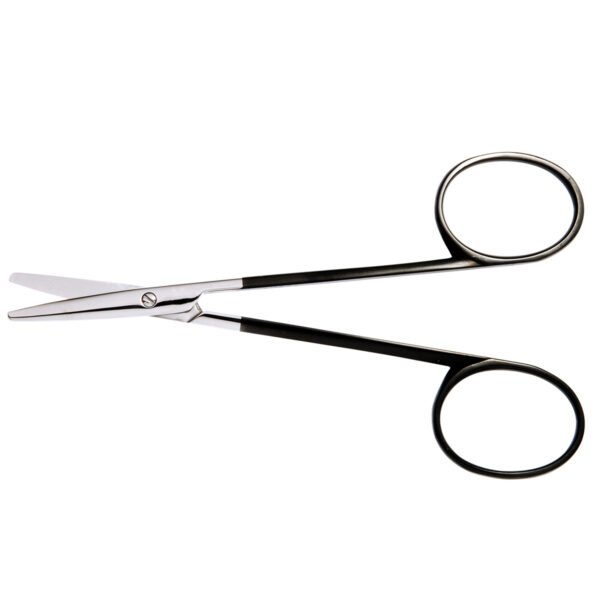
Baby Metzenbaum Supercut Dissecting Scissors | NJ Medical Instruments
SKU:
NJM-26013
Original price was: $ 30.$ 20Current price is: $ 20.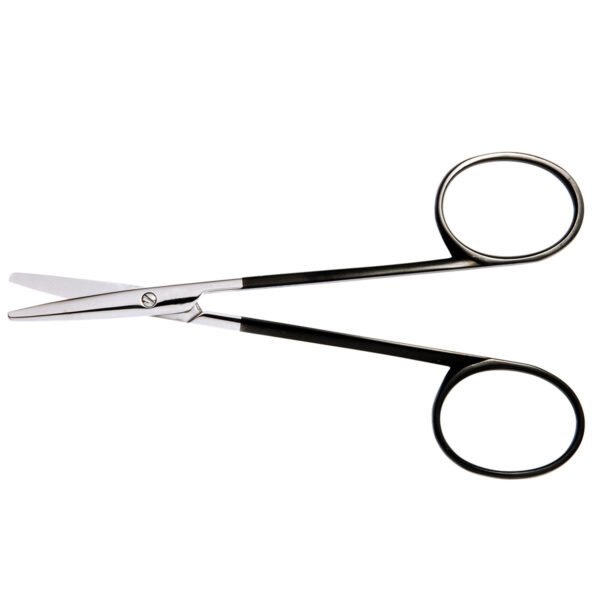
Baby Metzenbaum Supercut Dissecting Scissors | NJ Medical Instruments
SKU:
NJM-26014
Original price was: $ 30.$ 20Current price is: $ 20.
Baby Metzenbaum Supercut Ergonomic Dissecting Scissors | NJ Medical Instruments
SKU:
NJM-26103
Original price was: $ 30.$ 20Current price is: $ 20.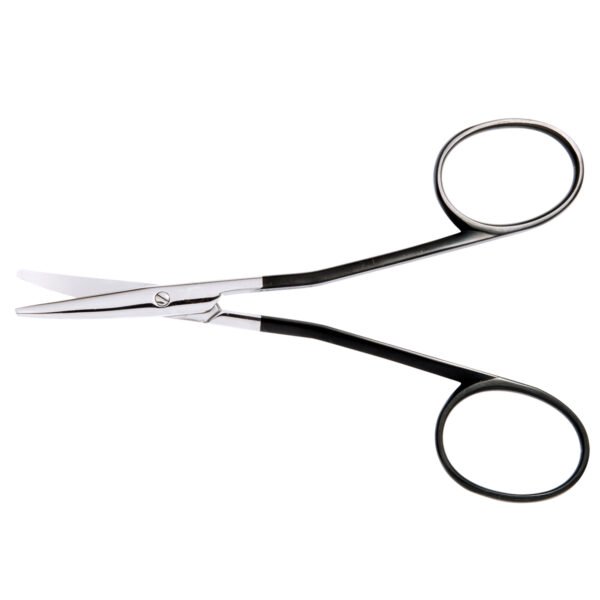
Baby Metzenbaum Supercut Ergonomic Dissecting Scissors | NJ Medical Instruments
SKU:
NJM-26234
Original price was: $ 30.$ 20Current price is: $ 20.
Boyd-Tonsil Scissors | NJ Medical Instruments
SKU:
NJM-26373
Original price was: $ 30.$ 20Current price is: $ 20.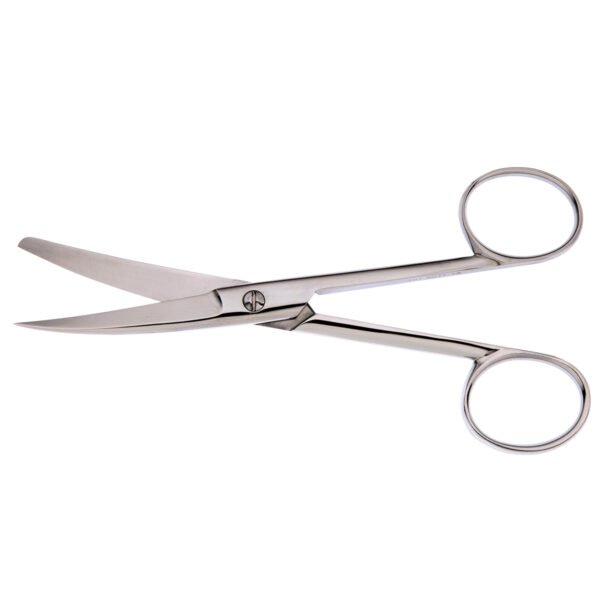
Cooper Operating Scissors | NJ Medical Instruments
Original price was: $ 30.$ 20Current price is: $ 20.
Cottle Supercut Nasal Scissors | NJ Medical Instruments
Original price was: $ 30.$ 20Current price is: $ 20.Surgical Scissors for Sale - Dissecting, SuperCut, Tonsil and Operating Scissors for All Specialties
Scissors are the instrument that surgeons notice most quickly when quality drops. A blade that passes across tissue rather than cutting it cleanly - requiring a second or third closure to complete the cut - creates ragged tissue edges, increases bleeding from divided vessels, and adds friction to procedures that should flow continuously. The degradation happens gradually: blades that were sharp after first sterilisation dull by increments, and the surgeon compensates by applying more force, which leads to less controlled cuts. The right procurement decision is instruments that hold their edge through the autoclave cycles of a working surgical schedule.
The scissors in this category at NJ Medical Instruments cover the named patterns used across plastic surgery, ENT, general surgery, and paediatric operating environments - from the SuperCut facelift scissors used in subcutaneous dissection to the tonsil scissors used in pharyngeal surgery, and the dissecting scissors that appear on almost every general surgical tray. All are manufactured from surgical-grade stainless steel at the company's Sialkot facility, CE-certified, and autoclavable.
Plastic Surgery Scissors - Facelift and Nasal Applications
Plastic surgery places specific demands on scissors that general surgical patterns often don't fully meet. Subcutaneous facelift dissection requires scissors that cut through fibrous SMAS and subcutaneous connective tissue without pushing or dragging the tissue - the cut needs to be immediate and clean to control the depth of the dissection plane. Nasal surgery requires scissors that cut the precise tissue volumes involved in tip cartilage work, septal cartilage scoring, and intercartilaginous incision release.
Aston SuperCut Facelift Scissors
The SuperCut edge - one serrated blade against one plain blade - addresses the tendency of tissue to slide away from scissors blades under cutting pressure. The serrated blade catches the tissue while the plain blade provides the cutting edge, which means the scissors engages the tissue rather than pushing it aside. For subcutaneous facelift dissection where fibrous bands and SMAS attachments need to be divided precisely, the SuperCut mechanism reduces the force needed per closure and improves tissue edge quality.
The Aston SuperCut Face-Lift Scissors reflect Sherrell Aston's specific technique requirements for subcutaneous facelift dissection. CE-certified, autoclavable.
Cottle SuperCut Nasal Scissors
The same SuperCut mechanism applied to nasal surgery proportions - shorter blades, finer tips, and handle geometry suited to intranasal access - gives the Cottle pattern its clinical specificity. In rhinoplasty and septoplasty, cartilage cuts need to be precise and single-pass; tissue slide under the blade introduces imprecision.
The Cottle SuperCut Nasal Scissors are CE-certified, autoclavable.
General and Dissecting Scissors - Standard Operating Room Patterns
Baby Mayo Dissecting Scissors
The Mayo scissors is one of the most reproduced general surgery scissors patterns - robust blades with good cutting force for divided tissue, suture, and fascia. The Baby Mayo is the smaller-scale version, suited to paediatric cases and adult procedures where the standard Mayo proportions would be too bulky for the operative field.
The Baby Mayo Dissecting Scissors provides standard Mayo cutting performance at a reduced scale. CE-certified, autoclavable.
Cooper Operating Scissors
The Cooper scissors is a general operating scissors with gently curved blades that suit the dissecting and cutting tasks of open abdominal, thoracic, and general surgery - tissue division, suture cutting, and flap work. The curve allows the blades to follow tissue contours rather than approaching a flat surface perpendicularly, which suits the three-dimensional nature of open surgical fields.
The Cooper Operating Scissors is CE-certified, surgical stainless, autoclavable.
ENT Scissors - Tonsil Applications
Boyd Tonsil Scissors
Tonsillectomy requires scissors that can work in the confined oropharyngeal field, divide the tonsillar capsule and inferior pole attachments, and reach the posterior tonsillar pillar without the handle obstructing the mouth gag or the assistant's suction. The Boyd tonsil scissors has the blade length, curvature, and handle offset suited to this specific operative environment.
The Boyd Tonsil Scissors is the appropriate instrument for adenotonsillectomy and tonsillectomy in ENT practice. CE-certified, autoclavable.
Ordering and Supply
NJ Medical Instruments ships surgical scissors in all patterns worldwide with ISO and CE certification. Bulk pricing is available for hospitals, surgical units, and distributors. Contact info@njmedicalinstruments.com or WhatsApp +92-333-8733922.