



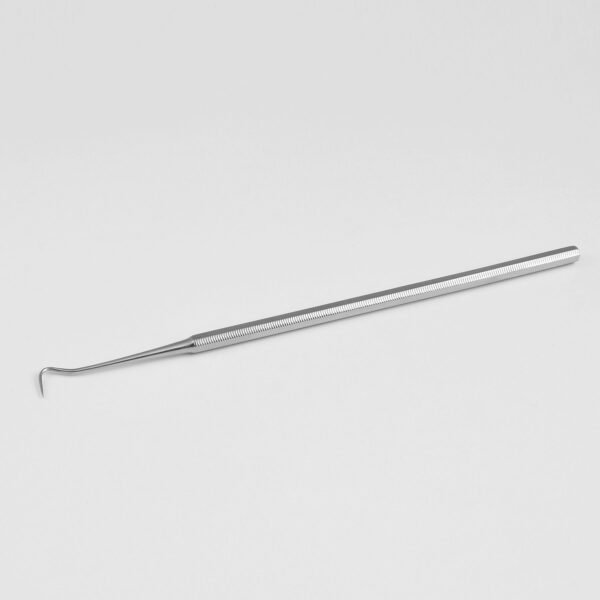
Fig. 40 White, Probes And Explorers | NJ Medical Instruments
SKU:
NJM-26082
Original price was: $ 30.$ 20Current price is: $ 20.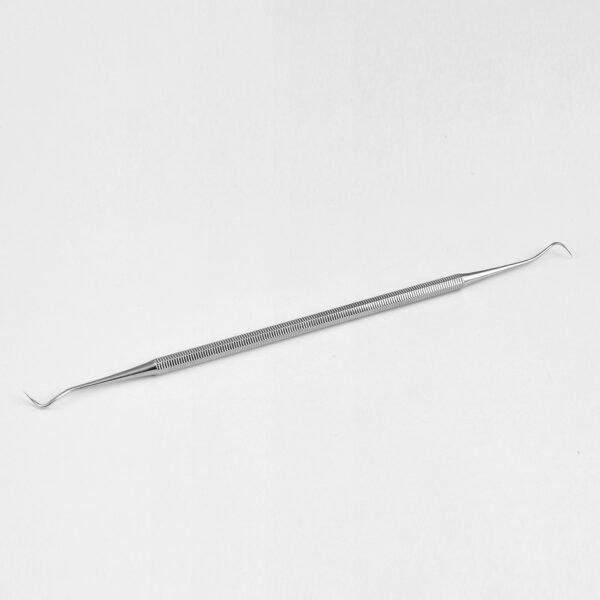
Fig. 9, Probes And Explorers | NJ Medical Instruments
SKU:
NJM-26086
Original price was: $ 30.$ 20Current price is: $ 20.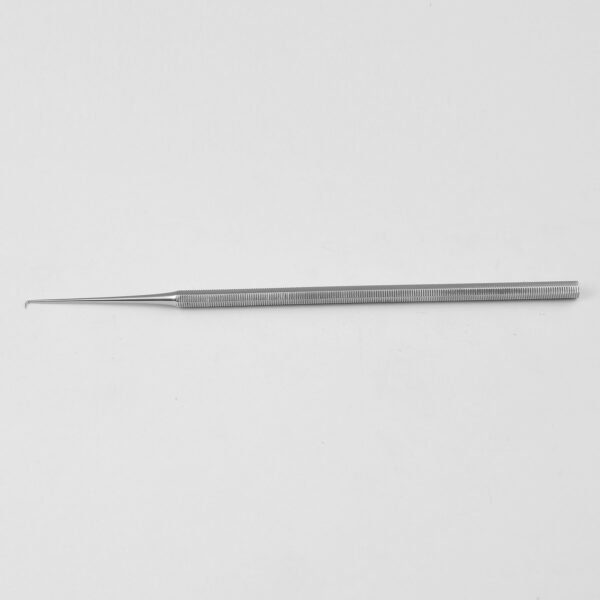
Fig. 7 White, Probes And Explorers | NJ Medical Instruments
SKU:
CM-26085
Original price was: $ 30.$ 20Current price is: $ 20.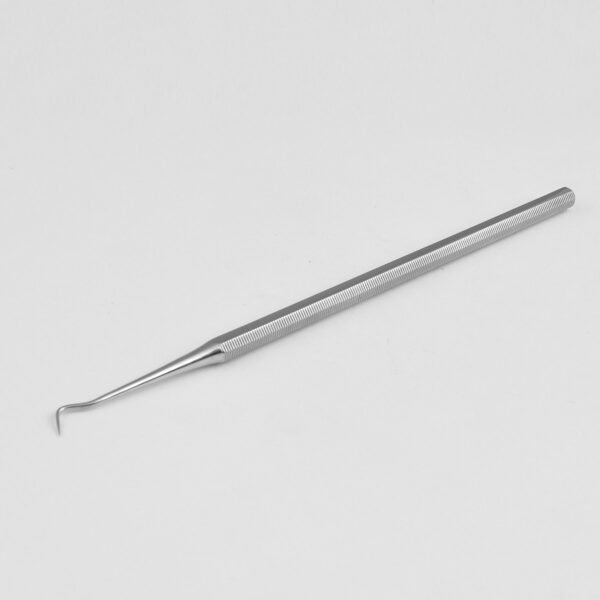
Fig. 43 White, Probes And Explorers | NJ Medical Instruments
SKU:
NJM-26084
Original price was: $ 30.$ 20Current price is: $ 20.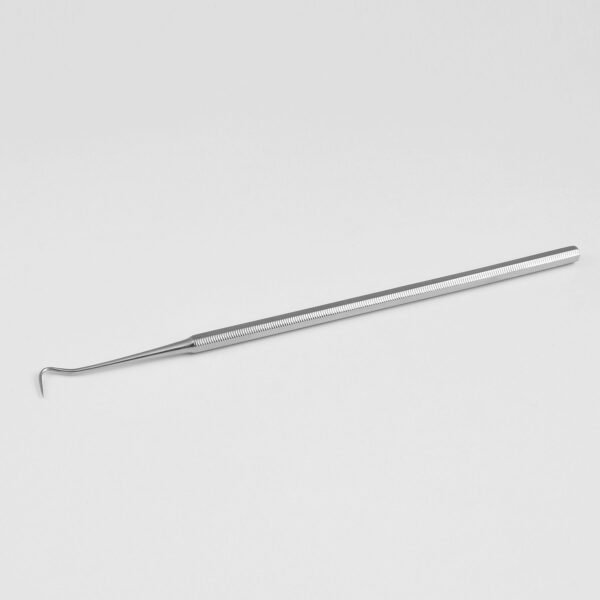
Fig. 42 White, Probes And Explorers | NJ Medical Instruments
SKU:
NJM-26083
Original price was: $ 30.$ 20Current price is: $ 20.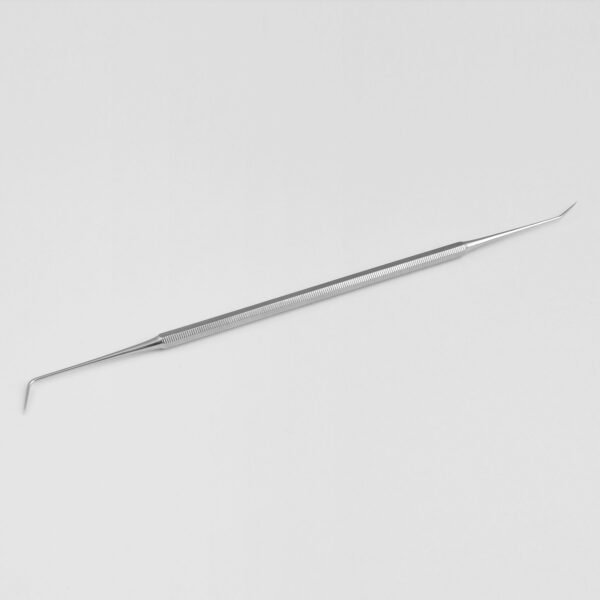
Fig. 39 Whit, Probes And Explorers | NJ Medical Instruments
SKU:
NJM-26081
Original price was: $ 30.$ 20Current price is: $ 20.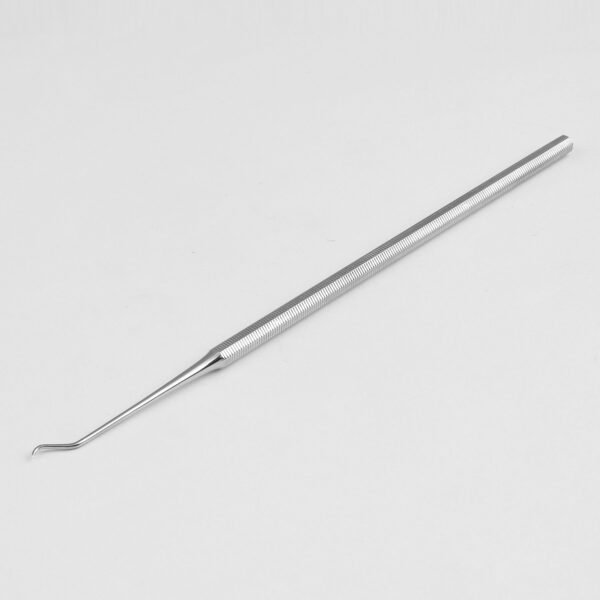
Fig. 22 White, Probes And Explorers | NJ Medical Instruments
SKU:
NJM-26080
Original price was: $ 30.$ 20Current price is: $ 20.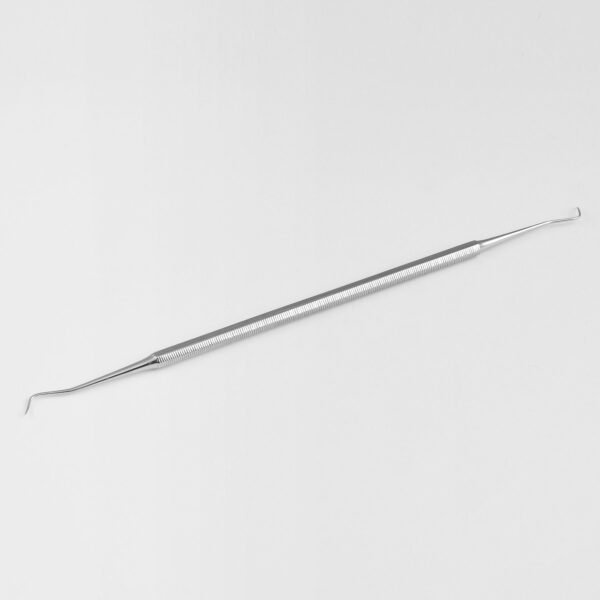
Fig. 2, Probes And Explorers | NJ Medical Instruments
SKU:
NJM-26079
Original price was: $ 30.$ 20Current price is: $ 20.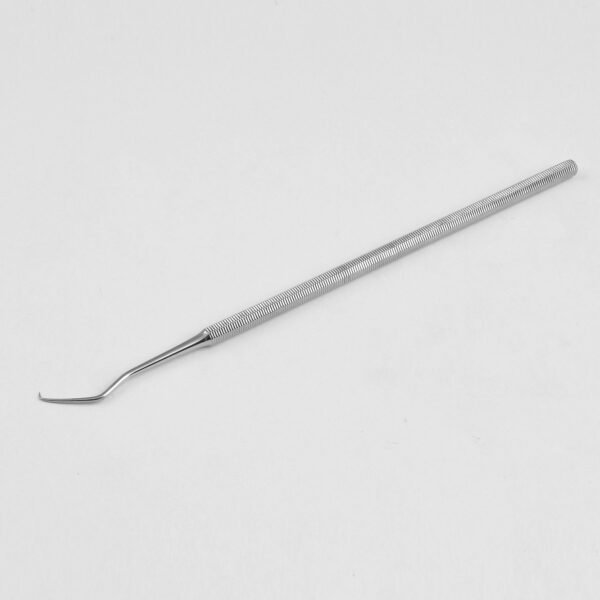
Fig. 17 White, Probes and Explorers | NJ Medical Instruments
SKU:
NJM-26078
Original price was: $ 30.$ 20Current price is: $ 20.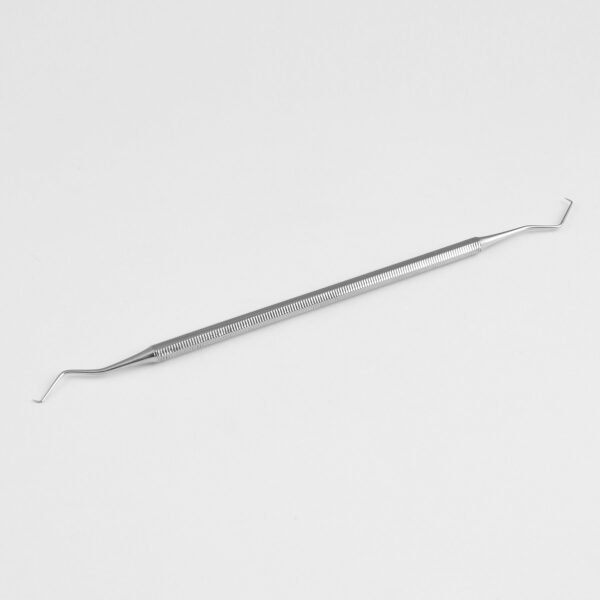
Fig. 11, Probes And Explorers | NJ Medical Instruments
SKU:
NJM-26077
Original price was: $ 30.$ 20Current price is: $ 20.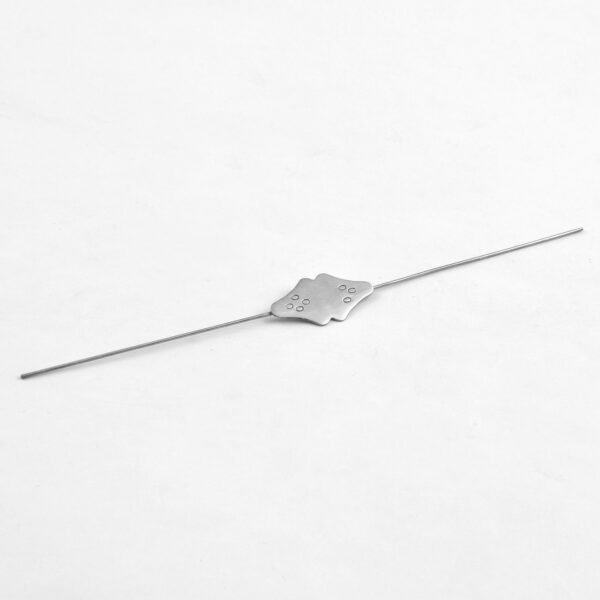
Bowman lacrimal Probe Fig 0000/000 | NJ Medical Instruments
SKU:
NJM-26076
Original price was: $ 30.$ 20Current price is: $ 20.Surgical Probes and Explorers for Sale - Wound, Fistula and Duct Assessment Instruments
Probes and explorers occupy a narrow but important place in the surgical instrument catalogue. They are assessment instruments rather than cutting or holding tools - their job is to provide tactile information about spaces, ducts, tracts, and tissue planes that visual inspection cannot reach. A wound with a suspected sinus, a fistula tract whose course is unknown before incision, a lacrimal duct requiring dilation assessment, or a bile duct needing calibration before anastomosis all present the same basic problem: the relevant anatomy is below the visible surface, and the probe is how the surgeon learns its shape, depth, and direction before deciding what to do.
The probes and explorers in this category at NJ Medical Instruments follow the White numbering system - a graduated sequence of probe geometries with different tip configurations, angulations, and shaft curves that serve different access requirements. All CE-certified and manufactured from surgical-grade stainless steel at the company's Sialkot facility.
What Surgical Probes Are Used For
The clinical applications for probes span more specialties than the instrument's simple appearance suggests. Understanding the specific use case clarifies why the figure numbering system exists and why the right probe matters for a given task.
Wound Sinus and Fistula Assessment
Wound sinuses - persistent non-healing wounds with a deep track leading to an underlying cavity, retained foreign body, or sequestrated bone - need to be probed to establish the depth and direction of the tract before definitive treatment. A probe passed along the tract tells the surgeon whether the sinus is blind-ended or communicates with a deeper structure, what direction the tract runs, and how deep it extends. This information directly informs the surgical plan: a sinus that probes deeply toward bone requires a different approach than a superficial one that terminates in granulation tissue.
Fistula assessment in colorectal surgery follows the same principle - the Parks classification of fistula-in-ano depends on establishing the tract's relationship to the sphincter muscle, which requires probing from both the internal and external openings to trace the full course of the tract.
Duct and Canal Assessment
Probes are used in any situation where a duct or canal needs to be assessed for patency, calibre, or obstruction. Lacrimal duct probing in nasolacrimal duct obstruction, bile duct calibration before biliary anastomosis, and ureteral assessment in some urological procedures all use probe instruments. The probe should be able to enter and pass through the duct structure at the correct calibre without force - resistance indicates stenosis or obstruction, and the relationship between probe resistance and duct diameter provides information that determines the surgical approach.
Tissue Plane Identification
In some procedures, a blunt probe is used to develop tissue planes before committing to sharp dissection - the probe tip is introduced into an avascular plane and used to expand the space by blunt dissection. This is less traumatic than entering the plane with scissors because the blunt tip separates tissue along the natural plane rather than cutting across it. The probe's flexibility and tip shape determine how well it develops the plane without tearing through vascular structures that cross it.
Featured Probes and Explorers at NJ Medical Instruments
Fig. 7 White Probes and Explorers
The Fig. 7 White Probes and Explorers is a specific geometry within the White series - tip configuration and shaft curvature suited for its particular access angle and duct/tract profile. Surgical stainless steel, CE-certified. The White fig. 7 covers assessment tasks where the probe angulation is needed to approach a tract or duct from a specific entry vector. Autoclavable.
Fig. 11 Probes and Explorers
The Fig. 11 Probes and Explorers provides a different tip geometry and shaft configuration from the White series - covering the access requirements that fig. 7 does not serve. In a complete probe and explorer set, multiple figure numbers allow the surgeon to select the instrument whose tip profile and shaft curvature best match the anatomy being assessed. CE-certified, surgical stainless steel.
Fig. 40 White Probes and Explorers
The Fig. 40 White Probes and Explorers is one of the higher-numbered configurations in the White series - a tip and shaft geometry suited for specific assessment tasks that the lower-numbered variants do not cover. For surgical units that need comprehensive probe coverage across varied wound and duct assessment cases, stocking across the full figure range ensures the appropriate instrument is available regardless of the specific anatomy encountered. CE-certified.
Ordering and Supply
NJ Medical Instruments ships surgical probes and explorers worldwide, with bulk pricing for hospitals, surgical units, and distributors. Contact info@njmedicalinstruments.com for wholesale enquiries.