


- Plastic Surgery Instruments
- Electrosurgical Instruments
- Surgical Instruments
- Dental Instruments
- Adenoid Curettes
- Aspirating and Irrigating Instruments
- Blepharoplasty Sets
- Breast Surgery Sets
- Chisels
- Dental Instruments
- Amalgam Pluggers Condensers, Burnishers
- Artery Forceps
- COMPSITE PLACEMENT, PLASTIC FILLING INSTRUMENTS
- ELEVATORS
- Ear Catheters and Excavators
- Ear Forceps
- Ear Hooks
- Ear Scissors and Ear Snares
- Ear Specula & Tuning Forks
- Electrosurgical Instruments
- Bipolar Artery Sealer
- Bipolar Cables
- Bipolar Electrodes
- Conization Electrodes
- Diathermy Instruments
- Electrodes (2.4 mm)
- Electrodes (4.0 mm)
- Electrosurgical Instruments for Gynecology
- ENT Diagnostic
- Conventional Laryngoscopes
- Ear Instruments
- ENT Complete Sets
- ENT Instruments
- Anastomosis Clamps
- Aortic-Aneurysm Clamps
- Carotid Clamps
- Colon Clamps
- Artery and Ligature Clamps
- Artery Forceps
- Artery Forceps and Ligature Clamps
- Bone Cutters & Rongeurs
- Curettes, Raspatories, Elevators etc.
- Blepharoplasty Scissors
- Dissecting Scissors
- Bone Curettes
- Dissectors
- Elevators
- Bone Cutting Forceps
- Bone Holding Forceps
- Bone Rongeurs
- Chisels
- Clamps
- Dissectors & Elevators
- Endoscopic Face & Forehead Lift
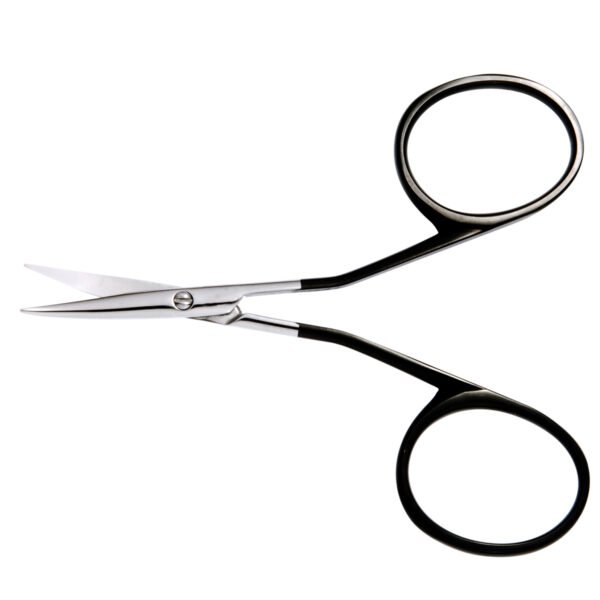
Supercut Ergonomic Blepharoplasty Scissors | NJ Medical Instruments
SKU:
NJM-26226
Original price was: $ 30.$ 20Current price is: $ 20.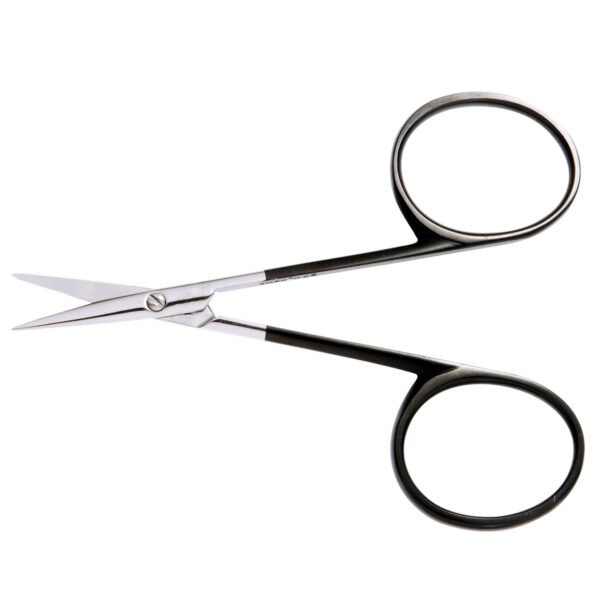
Supercut Blepharoplasty Scissors | NJ Medical Instruments
Original price was: $ 30.$ 20Current price is: $ 20.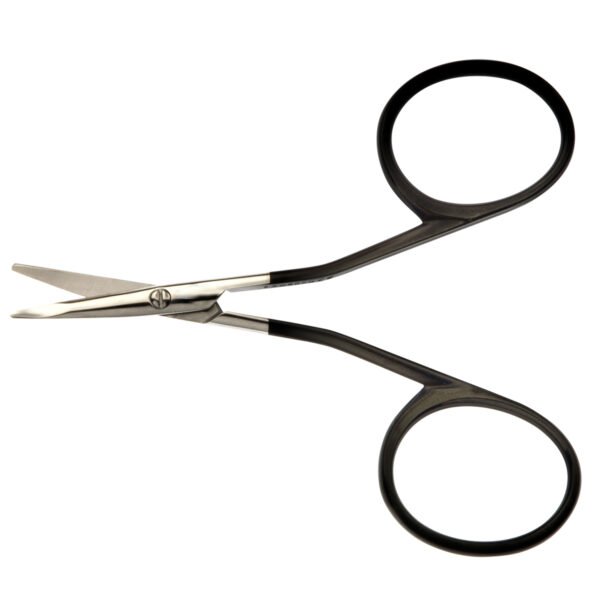
Ragnell Supercut Ergonomic Blepharoplasty Scissors | NJ Medical Instruments
SKU:
NJM-26223
Original price was: $ 30.$ 20Current price is: $ 20.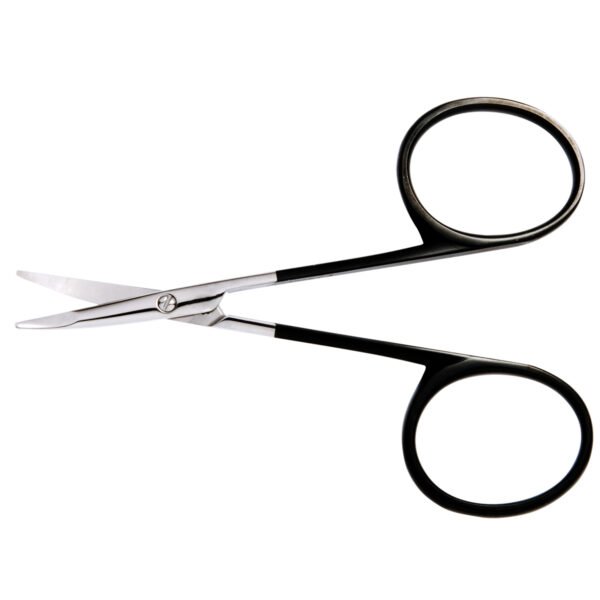
Ragnell Supercut Blepharoplasty Scissors | NJ Medical Instruments
SKU:
NJM-26222
Original price was: $ 30.$ 20Current price is: $ 20.Blepharoplasty Scissors for Sale - SuperCut and Ragnell Eyelid Scissors in Standard and Ergonomic Handles
The operative field in blepharoplasty is defined by proximity - the eyelid is millimetres from the globe, the orbital septum is a thin fascial layer between the surgeon and the orbital fat, and the margin between the amount of skin removed and too much skin removed is measured in fractions of a millimetre. The scissors used in this environment carry more responsibility than their small size suggests. A blade that requires two closures to complete a cut through delicate lid tissue leaves a ragged edge; one that transmits any lateral force during cutting risks globe pressure; one whose handle fatigues the surgeon's hand during a bilateral case introduces inconsistency in the second eye that wasn't present in the first.
These are the reasons blepharoplasty scissors are a specific instrument subcategory rather than a scale-down of general tissue scissors. The four options in this category address the clinical requirements through two variables: the SuperCut blade mechanism (which reduces cutting force and tissue displacement) and the handle geometry (standard ring handle versus ergonomic configuration for reduced hand fatigue).
All four instruments are manufactured from surgical-grade stainless steel at NJ Medical Instruments' Sialkot facility, CE-certified, and autoclavable.
The SuperCut Mechanism in Blepharoplasty - Why It Matters for Eyelid Tissue
Standard scissors cut by two plain blades meeting at the pivot. The cutting mechanism works, but thin, compliant tissue - the kind found in the eyelid skin and orbicularis - tends to bow away from the closing blades before the cutting edge engages it, which means the surgeon has to apply slight forward pressure to keep the tissue against the blade. In a confined periorbital field with the globe immediately posterior, forward pressure is not something to apply casually.
The SuperCut mechanism addresses this by combining one plain blade with one micro-serrated blade. The serrated blade catches the tissue surface on closure and prevents the forward slide that plain blades allow - the tissue is engaged before the cutting edge meets it rather than escaping laterally. The result is a single-closure cut with less total force applied and less tissue movement during the cutting action. For eyelid skin, for the thin conjunctival edge during lower lid transcutaneous approaches, and for any fine tissue cut in the periorbital region, this mechanism difference is felt directly in how reliably each closure completes the intended cut.
Standard Handle vs Ergonomic Handle - Choosing for Your Case Volume
The ring handle on standard surgical scissors places the thumb and ring finger in rings, with the handle aligned roughly with the cutting axis. This geometry suits short cases and occasional use. For surgeons performing bilateral blepharoplasty multiple times per week - a realistic case load in an active oculoplastic or aesthetic surgery practice - the ring handle creates cumulative strain at the metacarpophalangeal joint over repeated closures.
Ergonomic handle designs redistribute the closing force across a different hand position, typically aligning the handle more naturally with the hand's resting position and reducing the lateral pinching force on the ring finger. For high-volume practitioners, the ergonomic variant is not a comfort choice but a practical one that maintains consistent hand position and force application through the later cases in a busy operating schedule.
The Four Blepharoplasty Scissors Configurations
SuperCut Blepharoplasty Scissors - Standard Handle
The SuperCut Blepharoplasty Scissors is the standard configuration - SuperCut blade mechanism in a conventional ring handle. CE-certified, autoclavable.
SuperCut Ergonomic Blepharoplasty Scissors
The SuperCut Ergonomic Blepharoplasty Scissors adds the ergonomic handle to the SuperCut blade - the option for high-volume practitioners who want both the cutting quality advantage and the reduced hand strain of the ergonomic configuration. CE-certified, autoclavable.
Ragnell SuperCut Blepharoplasty Scissors - Standard Handle
The Ragnell handle pattern modifies the blade geometry and overall proportions to suit the specific access angles of periorbital surgery. The Ragnell SuperCut Blepharoplasty Scissors combines Ragnell proportions with the SuperCut mechanism in a standard ring handle. CE-certified, autoclavable.
Ragnell SuperCut Ergonomic Blepharoplasty Scissors
The Ragnell SuperCut Ergonomic Blepharoplasty Scissors is the full-featured option - Ragnell blade geometry, SuperCut mechanism, and ergonomic handle. For surgeons who have standardised on Ragnell proportions and want both cutting quality and ergonomic handle design for bilateral cases. CE-certified, autoclavable.
Ordering and Supply
NJ Medical Instruments ships blepharoplasty scissors worldwide with ISO and CE certification. Contact info@njmedicalinstruments.com or WhatsApp +92-333-8733922.